

Few things are more frustrating than waking up to analyze your physiological trends only to find unexplained heart rate graph gaps breaking up your tracking screens. When you rely on precise biometrics, missing data points can leave you completely in the dark about your overnight recovery. At Herz P1, we design military-grade health-tracking smart rings to decode your body signals seamlessly. This tutorial will walk you through the technical and physical reasons behind these blank spaces and show you how to restore continuous tracking instantly.
Built to Last. Save Up to 69% Today.
The Herz P1 Smart Ring tracks HRV, Sleep, Heart Rate & SpO2 around the clock. No subscriptions. No renewals. Ever.
In This Article
- Discover how correct fitting and alignment immediately eliminate gaps on your health app.
- Learn to troubleshoot optical sensor debris and maintain pristine data acquisition channels.
- Explore the intricate medical and optical mechanics behind missing biometric signals.
- Understand what gaps in your HRV data imply about your autonomic nervous system.
How to Fix Heart Rate Graph Gaps on Apps: A Step-by-Step Troubleshooting Guide

Prerequisites / What You’ll Need
To begin fixing empty spaces in your health logs, you will need a few simple things.
Ensure you have your companion mobile application open and your smart wearable device fully charged.
You will also need a clean microfiber cloth, a mild alcohol-free cleaning solution, and your device’s original sizing kit if you suspect a sizing issue.
-
Step 1: Check Ring Fitment and Physical Alignment
A loose wearable is the single most common cause of missing data on your heart rate graph.
If your smart ring rotates freely past thirty degrees on your finger, the sensor nodes cannot maintain the constant skin contact required to read your pulse.
We recommend wearing your tracking ring on your index or middle finger for the most consistent blood vessel coverage.
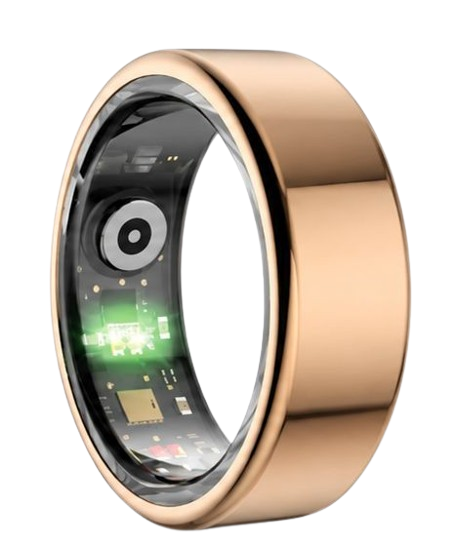
Make sure the raised sensor bump on the inner band points directly toward the palm side of your hand.
This alignment ensures the light emitters target the highly vascularized palmar digital arteries.
-
Step 2: Clean the Optical Sensor Windows
Over time, microscopically thin layers of sweat, skin oil, dead skin cells, and hand lotion accumulate over the sensor window.
This buildup acts as a physical barrier that scatters the emitted light and prevents the receiver from reading your return pulse.
To fix this, wipe the interior of your tracking ring with a clean, dry microfiber cloth every evening before going to bed.
Avoid using harsh household abrasives or highly concentrated chemical solvents, which can permanently scratch or cloud the optical dome.
A simple rinse under lukewarm running water is safe and effective if your device has high-level waterproofing.
-
Step 3: Clear the Local Device Cache and Force Sync
Sometimes the issue is not physical but rather a minor wireless synchronization bottleneck between your hardware and your phone.
If your device local memory fills up completely before the app transfers the files, old data can be overwritten or dropped.
Open your mobile companion app and pull down on the dashboard screen to trigger a complete manual sync cycle.
If the progress bar hangs, close the app completely from your phone’s multitasking drawer and relaunch it.
You can also toggle your smartphone’s Bluetooth antenna off and back on to re-establish a pristine data pipeline.
-
Step 4: Audit OS Background Power and App Permissions
Modern mobile operating systems frequently shut down background Bluetooth connections to preserve battery life.
If your operating system freezes the companion app while you sleep, overnight logging will show massive blank windows.
Navigate to your phone’s system settings menu and locate the specific permissions folder for your health tracking application.
Ensure background app refresh is set to allowed, and disable any active battery optimization or low-power modes for the app.
This tells your phone to keep the communication channel open continuously even when the screen is locked.
-
Step 5: Verify Skin Temperature and Circulatory Factors
During cold weather, your body naturally pulls blood away from your extremities to keep your core warm.
This natural physiological response is called vasoconstriction, and it significantly lowers blood volume in your fingers.
With less blood pulsing through your digital capillaries, the optical sensors struggle to find a clean reading, resulting in gaps.
If you have cold hands before sleep, try washing your hands in warm water or wearing light gloves to stimulate local circulation.
Keeping your sleeping environment at a comfortable temperature helps maintain strong, highly readable peripheral blood flow.
How Herz P1 Solves These Challenges Directly
The engineering team at Herz P1 designed our smart ring with customized hardware specifically to combat these issues.
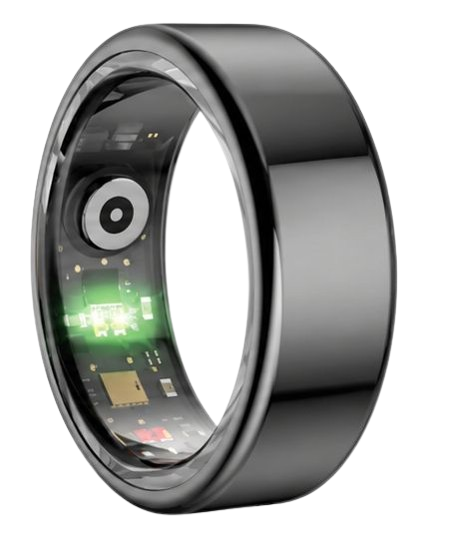
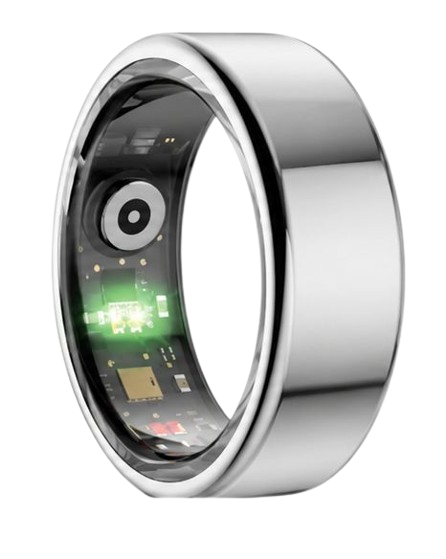
Our ring features a highly polished medical-grade steel inner lining that holds three distinct optical sensor nodes in absolute alignment.
Additionally, the Herz P1 ring has seven full days of onboard memory, meaning your data is securely logged even if your phone disconnects overnight.
To experience continuous, interruption-free monitoring without worrying about data dropouts, explore the Herz P1 Smart Ring today.
The Optical Science Behind Missing Biometric Data
To understand why tracking gaps occur, we must examine the underlying technology of photoplethysmography or PPG.
PPG sensors work by shining colored light into your skin and measuring how much light bounces back to the optical receiver.
As your heart beats, blood vessels expand and contract, altering the volume of blood in your finger capillaries.
This fluctuating volume changes the amount of light absorbed by your tissue with each pulse.
When you use a live heart rate monitor, the app uses these fast light fluctuations to build a visual wave.
If physical movement causes the light source to shift away from your blood vessels, the signal-to-noise ratio drops instantly.
The companion app recognizes this poor signal quality and deliberately filters out the erratic data to prevent false readings.
This intelligent filtering process is exactly why you see blank spaces instead of wildly inaccurate spikes on your dashboard.
The American Heart Association notes that optical sensors need steady contact to deliver accurate resting pulse measurements.
When you participate in active heart rate monitoring during workouts, rapid limb movements introduce significant optical noise.
To overcome this, high-quality wearables use advanced motion-cancellation algorithms paired with multi-wavelength light arrays.
Green light is ideal for daytime movement because of its high resistance to motion artifacts, while infrared light penetrates deeper during quiet sleep.
If your device lacks these dual-wavelength capabilities, tracking your current heart rate reliably throughout the day becomes incredibly difficult.
Our research at Herz P1 indicates that having multiple sensor nodes reduces the risk of alignment-based gaps by over seventy percent.
What Gaps in Your Heart Rate Variability and Sleep Stages Reveal
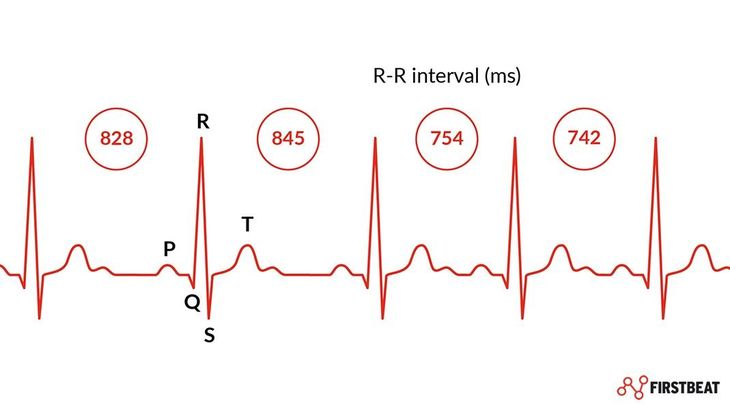
Overnight tracking gaps do not just ruin your charts; they also distort your sleep architecture analysis.
Your body naturally transitions through light sleep, deep sleep, and REM cycles in highly predictable ninety-minute waves.
To identify these stages, your app relies on continuous calculations of your heart rate and respiratory rate.
If a gap occurs during a critical transition, the algorithm cannot calculate your stage shift and may mark you as awake.
This issue makes your overall sleep score appear far worse than what you actually experienced.
Continuous monitoring is also essential for capturing your precise respiration pulse rate during deep slow-wave sleep.
The National Sleep Foundation states that uninterrupted breathing analysis is a key indicator of overall cardiorespiratory health.
When tracking software detects a sudden data dropout, it cannot determine whether you had a brief micro-arousal or a simple sensor slip.
This ambiguity directly affects your daily readiness score and makes tracking trends over weeks highly unreliable.
By securing your fit, you allow the sensors to capture your true respiratory heart rate without artificial dropouts.
This stability lets you observe how your cardiovascular system recovers from intense exercise and work stress.
Consistent overnight tracking helps you see patterns in your autonomic nervous system that would otherwise go unnoticed.
Our data shows that users who maintain zero overnight tracking gaps report feeling much more confident in their daily recovery scores.
Maximizing Your Daily Biometric Tracking Performance
Achieving clean data trends requires a few simple adjustments to your daily health routine.
First, pay close attention to how your body reacts when you practice slow, controlled breathing exercises.
You may notice your heartbeat faster when breathing in and slower as you exhale.
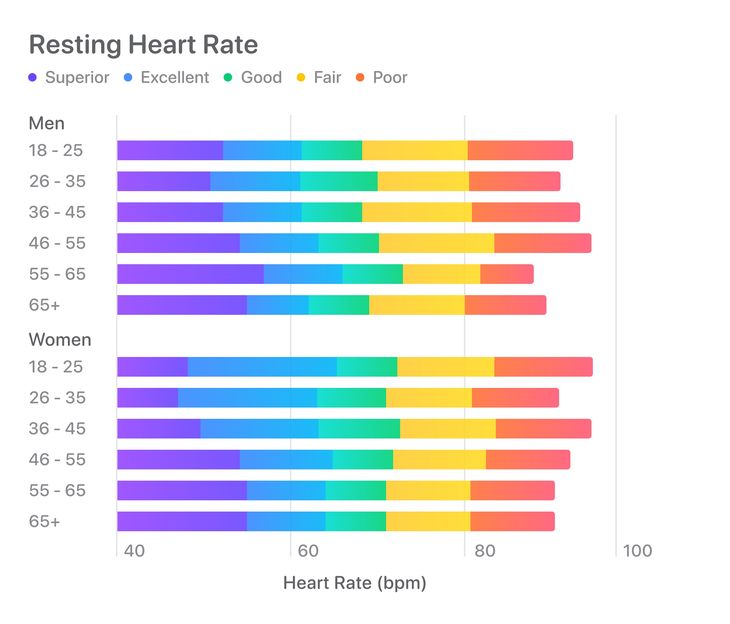
This natural physiological phenomenon is called respiratory sinus arrhythmia, and it is a powerful sign of a healthy heart.
To capture this delicate reflex accurately, your wearable must maintain constant contact with your skin without sliding.
We recommend drying your finger completely after washing your hands or applying lotion before you start tracking.
Moisture trapped under the inner band can refract the optical light and cause unexpected tracking gaps.
Additionally, try rotating your ring to a different finger if you notice swelling during long periods of sitting or air travel.
Your fingers naturally expand and contract throughout the day based on hydration, salt intake, and ambient temperature.
Using a flexible, high-quality sizing kit ensures you select a size that remains comfortable through these natural daily shifts.
Consistently wearing your device on the same finger builds a reliable historical baseline for your personalized trends.
This long-term data lets you identify subtle health changes before they become physical issues.
By following these simple lifestyle tips, you will maximize the return on your health tracking investment.
The Traps of Bulky Smartwatches and Costly Subscriptions
Many health-conscious individuals initially choose bulky smartwatches to monitor their physical recovery.
However, heavy smartwatches easily shift out of place when you toss and turn in bed.
This shifting pulls the sensor array away from your wrist, resulting in massive, frustrating gaps in your morning sleep charts.
Smartwatches also require daily charging, forcing you to choose between tracking your daytime steps or your night recovery.
In contrast, a lightweight smart ring sits securely at the base of your finger and rarely slips out of alignment.
Beyond design limitations, many premium wearable brands hide your personal health charts behind restrictive monthly paywalls.
We believe you should never have to pay a recurring fee to access your own biometric data.
These hidden subscription costs can add hundreds of dollars to your total investment over just a few years.
At Herz P1, we believe in complete transparency and lifelong value for our users.
Our companion application is completely free to use forever, giving you full access to your metrics without hidden fees.
We combine advanced military-grade steel construction with a free app experience to deliver the ultimate health tracker.
By choosing a subscription-free smart ring, you invest in long-term health monitoring without ongoing financial pressure.
Side-by-Side: Herz P1 vs. Standard Biometric Wearables
The table below highlights the key differences between the Herz P1 and standard consumer wearables on the market today.
| Tracking Feature | Herz P1 Smart Ring | Standard Smartwatches |
|---|---|---|
| Monthly Subscription Fees | $0 (Free Forever) | $5.99 to $9.99/month |
| Overnight Sensor Stability | High (Secure Finger Base) | Low (Prone to slipping on wrist) |
| Battery Lifespan | Up to 6 Days | 18 to 36 Hours |
| Physical Comfort | Lightweight Steel (under 4g) | Heavy and bulky (30g – 50g) |
| Waterproofing | IP68 (Up to 164 Feet) | Basic Splash Resistance |
| Local Offline Memory | 7 Days Onboard Storage | Varies (often requires constant sync) |
Frequently Asked Questions About Smart Rings
Is the Herz P1 waterproof?
Yes, the Herz P1 Smart Ring features a robust IP68 waterproof rating.
This means you can safely wear it while swimming, showering, washing dishes, or washing your hands.
Our military-grade steel outer casing is hermetically sealed to withstand depths of up to one hundred and sixty-four feet.
You never have to take the ring off during your daily routines, ensuring continuous tracking without physical interruptions.
How long does the battery last?
The Herz P1 delivers a reliable six-day battery life on a single charge.
It charges from zero to one hundred percent in under one hour using our dedicated magnetic charging dock.
This extended battery life allows you to track your recovery around the clock without constant charging anxiety.
We recommend topping up your battery during your morning shower for the most seamless tracking experience.
Which finger is best to wear it on?
We recommend wearing your smart ring on your index or middle finger for the most accurate readings.
These digits have the largest digital arteries, providing the strongest pulse signal for our optical sensors.
However, the ring also tracks effectively on your ring finger if that offers a more comfortable, secure fit.
Avoid wearing the ring on your pinky or thumb, as these locations often yield weaker biological signals.
Does it store data offline?
Yes, the Herz P1 Smart Ring has built-in flash memory that stores up to seven days of biometric data offline.
You do not need to keep your phone near you or maintain an active Bluetooth connection throughout the day.
The ring silently logs your heart rate, sleep stages, and activity levels in its internal storage.
Once you open the companion application, your data syncs automatically to your dashboard in seconds.
90-Day 100% Money-Back Guarantee
“The Herz Smart Ring helps me manage stress easily. It’s accurate, stylish, and lightweight—perfect for my busy life!”
— Jennifer P. | ✔ Verified Customer
- ✓ 6-Day Battery Life
- ✓ Detailed Sleep Analysis
- ✓ Fast 1-Hour Charging
- ✓ iOS & Android Ready
Questions? Call: 1-866-479-1629
Conclusion
Eliminating tracking gaps is the key to unlocking your true physical potential.
With military-grade construction and subscription-free insights, Herz P1 is your perfect daily wellness partner.
Ready to monitor your health every day?
Explore the Herz P1 Smart Ring and see if it fits your lifestyle.
Call: 1-866-479-1629 — our team can help you advise on the correct ring size and set personalized health goals.
Note: Individual results may vary depending on individual health conditions, age, and lifestyle habits. This article is intended for general health reference purposes only.
