

Why Can’t I Sleep After a Loss? The Science of Grief and Sleep
Losing someone you love alters your brain chemistry, leading to a persistent state of hyperarousal where restful rest feels impossible. Understanding how grief and sleep interact allows us to reclaim our physiological balance. The screen-free Herz P1 Smart Ring gently tracks these fragile recovery biometrics without complicating your night.
Take Back Your Sleep.
Take Back Your Life.
- Fall asleep faster & sleep deeper
- Stop waking up in the middle of the night
- Wake up refreshed & full of energy
- Neural Hyperarousal: How bereavement shifts the nervous system into a chronic fight-or-flight loop, destroying restorative deep sleep.
- Biometric Indicators: Why tracking shifts in Heart Rate Variability (HRV) and resting heart rate provides concrete insights into physical recovery.
- Screen-Free Tracking Benefits: Why typical smartwatches with vibrant screens can worsen late-night anxiety during emotional distress.
- Passive Optimization: Using subscription-free wearable biometrics like the Herz P1 Smart Ring to monitor recovery trends without device fatigue.
Understanding the Biometric Impact of Loss: How Grief Disrupts Our Neural Pathways
Quick Answer
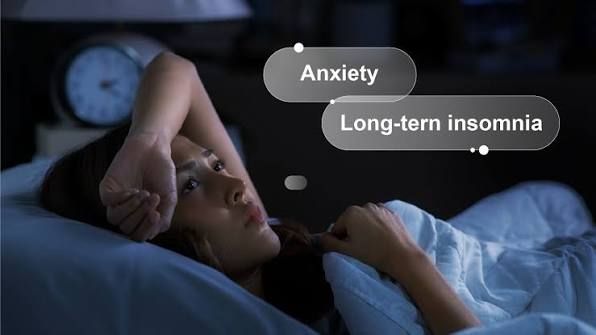
Yes, bereavement directly alters your sleep architecture. The short answer is that emotional trauma triggers a chronic fight-or-flight response, shifting your body into nervous system hyperarousal. However, to choose the right path to recovery, you must understand how your unique sleep stages, autonomic nervous system, and Heart Rate Variability (HRV) are affected by the profound shock of loss.
The Physiology of Grief and Sleep
When we experience a significant loss, our brains do not merely process a mental emotion; they respond to a severe survival threat. The amygdala—the brain’s emotional smoke detector—becomes chronically hyperactive. This hyperactivity signals the hypothalamic-pituitary-adrenal (HPA) axis to flood the bloodstream with cortisol, adrenaline, and norepinephrine.
In a healthy nervous system, cortisol levels naturally taper off in the evening, allowing the sleep-promoting hormone melatonin to rise. When navigating grief and sleep challenges, this hormonal rhythm is completely disrupted. Elevated nighttime cortisol acts as a biochemical alarm, keeping you in a state of high alert.
This constant alertness often leads to the frustrating “3 AM awakening.” You fall asleep exhausted, only to wake up suddenly in the middle of the night with a racing mind, completely unable to settle back into rest. This cycle leads to non-restorative sleep, leaving you feeling physically and emotionally drained the following day.
— Team Mind Body Dan Biometric Research
When to Monitor Trends vs. When to Seek Professional Support
It is crucial to self-identify where you are on your path to recovery to determine the most supportive steps for your health:
- Monitor Biometric Trends If: You are experiencing typical, though exhausting, grief-related sleeplessness, waking up occasionally, feeling daytime fatigue, or noticing temporary drops in your HRV. Tracking these trends can help you see your body’s gradual recovery over time.
- Seek Medical Guidance If: Your sleeplessness persists for several months without improvement, or if you experience severe clinical depression, persistent panic attacks, or find it difficult to perform basic daily tasks.
Compassionate, Non-Invasive Solutions
Restoring balance to your nervous system requires gentle, consistent habits rather than forced routines. Incorporating simple screen-free evening practices, such as progressive muscle relaxation, journaling to ease a racing mind, or keeping a consistent wind-down routine, can help signal to your brain that it is safe to rest.
To truly understand how these habits support your body, tracking your physical recovery can be highly reassuring. However, using a bright, notification-heavy smartwatch can often increase late-night anxiety.
This is where the Herz P1 Smart Ring offers a supportive alternative. Designed from ultra-lightweight, durable titanium, this screen-free ring monitors your Sleep Stages (REM, Deep, Light) and Heart Rate Variability (HRV) entirely in the background. It provides a simple, daily Recovery Score without any distracting screens, vibrating alerts, or hidden monthly subscription fees.
When you are grieving, your nervous system is highly sensitive to external stimulation. The bright lights, vibrating notifications, and constant connectivity of traditional smartwatches can trigger cortisol spikes. Transitioning to an unobtrusive, screen-free smart ring allows you to collect valuable, actionable health data without the digital noise that keeps your mind awake.
Common Inquiries About Grief and Rest
Q: Why do I wake up at exactly 3 AM after a loss?
A: Waking around 3 AM is closely tied to our natural cortisol rhythms. In a grieving state, your body’s baseline stress hormones are elevated, making you much more likely to wake up fully as you transition from deep sleep to lighter sleep stages.
Q: Can grief cause vivid, exhausting dreams?
A: Yes. Emotional distress often disrupts REM sleep, the stage where we process emotions and dream. This disruption can lead to intense, vivid dreams that leave you feeling unrefreshed in the morning.
Q: Is it normal to feel physically sore and exhausted upon waking?
A: Absolutely. When navigating grief and sleeplessness, the lack of deep, restorative sleep limits your body’s ability to repair tissues and reduce physical tension, leading to morning stiffness and persistent fatigue.
The Physiology of Grief Sleeplessness: Decoding Your Nightly Biometrics

When we look closely at how emotional strain affects the body, we can observe clear, measurable changes in our physiological data. Exploring the connection between grief sleeplessness and our biology helps demystify why we feel so physically drained after a major loss.
Understanding Heart Rate Variability (HRV) During Stress
Heart Rate Variability (HRV) represents the variation in time between each of your consecutive heartbeats. This variation is regulated by your autonomic nervous system, which is divided into the sympathetic (“fight-or-flight”) and parasympathetic (“rest-and-digest”) branches.
When you are in a healthy, well-rested state, your parasympathetic nervous system is active, resulting in higher HRV. This indicates that your body is highly adaptable and ready to recover from daily stressors.
Under the weight of emotional pain, your sympathetic nervous system dominates, which can cause your HRV to drop significantly. A low HRV indicates that your body is holding onto tension and struggling to find its natural balance, even while you are resting. Monitoring these subtle changes over time can offer valuable insight into your nervous system’s gradual return to a state of calm.
Sleep Architecture: Deep vs. REM Disruptions
A restful night is built on balanced sleep cycles, which naturally alternate between deep sleep, light sleep, and REM (Rapid Eye Movement) phases. Emotional stress disrupts this architecture in two primary ways:
- Deep Sleep Deprivation: Deep sleep is the essential stage for physical recovery, tissue repair, and immune support. Under the influence of elevated cortisol, your brain struggles to enter or maintain this stage, which can leave you feeling physically sore and tired.
- REM Sleep Fragmentation: REM sleep is when our minds process emotional events and memories. When your rest is fragmented by frequent nighttime awakenings, you miss out on these restorative REM phases, which can make it harder to process difficult emotions and leave you feeling mentally fatigued.
We believe that tracking your health data should support your well-being, not cause additional stress. Instead of puzzling over complex graphs or feeling pressured by rigid health targets, focusing on a single, intuitive Daily Recovery Score can help you understand your body’s energy levels and plan your day with self-compassion.
Observing how grief sleep patterns evolve over several weeks helps you identify what truly supports your body’s recovery. Whether it is adjusting your evening routine, enjoying gentle movement, or practicing deep breathing, having clear, non-judgmental feedback is an invaluable guide on your journey toward wellness.
Practical Strategies for Navigating Grief Sleep Issues: Reclaiming Your Sleep Architecture
Restoring a healthy sleep cycle during times of bereavement is a gradual, highly personal process. By using gentle, biology-backed strategies, you can help soothe an overactive nervous system and encourage deeper, more restorative sleep.
Establishing a Supportive Evening Routine
When coping with the impact of loss on sleep, creating a calm, comforting evening environment is key to preparing your mind and body for rest:
- Keep a Consistent Sleep Schedule: Going to bed and waking up at the same time each day helps stabilize your body’s circadian rhythm, supporting natural melatonin production.
- Create a Screen-Free Buffer: Aim to turn off smartphones, tablets, and TVs at least 60 minutes before bed. This reduces exposure to blue light and prevents stimulating notifications from disturbing your peace.
- Incorporate Gentle Relaxation: Practices such as reading, listening to soothing music, or taking a warm bath help signal to your brain that it is safe to unwind.
Mindfulness and Somatic Practices
Somatic techniques focus on releasing physical tension and calming the nervous system, which is incredibly helpful when managing sleep and bereavement:
- Box Breathing: Inhale for 4 seconds, hold for 4 seconds, exhale for 4 seconds, and hold for 4 seconds. Repeating this cycle for a few minutes can help lower your heart rate and promote relaxation.
- Progressive Muscle Relaxation (PMR): Tense and then release each muscle group, starting from your toes and moving up to your face. This helps release stored physical tension and grounds your awareness in the present moment.
- Grief Journaling: Writing down your thoughts, feelings, or memories before bed can help release lingering emotional weight, easing a busy mind before you try to sleep.
Embrace a Mindful Way to Track Your Recovery
If you are seeking a simpler, more comfortable way to understand your sleep and recovery trends, transitioning to a screen-free smart ring can make a wonderful difference.
Enjoy premium, subscription-free tracking designed to support your daily wellness.
As you navigate these tender moments, remember that tracking your physical recovery is a supportive tool, not a strict rule. Using a lightweight wearable like the Herz P1 Smart Ring allows you to monitor your Sleep Stages, HRV, and Daily Activity with ease, giving you the space to heal at your own pace.
By prioritizing gentle, supportive evening habits and incorporating somatic relaxation techniques, you can begin coping with grief sleep issues and gradually restoring balance to your mind and body.
Be patient and kind to yourself. Recovery is not a straight path, but with consistent, compassionate choices, you can find your way back to peaceful, rejuvenating rest. If you ever feel overwhelmed, seeking the support of a healthcare professional or a dedicated grief counselor can be a deeply comforting step in your healing journey, helping you explore further paths toward overcoming grief-related insomnia.
Disclaimer: Results may vary depending on individual physical activity levels, unique health conditions, and daily tracking patterns. The information provided in this article is for educational purposes only and is not intended to replace professional medical advice, diagnosis, or clinical support. Always consult with a qualified healthcare professional regarding any medical concerns or chronic sleep issues.
