

Do you ever wake up in the morning and wonder, “why do i sleep with my arms above my head?” You are not alone in this nightly habit, as millions of people naturally adopt this unique posture to relieve physical tension or improve their airway alignment during rest. Understanding your body’s subtle nocturnal signals is the first step toward optimizing your recovery, which is why we at Team Herz P1 designed the Herz P1 Smart Ring to track your sleep stages, heart rate variability, and oxygen levels with medical-grade precision.
Built to Last. Save Up to 69% Today.
The Herz P1 Smart Ring tracks HRV, Sleep, Heart Rate & SpO2 around the clock. No subscriptions. No renewals. Ever.

In This Article
- Physiological Triggers: How breathing mechanics and body temperature drive you to raise your arms.
- Musculoskeletal Health: The physical relief and structural strain associated with overhead sleeping.
- Biometric Sleep Monitoring: Tracking your recovery patterns to understand the impact of your posture.
- Practical Adjustment Strategies: Ergonomic adjustments to balance comfort and structural health.
Why Do I Sleep With My Arms Above My Head? The Scientific Reasons

Sleeping with your hands elevated is a highly common nocturnal behavior.
This posture is frequently referred to as the starfish position in modern sleep literature.
To understand why this happens, we must look at the physiological and environmental factors that affect your body overnight.
When you place your arms overhead, you physically open up your thoracic cavity.
This structural change reduces the mechanical load on your diaphragm and chest wall.
If you experience mild airway resistance during the night, your brain unconsciously triggers this movement to make breathing easier.
Furthermore, your hands and wrists contain a high density of specialized blood vessels called arteriovenous anastomoses.
These vessels are highly efficient at radiating body heat into the ambient air.
Exposing your underarms and palms to the cool air of your bedroom helps lower your core body temperature rapidly.
A falling core temperature is a mandatory biological cue required for deep sleep initiation.
Therefore, raising your arms is often an automatic thermoregulation strategy used by your nervous system.
Musculoskeletal tension also plays a significant role in this nocturnal alignment.
If you sit at a desk all day, your pectoral muscles and shoulder adductors naturally become tight and shortened.
When you finally lie down, your body seeks a counter-stretch to relieve this accumulated tension.
Reaching upward relaxes the lower back and stretches the latissimus dorsi muscles.
This provides immediate, passive relief to a tight lumbar spine.
Understanding these subtle physical changes is highly valuable for anyone seeking to improve their daily recovery.
However, long-term observation of these habits is difficult without proper biometric data.
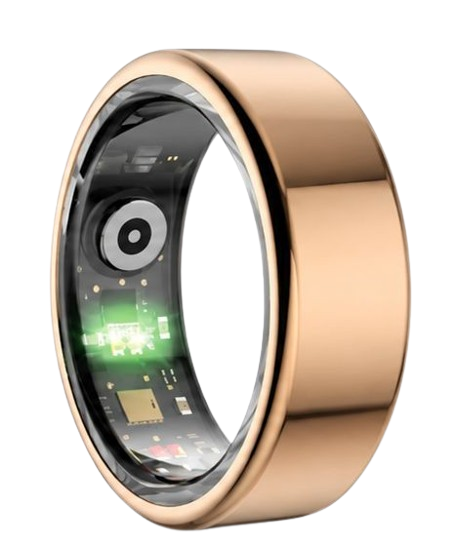
If you want to track how these postural adjustments affect your body in real time, the Herz P1 Smart Ring monitors your overnight physiological metrics 24/7 — explore it here.
90-Day 100% Money-Back Guarantee
“The Herz Smart Ring helps me manage stress easily. It’s accurate, stylish, and lightweight—perfect for my busy life!”
— Jennifer P. | ✔ Verified Customer
- ✓ 6-Day Battery Life
- ✓ Detailed Sleep Analysis
- ✓ Fast 1-Hour Charging
- ✓ iOS & Android Ready
Questions? Call: 1-866-479-1629
The Physiology of Sleeping With Arms Over Head and Breathing Dynamics
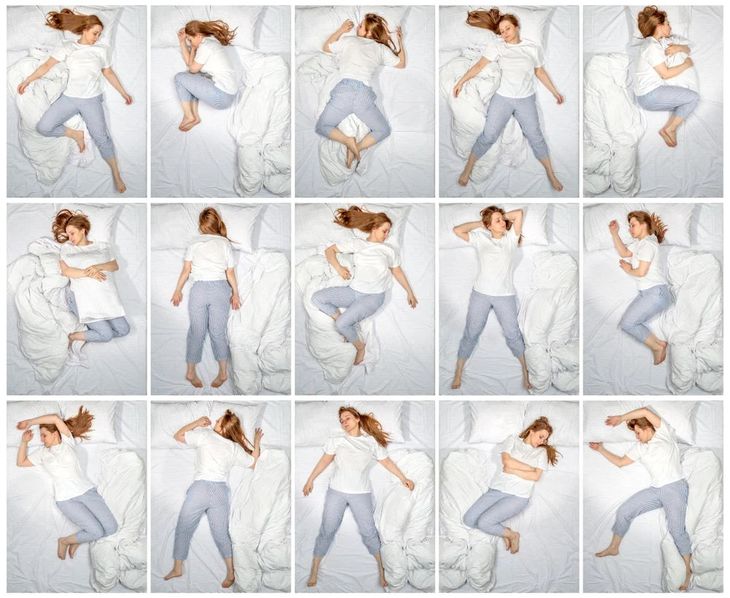
Anatomical research suggests a direct relationship between breathing resistance and sleeping with hands over head.
When you sleep on your back, gravity naturally pulls the tongue and soft palate toward the back of your throat.
This narrow airway can cause light snoring or brief drops in your blood oxygen saturation (SpO2) levels.
By raising your arms, you physically pull your rib cage upward and outward.
This movement activates the scalene and pectoralis minor muscles to assist with respiration.
The resulting chest expansion increases your lung volume and makes breathing far more efficient.
According to clinical data compiled by the National Sleep Foundation, overhead positioning can be a subconscious response to improve air exchange.
If you naturally gravitate toward popular sleeping positions that elevate your upper body, your respiratory drive is likely seeking this relief.
Using a smart wearable can help you see if your elevated arm posture correlates with stable overnight oxygen levels.
The Herz P1 Smart Ring tracks your SpO2 levels continuously throughout the night with optical sensors.
If your oxygen levels remain stable while sleeping with your arms up, your body is successfully managing its airway dynamics.
However, if you notice frequent dips in oxygen, your body may be working too hard to maintain proper airflow.
Understanding these patterns allows you to make informed decisions about your mattress, pillow height, and overall sleep hygiene.
Furthermore, this physiological adaptation highlights the complex intelligence of your autonomic nervous system.
Your brain monitors blood gas concentrations continuously during sleep.
If carbon dioxide levels rise even slightly, your brain initiates small movements to open the airway.
Raising your arms is one of the most mechanically effective ways to achieve this without waking you up entirely.
By monitoring these subtle changes, you can ensure your body is resting as deeply and efficiently as possible.
Nerve Compression and Circulatory Consequences of Sleep Arms Above Head
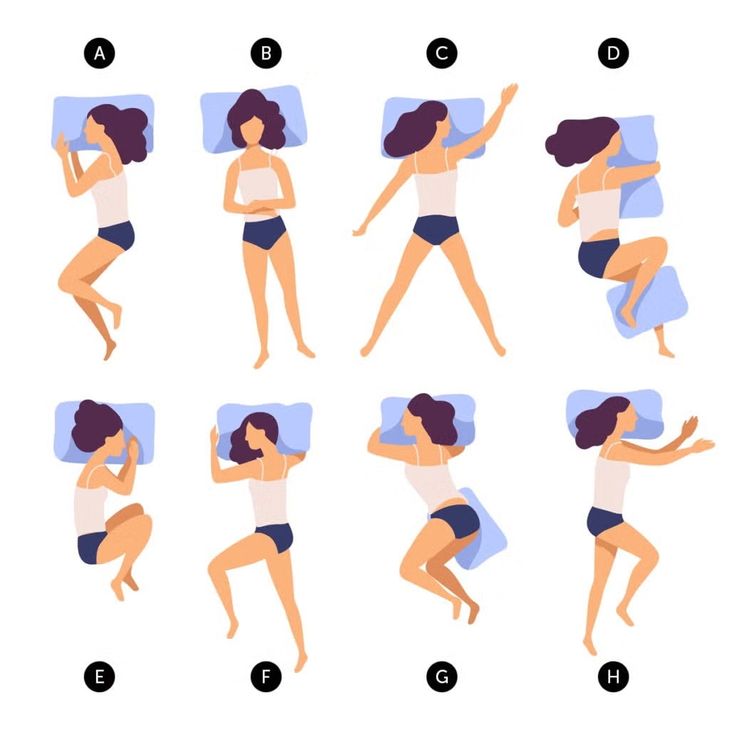
While sleeping with your arms elevated can assist with breathing, it may cause issues for your nerves and blood vessels.
If you often wake up with a tingling sensation, you should consider if is it bad to sleep with arms above head over long periods.
Keeping your shoulders fully rotated for hours can compress the brachial plexus nerve bundle.
This compression typically causes a temporary lack of sensation, often referred to as “sleep palsy” or paresthesia.
Over time, this habit can lead to chronic shoulder impingement or inflammation of the rotator cuff tendons.
The mechanical pressure is especially intense when you transition from a simple overhead pose to actually sleeping on arms.
Resting the weight of your head directly on your arm blocks blood flow and puts direct pressure on the radial nerve.
This is why some people wake up completely unable to move their fingers for several seconds.
Additionally, you might find yourself sleeping with one why do i lay my arm across my head, which creates an uneven strain on your neck.
This asymmetrical posture can pull your cervical vertebrae out of alignment, causing morning neck stiffness.
Your blood circulation also has to work against gravity when your hands are raised high above your heart.
The heart must pump blood upward into your elevated arms, which can lead to pooling in your shoulders.
This increased effort can subtly elevate your resting heart rate or lower your heart rate variability (HRV) during sleep.
HRV is a critical metric that reflects how well your nervous system is recovering from daily stress.
If your HRV drops during overhead sleep, it may indicate that your body is dealing with physical discomfort.
Tracking these cardiovascular responses is key to ensuring your preferred posture is truly restorative.
The Herz P1 Smart Ring measures your HRV and heart rate every five minutes, allowing you to see how your posture impacts your recovery.
Understanding Your Sleep Metrics and Posture With the Herz P1
Your sleep posture is closely linked to your autonomic nervous system and overall physical recovery.
Evaluating this connection requires detailed overnight data that shows how your body reacts in each position.
The Herz P1 Smart Ring makes it easy to track these subtle biometric relationships without the bulk of a typical smartwatch.
By measuring heart rate, HRV, and SpO2 levels continuously, the ring gives you a clear picture of your sleep architecture.
For instance, if you wake up with stiff shoulders, you can check your Herz P1 app to see your overnight movement index.
A high movement index suggests your body is tossing and turning, likely trying to escape nerve compression in your shoulders.
Conversely, a low movement index paired with low oxygen levels might suggest you are staying in an overhead position to keep your airway open.
This detailed data helps you identify the root causes of your sleep issues rather than just guessing.
The American Heart Association notes that consistent sleep tracking can help you spot early signs of physical strain or poor recovery.
Analyzing your metrics over a few weeks can help you determine if your overhead sleep style is supporting or hindering your rest.
If your deep sleep percentage drops when you sleep with your arms up, it may be time to adjust your mattress or pillow setup.
The Herz P1 app consolidates these complex data points into an easy-to-read daily Sleep Score.
This score combines sleep duration, efficiency, latency, and staging to give you a clear view of your overall rest quality.
With this information, you can make targeted changes to your sleep environment and track the results immediately.
Best of all, you can access these advanced tracking features without paying any monthly app subscription fees.
Practical Strategies to Track and Optimize Your Overnight Biometrics
If you find that sleeping with your arms raised is causing shoulder stiffness or numbness, you can make several simple adjustments.
First, evaluate your pillow height to ensure your neck remains in a neutral, supported position.
A pillow that is too low can cause your airway to narrow, prompting you to raise your arms to breathe easier.
Using a medium-loft contoured cervical pillow can help keep your neck aligned and your airway open naturally.
You can also place a small pillow under your knees if you sleep on your back.
This slight elevation tilts your pelvis back, relieving pressure on your lower spine and reducing the need to stretch your arms overhead.
If you prefer side sleeping, try hugging a body pillow to keep your shoulders and hips properly aligned.
A body pillow provides a comfortable resting place for your upper arm, preventing you from reaching overhead during the night.
Additionally, performing a light chest-opening stretch before bed can help release tight chest muscles.
Stretching your chest and shoulders for just five minutes can reduce the urge to stretch your arms upward while asleep.
As you try these different techniques, you can use the Herz P1 Smart Ring to see how they impact your sleep quality.
Check your nightly deep sleep and REM sleep stages in the Herz P1 app to determine which changes are most effective.
If your deep sleep duration increases and your overnight movement decreases, you have likely found the right solution.
Consistency is key to establishing healthier sleep habits and protecting your joints over time.
With the Herz P1, you have a reliable, long-term tool to monitor your progress and make data-informed decisions for your health.
Overcoming Common Sleep Tracking Hurdles: Ring vs. Bulky Wearables
Many people struggle to track their sleep effectively because traditional smartwatches are bulky and uncomfortable to wear to bed.
A heavy watch can press into your wrist, restrict blood flow, and even wake you up when you change positions.
This discomfort often leads users to stop wearing their tracker at night, leaving them with incomplete sleep data.
A smart ring, on the other hand, offers a lightweight, unobtrusive alternative that fits naturally into your sleep routine.
The Herz P1 Smart Ring is crafted from military-grade steel and weighs only a few grams, making it comfortable to wear all night long.
Its slim profile ensures it won’t catch on your sheets or disturb you, even if you sleep with your hands near your face.
Additionally, many wearable brands charge ongoing monthly fees to access your health data.
These hidden costs can make health tracking feel like an expensive, long-term commitment.
The Herz P1 App is free for life, providing full access to all your biometric trends without any subscription fees.
This combination of comfort and value makes the Herz P1 an ideal choice for anyone looking to optimize their sleep and recovery.
Frequently Asked Questions About Overhead Sleep and Biometric Tracking
Is the Herz P1 Smart Ring waterproof?
Yes, the Herz P1 features an IP68 waterproof rating, making it water-resistant up to 164 feet.
You can comfortably wear it while washing your hands, showering, or swimming without worrying about water damage.
This durable design ensures you can track your biometrics uninterrupted throughout your daily activities.
How long does the battery last on a single charge?
The Herz P1 battery lasts up to 6 days on a single charge, depending on your usage patterns.
It charges quickly, reaching 100% in under 1 hour using the included magnetic charging dock.
This long battery life means you spend less time charging and more time tracking your sleep and recovery.
Which finger is best to wear the smart ring on for sleep tracking?
For the most accurate biometric readings, we recommend wearing the Herz P1 on your index, middle, or ring finger.
These fingers have a richer vascular network, allowing the optical sensors to read your heart rate and SpO2 levels more clearly.
Ensure the ring fits snugly but comfortably to prevent it from rotating too much during the night.
Does the Herz P1 store my health data offline?
Yes, the Herz P1 can store up to 7 days of health and sleep data directly on the device.
This means you don’t need to keep your phone near your bed or leave Bluetooth on overnight to record your biometrics.
Once you open the app, your data will sync automatically, updating your historical charts and daily Sleep Score.
Conclusion: Empower Your Sleep Journey With Practical Insights
Sleeping with your arms overhead can be a helpful way to open your airway, but it may also cause nerve compression and shoulder stiffness over time.
Understanding these patterns and tracking your recovery is key to finding the healthiest balance for your body.
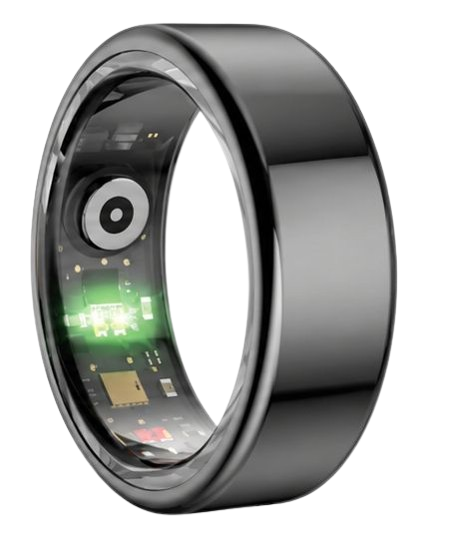
Ready to monitor your health every day? Explore the Herz P1 Smart Ring and see if it fits your lifestyle. Call: 1-866-479-1629 — our team can help you advise on the correct ring size and set personalized health goals.
Note: Individual results may vary depending on individual health conditions, age, and lifestyle habits. This article is intended for general health reference purposes only.
