

Many busy professionals wonder, can you make up for lost sleep after surviving a highly demanding workweek that limits overnight recovery. Recent clinical reports from the National Sleep Foundation reveal that over 62% of adults globally suffer from regular sleep deficits, leading to significant cumulative cardiac and cognitive strain. Our specialized team at Herz P1 has compiled extensive research along with precise biometric monitoring guidelines to help you understand if catching up is truly possible. This comprehensive guide exposes the physiological reality of sleep debt and provides advanced strategies to optimize your physical recovery.
Built to Last. Save Up to 69% Today.
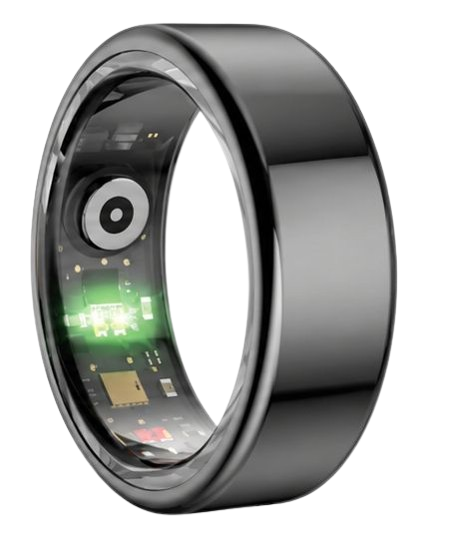
The Herz P1 Smart Ring tracks HRV, Sleep, Heart Rate & SpO2 around the clock. No subscriptions. No renewals. Ever.
In This Article
- The 5W2H Framework: An exhaustive scientific answer to the limits of sleep debt recovery.
- Neurological Compensations: How the brain prioritizes sleep stages during recovery cycles.
- Cardiovascular Consequences: Understanding systemic stress, metabolic strain, and resting heart rate changes.
- The Wearable Revolution: Why a precise smart ring outperforms bulky smartwatches in sleep tracking comfort.
Does Catching Up on Lost Sleep Really Work? Here’s What the Research Says

Understanding whether you can recover from a sleep deficit requires looking closely at how the brain manages rest.
Physiologists define sleep debt as the cumulative difference between the amount of sleep you need and the amount you actually get.
Many wonder if is catching up on sleep a real thing or simply a comforting psychological myth.
This question primarily affects busy corporate employees, shift workers, and active parents who regularly sacrifice sleep for daily responsibilities.
The biological need for recovery sleep peaks during weekends or holidays when individuals finally find the free time to rest longer.
This compensation typically occurs in your own home environment where you feel safe enough to enter a deep, restorative state.
The body triggers this recovery mechanism because chronic sleep loss disrupts cellular repair, immune response, and brain waste clearance.
When you sleep extra hours, your brain adapts by increasing the density of slow-wave sleep to fast-track physical recovery.
However, scientific research shows that recovering from sleep loss is a highly quantitative process.
For every single hour of sleep you lose, your brain requires up to four consecutive nights of optimal rest to fully normalize its cognitive baselines.
If you lose ten hours of sleep over a workweek, expecting to clear that debt with one long Saturday sleep is mathematically impossible.
To put this in perspective, scientific trials show that while a long sleep can reduce next-day sleepiness, cellular and metabolic markers require several days of regular rest to normalize.
If you want to track this in real time, the Herz P1 Smart Ring monitors your sleep trends and recovery metrics 24/7 — explore it here.
90-Day 100% Money-Back Guarantee
“The Herz Smart Ring helps me manage stress easily. It’s accurate, stylish, and lightweight—perfect for my busy life!”
— Jennifer P. | ✔ Verified Customer
- ✓ 6-Day Battery Life
- ✓ Detailed Sleep Analysis
- ✓ Fast 1-Hour Charging
- ✓ iOS & Android Ready
Questions? Call: 1-866-479-1629
How the Brain Compensates During Recovery: The Scientific Reality

To understand the biological limitations of catching up, we must examine the catching-up-on-sleep-myth from a clinical perspective.
Your sleep architecture is a delicate structure composed of light sleep, deep sleep, and Rapid Eye Movement (REM) phases.
When you experience acute sleep deprivation, your body alters the sequence of these stages to prioritize immediate physical survival.
During the first recovery night, the brain significantly increases the duration of deep slow-wave sleep.
This deep phase is vital because it triggers cellular energy restoration, tissue repair, and human growth hormone release.
However, this compensation means your REM sleep, which supports emotional processing and memory consolidation, is temporarily pushed aside.
You might wake up feeling physically rested, but your cognitive performance, creativity, and emotional regulation remain severely compromised.
This sleep stage imbalance is why relying on irregular recovery patterns creates long-term neurological deficits.
The National Sleep Foundation warns that maintaining consistent sleep schedules is far healthier than managing dramatic sleep debt cycles.
Furthermore, sleep deprivation places immense strain on your autonomic nervous system, locking you in a chronic stress state.
A healthy heart adjusts its beat-to-beat intervals dynamically in response to stress, which is measured as Heart Rate Variability (HRV).
When sleep debt accumulates, your HRV declines sharply, indicating that your body is trapped in a sympathetic, fight-or-flight state.
By tracking these subtle biometrics, you can visually observe how many days of clean living are required to restore autonomic equilibrium.
The Physiological Toll of Unpaid Sleep Debt on Your Cardiovascular System
The American Heart Association has long emphasized that poor sleep quality is a direct risk factor for metabolic and cardiovascular disease.
When you restrict your resting hours, your blood pressure fails to experience the natural nocturnal dipping required for arterial recovery.
This sustained blood pressure elevation inflicts micro-damage on your blood vessels over time, increasing systemic inflammation.
Additionally, your resting heart rate remains elevated throughout the night, depriving the cardiac muscle of vital, low-strain recovery.
Another critical metric to watch during sleep recovery is blood oxygen saturation (SpO2), which reflects respiratory efficiency.
During deep sleep, breathing can become shallow or obstructed, especially if your body is struggling with extreme muscular fatigue.
A drop in SpO2 below 95% indicates mild oxygen desaturation, which forces the heart to pump harder to supply vital organs.
Optical sensor technology in wearable devices plays an invaluable role in detecting these silent cardiovascular warning signs.
The Herz P1 Smart Ring utilizes advanced multi-wavelength photoplethysmography (PPG) to track these parameter changes continuously.
The ring projects green, red, and infrared light through the highly vascularized capillaries at the base of your finger.
Because the skin on the finger is much thinner than on the wrist, the PPG sensors achieve superior signal clarity.
The green LED tracks heart rate during daily movement, while the infrared LED captures deep heart rate variability metrics at night.
The red LED measures blood oxygen levels with an impressive accuracy margin of under 2% compared to medical pulse oximeters.
This ensures that you receive highly reliable cardiovascular data while you rest peacefully, with no subscription fees required.
A Data-Driven Guide to Recovering Wisely: How to Use Your Biometrics
If you are struggling with a hectic professional schedule, learning how to catch up on sleep debt is vital for long-term health.
The most effective strategy is not sleeping until noon on Sunday, which actually disrupts your internal circadian clock.
This behavior induces a state known as social jetlag, making it even harder to fall asleep on Sunday night.
Instead, we recommend adding one extra hour of sleep per night over several consecutive days to gradually reduce your debt.
You can also utilize strategically timed power naps during the day to restore mental alertness.
However, you might wonder, can you catch up on sleep by napping for hours in the afternoon?
The scientific answer is that naps should be limited to 20 or 30 minutes to avoid entering deep sleep stages.
Waking up from deep sleep during the day causes sleep inertia, leaving you feeling groggy and highly disoriented.
To manage this recovery process, understanding can you catch up on sleep effectively requires continuous daily tracking.
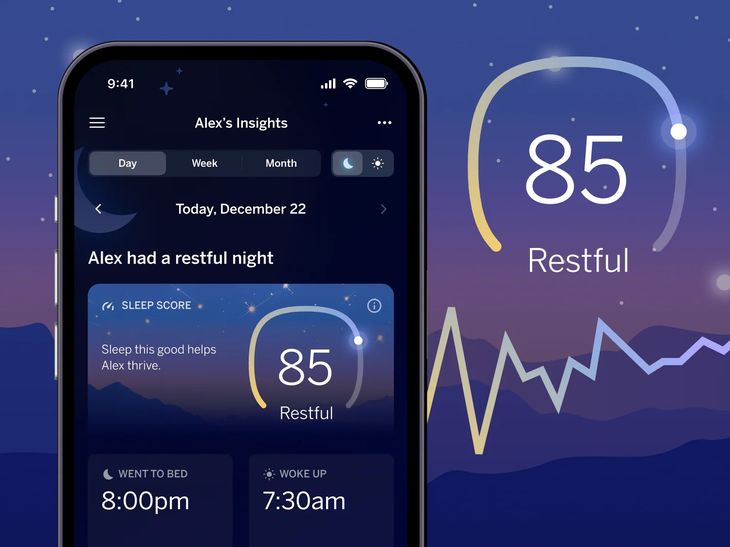
The Herz P1 App serves as an excellent companion by providing a clear, comprehensive Sleep Score every morning.
This score combines several complex metrics, including your sleep duration, sleep latency, and deep-to-REM sleep ratios.
When you open the app, look at your overnight HRV trend and resting heart rate first to gauge physical readiness.
If your resting heart rate is elevated and your HRV is low, your body is still actively paying off physiological debt.
On these low-readiness days, you should reduce exercise intensity and focus on restorative activities to prevent overtraining.
When your biometrics return to their optimal baseline, you can safely resume high-intensity workouts and challenging tasks.
Overcoming Recovery Pitfalls and Wearable Hardware Challenges
Many people make the critical mistake of wearing a heavy, bulky smartwatch to monitor their overnight sleep quality.
These large wrist devices frequently shift during the night, causing sensor misalignment and highly inaccurate sleep data.
Furthermore, the physical discomfort of wearing a heavy watch to bed can actually prevent you from entering deep sleep.
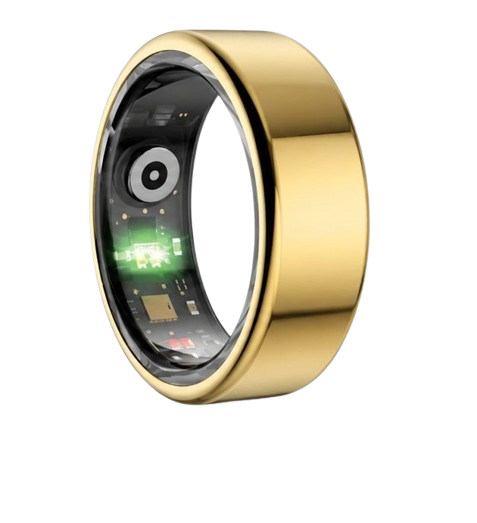
In contrast, the Herz P1 Smart Ring is crafted from military-grade steel and weighs practically nothing on your finger.
It sits comfortably and securely, ensuring uninterrupted optical contact and highly precise measurements throughout the night.
Another major pitfall in the wearable market is the hidden cost of ongoing software subscriptions.
Many popular health trackers lock your detailed biometric charts behind a monthly paywall, costing you extra money year after year.
At Team Herz P1, we believe your personal health data should belong to you without any artificial barriers.
This is why we provide our comprehensive sleep debt tracker app features completely free for life.
There are no monthly subscriptions, no locked metrics, and no hidden fees to worry about after your hardware purchase.
Our focus is entirely on helping you balance your sleep quality vs quantity for a healthier life.
By prioritizing daily consistency over chaotic weekend sleeping, you protect your long-term cardiovascular and cognitive health.
Frequently Asked Questions
Is the Herz P1 Smart Ring waterproof?
Yes, the Herz P1 Smart Ring features an advanced IP68 waterproof rating.
This rating ensures the ring is completely protected against water penetration up to a depth of 164 feet.
You can wear it safely while washing your hands, taking a hot shower, or swimming laps in the pool.
The seamless outer shell prevents any moisture from damaging the sensitive internal optical sensors.
How long does the battery last on a single charge?
The Herz P1 has a highly optimized battery that provides up to 6 days of continuous tracking.
This means you only need to charge your smart ring about once a week under normal usage conditions.
When the battery is low, it charges fully in under 1 hour using the included fast-charging cradle.
This rapid charging cycle ensures you rarely miss a single minute of sleep or activity tracking.
Which finger is the best choice to wear the ring on?
For the highest biometric accuracy, we recommend wearing the ring on your index finger.
The middle finger and ring finger on your non-dominant hand are also excellent alternative choices.
These fingers have prominent blood vessels near the skin surface, which optimizes the optical sensor readings.
Ensure the ring fits snugly but comfortably without rotating too freely during your daily movements.
Does the Herz P1 Smart Ring store my tracking data offline?
Yes, the ring is equipped with a secure local memory chip that stores up to 7 days of data offline.
If you travel without your phone or forget to sync, your sleep and heart rate data remain completely safe.
Once you open the companion app, the ring will automatically sync all stored history within seconds.
This feature guarantees that your biometric trend lines remain continuous and accurate at all times.
Conclusion
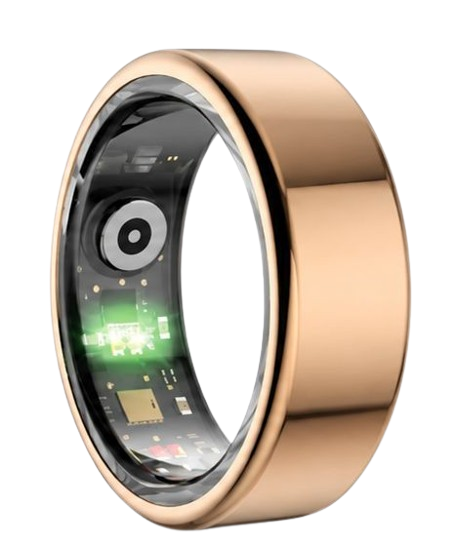
Tracking your sleep debt, HRV, and cardiac metrics is essential for modern wellness. The Herz P1 Smart Ring serves as a subscription-free, highly durable health companion that guides your daily physical recovery.
Ready to monitor your health every day? Explore the Herz P1 Smart Ring and see if it fits your lifestyle. Call: 1-866-479-1629 — our team can help you advise on the correct ring size and set personalized health goals.
Note: Individual results may vary depending on individual health conditions, age, and lifestyle habits. This article is intended for general health reference purposes only.
