

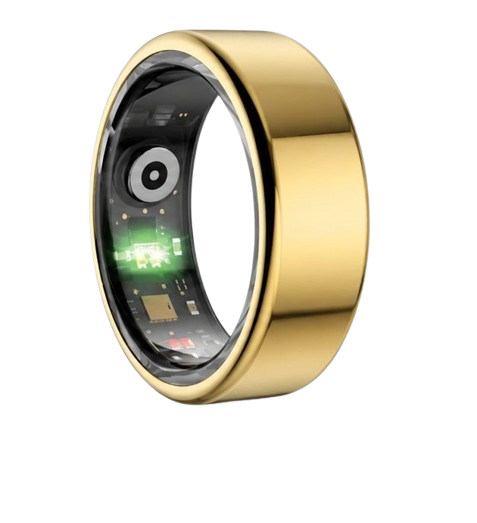
Modern life often leaves us running on empty, wondering if we can reverse the biological damage of a late night. Many people ask, can you catch up on sleep by napping safely to restore your energy and focus? By tracking your body’s subtle signals with the Herz P1 smart ring, you can scientifically analyze your recovery and find out if your quick naps are actually helping you heal.
Built to Last. Save Up to 69% Today.
The Herz P1 Smart Ring tracks HRV, Sleep, Heart Rate & SpO2 around the clock. No subscriptions. No renewals. Ever.
In This Article
- The science of sleep debt and whether napping can safely pay back your sleep deficit.
- How daytime naps alter your sleep architecture, including deep and REM sleep.
- How advanced biometric trackers monitor your heart rate variability (HRV) and SpO2 to calculate recovery.
- Practical guidelines to build the ultimate napping strategy without ruining nighttime rest.
- Why lightweight smart rings offer superior sleep tracking compared to heavy smartwatches.
Can You Catch Up on Sleep by Napping Safely? The 5W2H Scientific Breakdown

Understanding the physiological dynamics of sleep tracking requires looking at sleep debt through a scientific lens.
What is sleep debt and napping catch-up?
Sleep debt is the cumulative difference between the amount of sleep your body biologically requires and the actual amount you receive.
Napping to pay back sleep debt is the practice of utilizing short, structured daytime sleep periods to offset this systemic deficit.
Who is affected by this dynamic?
Busy professionals, shift workers, parents of newborns, and active athletes are the primary groups who suffer from chronic sleep deprivation.
Anyone looking to restore mental clarity, cardiac resilience, and immune function without ruining their daily productivity needs to understand this recovery mechanism.
When should you schedule a recovery nap?
The absolute best time to nap is during your body’s natural postprandial circadian dip, which typically occurs between 1:00 PM and 3:00 PM.
Napping after 4:00 PM is highly counterproductive because it diminishes your homeostatic sleep drive, making it incredibly difficult to fall asleep at night.
Where should your daytime recovery take place?
To ensure your brain waves transition smoothly into restorative stages, choose a cool, pitch-dark, and completely silent environment.
Eliminating ambient light and sudden noises prevents micro-arousals that slice your rest into shallow, useless fragments.
Why do we experience sleep debt and why does napping help?
As you stay awake, a chemical compound called adenosine continuously builds up in your brain, creating a mounting pressure to sleep.
Taking a safe, brief nap clears a portion of this accumulated adenosine, lowering your systemic stress and resetting your cognitive focus.
How does the brain process a daytime nap?
The central nervous system shifts down from fast beta waves to slower alpha and theta waves, initiating physical cell repair.
This physiological shift calms the overactive sympathetic nervous system, helping to normalize blood pressure and reduce circulating cortisol.
How much sleep debt can you actually pay back, and how many minutes should you nap?
A targeted 20-minute power nap is ideal for quick cognitive restoration without causing post-nap grogginess.
To recover deep physical tissue and emotional stability, a full 90-minute sleep cycle is required to safely complete both NREM and REM stages.
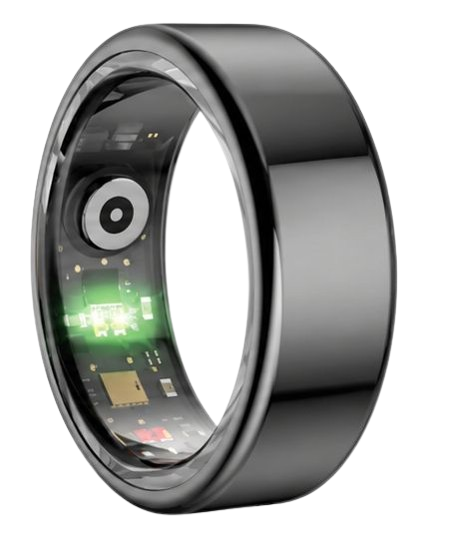
If you want to track this in real time, the Herz P1 Smart Ring monitors sleep cycles 24/7 — explore it here.
90-Day 100% Money-Back Guarantee
“The Herz Smart Ring helps me manage stress easily. It’s accurate, stylish, and lightweight—perfect for my busy life!”
— Jennifer P. | ✔ Verified Customer
- ✓ 6-Day Battery Life
- ✓ Detailed Sleep Analysis
- ✓ Fast 1-Hour Charging
- ✓ iOS & Android Ready
Questions? Call: 1-866-479-1629
Is Catching Up on Sleep a Real Thing? Sleep Architecture and Napping Mechanics
For decades, clinical sleep researchers have debated whether is catching up on sleep a real thing or just a temporary placebo effect.
Some prominent neurologists argue that you can never fully erase the cellular and inflammatory damage caused by repeated all-nighters.
However, strategic daytime naps are highly effective tools for managing does napping help sleep debt levels and preventing cumulative cognitive decline.
Relying blindly on a simplistic catching-up-on-sleep-myth can lead people to adopt highly irregular, unhealthy sleep schedules.
According to guidelines published by the National Sleep Foundation, humans require consistent nightly circadian rhythm alignment to maintain proper metabolic health.
When you attempt to can you make up for lost sleep, your brain immediately shifts its architectural priorities during subsequent sleep sessions.
During a daytime recovery nap, your brain will often bypass early light sleep stages to fast-track deep slow-wave sleep.
This deep sleep stage is crucial because the pituitary gland releases human growth hormone to repair muscle tissues and restore cellular energy.
The American Heart Association also emphasizes that poor, fragmented sleep directly correlates with increased vascular tension and elevated resting heart rates.
Therefore, using structured recovery naps to systematically manage your weekly sleep debt protects your cardiovascular system from chronic stress.
By viewing napping as a tactical recovery tool rather than a cure-all, you can safely balance your active lifestyle.
Tracking your body’s response is the only way to know if you can you make up for lost sleep without throwing off your entire internal biological clock.
Biometric Indicators of Sleep Debt: Analyzing HRV and SpO2 with a Smart Ring

Sleep deprivation leaves very clear, unmistakable physiological markers in your autonomic nervous system.
One of the most sensitive indicators of systemic stress and recovery is your Heart Rate Variability, or HRV.
When you have high sleep debt, your sympathetic nervous system dominates, causing your heart to beat with a rigid, highly regular rhythm.
This manifests as a significant drop in your HRV score, signaling to you that your body is physically exhausted and struggling to adapt.
Conversely, when you are well-rested, your parasympathetic nervous system takes over, resulting in a high, healthy HRV score.
Another critical biometric to track during recovery is your blood oxygen saturation, or SpO2, which should ideally stay between 95% and 100%.
Sustained drops in SpO2 during sleep can point to shallow breathing, poor sleeping positions, or underlying sleep apnea.
Advanced biometric tracking rings utilize multi-wavelength photoplethysmography (PPG) sensors to measure these metrics continuously.
Choosing a high-quality nap detection smart ring lets you capture every unexpected rest period without having to manually log it.
The device continuously monitors subtle changes in your heart rate, movement patterns, and blood flow to determine when you drift off.
This ensures that you collect highly accurate, uninterrupted nap data to help you make smarter recovery decisions.
With automatic nap tracking, you can immediately see how a simple 20-minute nap reduces physiological stress and stabilizes your cardiac metrics.
The Herz P1 Smart Ring utilizes premium red, infrared, and green optical sensors to track these biometrics with a margin of error under 2%.
How Long Is a Good Nap? Designing the Ultimate Napping Protocol
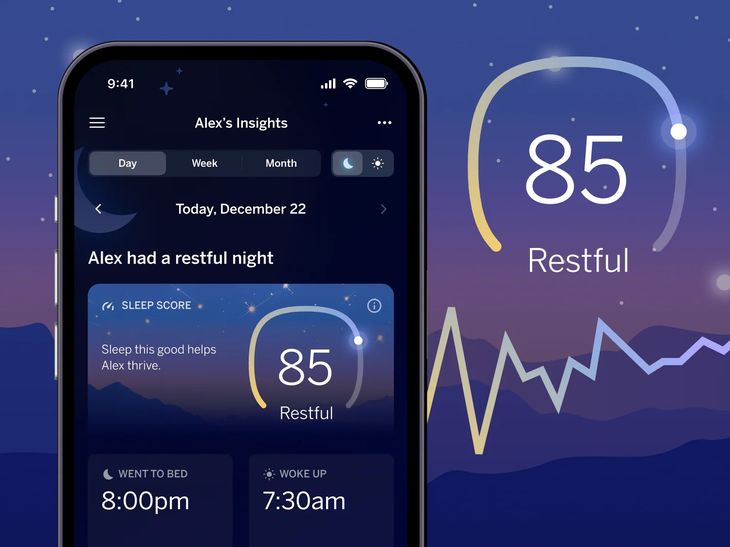
To maximize your recovery, you must understand exactly how long is a good nap for your specific daily goals.
A brief 15 to 20-minute power nap is the gold standard for restoring daytime alertness, focus, and motor learning.
This duration keeps you safely in light NREM sleep, allowing you to wake up easily without feeling groggy.
Waking up feeling disoriented and sluggish is known as sleep inertia, and it happens when you wake up during deep sleep.
If your schedule permits, a full 90-minute nap is highly beneficial because it matches the length of a natural sleep cycle.
During a 90-minute session, your brain completes light sleep, transitions into deep sleep, and finishes with rapid eye movement (REM) sleep.
This complete cycle helps clear heavy mental fatigue, boosts your creativity, and supports physical tissue repair.
You should avoid taking 45 to 60-minute naps because you are highly likely to wake up in the middle of slow-wave deep sleep.
Waking up during deep sleep interrupts vital recovery processes and leaves you feeling exhausted for hours afterward.
| Nap Duration | Primary Sleep Stages Reached | Best Use Case & Physiological Benefits |
|---|---|---|
| 15 – 20 Minutes | Stage N1 & N2 Light Sleep | Rapid alertness boost, clears daytime fatigue, zero sleep inertia. |
| 45 – 60 Minutes | Stage N3 Deep Slow-Wave Sleep | NOT recommended; causes severe sleep inertia and daytime grogginess. |
| 90 Minutes | Full Cycle (Light, Deep, & REM) | Excellent for intense sleep debt, muscle recovery, and creative focus. |
By closely monitoring your personalized nap data, you can find the perfect nap duration for your body.
The Herz P1 companion app organizes these metrics into clear, straightforward trends without hiding any features behind monthly paywalls.
Because the Herz P1 is constructed with military-grade steel, it is tough enough to withstand daily workouts, household chores, and heavy typing.
It also features a certified IP68 waterproof rating, allowing you to wash up, shower, or swim without ever taking it off.
This high-level durability ensures that you collect continuous, highly accurate health data around the clock.
Common Pitfalls: Why Bulky Smartwatches Fail at Sleep Tracking
Many health-conscious individuals try to track their sleep using bulky, oversized smartwatches.
These heavy devices often shift on your wrist overnight, leading to sensor misalignment and highly inaccurate sleep stage data.
The thick, sweaty silicone straps can also cause skin irritation and physical discomfort, which actively ruins your sleep quality.
Furthermore, many popular smartwatches require daily charging, forcing you to choose between tracking your sleep or charging your device overnight.
Another major frustration with high-end wearables is the hidden cost of ongoing monthly app subscriptions.
We believe that your personal health data belongs to you completely, and you should never have to pay a monthly fee to view it.
The Herz P1 Smart Ring requires absolutely zero monthly subscription fees, offering you full lifetime access to its advanced companion app.
Its sleek, ultra-lightweight design feels just like a traditional ring, ensuring maximum comfort all night long.
This lets you monitor your sleep staging, resting heart rate, and daily recovery trends completely stress-free.
Frequently Asked Questions About Smart Rings & Sleep Recovery
This medical-grade protection allows the ring to be safely submerged in water up to 164 feet (50 meters) deep.
You can confidently wear it while swimming laps, taking hot showers, washing hands, or sweating through intense workouts.
The seamless, hermetically sealed inner lining protects the internal PPG optical sensors from water damage, ensuring uninterrupted biometric tracking.
This includes constant heart rate monitoring, HRV calculations, SpO2 measurements, and automatic sleep staging.
When the battery runs low, the ring charges fully in under 1 hour using the included magnetic charging dock.
This long battery life eliminates the daily charging anxiety that is common with standard smartwatches.
The index finger generally has the most robust blood flow close to the skin, which provides the cleanest optical PPG signal.
Make sure the ring fits snugly but comfortably without rotating loosely around your finger during daily hand movements.
If you are in between sizes, choosing the larger size is recommended to accommodate natural finger swelling that occurs overnight.
This means you do not need to keep your smartphone connected via Bluetooth at all times to avoid losing your tracking.
The next time you open the free companion app, the ring will automatically sync all stored sleep, heart rate, and activity logs in seconds.
This offline feature is highly convenient for travel, outdoor camping, or keeping your phone out of the bedroom for better sleep hygiene.
Conclusion
Safely catching up on sleep is entirely possible when you use precise, objective biometric data to guide your daytime naps.
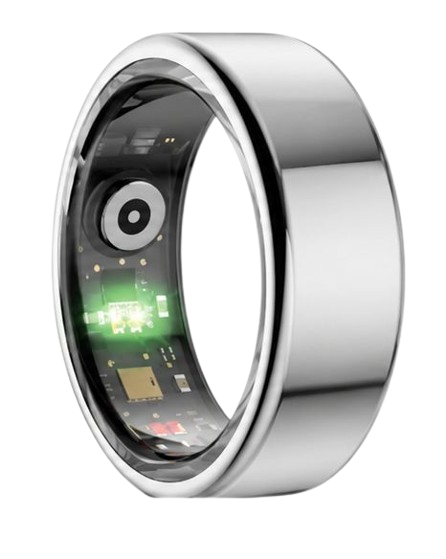
The Herz P1 Smart Ring removes the guesswork by tracking your exact sleep stages, heart rate variability, and oxygen saturation.
Ready to monitor your health every day? Explore the Herz P1 Smart Ring and see if it fits your lifestyle. Call: 1-866-479-1629 — our team can help you advise on the correct ring size and set personalized health goals.
