

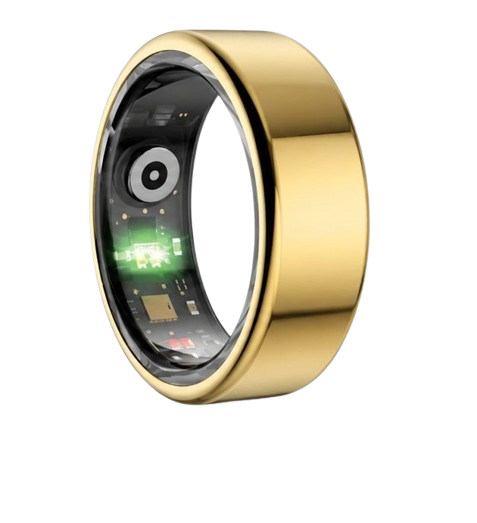
Do you struggle to track your afternoon power naps accurately on a bulky smartwatch? Finding a reliable nap detection smart ring is the ultimate solution for health-conscious individuals who want to optimize their daytime recovery without wearing heavy wrist-based devices. Team Herz P1 designed an advanced, military-grade steel tracker that automatically monitors physical recovery metrics around the clock with zero subscription fees.
Built to Last. Save Up to 69% Today.
The Herz P1 Smart Ring tracks HRV, Sleep, Heart Rate & SpO2 around the clock. No subscriptions. No renewals. Ever.
In This Article
- How to Optimize Daytime Sleep Tracking: Master the specific steps needed to capture every minute of rest on your smart ring.
- The Biometric Science of Nap Detection: Understand how optical sensors read shifts in your heart rate and movement.
- Using Sleep Data to Boost Recovery: Learn how daytime rest helps manage your daily physical readiness scores.
- Avoiding Wearable Pitfalls: Discover why slim rings outperform heavy smartwatches for sleep tracking.
How to Track Daytime Rest with Automatic Nap Detection on a Smart Ring: A Step-by-Step Guide

To accurately record daytime sleep, your wearable device relies on precise environmental and physiological conditions.
You do not need to manually press start on a timer to track these periods of rest.
Instead, follow this comprehensive configuration guide to ensure your device never misses a single recovery session.
Step 1: Achieve the Perfect Fit for Optical PPG Sensor Alignment
Select a finger that ensures the ring fits snugly without sliding around during minor hand movements.
The sensors must remain in constant contact with the palm side of your finger to register heart rate drops.
If the ring rotates too freely, the optical pathway will break, resulting in missed sleep logs.
Avoid placing the ring on fingers with prominent knuckles that cause the device to hover away from the skin.
We recommend using the index or middle finger of your non-dominant hand for the highest signal fidelity.
Step 2: Maintain Consistent Ring Placement During Rest
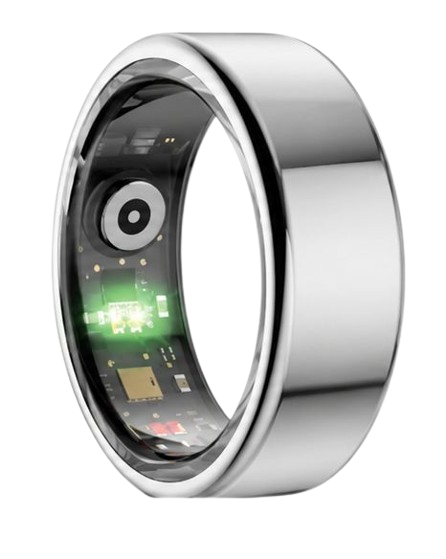
Keep the three raised sensor bumps positioned on the underside of your finger before you lie down to rest.
This placement aligns the light-emitting diodes directly over the digital arteries for uninterrupted vascular readings.
If the ring shifts to the side, daylight can leak into the sensor window and distort the reading.
Ensure your finger is clean, dry, and free of heavy lotions that could diffuse the optical signal.
A stable optical connection is the foundation of flawless automatic nap tracking.
Step 3: Allow the Parasympathetic System to Lower Your Heart Rate
Take slow, deep breaths to help transition your autonomic nervous system from active to relaxed state.
Your ring checks for a marked drop in heart rate as the primary physiological indicator of day-time sleep onset.
Knowing what sleep latency means helps you understand how quickly your body slows down during this phase.
If your heart rate remains elevated due to recent stress, the ring may only log the time as quiet rest.
Lie down comfortably and focus on physical relaxation to help the ring register this metabolic transition.
If you wonder how long should it take to fall asleep during a nap, normal healthy latency typically ranges from ten to twenty minutes.
Step 4: Maintain Immobility for at Least Ten Minutes
Keep your hands still as you drift off to prevent the onboard accelerometer from resetting the sleep timer.
The movement detection algorithm requires a sustained period of quiet inactivity to confirm you are sleeping.
Tossing, turning, or scrolling on your phone will signal to the device that you are still wide awake.
Position your hands comfortably at your sides or resting on your chest to keep motion artifacts to a minimum.
Once the ring detects zero movement alongside a lower pulse, it initiates the automatic logging process.
Step 5: Sync the Wearable to the Mobile Application
Open the companion app on your smartphone after waking up to allow the ring to transfer its cached data.
The ring stores your physical biometrics locally on its internal chip until a Bluetooth connection is established.
Allow the sync progress bar to complete fully before closing the application or moving out of range.
You can then view your custom nap data, including heart rate trends and overall recovery impact.
Reviewing this information daily helps you understand how daytime recovery sessions balance your metabolic needs.
The Herz P1 Smart Ring streamlines this entire process by utilizing a high-precision 9-axis sensor array that monitors your vitals with clinical accuracy.
Because the Herz P1 requires no monthly subscription fees, you enjoy unlimited lifetime access to advanced sleep and recovery dashboards.
Simply wear the ring, enjoy your afternoon rest, and let Team Herz P1 handle the complex bio-analytics for you.
The Biometric Science of Day-Time Sleep Onset Detection

Smart rings utilize photoplethysmography technology to bounce light waves off your blood vessels.
As you fall asleep, the parasympathetic nervous system becomes dominant and alters your cardiovascular baseline.
According to research highlighted by the National Sleep Foundation, your resting heart rate drops notably during transitions to sleep.
The smart ring registers this cardiac deceleration alongside an increase in Heart Rate Variability.
At the same time, the integrated 3-axis accelerometer tracks the absence of physical movement.
By combining cardiac deceleration with physical stillness, the ring confirms daytime sleep without manual inputs.
A temporary dip in blood oxygen saturation levels can also validate that your body has entered a deeper state of physical rest.
The combination of these physiological shifts allows the system to differentiate a nap from simple couch relaxation.
If you only watch television, your heart rate remains steady, and your breathing pattern does not exhibit sleep characteristics.
The smart ring uses these precise multi-sensor inputs to avoid logging false sleep sessions during sedentary activities.
How Daytime Rest Offsets Sleep Debt and Enhances Readiness
Many individuals accumulate a massive sleep deficit due to busy work schedules and early mornings.
A smart ring equipped with a sleep debt tracker app helps you calculate how much recovery time your body is missing.
Taking a brief, structured afternoon rest can actively reduce this cumulative deficit.
If you are wondering how long is a good nap, sleep researchers suggest aiming for twenty to thirty minutes.
This duration provides restorative benefits without letting you sink into deep slow-wave sleep.
Waking up from deep sleep often causes sleep inertia, leaving you feeling groggy and disoriented.
The American Heart Association notes that brief rest periods help lower blood pressure and reduce cardiovascular strain.
By capturing these rest intervals, your smart ring adjusts your daily readiness score upward.
An updated readiness score tells you if you have the physical capacity for a high-intensity workout or a demanding workday.
Tracking these recovery moments ensures your overall health profile reflects true physical restoration.
Optimizing Your Daily Schedule with Real-Time Recovery Metrics

Your smart ring collects complex biological markers and compiles them into an easy-to-read mobile interface.
When you open the Herz P1 application, you see a comprehensive breakdown of your daytime recovery metrics.
You can observe exactly how much your heart rate dropped during your rest period.
A lower heart rate during a nap indicates that your cardiovascular system successfully rested and repaired itself.
The app also monitors your SpO2 levels to ensure your breathing remained stable throughout the session.
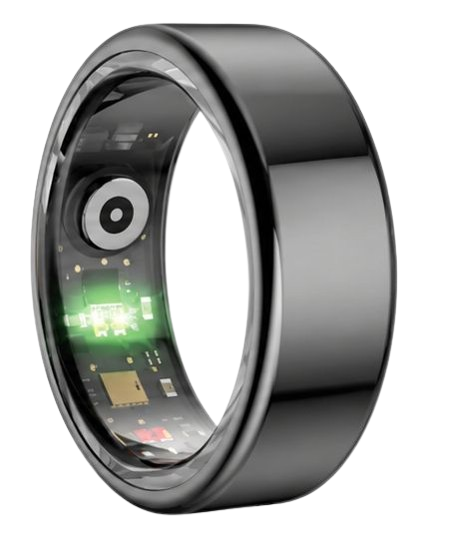
Because the Herz P1 ring is exceptionally lightweight and comfortable, you can wear it 24/7 without feeling restricted.
Unlike bulky wristwear that presses into your skin, the sleek military-grade steel ring feels completely unnoticeable.
This continuous comfort encourages consistent wear, ensuring every single recovery window is captured.
You can use these daily insights to plan your workouts, meetings, and evening wind-down routines.
Using real-time data allows you to make proactive, intelligent choices for your long-term health.
Addressing Common Tracking Pitfalls and Eliminating Hidden Costs
Many people find wearing a heavy smartwatch to bed highly uncomfortable.
Bulky watches can press against your face or wrist, causing micro-arousals that disrupt your sleep quality.
Additionally, smartwatches often suffer from poor battery life, requiring daily charging that interrupts your tracking.
A smart ring solves these issues by offering a miniature form factor that charges fully in less than an hour.
However, many smart ring brands on the market charge expensive, recurring monthly subscription fees.
Paying a monthly fee just to access your own biometric data can quickly become frustrating.
The Herz P1 Smart Ring completely eliminates these hidden costs by offering a 100% free app forever.
You purchase the hardware once and get lifetime access to all advanced sleep, HRV, and stress tracking tools.
With a 2-year warranty and a 90-day money-back guarantee, you can test the device with absolute peace of mind.
Choosing a subscription-free, durable ring ensures you get maximum value while taking control of your health.
Frequently Asked Questions About Automatic Nap Detection
Yes, the Herz P1 features an IP68 waterproof rating, making it completely safe for daily use in water.
You can wear it while washing your hands, taking a shower, swimming, or walking in heavy rain.
It is designed to withstand depths of up to 164 feet, ensuring complete durability in wet environments.
The advanced lithium-polymer battery inside the Herz P1 lasts up to 6 days on a single charge.
When the battery runs low, you can charge it back to 100% in under 1 hour using the included magnetic charger.
This long battery life ensures continuous, uninterrupted sleep tracking throughout the entire week.
We recommend wearing the smart ring on your index, middle, or ring finger for the most accurate sensor readings.
The index finger of your non-dominant hand typically offers the best blood flow and minimal movement interference.
Make sure the inner sensor bumps remain positioned on the palm side of your finger for stable tracking.
Yes, the ring has built-in local memory that stores your biometric data offline for up to 7 days.
You do not need to keep your smartphone nearby or connected to Bluetooth while you sleep or exercise.
Once you open the app, all stored data syncs automatically to your dashboard without any loss of detail.
90-Day 100% Money-Back Guarantee
“The Herz Smart Ring helps me manage stress easily. It’s accurate, stylish, and lightweight—perfect for my busy life!”
— Jennifer P. | ✔ Verified Customer
- ✓ 6-Day Battery Life
- ✓ Detailed Sleep Analysis
- ✓ Fast 1-Hour Charging
- ✓ iOS & Android Ready
Questions? Call: 1-866-479-1629
Conclusion
Tracking daytime rest is a highly effective way to optimize your recovery and reduce sleep debt.
The subscription-free Herz P1 Smart Ring offers continuous biometric accuracy in a sleek, military-grade steel design.
Ready to monitor your health every day? Explore the Herz P1 Smart Ring and see if it fits your lifestyle. Call: 1-866-479-1629 — our team can help you advise on the correct ring size and set personalized health goals.
Note: Individual results may vary depending on individual health conditions, age, and lifestyle habits. This article is intended for general health reference purposes only.
