

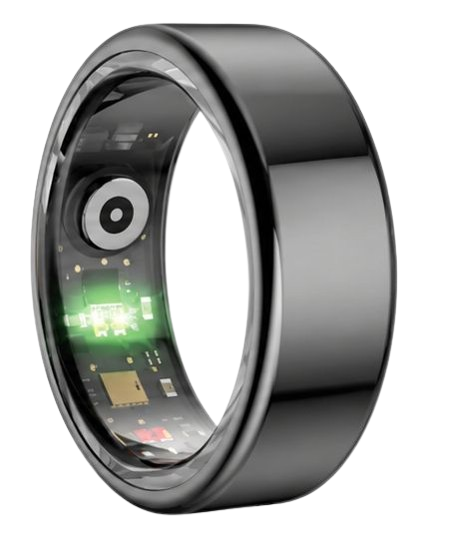
According to clinical studies by the American Heart Association, keeping a close eye on your resting pulse can prevent cardiovascular complications, yet many are confused by unexplained resting heart rate changes from day to day. To solve this common mystery, Team Herz P1 created the advanced, subscription-free Herz P1 Smart Ring to translate complex biometric markers into clear, actionable daily health insights.
Built to Last. Save Up to 69% Today.
The Herz P1 Smart Ring tracks HRV, Sleep, Heart Rate & SpO2 around the clock. No subscriptions. No renewals. Ever.
In This Article
- Understand the fundamental biological drivers behind daily resting heart rate fluctuations.
- Explore how psychological stress, recovery, and sleep stages shift your cardiovascular baseline.
- Learn how to use continuous biometric tracking to predict incoming illness or fatigue.
- Discover easy, practical lifestyle habits to optimize your daily heart performance and recovery.
Why Does Your Resting Heart Rate Change Daily? Here Is What the Research Says
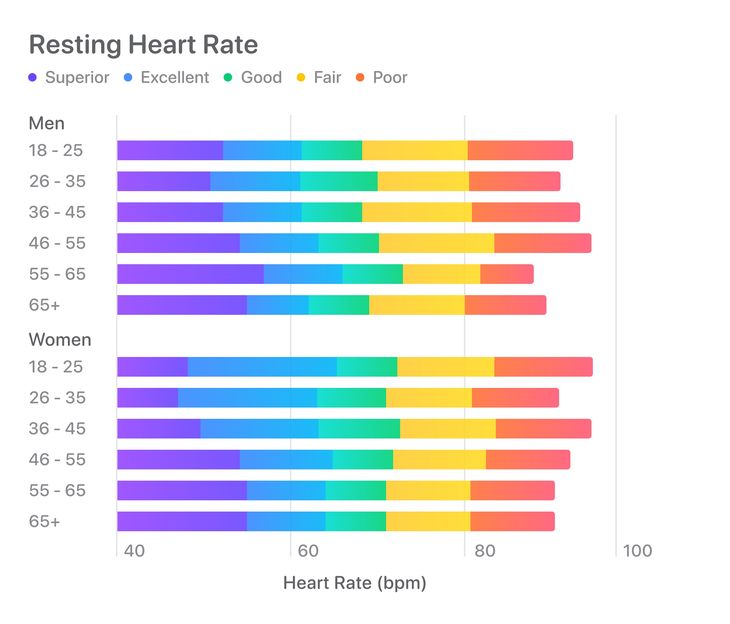
Your resting heart rate represents the minimum number of times your heart beats per minute when your body is in a state of absolute physiological rest.
This vital metric acts as an immediate window into your overall cardiovascular efficiency, metabolic activity, and nervous system balance.
Anyone who tracks their wellness metrics will quickly observe that this daily baseline is rarely a static number.
Busy office workers, active fitness enthusiasts, and individuals recovering from high-stress periods all experience these natural fluctuations.
These shifts typically manifest during your deepest sleep stages or immediately upon waking in the morning before physical movement begins.
The physical control center for these adjustments is located in the sinoatrial node, which is the heart’s natural pacemaker located in the upper right chamber.
This node constantly receives electrical signals from your brain to speed up or slow down blood circulation based on immediate survival needs.
Your pulse fluctuations occur daily because your body must dynamically adapt to external environmental variables and internal metabolic changes.
Even minor changes in hydration, digestive demand, atmospheric temperature, and hormonal levels require immediate circulatory compensation.
To stabilize blood pressure, your heart adjusts its rate of contraction using a sophisticated feedback loop that operates entirely below your conscious awareness.
Under normal conditions, a daily variation of three to seven beats per minute is completely healthy and indicates a highly adaptive cardiovascular system.
However, an unexpected overnight spike of ten beats per minute or more usually points to systemic stress, dehydration, or an overtaxed immune system.
If you want to track this in real time, the Herz P1 Smart Ring monitors these metrics 24/7 — explore it here.
Hydration, Fluid Volume, and Circulatory Dynamics
Water plays a vital role in maintaining the total volume of blood circulating through your arteries and veins.
When you consume insufficient water throughout the day, your plasma levels drop and your blood becomes slightly thicker.
This reduced volume means your heart has to work much harder to pump the same amount of oxygenated blood to your brain and vital organs.
To maintain stable cardiac output, your heart rate must increase to make up for the lower stroke volume of each contraction.
This compensatory mechanism is often the direct reason why did my resting heart rate increase after a busy day with low fluid intake.
Conversely, maintaining optimal hydration keeps your blood volume high, allowing your heart to pump efficiently at a much lower resting pulse.
The Hidden Cardiovascular Work of Late-Night Digestion
The timing of your meals is another major factor that directly influences your overnight cardiovascular trends.
When you consume a large, heavy meal close to your bedtime, your gastrointestinal tract requires immense energy to break down the food.
Your nervous system must redirect a significant portion of your total blood volume toward your stomach and intestines to assist with digestion.
To facilitate this massive internal redistribution of blood, your heart must beat faster and more forcefully throughout the night.
This elevated digestive workload prevents your cardiovascular system from entering its natural recovery state during sleep.
Consequently, your heart rate remains elevated for hours, leading to poor sleep quality and a higher morning baseline.
By avoiding heavy meals within three hours of sleep, you can easily minimize these digestive-related resting pulse fluctuations.
Physical Overexertion and Systemic Muscle Repair
Physical exercise is fantastic for your long-term cardiovascular health, but it acts as an acute stressor on your muscle tissue.
When you complete a challenging workout, your muscle fibers experience micro-tears that require active cellular reconstruction.
Your immune system immediately initiates a localized inflammatory response to repair this tissue and build stronger fibers.
This complex physiological healing process demands a continuous supply of oxygen, amino acids, and vital hormones to the affected areas.
To meet this increased metabolic demand, your heart must maintain an elevated rate of circulation even while you are resting.
This healing response is a primary factor in what affects resting heart rate over a multi-day recovery window.
If you fail to give your body enough recovery time between intense workouts, your resting pulse will remain consistently elevated.
This persistent elevation is a clear warning sign of overtraining, indicating that your muscles and nervous system require rest.

90-Day 100% Money-Back Guarantee
“The Herz Smart Ring helps me manage stress easily. It’s accurate, stylish, and lightweight—perfect for my busy life!”
— Jennifer P. | ✔ Verified Customer
- ✓ 6-Day Battery Life
- ✓ Detailed Sleep Analysis
- ✓ Fast 1-Hour Charging
- ✓ iOS & Android Ready
Questions? Call: 1-866-479-1629
The Autonomic Dance: How Stress and Recovery Shape Your Pulse
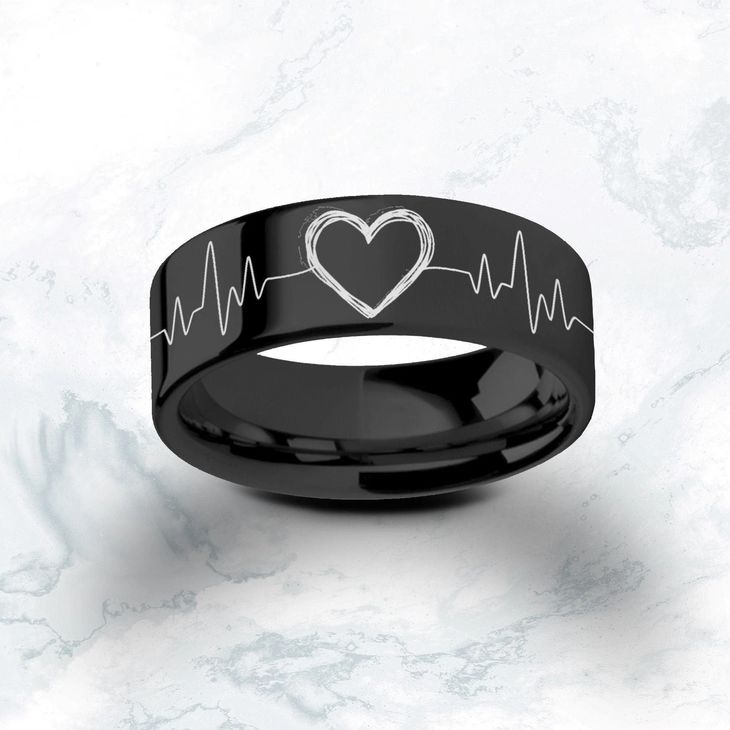
Your brain regulates your daily heart function through a sophisticated network called the autonomic nervous system.
This internal control system operates automatically to keep your body balanced and responding to daily challenges.
The system is split into two complementary branches that behave like an accelerator pedal and a braking system.
The sympathetic nervous system acts as the accelerator, triggering your survival-based fight-or-flight responses.
When this branch is active, it releases hormones like adrenaline and cortisol to increase blood flow and quicken your pulse.
The parasympathetic nervous system serves as the braking mechanism, facilitating your recovery through rest-and-digest actions.
This branch relies on the vagus nerve to release acetylcholine, a chemical messenger that gently slows your heart down.
When you experience psychological stress at work, your sympathetic nervous system stays in a state of high alarm.
This prolonged activation prevents your parasympathetic system from stepping in to slow your pulse during rest periods.
As a result, your heart continues to pump rapidly overnight, and you may wake up with a resting heart rate higher than normal.
Chronic mental stress maintains this sympathetic dominance, leading to persistent elevations in your daily cardiovascular baseline.
You might wonder why would my resting heart rate be elevated even on days when you did not perform heavy exercise.
The answer lies in this mental stress, which your body interprets as a physical threat requiring high circulatory readiness.
A resilient, fully recovered heart should exhibit natural micro-variations in the time intervals between each consecutive beat.
This phenomenon is known as heart rate variability, or simply variable heart rate.
When you are relaxed and healthy, your parasympathetic nervous system is highly active, producing high variability between beats.
When you are stressed, your heart beats in a highly rigid, metronome-like pattern with very low variability.
The Herz P1 Smart Ring tracks these subtle microsecond variations continuously while you sleep using multi-wavelength PPG sensors.
By analyzing this balance between stress and recovery, we help you understand exactly when to push yourself and when to rest.
Immune Responses and Environmental Shifts: Unpacking Sudden Daily Spikes
Your immune system is highly energetic and demands vast physiological resources when fighting off a pathogen.
When your body detects an incoming virus or bacterial infection, it immediately goes into a high-defense mode.
The immune system releases inflammatory proteins called cytokines to coordinate a systemic defense strategy.
This defensive state increases your core body temperature and accelerates your internal metabolic rate.
To deliver essential immune cells and oxygen to your tissues, your heart must pump blood at a faster rate.
This physiological demand is the reason why people experience an elevated heart rate when sick, even during early subclinical stages.
Many Herz P1 users report seeing a noticeable rise in their overnight sleeping pulse before they develop any physical symptoms.
This early biometric warning allows you to take immediate action by canceling heavy workouts and maximizing rest.
Environmental factors in your bedroom also heavily impact your heart’s overnight workload and recovery efficiency.
If your bedroom is too warm, your body must work actively to shed excess heat and maintain a stable core temperature.
It achieves this thermoregulation by dilating blood vessels in your skin and increasing your sweat rate.
This additional work forces your heart to beat faster throughout the night, causing a high heart rate in the morning.
Additionally, lifestyle choices like drinking alcohol can severely disrupt your autonomic balance during sleep.
Even a single drink before bed can cause your resting heart rate suddenly increased by several beats per minute.
The liver requires highly oxygenated blood to break down alcohol toxins, which keeps your cardiovascular system working overtime.
By monitoring these shifts on the Herz P1 App, you can easily optimize your bedroom environment and lifestyle choices.
The Herz P1 Biometric Action Guide: Turning Pulse Trends Into Daily Progress
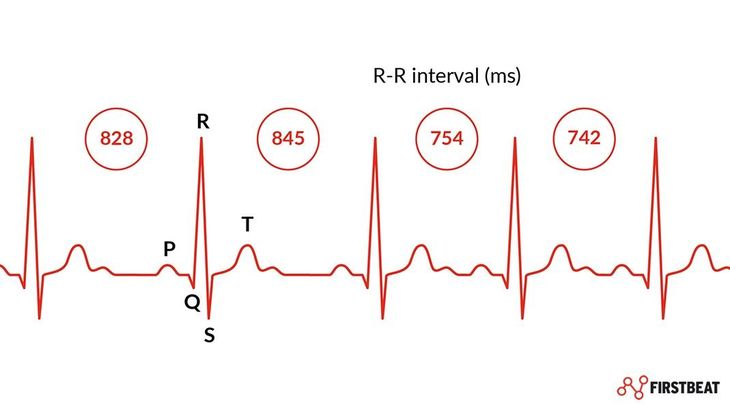
Biometric data is only useful when you understand how to translate it into practical, everyday lifestyle changes.
The Herz P1 App takes your continuous heart rate and HRV measurements and turns them into a single Readiness Score.
This daily score helps you quickly determine if your body is primed for action or in desperate need of recovery.
Every morning, you should check the relationship between your resting heart rate and your overnight HRV score.
If your resting pulse is lower than your personal baseline and your HRV is high, your autonomic system is fully recovered.
This optimal balance is a clear green light to take on challenging physical workouts or highly demanding mental projects.
If you see a higher resting pulse combined with a lower HRV, your body is telling you that it is currently overloaded.
On these low-readiness days, you should focus on active recovery strategies, light walking, and early bedtimes.
Many people struggle to track these metrics consistently because traditional smartwatches are too bulky to wear to sleep.
These heavy devices frequently shift on your wrist, causing sensor gaps and highly inaccurate nightly data collection.
The Herz P1 Smart Ring solves this comfort issue with its lightweight, sleek, and ergonomic military-grade steel design.
It sits comfortably at the base of your finger, where the blood vessels are highly accessible for optical sensors.
This continuous contact allows the Herz P1 to establish an incredibly reliable personal baseline of your health metrics.
You can use this accurate baseline to experiment with different evening routines, like adjusting your last mealtime.
Most users find that eating dinner at least three hours before bed leads to a lower overnight resting pulse and better recovery.
Overcoming Wearable Pitfalls: Heavy Wrist Trackers and Hidden App Fees
A major mistake health-conscious individuals make is relying on heavy wrist-worn trackers for continuous overnight monitoring.
These large, bulky smartwatches frequently slide around during sleep, resulting in fragmented and highly unreliable data packets.
The constant physical irritation from tight silicone bands can also disrupt your natural sleep stages without your conscious awareness.
Additionally, the wearable technology market is currently crowded with hidden costs and mandatory monthly fees.
Several premium brands require you to pay a continuous subscription fee just to look at your personal biometric trends.
Our team believes that you should never have to pay a recurring toll to access your own personal health data.
The Herz P1 Smart Ring App is completely free for life, with absolutely zero subscription or hidden fees required.
By eliminating monthly payments, we ensure that top-tier health monitoring remains an accessible, one-time investment.
Some users also worry that a ring might be too fragile to survive their active, hands-on lifestyle.
Many standard smart rings scratch very easily or fail when exposed to water during daily household activities.
The Herz P1 is constructed from military-grade steel, making it exceptionally resistant to scratches, dents, and impacts.
With its certified IP68 waterproof rating, you can wash dishes, take showers, and swim without ever taking it off.
Frequently Asked Questions About Resting Heart Rate and Smart Rings
Is the Herz P1 Smart Ring waterproof?
Yes, the Herz P1 features a certified military-grade IP68 waterproof rating.
This rating ensures the ring is completely protected against fine dust and continuous water submersion up to 164 feet.
You can safely wear the ring while swimming laps in a pool, showering, washing your hands, or washing dishes.
The hermetically sealed steel casing protects the advanced internal sensors from water damage in any daily scenario.
How long does the Herz P1 battery last on a single charge?
The Herz P1 battery is designed to last up to six full days under standard continuous monitoring conditions.
This exceptional battery life means you only need to charge your ring about once a week.
When the battery is low, the ring charges from zero to one-hundred percent in under one hour.
This rapid charging capability ensures you never have to miss a single night of valuable sleep stage tracking.
Which finger is best to wear the smart ring on?
For the absolute highest optical sensor accuracy, we recommend wearing the Herz P1 on your index finger.
The index finger contains highly accessible blood vessels near the skin surface, which is ideal for PPG sensors.
However, the middle finger and ring finger are also excellent, highly accurate options for daily wear.
Ensure the ring fits snugly but comfortably without rotating freely when you shake your hand.
Does the Herz P1 store health data offline?
Yes, the Herz P1 features seven days of secure, localized onboard memory storage.
This allows you to sleep, exercise, or travel without keeping your smartphone nearby or connected via Bluetooth.
When you open the companion app, the ring will automatically sync all stored data and update your history.
This offline feature ensures that your cardiovascular and sleep data remains continuous and complete at all times.

Conclusion
Daily resting heart rate changes are natural signals from your autonomic nervous system.
By monitoring these trends with the Herz P1, you gain actionable insights to optimize your wellness.
Ready to monitor your health every day?
Explore the Herz P1 Smart Ring and see if it fits your lifestyle.
Call: 1-866-479-1629 — our team can help you advise on the correct ring size and set personalized health goals.
Note: Individual results may vary depending on individual health conditions, age, and lifestyle habits. This article is intended for general health reference purposes only.
