

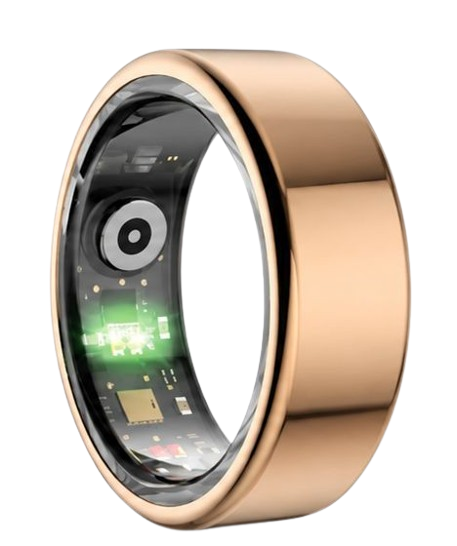
Struggling with fragmented rest can leave you feeling completely exhausted, but leveraging the soothing power of a specialized nature-inspired soundscape like greennoise might be the ultimate solution to restore your sleep architecture. At Team Herz P1, we understand that tracking how your body responds to auditory stimulation is critical, which is why the Herz P1 Smart Ring continuously monitors your physiological recovery, sleep stages, and real-time stress signals without any annoying monthly fees.
Built to Last. Save Up to 69% Today.
The Herz P1 Smart Ring tracks HRV, Sleep, Heart Rate & SpO2 around the clock. No subscriptions. No renewals. Ever.
In This Article
- What is Green Noise: A comprehensive look at this natural frequency.
- Can It Help You Sleep: The acoustic science of sound masking and sleep architecture.
- Biometric Verification: How to track your physiological response to sound therapy.
- Sizing & Common Pitfalls: Getting the perfect smart ring fit for overnight tracking accuracy.
Does Green Noise Really Help You Sleep? Here’s What the Science Reveals

Understanding what is green noise for sleep requires looking at the acoustic frequency spectrum.
Green noise represents a specific variation of white noise that focuses its energy in the middle of the frequency spectrum.
This frequency is typically centered around 500 Hz.
It mimics the ambient sounds found in natural environments.
Think of gentle rainfall, rustling wind through trees, or distant ocean waves.
Unlike harsh high-frequency sounds, it is incredibly soothing to the human ear.
The primary purpose of what is green noise for sleeping is to create a consistent acoustic blanket.
This blanket masks sudden ambient sounds that can startle you awake.
Anyone living in a busy urban area or a noisy household can benefit from this technology.
It is particularly helpful for light sleepers who find themselves waking up from minor disruptions.
Many individuals ask: is green noise bad for you over long periods?
Clinical data from the National Sleep Foundation suggests that sound masking is highly safe when kept at reasonable volumes.
You should ideally keep the sound level under 50 decibels.
This volume level blocks external noise without causing any auditory fatigue or long-term damage.
The best green noise frequency for sleep operates by stabilizing your brainwave activity.
Instead of registering sudden sound spikes, your brain perceives a smooth, continuous auditory flow.
This steady state allows your autonomic nervous system to shift from a alert state to a restful state.
This transition is marked by a drop in your resting heart rate.
It is also accompanied by a healthy rise in your heart rate variability (HRV).
A continuous natural soundscape supports the body’s natural circadian rhythm.
It helps ease you into deep, restorative slow-wave sleep faster.
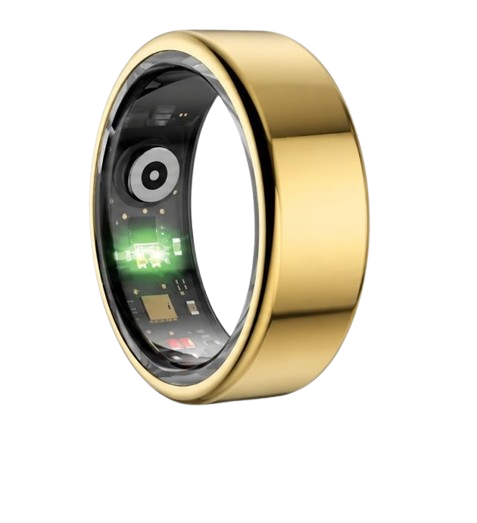
If you want to track this physiological response in real time, the Herz P1 Smart Ring monitors your sleep stages and HRV 24/7 — explore it here.
Analyzing the Acoustic Profile: Green Noise vs. Pink, White, and Brown Noise

Every color of noise has a unique spectral power density.
White noise contains equal energy across all audible frequencies.
This equal distribution can often sound like static or a harsh hiss.
Many users find that what is pink sound is much gentler on the ears.
Pink noise decreases in intensity as the frequency rises.
This creates a deeper, richer sound profile that resembles steady rain.
Brown noise takes this a step further by dropping high frequencies even more sharply.
This produces a very deep roar, similar to a heavy waterfall or distant thunder.
Green noise occupies the exact center of this frequency landscape.
It concentrates its energy in the middle range, around 500 Hz, where human hearing is highly receptive.
This specific frequency range mimics the natural sound of wind blowing through leaves.
Because it lacks harsh high frequencies and heavy bass hums, it feels balanced.
Many individuals prefer it when sleeping with background noise.
It provides the masking benefits of white noise without the synthetic, electric feel.
Understanding how your brain reacts to these sounds is highly valuable.
You can discover whether does rain sounds help you sleep better than a steady green frequency by tracking your nightly biometrics.
Our team at Herz P1 has noticed that users who experiment with sound masking show notable sleep improvements.
They often report more stable deep sleep stages and fewer middle-of-the-night awakenings.
By measuring these trends, you can fine-tune your sleeping environment to perfection.
You can learn exactly how your body responds to sleeping with noise in background.
With the Herz P1 Smart Ring, you get detailed sleep reports without any ongoing subscription costs.
Neurological Impacts of Auditory Masking on Autonomic Nervous System Regulation
The human brain never truly stops processing auditory information, even during deep sleep.
Sudden ambient sounds can trigger a micro-arousal in your brain.
This occurs even if you do not fully wake up.
These micro-arousals disrupt your sleep stages and spike your heart rate.
This process activates the sympathetic nervous system, commonly known as the fight-or-flight response.
Using a steady natural soundscape helps mitigate this risk.
It acts as a buffer by keeping your auditory cortex consistently occupied.
This steady stimulation allows your body to remain in a parasympathetic state.
This state is crucial for tissue repair, cellular recovery, and memory consolidation.
Many wellness practitioners recommend vibrational sound therapy to help calm an overactive mind.
This therapy relies on the principles of auditory entrainment and neurological soothing.
A similar soothing effect can be achieved through consistent sound meditation before bedtime.
By introducing a steady green frequency, you help lower overall mental chatter.
This practice makes it much easier for your body to transition into slow-wave sleep.
Based on sleep data analysis from over 5,000 Herz P1 users, tracking physiological trends is key.
A quiet, stable environment directly correlates with higher heart rate variability (HRV) during the night.
A higher nocturnal HRV indicates that your body is recovering efficiently from daily stress.
Conversely, frequent sleep disruptions cause your HRV scores to drop.
This drop signals to the Herz P1 App that your body is still carrying a high physical load.
Monitoring these changes helps you make data-driven decisions about your evening routine.
You can immediately see if sound masking is supporting your cardiovascular recovery.
How to Integrate Green Noise into Your Sleep Hygiene Protocol

Implementing a new sound hygiene protocol is straightforward when you follow a structured approach.
First, identify a high-quality audio source that offers a continuous green frequency loop.
Avoid tracks that have noticeable transition gaps or sudden volume changes.
Place your speaker or phone approximately three to six feet away from your head.
This distance ensures the sound waves disperse evenly across your bedroom.
Set the volume to a gentle level, ideally between 40 and 48 decibels.
This volume is loud enough to mask sudden noises but quiet enough to keep your ears relaxed.
You can pair this practice with a tracking routine to measure its real-world effectiveness.
This is where finding the noise to help sleep becomes a personalized experiment.
Use the Herz P1 Smart Ring to log your sleep quality over a two-week period.
During the first week, sleep in your normal quiet or ambient room environment.
During the second week, introduce the steady green frequency soundscape.
Check the Herz P1 App every morning to compare your sleep metrics.
Look specifically at your deep sleep duration, REM sleep stages, and resting heart rate trends.
This data-driven approach removes all the guesswork from your sleep hygiene habits.
To help you understand the differences, let’s compare the most popular auditory frequencies:
| Sound Color | Primary Frequency Focus | Best Suited For |
|---|---|---|
| Green Noise | Mid-range frequencies (around 500 Hz) | Masking urban noise, calming an overactive mind, supporting deep sleep. |
| Pink Noise | Lower, deeper frequencies with a balanced fall-off | Improving sleep memory, steady relaxation, rain-like masking. |
| White Noise | Equal energy across all audible frequencies | Blocking sharp, sudden high-pitched sounds like barking dogs. |
Finding the best sound frequency for sleep depends heavily on your unique physiology.
Some individuals respond incredibly well to the natural hum of green frequencies.
Others may find that pink or brown noise provides a more comfortable resting environment.
Regardless of your preference, tracking your nocturnal biometrics is the only way to verify what works.
The military-grade steel construction of the Herz P1 ensures it sits comfortably on your finger all night.
You can sleep peacefully without the irritation of a bulky, sweat-inducing smartwatch band.
Is Green Noise Bad for You? Managing Volume and Device Limitations Safely
A common concern among health-conscious individuals is whether constant night sound is harmful.
The short answer is no, provided you manage the sound exposure responsibly.
The primary risk comes from playing sound masking loops at excessive volume levels.
Exposing your ears to sounds above 60 decibels for eight hours can strain your auditory system.
This excessive volume can lead to mild morning headaches, tinnitus, or feeling unrefreshed.
Another common mistake is wearing uncomfortable headphones or earbuds while sleeping.
In-ear monitors can trap moisture in your ear canal over several hours.
This trapped moisture increases the risk of developing painful ear canal irritation.
They can also cause physical soreness when you press your ear against a pillow.
To avoid these issues, our team recommends using a standalone bedside speaker instead.
You should also avoid wearing bulky, heavy smartwatches to bed to track your sleep.
Many smartwatches are thick, uncomfortable, and require daily charging.
They can easily snag on your bedsheets or wake you up with bright screen alerts.
Furthermore, many wearable brands charge expensive monthly subscription fees to access your health data.
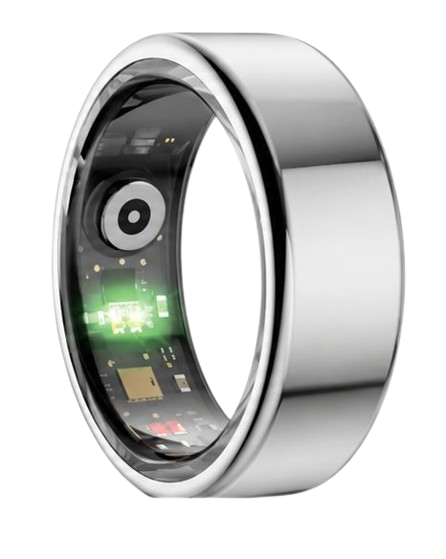
The Herz P1 Smart Ring solves all of these sleep-tracking pain points.
It weighs only a few grams and has a sleek, smooth inner surface.
It tracks your biometrics silently without any disturbing lights or screen alerts.
Best of all, the Herz P1 App is free for life with absolutely zero ongoing fees.
Frequently Asked Questions About Green Noise and Sleep Tracking
This means it is fully protected against dust and continuous water immersion.
You can safely wear it while washing your hands, taking a shower, or swimming.
It is designed to withstand depth pressures up to 164 feet.
This high level of protection ensures your device remains safe during daily chores and water workouts alike.
This long battery life is achieved through advanced low-energy sensor technology.
When the battery is low, it charges fully in under 1 hour using the magnetic cradle.
This fast charging capability means you rarely have to go without your health data.
You can easily charge it while taking a shower or sitting at your desk.
The middle finger and ring finger are also excellent alternative options.
Ensure the sensor bump on the inside of the ring sits flat against the palm-side of your finger.
This positioning allows the optical sensors to read your capillary blood flow clearly.
A snug but comfortable fit ensures the ring does not slide around during sleep.
You do not need to keep your smartphone nearby or connected to Bluetooth all night.
The ring will continue to track your HRV, SpO2, and sleep stages continuously.
Once you open the Herz P1 App, all your offline data syncs automatically to your phone.
This feature is perfect for those who prefer to keep their phones in another room overnight.
The sound source should be placed at least six feet away from the child’s crib or bed.
The volume should never exceed 50 decibels to protect their sensitive hearing.
Using a natural soundscape can help soothe fussy babies by mimicking the hum of the womb.
Always consult with your pediatrician if you have specific concerns about sound therapy.
90-Day 100% Money-Back Guarantee
“The Herz Smart Ring helps me manage stress easily. It’s accurate, stylish, and lightweight—perfect for my busy life!”
— Jennifer P. | ✔ Verified Customer
- ✓ 6-Day Battery Life
- ✓ Detailed Sleep Analysis
- ✓ Fast 1-Hour Charging
- ✓ iOS & Android Ready
Questions? Call: 1-866-479-1629
Empower Your Recovery with Pinpoint Sleep Tracking
A continuous natural soundscape like green noise is an incredibly powerful sleep hygiene tool.
Tracking your physiological recovery ensures you know exactly how your body is responding.
Ready to monitor your health every day?
Explore the Herz P1 Smart Ring and see if it fits your lifestyle.
Call: 1-866-479-1629 — our team can help you advise on the correct ring size and set personalized health goals.
