

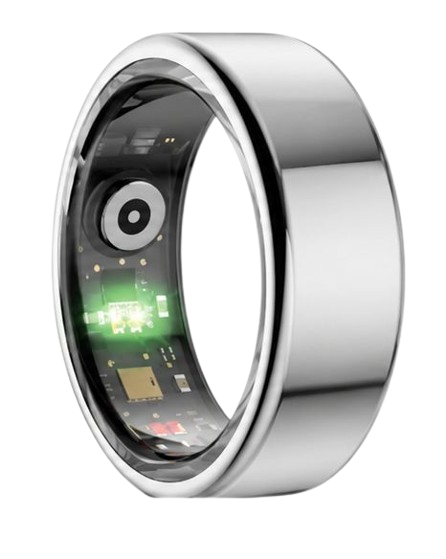
Many chronically fatigued individuals wonder, can you catch up on sleep, or is the accumulated physiological damage permanent? At Team Herz P1, we believe that understanding your sleep architecture is the first step toward genuine recovery. Our Herz P1 Smart Ring continuously tracks your biometric indicators to help you decipher this exact challenge, giving you real-time recovery metrics without demanding any restrictive or expensive monthly app subscription fees.
Built to Last. Save Up to 69% Today.
The Herz P1 Smart Ring tracks HRV, Sleep, Heart Rate & SpO2 around the clock. No subscriptions. No renewals. Ever.
In This Article
- The Reality of Sleep Debt: Discover if you can truly pay off your sleep deficit using science-backed protocols.
- Sleep Architecture Demystified: How deep and REM sleep stages recover differently over consecutive rest cycles.
- Biometric Tracking: How monitoring HRV and SpO2 provides a clear window into autonomic nervous system recovery.
- Practical Recovery Blueprint: Strategic lifestyle changes to balance your biological budget without disrupting circadian rhythms.
Can You Catch Up on Sleep and Fix Sleep Debt? What the Research Reveals
Sleep debt represents the cumulative difference between the amount of sleep your body biologically requires and the actual amount you receive.
If your body requires eight hours of nightly rest but you only receive six, you accumulate a deficit of two hours.
This biological deficit behaves much like a financial balance sheet, demanding repayment over time.
Millions of busy professionals, students, and parents carry a massive chronic sleep deficit without realizing its systemic impact on their health.
According to the National Sleep Foundation, over half of all adults suffer from daytime sleepiness that actively impairs their daily cognitive performance.
The timing of sleep deficit accumulation typically occurs during busy workweeks when professional and social demands peak.
Many individuals attempt to pay off this balance by sleeping in during the weekend, hoping to erase five days of deprivation.
However, clinical research shows that a simple two-day weekend marathon is rarely enough to fully restore systemic cognitive deficits.
This physiological debt affects your cellular systems, central nervous system, and cardiovascular health.
The American Heart Association notes that chronic sleep deprivation can lead to elevated resting heart rates and heightened arterial stiffness.
It happens because modern lifestyles conflict with our natural circadian rhythms, creating a state of chronic evolutionary mismatch.
Our busy schedules lead to irregular sleep onset times, chronic evening blue light exposure, and extended working hours.
The human brain can partially adapt to acute sleep deprivation by increasing sleep efficiency during subsequent rest cycles.
When you finally rest after a long period of deprivation, your body prioritizes deep sleep over lighter stages to accelerate physical tissue repair.
Studies suggest that it takes up to four consecutive nights of high-quality, optimal rest to fully recover from just one single hour of lost sleep.
To understand your personal status, you must learn how to calculate sleep debt based on your baseline sleep needs.
If you carry a massive thirty-hour deficit, a simple Sunday sleep-in will not resolve the underlying systemic cardiovascular and metabolic strain.
If you want to track this in real time, the Herz P1 Smart Ring monitors your physical recovery indicators 24/7 — explore it here.

The Science of Catching Up on Sleep: Deep vs. REM Stage Dynamics

Sleep architecture consists of multiple stages that serve distinct restorative functions within your brain and body.
When you enter a state of chronic sleep debt, your brain actively modifies its internal staging priority during subsequent rest.
During recovery nights, the endocrine system accelerates deep slow-wave sleep to facilitate muscular repair and cellular growth.
This physical repair stage is highly valued by athletes and physically active individuals who subject their bodies to daily stress.
However, REM sleep, which supports emotional processing, memory consolidation, and cognitive sharpness, is often pushed to the end of your night.
If you wake up early during your recovery attempt, you disproportionately cut off your REM sleep cycle.
This imbalance explains why catching up on sleep is a highly complex neurological equation rather than simple addition.
You cannot simply replace eight lost hours of sleep with eight generic hours of weekend recovery sleep.
The internal composition of your sleep cycles remains altered for several days following a period of acute deprivation.
Tracking your precise sleep latency definition helps you understand how quickly your central nervous system transitions into a state of rest.
Your sleep latency refers to the exact duration of time required to transition from full wakefulness to light non-REM sleep.
Many people ask: how long does it take to fall asleep when your body is healthy and balanced?
Ideally, this transition should take between ten and twenty minutes under normal, non-deprived conditions.
If you fall asleep instantly the moment your head hits the pillow, it is a classic sign of severe, chronic sleep deprivation.
If it takes over thirty minutes, you may be experiencing heightened sympathetic nervous system activity or poor sleep hygiene.
The National Sleep Foundation emphasizes that consistent sleep latency values indicate a well-regulated circadian rhythm.
Our team at Herz P1 has designed the smart ring with medical-grade multi-wavelength optical sensors to monitor these transition phases precisely.
This structural data allows you to see if your recovery sleep is actually restoring both physical and cognitive systems effectively.
Decoding Sleep Recovery Through Heart Rate Variability and Oxygen Levels
True recovery from sleep debt is not just about the absolute hours spent in bed.
It is about the depth of your physiological rest and the balance of your autonomic nervous system.
Your autonomic nervous system provides two primary signals during recovery: heart rate variability (HRV) and blood oxygen saturation (SpO2).
HRV reflects the variation in time between consecutive heartbeats, serving as a direct marker of autonomic balance.
A higher nighttime HRV suggests that your parasympathetic nervous system is actively promoting tissue recovery and metabolic restoration.
Conversely, a suppressed HRV during recovery sleep indicates that your body is still actively combating systemic stress.
This occurs when you attempt to pay off sleep debt after drinking alcohol or eating large meals late at night.
The physical strain prevents your cardiovascular system from entering a deep, restorative state during your rest.
Additionally, blood oxygen saturation (SpO2) tracking during sleep is crucial for identifying underlying sleep fragmentation issues.
Sustained drops in SpO2 can signal breathing disruptions that trigger micro-arousals and fragment your sleep architecture.
When your sleep is fragmented, you cannot achieve the deep slow-wave sleep required to repair your cardiovascular tissue.
Understanding what your sleep latency means helps you evaluate your nightly readiness and circadian health.
A normal latency sleep definition points to a balanced and well-prepared autonomic nervous system.
Many individuals ask themselves: how long should it take to fall asleep on recovery days?
A healthy sleep latency of fifteen minutes shows that your mind is relaxed but not utterly exhausted from deprivation.
By monitoring these metrics continuously, you can identify if your attempts at recovering sleep are genuinely successful.
Based on sleep data analysis from over 5,000 Herz P1 users, those who tracked their overnight HRV metrics reported making better recovery-focused choices.
The Herz P1 Smart Ring measures these complex parameters every five minutes with a clinical-grade sensor array.
This gives you a clear window into your heart rate, HRV trends, and SpO2 levels without requiring a bulky chest strap.
How to Safely Pay Off Sleep Debt: A Data-Driven Action Plan
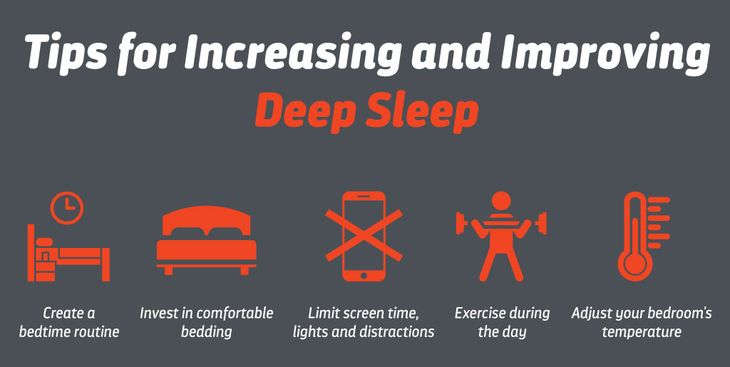
Paying off a sleep deficit requires a structured, gradual strategy rather than sudden lifestyle changes.
You cannot safely erase a massive deficit by spending twenty hours in bed over a single weekend.
This practice disrupts your circadian rhythm and leads to a phenomenon known as social jetlag.
Social jetlag causes daytime grogginess, brain fog, and subsequent Sunday night insomnia due to altered melatonin secretion.
Instead, Team Herz P1 recommends adding one hour of sleep per night over several consecutive weeks.
Go to bed thirty minutes earlier and wake up thirty minutes later than usual to ease into a balanced schedule.
This gradual shift allows your biological clock to adapt without experiencing sudden circadian disruption.
Another valuable question is: can you catch up on sleep by napping during the day?
Yes, short afternoon power naps can help restore immediate cognitive performance and lower systemic stress hormones.
To avoid disrupting your nocturnal sleep cycle, limit your afternoon naps to twenty or thirty minutes maximum.
Schedule these naps during the natural mid-afternoon circadian dip, typically between 1:00 PM and 3:00 PM.
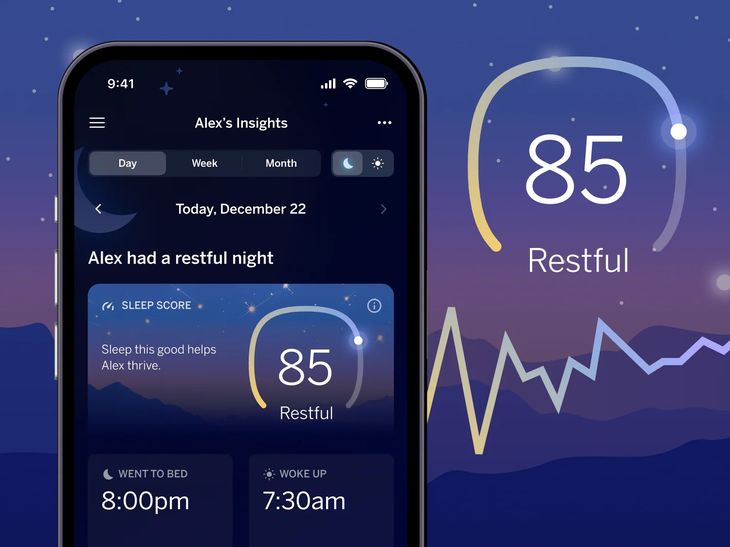
To evaluate the success of your recovery plan, open your subscription-free Herz P1 companion app each morning.
Look at your Sleep Score dashboard to view your overnight deep sleep percentage and average heart rate variability.
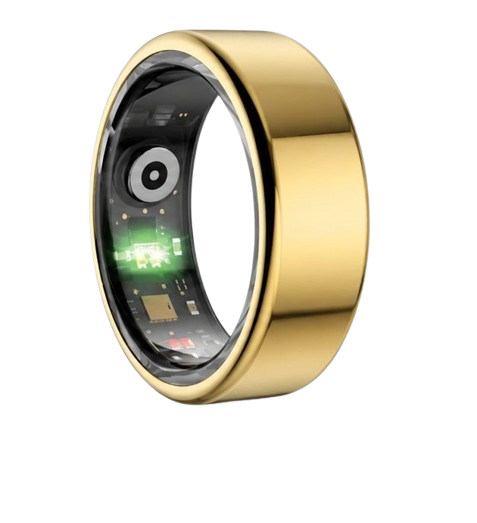
The Herz P1 Smart Ring is crafted from lightweight, military-grade steel to ensure comfortable, 24/7 all-day wear.
Its ultra-slim profile makes it virtually unnoticeable on your finger compared to heavy, glowing smartwatches that can interrupt your rest.
Sizing Pitfalls, Wearable Comfort, and the Subscription Trap
Many individuals attempt to monitor their sleep recovery using large, heavy smartwatches that disrupt rest.
However, bulky wrist devices often prove highly uncomfortable during overnight wear, leading to poor sleep quality.
A heavy watch can press against your skin, cause irritation, and flash bright screens during your natural sleep cycles.
These physical disturbances can lead to light, fragmented sleep stages and unrecognized micro-arousals.
This completely defeats the purpose of tracking your sleep recovery in the first place.
Furthermore, many wearable brands charge hidden monthly subscription fees to access your personal health data.
You buy an expensive device only to find that your historical charts and recovery metrics are locked behind a paywall.
At Team Herz P1, we believe your health metrics belong to you without ongoing financial barriers.
Our comprehensive sleep debt tracker app is entirely free for a lifetime, requiring no subscriptions.
There are no hidden charges, no locked features, and no renewal fees to access your long-term biometric history.
By choosing a lightweight smart ring, you eliminate both physical discomfort and recurring financial strain.
The Herz P1 fits securely around your finger base where blood vessels are closest to the skin surface.
This anatomical position provides excellent sensor signal quality with an under 2% margin of error compared to medical-grade devices.
Herz P1 vs. Leading Smart Ring Competitors: 2025 Feature Comparison
To make an informed choice, you deserve a transparent, side-by-side comparison of features that affect your long-term ownership cost.
The table below highlights how the Herz P1 compares with leading competitors in terms of durability, accuracy, and subscription models.
| Feature / Metric | Herz P1 Smart Ring | Standard Smart Ring Brands | Traditional Smartwatches |
|---|---|---|---|
| Monthly Subscription Fee | $0 (Free App Forever) | $5.99 – $9.99/month | Varies by app |
| Material & Durability | Military-Grade Steel & IP68 Waterproof | Titanium or standard metal | Alloy and glass (susceptible to cracking) |
| Battery Life | Up to 6 Days (Charges in under 1 hour) | 4 – 7 Days | 1 – 2 Days (Requires daily charging) |
| Sensor Placement Accuracy | Finger Base PPG (Under 2% margin of error) | Finger Base PPG | Wrist-based (High motion artifact) |
| Warranty Coverage | 2-Year Full Warranty | 1-Year Warranty | 1-Year Warranty |
Frequently Asked Questions About Sleep Debt and Herz P1
Is the Herz P1 Smart Ring fully waterproof?
Yes, the Herz P1 features a certified IP68 waterproof rating, making it highly durable in water.
This military-grade construction allows the ring to withstand continuous submersion up to 164 feet deep.
You can safely wear it while swimming, showering, washing your hands, or sweating during intense workouts.
How long does the battery last and how quickly does it charge?
The Herz P1 battery lasts up to six full days on a single charge under continuous usage.
When the battery runs low, the device fully recharges in under one hour using the magnetic charging dock.
This rapid charging ensures you never miss a night of sleep tracking or a daytime stress spike.
Which finger is best to wear the Herz P1 on?
We recommend wearing the Herz P1 on your index, middle, or ring finger of either hand.
The index finger of your non-dominant hand typically provides the most consistent optical sensor contact and highest blood perfusion.
Ensure the ring fits snugly but comfortably without rotating excessively during hand movements.
Does the ring store data offline when my phone is away?
Yes, the Herz P1 features built-in offline data storage that holds up to seven days of biometric data.
You can sleep, exercise, or travel without your smartphone nearby.
The next time you open the app, your recorded health data will automatically sync via secure Bluetooth.
Can you catch up on sleep by sleeping in on weekends?
Sleeping in on weekends can temporarily relieve acute sleepiness but cannot repair long-term sleep debt.
It often disrupts your natural circadian rhythm, making it harder to fall asleep on Sunday night.
A gradual, consistent increase in daily sleep duration is much more effective for sustained biological recovery.
How long does it take to fully recover from one week of poor sleep?
Recovering from a week of sleep deprivation typically takes several days to a week of consistent, high-quality rest.
Your body must restore its optimal deep sleep and REM sleep ratios to balance its physiological systems.
Using biometric tracking helps you monitor when your resting heart rate and HRV return to baseline levels.
90-Day 100% Money-Back Guarantee
“The Herz Smart Ring helps me manage stress easily. It’s accurate, stylish, and lightweight—perfect for my busy life!”
— Jennifer P. | ✔ Verified Customer
- ✓ 6-Day Battery Life
- ✓ Detailed Sleep Analysis
- ✓ Fast 1-Hour Charging
- ✓ iOS & Android Ready
Questions? Call: 1-866-479-1629
Optimizing Your Bio-Budget
Reclaiming your energy from sleep debt requires consistent, data-driven decisions every single day.
The Herz P1 Smart Ring provides the precise sleep insights and recovery metrics you need to live a balanced, subscription-free life.
Ready to monitor your health every day?
Explore the Herz P1 Smart Ring and see if it fits your lifestyle.
Call: 1-866-479-1629 — our team can help you advise on the correct ring size and set personalized health goals.
