

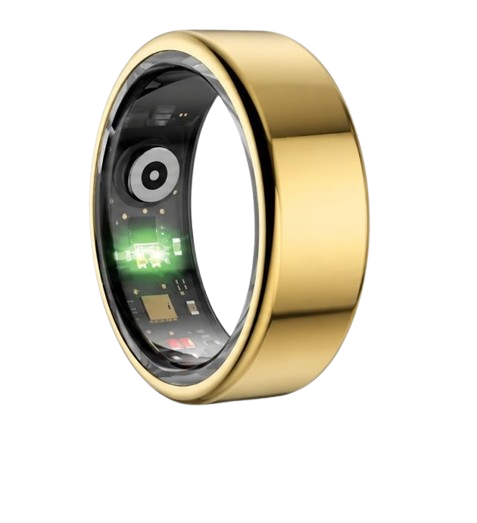
Understanding how long does it take to fall asleep is the first step toward reclaiming your night, as healthy sleep onset usually happens within a precise ten-to-twenty-minute window. If you drift off instantly or toss and turn for hours, your body is sending vital signals about your underlying cardiac health and stress levels. The Herz P1 smart ring monitors these exact physiological metrics around the clock to help you optimize your sleep recovery without subscription barriers.
Built to Last. Save Up to 69% Today.
The Herz P1 Smart Ring tracks HRV, Sleep, Heart Rate & SpO2 around the clock. No subscriptions. No renewals. Ever.
In This Article
- Step-by-Step Guide: How to train your body to fall asleep within the optimal timeframe.
- Decoding Sleep Latency: The neurological transition from wakefulness into deep physical recovery.
- The Role of Stress Physiology: Why autonomic nervous system activity dictates your time to fall asleep.
- Wearable Data Insights: Leveraging biometric analysis to measure and improve sleep onset patterns.
How to Optimize Your Sleep Onset: A Practical Step-by-Step Guide
Restructuring your evening routine is the most reliable way to stabilize your sleep onset duration.
You do not need complex pharmaceutical solutions to fall asleep faster.
By establishing physical and neurological cues, you can signal to your brain that it is time to rest.
Prerequisites / What You’ll Need
To succeed with this guide, you will need a dark, quiet sleeping space maintained between 60 and 67 degrees Fahrenheit.
You should also avoid caffeine intake within eight hours of your planned bedtime.
Lastly, ensure you have a reliable way to track your physiological trends over time without disrupting your comfort.
-
Step 1: Standardize Your Wake-Up Times
Wake up at the exact same time every single day, including on your weekends.
Consistent wake times anchor your circadian rhythm and build up your natural sleep drive throughout the day.
This biological pressure is essential for reducing the time it takes you to fall asleep at night.
Avoid the temptation to sleep in, even if you had a poor night of rest.
-
Step 2: Execute a Light Elimination Protocol
Turn off or dim all overhead household lighting two hours before your planned bedtime.
Eliminate blue-wavelength light from smartphones, computer screens, and televisions during this crucial window.
Blue light suppresses the synthesis of melatonin, which is the primary hormone responsible for initiating sleep.
Use dim, warm-colored lamps to signal to your brain that evening has arrived.
-
Step 3: Lower Your Core Body Temperature
Take a warm bath or shower approximately ninety minutes before you intend to sleep.
The warm water dilates your blood vessels, bringing blood flow directly to the surface of your skin.
When you step out of the shower, your body rapidly dumps heat, causing your core temperature to plummet.
A falling core body temperature is a primary biological trigger for sleep initiation.
-
Step 4: Practice Non-Sleep Deep Rest (NSDR)
Lie flat in your bed and perform a structured ten-minute progressive muscle relaxation sequence.
Tense each muscle group for five seconds, then release the tension slowly while focusing on your breath.
This physical exercise shifts your autonomic nervous system away from sympathetic fight-or-flight activity.
By lowering your physical heart rate, you clear the neurological runway for rapid sleep onset.
-
Step 5: Implement the Twenty-Minute Reshowing Rule
Get out of bed immediately if you are still awake after twenty minutes of trying to sleep.
Go to a dimly lit room and engage in a calm, low-stimulation activity like reading a physical book.
Do not look at your phone, look at the clock, or perform household chores during this period.
Return to bed only when your eyelids feel heavy and you are genuinely ready to fall asleep.
Tracking the real-world results of these lifestyle changes is incredibly simple with the right technology.
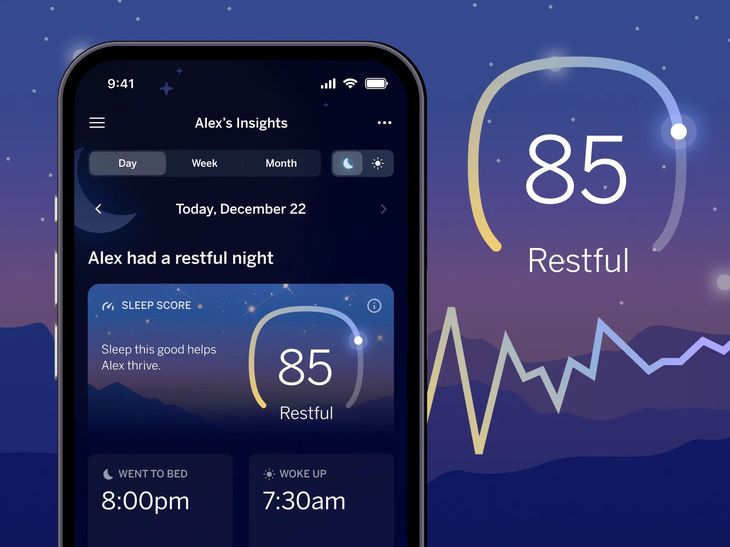
The Herz P1 smart ring automatically logs your precise sleep onset timing each night.
By reviewing your daily data trends in the subscription-free app, you can easily see which habit changes have the greatest impact on your evening recovery.
Decoding Sleep Latency: The Science of Transitioning into Slumber

To truly understand how long it takes to fall asleep, we must look at the official sleep-latency definition.
Clinical researchers define sleep latency as the precise period of time between full wakefulness and the onset of the very first stage of non-rapid eye movement (NREM) sleep.
This transition is not a simple biological light switch that instantly turns off your conscious mind.
Instead, it is a complex, multi-stage neurological process where your brainwaves slow down in a highly coordinated pattern.
Understanding what sleep latency means helps you decipher your daily mental and physical recovery states.
According to research from the National Sleep Foundation, the how long should it take to fall asleep baseline for a healthy adult is between ten and twenty minutes.
If your average time to fall asleep is shorter than five minutes, you may be suffering from severe sleep deprivation.
This rapid transition is often a sign of built-up sleep debt, where your brain falls asleep instantly to protect itself.
Conversely, if your latency sleep definition is consistently longer than thirty minutes, your nervous system is likely stuck in a state of hyperarousal.
This delay prevents your body from entering the deeper stages of sleep, which are crucial for physical cell repair and immune system health.
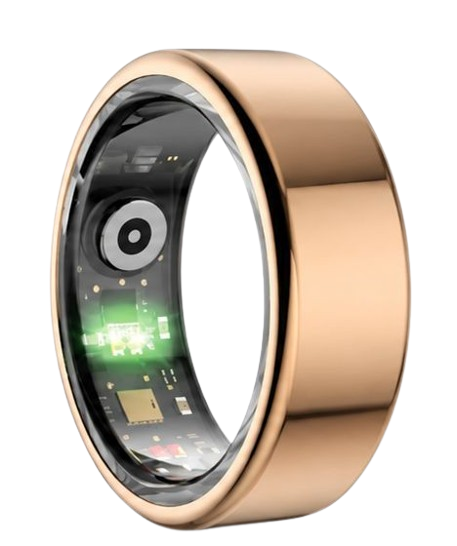
The Herz P1 smart ring uses highly advanced multispectral optical sensors to track these critical transitions.
By measuring changes in your blood oxygen saturation (SpO2) and heart rate variability (HRV), the ring can map your exact sleep architecture.
This lets you see exactly when you transitioned from light relaxation into your first true sleep cycle.
With these insights, you can stop guessing and start accurately measuring your biological readiness each night.
The Physiological Mechanisms of Delayed Sleep Onset

Your autonomic nervous system is the primary driver behind how long does it take someone to fall asleep on any given evening.
This system is divided into two main branches: the sympathetic nervous system and the parasympathetic nervous system.
The sympathetic branch acts as your body’s physical gas pedal, driving your fight-or-flight responses.
When you are stressed, your adrenal glands flood your bloodstream with cortisol and adrenaline.
These hormones increase your resting heart rate and restrict your heart rate variability.
In this high-alert state, your brain remains vigilant, making it physically impossible to drift off to sleep easily.
This explains how long does it take average person to fall asleep when they are dealing with high levels of workplace stress.
To initiate sleep, you must successfully activate your parasympathetic nervous system, which acts as your body’s natural braking system.
This activation lowers your blood pressure, slows your respiration, and allows your core temperature to decline.
This physical shift is clearly visible in your nightly heart rate variability (HRV) trends.
A higher HRV score indicates a resilient, relaxed autonomic nervous system that is ready for deep rest.
A low HRV score suggests that your body is still actively struggling with stress, which will directly prolong your sleep latency.
The Herz P1 smart ring tracks your HRV and resting heart rate every five minutes throughout the night.
By keeping a close eye on these shifts, the ring can pinpoint exactly when your nervous system calms down.
This helps you identify whether your evening wind-down routine is actually working to lower your physical stress levels.
All of this rich physiological data is delivered straight to your phone, with no monthly subscription fees required.
Leveraging Biometric Data to Shorten Sleep Onset
Using your smart ring’s data is the fastest way to fine-tune your evening habits for better rest.
Each morning, open your companion app to review your overall Sleep Score and sleep latency breakdown.
Look closely at the graph to see how long your body remained in the awake stage before entering light sleep.
If you notice your sleep onset time is creeping past twenty-five minutes, check your daytime stress logs.
The Herz P1 tracks your real-time stress index during the day, highlighting any sudden spikes in your physical tension.
You can use this valuable information to plan timely relaxation breaks before your stress builds up and ruins your sleep.
For example, if you see a stress spike every afternoon at 3:00 PM, you can try taking a quick five-minute breathing break.
This simple habit can prevent residual stress from keeping you awake later that evening.
Because the smart ring is so light and comfortable, you can easily wear it 24/7 to capture an uninterrupted stream of health data.
Unlike bulky wrist-based trackers, the ring’s sleek form factor will not pinch your skin or wake you up during the night.
Consistent, daily wear is the key to building an accurate baseline of your body’s unique sleep and recovery patterns.
Ditching the Bulky Smartwatch: Sleep Tracking Pitfalls to Avoid
Many people struggle to track their sleep simply because they are wearing the wrong style of device to bed.
Traditional smartwatches are often heavy, bulky, and uncomfortable to wear while sleeping.
The hard edges of a watch can catch on your bedsheets, causing micro-arousals that disrupt your natural sleep stages.
Furthermore, large smartwatch screens can accidentally light up during the night, exposing your eyes to sleep-disrupting blue light.
Another major drawback of smartwatches is their short battery life, which often requires daily charging.
If you have to charge your tracker overnight, you miss out on capturing crucial sleep latency and recovery data.
Many popular health trackers also lock your own personal data behind expensive monthly app subscriptions.
This means you have to pay a recurring fee just to view your sleep quality and stress trends over time.
The Herz P1 smart ring solves all of these common tracking issues with its thoughtful, user-friendly design.
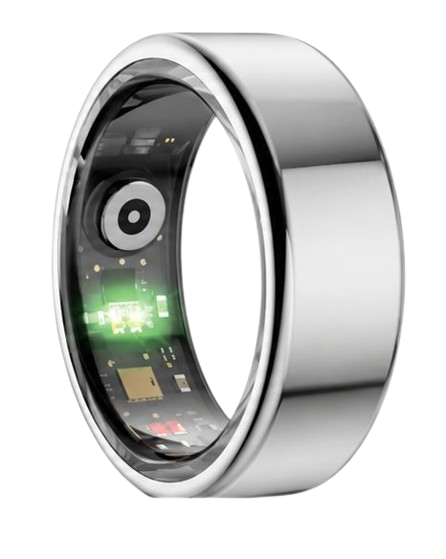
It is made from military-grade steel, making it incredibly durable while weighing only a few grams.
The ring’s smooth inner lining fits comfortably on your finger, ensuring reliable sensor contact without any skin irritation.
With its long-lasting six-day battery life, you can wear it continuously without worrying about daily charging.
Best of all, the Herz P1 companion app is completely free for life, giving you full access to your health metrics without any monthly fees.
Frequently Asked Questions
Yes, the Herz P1 features a robust IP68 waterproof rating that allows for continuous submersion.
You can safely wear your ring while washing your hands, taking a shower, swimming in a pool, or enjoying a bath.
The durable military-grade steel outer shell completely seals and protects the delicate biometric sensors inside.
The ring’s battery is designed to last up to six days on a single, full charge under normal use.
This long battery life ensures you can track your sleep latency and daytime stress levels without interruption.
When the battery is low, simply place the ring on its magnetic charging dock for less than an hour to fully recharge it.
For the absolute best tracking accuracy, we recommend wearing the Herz P1 on your index, middle, or ring finger.
Choose the finger that provides a snug yet comfortable fit without restricting your blood circulation.
The sensor bump on the inside of the ring should face downward, resting against the palm side of your hand.
Yes, the ring has built-in offline storage that can securely save up to seven days of biometric data.
You do not need to keep your smartphone nearby or connected via Bluetooth throughout the night.
The ring will automatically sync your saved data to the companion app the next time the devices connect.
Trying to make up for a week of poor sleep by sleeping in on the weekends can actually disrupt your body’s internal clock.
While a long sleep session can provide some temporary relief, it does not truly reverse chronic sleep deprivation.
The most effective approach is to focus on getting a consistent amount of high-quality rest every single night.
A short, twenty-minute power nap can help boost your mental alertness and reduce afternoon fatigue.
However, long or late-afternoon naps can make it much harder to fall asleep at your regular bedtime.
If you choose to nap, keep it brief and schedule it for early in the afternoon to protect your nightly sleep drive.
The free Herz P1 companion app acts as a highly accurate sleep tracker, calculating your daily sleep metrics automatically.
By comparing your actual sleep time with your personal targets, the app highlights any growing sleep deficits.
This makes it easy to stay on top of your recovery goals without needing to purchase a separate tracking application.
To find your sleep debt, subtract your actual nightly sleep time from the amount of rest your body naturally needs.
For example, if you need eight hours of sleep but only get six, you build up a two-hour sleep deficit that night.
The Herz P1 app automates this entire calculation for you, showing your cumulative sleep balance over days and weeks.
90-Day 100% Money-Back Guarantee
“The Herz Smart Ring helps me manage stress easily. It’s accurate, stylish, and lightweight—perfect for my busy life!”
— Jennifer P. | ✔ Verified Customer
- ✓ 6-Day Battery Life
- ✓ Detailed Sleep Analysis
- ✓ Fast 1-Hour Charging
- ✓ iOS & Android Ready
Questions? Call: 1-866-479-1629
Conclusion
Monitoring your nightly sleep latency is a powerful, data-driven way to improve your recovery and protect your long-term cardiovascular health.
The subscription-free Herz P1 smart ring serves as a highly reliable, military-grade companion for your daily wellness journey.
Ready to monitor your health every day? Explore the Herz P1 Smart Ring and see if it fits your lifestyle. Call: 1-866-479-1629 — our team can help you advise on the correct ring size and set personalized health goals.
Note: Individual results may vary depending on individual health conditions, age, and lifestyle habits. This article is intended for general health reference purposes only.
