

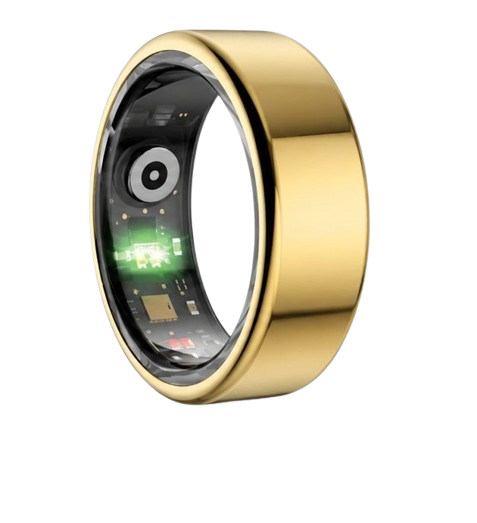
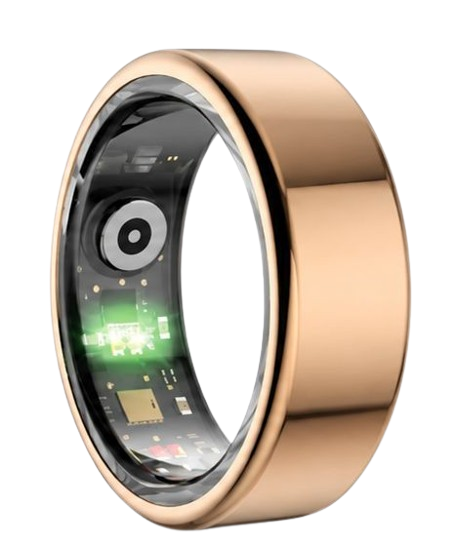
As the summer heat intensifies, achieving restorative rest becomes a physiological challenge, making summer night temperature tracking the ultimate tool for optimizing your sleep health. The premium Herz P1 Smart Ring monitors your subtle nocturnal body shifts with clinical-grade accuracy to help you beat the heat. By understanding how environmental temperature compromises your cardiac recovery, you can reclaim peaceful nights and wake up fully energized.
Built to Last. Save Up to 69% Today.
The Herz P1 Smart Ring tracks HRV, Sleep, Heart Rate & SpO2 around the clock. No subscriptions. No renewals. Ever.
In This Article
- Step-by-Step Thermal Tracking: Learn exactly how to use wearable biometrics to map heat-induced sleep disturbances.
- Thermal Sleep Physiology: Understand how core temperature drops impact deep and REM sleep cycles.
- Microclimate Optimization: Actionable strategies to program your environment based on biometric feedback.
- Smartwatch vs. Smart Ring: Why wrist devices fail under summer heat while smart rings excel.
How to Master Summer Night Temperature Tracking: A Step-by-Step Wearable Guide

Optimizing your bedroom climate during hot spells requires systematic measurement and adaptation.
To successfully map your thermal biometrics, you only need three basic items.
First, you need a high-precision, multi-sensor wearable such as the Herz P1 Smart Ring.
Second, you need the companion mobile application to log your metrics without subscription restrictions.
Third, you need a simple indoor room thermometer to record ambient bedroom conditions.
-
Step 1: Establish Your Normal Baseline Temperature
Wear your smart ring continuously for three consecutive temperate nights to establish your personalized thermal norm.
The device measures your skin temperature during sleep at the base of your finger where blood perfusion is highest.
Ensure you sleep under standard bedding conditions during this initial calibration phase.
Avoid drinking alcohol or exercising heavily within three hours of bedtime to prevent baseline distortions.
Your baseline serves as the zero-point reference against which summer anomalies are calculated.
-
Step 2: Log Ambient Temperature and Cross-Reference Biometrics
Place a digital thermometer on your nightstand to record the ambient room temperature before turning off the lights.
When you wake up, open your companion app to view your nocturnal skin temperature deviation.
Note how room temperatures above 72 degrees Fahrenheit cause your skin reading to climb above baseline.
Keep a brief mental or digital log of how warm room environments impact your morning restfulness.
This simple correlation step helps you identify your personal thermal comfort threshold.
-
Step 3: Analyze Heat-Induced Cardiovascular Strain
Check your nocturnal Heart Rate Variability (HRV) and average sleeping heart rate on nights with high skin temperatures.
When the body struggles to dump heat, blood vessels dilate, forcing the heart to beat faster to maintain circulation.
An elevated sleeping heart rate combined with low HRV indicates elevated autonomic nervous system stress.
Look for a delayed heart rate drop, where your lowest pulse occurs near morning rather than early in the night.
This cardiovascular delay directly reduces your body’s restorative window.
-
Step 4: Execute Bedroom Climate Corrections
Deploy targeted cooling methods on nights when the forecast indicates elevated heat and humidity levels.
Utilize lightweight, breathable bamboo sheets and open opposing windows to establish a cross-breeze.
Set your air conditioner or a cooling fan to create a consistent microclimate between 65 and 68 degrees Fahrenheit.
Consider taking a warm shower shortly before bed to promote vasodilation and accelerate heat dumping.
Avoid using heavy memory foam pillows that trap heat around your head and neck.
-
Step 5: Verify Your Morning Recovery Recovery Score
Review your overnight sleep metrics to confirm if your environmental interventions successfully lowered your biometrics.
Verify that your skin temperature returned to your established baseline or fell slightly below it.
Look for an increase in HRV and a faster drop in your sleeping heart rate during the first half of the night.
If your biometrics remain elevated, continue adjusting your cooling strategies until your stats stabilize.
Continuous monitoring allows you to systematically neutralize the disruptive effects of summer heatwaves.
The Herz P1 Smart Ring makes executing this seasonal tracking protocol effortless.
By collecting clinical-grade temperature trends, heart rate parameters, and sleep stages, it tells you exactly how your body responds to heat.
You can seamlessly analyze your data on our subscription-free app and take charge of your wellness journey today.
Discover how simple tracking can be by checking out the Herz P1 Smart Ring.
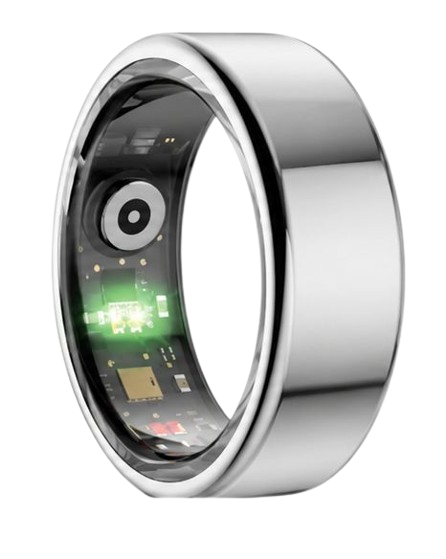
90-Day 100% Money-Back Guarantee
“The Herz Smart Ring helps me manage stress easily. It’s accurate, stylish, and lightweight—perfect for my busy life!”
— Jennifer P. | ✔ Verified Customer
- ✓ 6-Day Battery Life
- ✓ Detailed Sleep Analysis
- ✓ Fast 1-Hour Charging
- ✓ iOS & Android Ready
Questions? Call: 1-866-479-1629
The Physiology of Thermal Regulation: Why Skin Temperature Dictates Sleep Architecture
Human sleep onset is heavily regulated by circadian biology and vascular heat dissipation.
To enter a state of deep rest, your internal core body temperature must decrease by approximately two degrees Fahrenheit.
This crucial drop is achieved through vasodilation, a process where blood vessels near the skin expand to release heat into the surrounding air.
Because the extremities contain highly specialized vascular pathways, monitoring skin heat provides a direct window into this thermoregulatory process.
The National Sleep Foundation emphasizes that high room temperatures block this heat dissipation, causing sleep fragmentation and shallow rest.
If your bedroom is too warm, your body cannot achieve the skin temperature dip sleeping signatures that correlate with recovery.
Without this natural cooling dip, your autonomic nervous system remains in a heightened state of alert.
This thermal barrier prevents you from moving smoothly through your essential sleep zones, causing you to wake up tired.
Your heart rate remains elevated, and your Heart Rate Variability (HRV) drops as your body struggles to cool down.
This persistent cardiovascular load decreases the overall time spent in deep slow-wave sleep and rapid eye movement (REM) cycles.
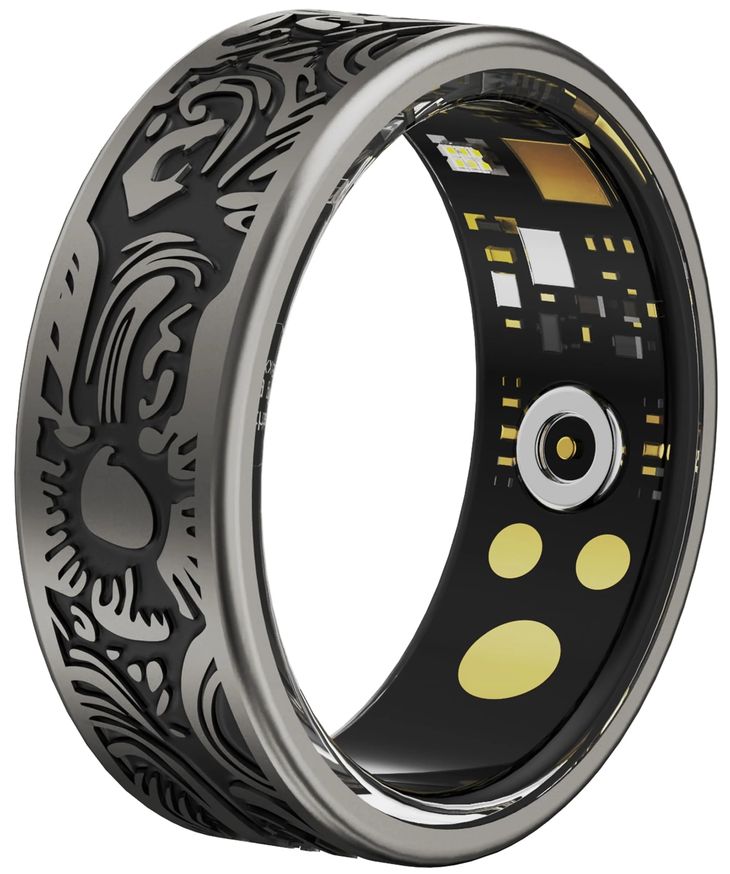
The Herz P1 Smart Ring tracks these subtle biological metrics continuously using advanced multi-wavelength optical sensors.
By measuring variations at the finger capillary level, it delivers an incredibly precise picture of your nocturnal recovery.
This comprehensive, multi-sensor approach allows you to address the root causes of summer fatigue with concrete data.
Navigating Seasonal Variations: How Summer Sleep Metrics Contrast with Winter Baseline Trends
The transition from colder months to summer heat changes how your body recovers overnight.
During colder periods, sleeping winter conditions naturally support rapid core cooling.
This effortless cooling allows your body to reach its deep restorative phases quickly after sleep onset.
In contrast, summer nights present a persistent thermal challenge that requires constant cardiovascular adaptation.
The American Heart Association notes that heat stress forces the heart to pump more blood to the skin to keep you cool.
This extra cardiac work leads to higher average sleeping heart rates and lower overall HRV.
By observing your body temperature fluctuations during the day compared to your night readings, you can easily spot these seasonal shifts.
A healthy profile features a prominent peak during active daytime hours followed by a sharp drop at bedtime.
Summer heat flatten this curve, keeping your nocturnal temperature elevated and close to your daytime levels.
The Herz P1 Smart Ring captures these seasonal differences and visualizes them through clear weekly trends.
This helps you see how changes in weather affect your sleep and highlights the need to adjust your bedroom cooling.
Our ring operates without any monthly subscription fees, ensuring you have lifetime access to your seasonal data.
Practical Application Guide: Customizing Your Bedroom Environment Using Biometric Feedback
Successfully cooling your bedroom requires translating your wearable biometrics into practical, everyday habits.
Your smart ring serves as an early warning system that shows exactly when your environment is disrupting your recovery.
By implementing targeted hot weather sleep tips, you can directly influence your physiological metrics.
Start by drinking a cool glass of water shortly before bed to assist with internal thermoregulation.
Position an oscillating fan to blow air directly across your body to promote rapid evaporative cooling.
If your smart ring shows consistent temperature spikes, switch to highly breathable modal or linen sheets.
Keep your window blinds closed during the afternoon to block radiant heat from warming up your bedroom.
These adjustments can be validated by monitoring your smart ring summer sleep tips dashboards over several nights.
A successful cooling strategy is confirmed when your skin temperature drops smoothly and stays stable all night.
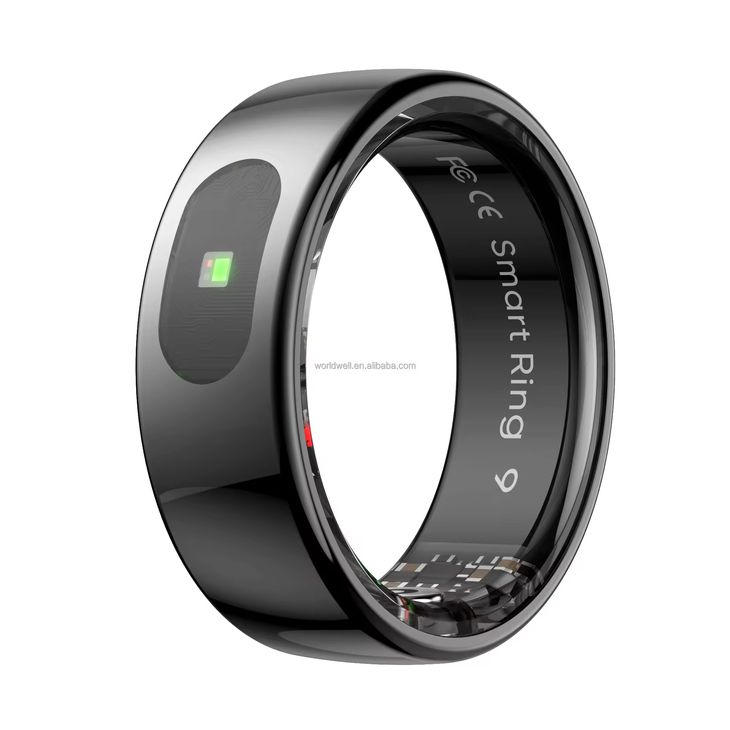
The Herz P1 Smart Ring makes it easy to monitor the impact of these changes on its intuitive mobile app.
Its lightweight, military-grade steel construction is comfortable to wear 24/7 without causing skin irritation.
This continuous monitoring ensures you always have the accurate data you need to maintain peak sleep hygiene.
Why Traditional Smartwatches Fail in Summer Sleep Tracking
Many health-conscious individuals try to track their summer sleep using standard smartwatches, but these bulky wrist-worn devices present several clear drawbacks.
First, the heavy, broad design of a smartwatch traps sweat and body heat directly against your skin.
This localized heat buildup alters the sensor’s environment, leading to inaccurate skin temperature readings.
Second, warm summer nights often cause your wrists to swell naturally due to vasodilation.
This swelling makes tight watch straps highly uncomfortable, disrupting your sleep and causing you to wake up.
If you loosen the strap to relieve the pressure, the sensors lose contact with your skin, leading to missing data.
Third, smartwatches have short battery lives that require daily charging, often forcing you to choose between daytime tracking or overnight monitoring.
Additionally, many smartwatch brands lock your long-term health trends behind expensive monthly app subscriptions.
The Herz P1 Smart Ring completely solves these issues with its elegant, lightweight, and highly ergonomic form factor.
It sits comfortably at the base of your finger, allowing heat to escape naturally while maintaining perfect sensor contact.
With a six-day battery life and an app that is free for life, the Herz P1 delivers continuous, premium tracking without any hidden fees.
Frequently Asked Questions About Summer Temperature Tracking
Conclusion
Nocturnal temperature tracking is the key to managing heat-induced sleep issues and improving your summer recovery.
The premium Herz P1 Smart Ring acts as a reliable health companion, providing accurate, subscription-free physiological insights.
Ready to monitor your health every day? Explore the Herz P1 Smart Ring and see if it fits your lifestyle. Call: 1-866-479-1629 — our team can help you advise on the correct ring size and set personalized health goals.
