

According to recent clinical sleep surveys, more than 35% of healthy adults report feeling exhausted in the morning even after completing what they believed was a full eight hours of overnight rest. If you regularly struggle with low baseline energy, morning brain fog, or muscle weakness when your alarm sounds, your body is attempting to communicate a deeper physiological signal about your underlying sleep architecture. Our team at Herz P1 has designed this comprehensive, science-backed guide to help you identify why you are waking up depleted and how you can track these vital metrics using the subscription-free Herz P1 Smart Ring to reclaim your daily vitality.
Built to Last. Save Up to 69% Today.
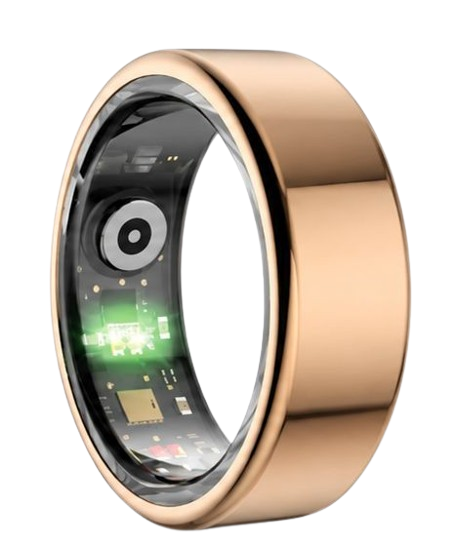
The Herz P1 Smart Ring tracks HRV, Sleep, Heart Rate & SpO2 around the clock. No subscriptions. No renewals. Ever.
In This Article
- Understanding the 5W2H biological framework behind morning exhaustion.
- How sleep architecture, deep sleep, and REM phases affect physical recovery.
- Decoding key recovery signals: Heart Rate Variability (HRV) and SpO2 levels.
- Practical lifestyle changes to optimize your overnight recovery scores.
- Avoiding bulky trackers and hidden subscription fees to achieve consistent tracking.
Why Are You Always Exhausted in the Morning? The Complete Scientific Analysis

Morning exhaustion is rarely caused by a single isolated event.
Instead, it is a compound physiological state resulting from disrupted sleep efficiency and metabolic recovery.
Let us break down this phenomenon using the comprehensive 5W2H wellness framework to understand exactly what is happening inside your body.
The 5W2H Analysis of Waking Up Depleted
What is it? Morning fatigue is the persistence of sleep inertia, characterized by a heavy sensory cognitive lag and reduced muscle motor function.
Under normal biological conditions, this sensation should fade within fifteen to thirty minutes after waking.
When you are tired in the morning day after day, it indicates that your brain is struggling to exit deep sleep oscillation states.
Who is affected? While anyone can experience occasional grogginess, chronic morning exhaustion primarily impacts adults aged 25 to 65.
This cohort balances high professional workloads, elevated daily cognitive demands, and fluctuating biological stress levels.
Busy office workers, physical trainers, and high-performance individuals are particularly vulnerable to these cumulative recovery deficits.
When does it matter? Waking up with a profound lack of energy is highly critical when it persists for more than three consecutive days per week.
Occasional tiredness can be attributed to temporary lifestyle disruptions.
However, chronic patterns suggest a deeper issue in sleep architecture that requires close biometric tracking.
Where does it occur? The physiological breakdown happens deep within your autonomic nervous system and the neurological pathways of the brainstem.
If the parasympathetic nervous system fails to fully restore your body overnight, your cardiovascular system remains in an active, stressed state.
This lack of cellular restoration is directly felt in your major muscle groups and cognitive centers.
Why does it happen? The primary cause of morning tiredness is a severe deficit in restorative deep sleep and REM phases.
Additionally, subtle drops in blood oxygen saturation (SpO2) caused by shallow breathing can trigger micro-arousals.
These micro-arousals pull your brain out of restorative phases without you ever realizing you woke up.
How does it work? Your body relies on a delicate balance of hormones, primarily cortisol and adenosine.
Adenosine accumulates during your waking hours to build sleep pressure, which is then cleared overnight.
If your sleep cycle is fragmented, residual adenosine remains in your neural pathways, causing you to experience severe sleep inertia symptoms when your alarm rings.
How much sleep is missing? Research from the National Sleep Foundation reveals that even a 15% reduction in deep sleep can leave you feeling tired after waking up.
Healthy adults require between 1.5 to 2 hours of deep sleep and similar amounts of REM sleep each night.
If your biometric sensors reveal that you are getting less than 60 minutes of deep sleep, morning weakness is almost guaranteed.
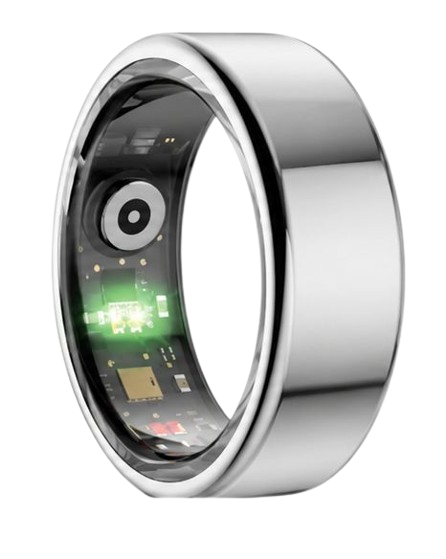
If you want to track these vital recovery stages in real time, the Herz P1 Smart Ring monitors your sleep stages and blood oxygen levels 24/7 — explore it here.
90-Day 100% Money-Back Guarantee
“The Herz Smart Ring helps me manage stress easily. It’s accurate, stylish, and lightweight—perfect for my busy life!”
— Jennifer P. | ✔ Verified Customer
- ✓ 6-Day Battery Life
- ✓ Detailed Sleep Analysis
- ✓ Fast 1-Hour Charging
- ✓ iOS & Android Ready
Questions? Call: 1-866-479-1629
Analyzing Sleep Architecture: Why You Wake Up Feeling Weak

To resolve morning fatigue, we must analyze the phases of your sleep.
Sleep is structured in cyclic waves moving from light sleep to deep slow-wave sleep, and finally to Rapid Eye Movement (REM) sleep.
Each stage plays an irreplaceable role in maintaining your daily physical and psychological energy.
The Vital Importance of Deep and REM Sleep
Deep sleep is the physical restoration phase for your muscular and skeletal systems.
During this stage, your blood pressure drops, breathing slows, and your body directs its energy toward cellular repair.
According to the American Heart Association, this nighttime drop in cardiovascular activity is essential for heart health.
If your deep sleep is cut short, your muscles cannot recover, leaving you feeling weak when i wake up.
REM sleep, on the other hand, is the cognitive restoration phase where your brain consolidates memories and processes emotions.
A lack of REM sleep directly causes that dreaded sensation of waking up with severe mental fog and memory lag.
The Herz P1 Smart Ring uses multispectral optical sensors to track these stages.
By monitoring your microscopic movements and subtle heart rate variations, it accurately maps your nightly sleep cycles.
How Your Autonomic Nervous System Controls Morning Vitality
Your heart rate variability (HRV) is the ultimate metric for measuring how well your nervous system recovers overnight.
HRV measures the millisecond-level variation in time between consecutive heartbeats.
A high nightly HRV indicate that your parasympathetic nervous system is actively restoring your body.
A persistently low HRV suggests that your body is trapped in a sympathetic “fight-or-flight” state due to daily stress.
When you wake up in this state, you will feel completely drained and physically exhausted.
Tracking these patterns with the Herz P1 allows you to see exactly how your lifestyle choices affect your body’s ability to recharge.
The Science of Overnight Biometrics: HRV and SpO2
Two critical biometric metrics hold the key to understanding why you are waking up tired.
These metrics are overnight Blood Oxygen Saturation (SpO2) and Heart Rate Variability (HRV).
By understanding how these signals work, you can easily identify and address the root causes of morning exhaustion.
Overnight Blood Oxygen Levels and Morning Alertness
Your SpO2 levels measure how much oxygen your red blood cells are carrying throughout your body.
During a healthy night of sleep, your SpO2 levels should ideally remain stable between 95% and 100%.
If your breathing becomes shallow or restricted, your oxygen levels will drop.
Even a temporary drop below 92% triggers a survival response in your brain, causing a brief micro-arousal to restore breathing.
These micro-arousals disrupt your sleep cycle, preventing you from entering deep sleep.
This oxygen depletion is a highly common reason for feeling waking up groggy.
The Herz P1 Smart Ring utilizes a red and infrared sensor array to continuously track your oxygen levels throughout the night.
This constant monitoring helps you identify hidden breathing issues that might be robbing you of your morning energy.
The Autonomic Balance: Tracking Your Overnight Stress Index
Your autonomic nervous system is divided into the sympathetic (stress) and parasympathetic (recovery) branches.
The Herz P1 Smart Ring calculates your Stress Index every five minutes by analyzing your real-time HRV data.
If your Stress Index remains high during sleep, your heart rate cannot settle into its natural resting rhythm.
This prevents your muscle tissues from receiving the oxygenated blood they need for recovery.
By reviewing your nightly Stress Index trends on the free Herz P1 companion app, you can identify sleep-disrupting factors.
This enables you to make data-informed changes to your evening habits to ensure a restful night.
Practical Application: How to Optimize Your Morning Energy
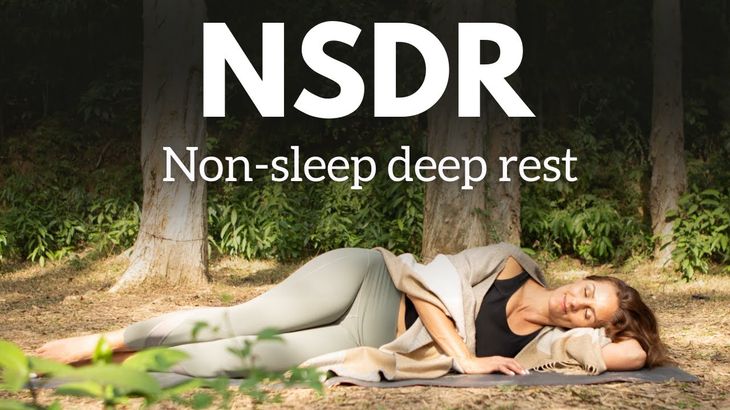
Once you have access to your personalized biometric data, you can take control of your recovery.
Eliminating morning fatigue is about converting raw data into consistent daily habits.
Here is how you can use the Herz P1 Smart Ring to optimize your daily recovery and morning wakefulness.
Step-by-Step Recovery Optimization Protocol
First, check your morning Sleep Score inside the companion app as soon as you wake up.
Analyze your deep sleep percentage to ensure it meets the recommended 15% to 20% threshold.
If your deep sleep is low, move your last meal of the day to at least three hours before bedtime.
Digesting food late at night raises your core body temperature and interferes with your deep sleep cycles.
Second, check your baseline HRV score to plan your daily physical activity.
If your HRV is low, your body is still recovering, meaning you should avoid high-intensity workouts.
On these days, focus on light recovery movements to allow your nervous system to rebuild.
Third, monitor your skin temperature variance trends to detect early signs of physiological stress.
An elevated skin temperature often indicates that your immune system is actively fighting off a mild infection.
Maintaining a cool bedroom environment, ideally between 60 and 67 degrees Fahrenheit, helps lower skin temperature and promotes deep sleep.
The Power of Continuous, Lightweight Biometric Tracking
To get the most accurate and reliable health trends, you need to track your biometrics consistently.
The Herz P1 Smart Ring is built from ultra-durable, military-grade steel to handle the demands of daily wear.
Unlike bulky smartwatches that are uncomfortable to wear to bed, the Herz P1 is lightweight and sleek.
You will barely feel it on your finger, allowing you to track your sleep without any physical distractions.
Its continuous 6-day battery life ensures that you will never miss a night of crucial sleep data.
Overcoming Common Obstacles in Biometric Tracking
Many people struggle to track their biometrics consistently due to uncomfortable hardware or complex software.
Understanding and avoiding these common pitfalls is essential for achieving long-term health tracking success.
Let us analyze the main tracking challenges and how our team has solved them with the Herz P1.
Why Bulky Smartwatches Disrupt Your Natural Sleep Cycle
Wearing a heavy, oversized smartwatch to bed is one of the most common tracking mistakes.
The physical bulk of a smartwatch can easily press against your wrist or snag on your sheets as you turn.
This causes micro-awakenings that pull you out of deep sleep and leave you feeling no energy in the morning.
Furthermore, wrist-based optical sensors often shift during sleep, resulting in gaps in your sleep data.
The Herz P1 Smart Ring solves this issue by taking measurements directly from your finger capillary bed.
This location offers a much stronger and cleaner signal than your wrist, ensuring highly accurate and uninterrupted data.
Avoiding the Trap of Ongoing Monthly Wearable Subscriptions
Many premium health trackers on the market require an ongoing monthly subscription fee to view your data.
If you stop paying, they lock you out of your historical metrics, sleep staging, and health trends.
At Herz P1, we believe that you should have full, permanent ownership of your personal health data.
That is why the Herz P1 companion app is completely free for a lifetime with no hidden paywalls.
You pay for the high-quality ring once and enjoy full access to all sleep, heart rate, stress, and SpO2 metrics forever.
We also back our ring with a 2-year warranty and a 90-day money-back guarantee, ensuring complete peace of mind.
Comparing Your Health Tracking Options
To help you make an informed choice, we have put together a quick comparison of the leading tracking methods.
This table highlights why the Herz P1 Smart Ring is the ideal solution for consistent, long-term health tracking.
| Feature Metric | Herz P1 Smart Ring | Traditional Smartwatches |
|---|---|---|
| Overnight Wear Comfort | Excellent; lightweight, sleek, and leaves your wrist completely free. | Poor; bulky, heavy, and can easily disrupt your sleep cycles. |
| Ongoing App Subscriptions | Zero fees; lifetime free access to all biometric data and sleep trends. | Often requires monthly subscription fees to view advanced metrics. |
| Battery Life & Charging | 6 days of continuous battery life; charges fully in under 1 hour. | Usually requires daily or bi-daily charging, leading to tracking gaps. |
| Sensor Placement Precision | Finger capillary reading; provides a highly stable and clean PPG signal. | Wrist-based sensors are prone to shifting and signal dropouts. |
Frequently Asked Questions About Herz P1 and Morning Fatigue
This means it is fully certified to withstand continuous submersion in water up to 164 feet (50 meters).
You can safely wear it while swimming, showering, washing your hands, or relaxing in the sauna.
The durable outer shell and seamless inner resin protect the internal sensors, ensuring uninterrupted tracking in any environment.
This continuous tracking includes overnight sleep analysis, 24/7 heart rate monitoring, and periodic SpO2 checks.
When the battery runs low, the ring charges from 0% to 100% in less than an hour using the included magnetic charger.
This quick charging capability ensures that you rarely have to go without your biometric tracker.
Your index finger typically offers the strongest pulse signal due to its rich capillary network.
Ensure the ring fits snugly but comfortably without rotating too easily.
A secure fit prevents the sensors from shifting, which is key to capturing clean, reliable sleep and recovery data.
You do not need to keep your phone nearby or connected to Bluetooth while you sleep or work out.
The next time you open the companion app, the ring will automatically sync and upload all your saved data.
This ensures that your valuable recovery trends are never lost, even when you unplug from your devices.
Conclusion: Take Charge of Your Sleep and Wake Up Refreshed
Waking up exhausted is a clear signal that your body’s overnight recovery process is being disrupted.
By tracking your biometrics with the Herz P1 Smart Ring, you can easily identify and fix these sleep issues.
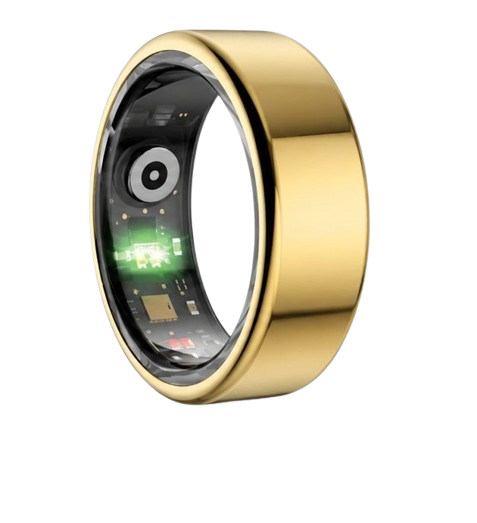
With its military-grade steel design and lifetime free tracking, the Herz P1 is your ultimate partner in health.
Ready to monitor your health every day?
Explore the Herz P1 Smart Ring and see if it fits your lifestyle.
Call: 1-866-479-1629 — our team can help you advise on the correct ring size and set personalized health goals.
