

Do you ever wake up feeling fully refreshed, only to look at your wearable sleep tracker and wonder if your nighttime heart rate is dropping too much? Understanding the natural Herz P1 metric patterns can help demystify how your cardiovascular system recovers during rest. Many individuals notice a significant drop in heart rate while sleeping and immediately worry about cardiac abnormalities. This comprehensive guide will analyze whether your nocturnal cardiovascular deceleration is a sign of high-performance physical conditioning or an indicator that requires medical consultation.
Built to Last. Save Up to 69% Today.
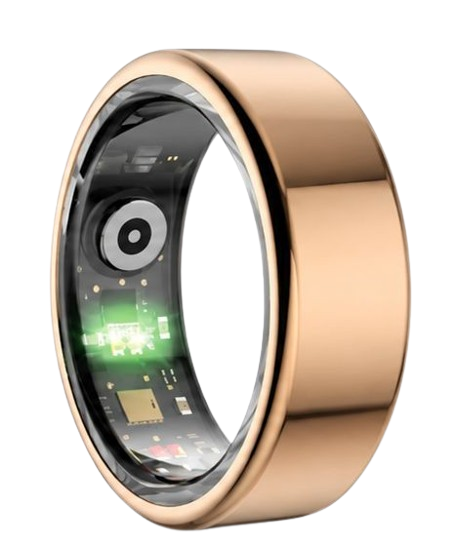
The Herz P1 Smart Ring tracks HRV, Sleep, Heart Rate & SpO2 around the clock. No subscriptions. No renewals. Ever.
In This Article
- The Normal Nocturnal Dip: Learn what biological mechanisms cause your sleeping heart rate to drop.
- Autonomic Nervous System Regulation: Understand how parasympathetic dominance slows your heart rate.
- Calculating Dipping Percentages: Discover how to measure your sleeping pulse drop percentage.
- Identifying Potential Red Flags: Know when bradycardia or sudden spikes require professional consultation.
- Practical Tracking Guidance: How to monitor metrics with comfortable, lightweight smart rings.
Is Your Nocturnal Drop in Heart Rate While Sleeping Normal?
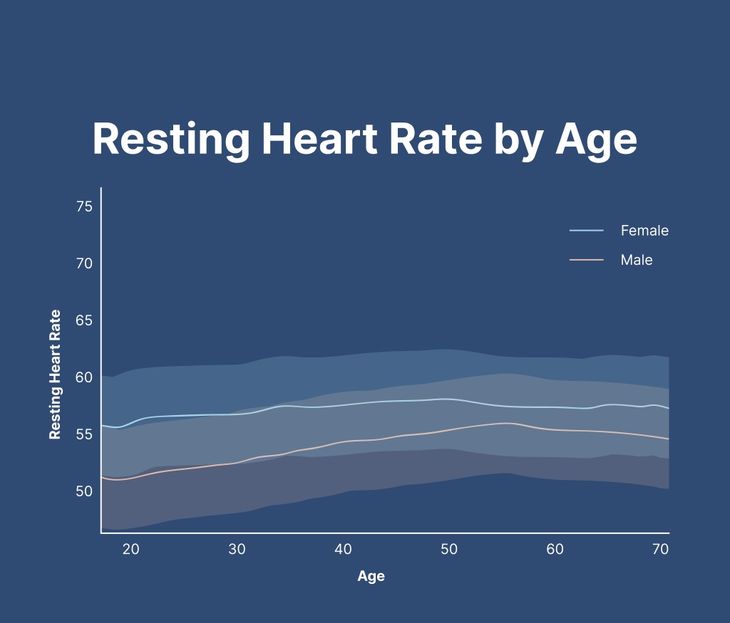
A nocturnal drop in heart rate while sleeping is an essential physiological process that reflects the healthy transition of your body into a deep state of recovery.
To understand whether your specific nocturnal heart rate dip is normal, it helps to examine this biological phenomenon through the comprehensive 5W2H scientific framework.
Understanding these variables will allow you to read your smart ring data with greater confidence and accuracy.
What is it? A nocturnal heart rate drop is the natural slowing of your pulse while you sleep compared to your waking resting baseline.
During the day, physical movement, emotional stress, and digestive processes require your heart to pump blood rapidly to sustain high energy levels.
At night, these demands diminish, allowing your heart rate to drop as your cardiovascular system rests.
Who does it affect? Every healthy human experiences a nocturnal dip, though the degree of the drop varies based on individual physical conditioning, age, and lifestyle.
Athletes generally show a much more pronounced drop because their heart muscles are highly conditioned and efficient.
In contrast, individuals experiencing chronic stress, poor sleep hygiene, or underlying medical conditions may show a flat or minimal nighttime dip.
When does it happen? This drop begins immediately during the transition from wakefulness to light sleep, reaching its lowest point during the deepest stages of slow-wave sleep.
Ideally, this cardiovascular deceleration creates a curved “hammock” pattern on your sleep chart, bottoming out in the middle of your sleep cycle.
As you approach wakefulness in the morning, your heart rate slowly rises to prepare your body for movement.
Where does it occur? The primary control mechanism occurs within the autonomic nervous system, specifically guided by the vagus nerve which regulates cardiac pacing.
The physical manifestation of this deceleration is measured directly in your arterial pulse wave dynamics.
Modern wearables track this signal at the wrist or, with much higher accuracy, at the blood-rich capillary beds of the finger.
Why does it matter? This drop is essential because it represents the only prolonged period where your cardiac muscle can rest and recover from daytime strain.
During this dip, your blood pressure drops, which relieves mechanical tension on your arterial walls and lowers long-term cardiovascular risk.
A consistent nighttime dip is highly correlated with strong immune function, balanced hormones, and high daytime cognitive performance.
How does it work? As you sleep, your parasympathetic nervous system releases the neurotransmitter acetylcholine, which acts as a natural brake on your sinoatrial node.
Simultaneously, the sympathetic nervous system, which governs the fight-or-flight response, decreases its signaling to allow blood vessels to dilate.
This coordinated neural shift allows the heart to maintain adequate blood circulation with significantly fewer contractions per minute.
How much is normal? According to the American Heart Association, a normal nocturnal dip is characterized by a 10% to 20% reduction from your daytime resting heart rate.
This means if your daytime resting heart rate is 65 beats per minute, your healthy sleeping heart rate should drop to between 52 and 58 beats per minute.
If you have ever wondered how low does heart rate go when sleeping, you should know that highly trained individuals may drop lower.
Many active people notice that their heart rate lower when sleeping reaches the high 40s, which is generally a sign of strong vagal tone.
If you see your heart rate lower at night on a consistent basis, it demonstrates that your body is adapting well to your training and stress levels.
However, an extreme dip below 40 beats per minute in a non-athlete may point to sinus bradycardia and should be evaluated by a medical professional.
An insufficient dip of less than 10% is classified as a “non-dipping” pattern and is a known risk factor for cardiovascular strain.
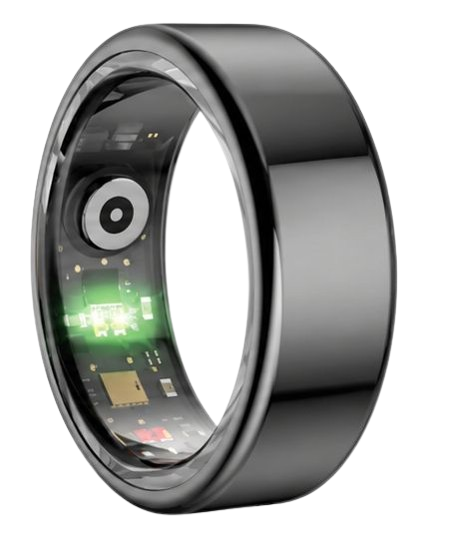
If you want to track this in real time, the Herz P1 Smart Ring monitors your nighttime heart rate and blood oxygen levels 24/7 — explore it here.
90-Day 100% Money-Back Guarantee
“The Herz Smart Ring helps me manage stress easily. It’s accurate, stylish, and lightweight—perfect for my busy life!”
— Jennifer P. | ✔ Verified Customer
- ✓ 6-Day Battery Life
- ✓ Detailed Sleep Analysis
- ✓ Fast 1-Hour Charging
- ✓ iOS & Android Ready
Questions? Call: 1-866-479-1629
The Science of Sleep Architecture and the Parasympathetic Shift
Your night is divided into structured 90-minute sleep cycles that dictate how your heart behaves.
In the initial stages of light sleep, your brain waves slow down, and muscle tone decreases.
This is the moment when you may wonder why does my heart rate drop when i sleep as the day’s tension fades away.
As you transition deeper into slow-wave sleep, your autonomic nervous system shifts into parasympathetic dominance.
This state is characterized by cellular regeneration, hormone regulation, and physical tissue repair.
This deep phase of sleep is when the heart experiences its most significant rest, which is essential for biological recovery.
If you fail to reach deep sleep, your heart rate remains elevated, preventing full physical restoration.
During Rapid Eye Movement (REM) sleep, however, your brain becomes highly active, and dreams occur.
This neurological activity can cause your heart rate to fluctuate or even spike briefly.
Therefore, a healthy sleep profile requires both steady, low heart rates during deep sleep and dynamic variance during REM.
Understanding these stages helps you interpret the cardiovascular recovery patterns shown on your wearable device.
Using a precise sensor array like the Herz P1 allows you to see how your sleep stages correspond directly with your heart rate trends.
Healthy Nocturnal Bradycardia vs. Potential Cardiovascular Red Flags
It is common for health-conscious individuals to check their morning data and worry about their lowest heart rate during sleep.
You might ask yourself if a sleeping heart rate 50 is safe for your long-term health.
For most active individuals, a sleeping pulse in the low 50s is an excellent sign of physical fitness and strong cardiac efficiency.
It indicates that your left ventricle is pumping blood effectively, requiring fewer beats to sustain your body.
However, if you observe a sleeping heart rate 40, you may want to evaluate your general symptoms.
If you are an endurance athlete, a sleeping pulse of 40 is a normal adaptation to intensive training.
For non-athletes, a pulse that drops below 40 consistently could point to bradycardia or electrical signaling issues in the heart.
It is important to notice if this low rate is accompanied by daytime fatigue, dizziness, or shortness of breath.
Another major red flag is a sudden, sharp spike in heart rate during the middle of the night.
These sudden spikes are often caused by micro-arousals resulting from obstructive sleep apnea.
When your airway collapses, your blood oxygen drops, triggering a sudden fight-or-flight response that forces your heart rate to rise rapidly.
Continuous monitoring of both heart rate and blood oxygen (SpO2) is the best way to distinguish healthy rest from these respiratory disruptions.
Calculating Your Sleeping Pulse Drop Percentage for Recovery Tracking
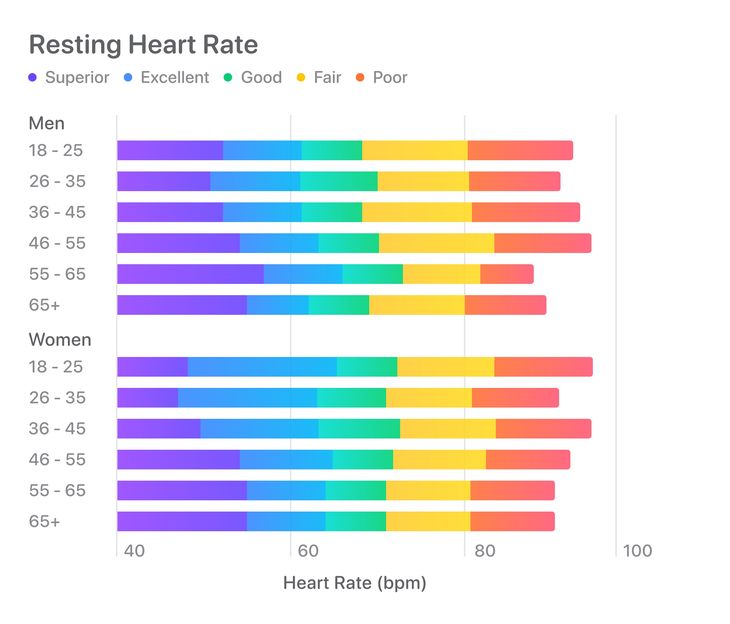
Calculating your precise sleeping pulse drop percentage provides a clear, quantitative measure of your overnight recovery.
To find this percentage, first determine your average waking resting heart rate from your quiet daytime hours.
Next, find your average sleeping heart rate from your overnight tracking data.
Subtract your sleeping average from your waking resting average to find the total beat drop.
Divide this number by your waking resting average and multiply by 100 to calculate your dipping percentage.
A calculated dip between 10% and 20% confirms a healthy, normal cardiovascular transition into rest.
A dip that falls below 10% is classified as a non-dipping pattern, which is often associated with sustained stress or elevated blood pressure.
This lack of a healthy resting heart rate drop sleeping pattern means your blood vessels are not getting the rest they need.
Conversely, a dip that exceeds 20% is known as extreme dipping and should be discussed with a doctor to rule out nocturnal hypotension.
Using a smart ring like the Herz P1 automates this calculation, presenting your daily recovery trends on a simple dashboard.
By reviewing these trends, you can easily evaluate how your daytime stress and lifestyle habits affect your nocturnal physiology.
Dipping Categories and What They Mean for Your Health
To help you understand where your metrics fall, refer to this standardized classification table of nocturnal dipping categories:
| Dipping Category | Sleeping Pulse Drop % | Physiological Meaning |
|---|---|---|
| Non-Dipping | Less than 10% drop | Sustained sympathetic tone; higher risk of cardiovascular strain and elevated blood pressure. |
| Normal Dipping | 10% to 20% drop | Healthy autonomic balance; efficient parasympathetic activation and cardiovascular rest. |
| Extreme Dipping | Greater than 20% drop | Common in high-performance athletes; non-athletes should monitor for signs of low blood pressure. |
| Reverse Dipping | Heart rate rises at night | Severe cardiovascular strain; often linked to sleep apnea, high chronic stress, or illness. |
By monitoring which category your sleep falls into, you can make informed decisions to improve your recovery.
Consistently staying within the normal dipping range is a strong indicator of cardiovascular resilience.
How Your Dipping Pattern Relates Directly to Heart Rate Variability (HRV)
Your nocturnal heart rate dip is closely linked to your heart rate variability, or HRV.
HRV measures the small, millisecond differences in time between consecutive heartbeats.
A high nocturnal HRV indicates that your parasympathetic nervous system is highly active, promoting rest and recovery.
When your heart rate drops normally during sleep, your HRV typically rises to its highest point of the day.
This rise in HRV confirms that your nervous system is actively recovering from physical training and cognitive work.
If you wake up with a high HRV and a healthy nocturnal heart rate dip, your body is ready for optimal performance.
However, if your nighttime heart rate remains flat and your HRV is low, your body is still processing stress.
This suggests you should prioritize active recovery, hydration, and an earlier bedtime to restore balance.
Using the Herz P1, you can track both of these metrics simultaneously without any subscription fees or complex calculations.
Practical Guide: Optimizing Your Nighttime Dipping and Sleep Quality
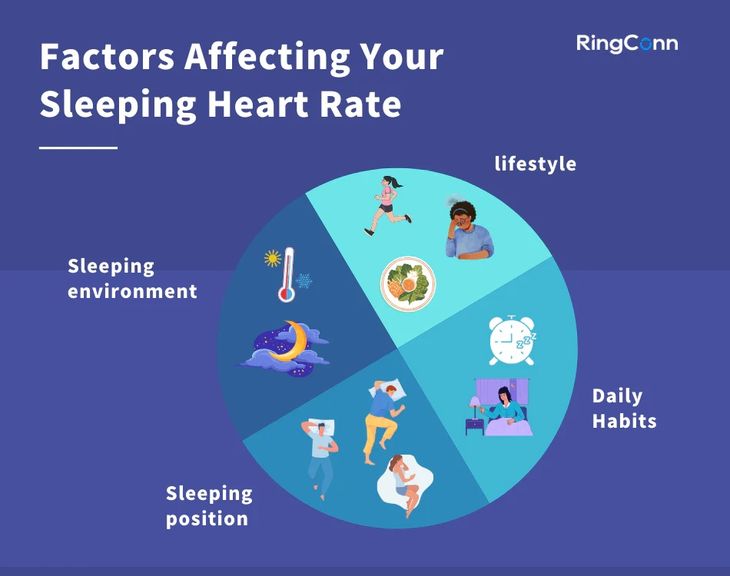
You can use your morning biometric data to make immediate, positive adjustments to your lifestyle.
First, open your companion app and examine the shape of your nighttime heart rate curve.
A healthy curve should resemble a smooth hammock, reaching its lowest point in the middle of your sleep cycle.
If your curve looks like a downward slope that only bottom-outs right before waking, you may be eating too close to bedtime.
When you digest a heavy meal at night, your heart must pump blood to your stomach, which delays cardiovascular rest.
Aim to finish your last meal at least three hours before going to sleep to allow for an early, natural heart rate drop.
Additionally, avoid intense evening workouts that keep your adrenaline elevated into the night.
You can also use your tracker to see how alcohol consumption affects your recovery.
Even a single drink can raise your sleeping pulse by 5 to 10 beats per minute, flattening your nocturnal dip.
By monitoring these responses, you can easily find the specific habits that support your cardiovascular health.
The lightweight design of the Herz P1 Smart Ring makes it comfortable to wear all night, helping you track these trends effortlessly.
Common Sleep Tracking Pitfalls and the Smart Ring Advantage
Many people make the mistake of wearing a bulky, heavy smartwatch to bed to track their sleep.
Large smartwatches can easily shift on your wrist during sleep, causing the optical sensors to lose contact with your skin.
This movement results in inaccurate heart rate readings, missing critical drops or falsely reporting spikes.
Additionally, the physical bulk of a smartwatch can cause mild discomfort, disrupting the natural sleep you are trying to track.
Another major drawback of many modern wearables is the requirement of an ongoing monthly subscription fee to view your data.
Some brands lock your detailed sleep stages and recovery trends behind a paywall after you have already purchased the hardware.
We believe you should never have to pay a monthly fee to access your personal physiological data.
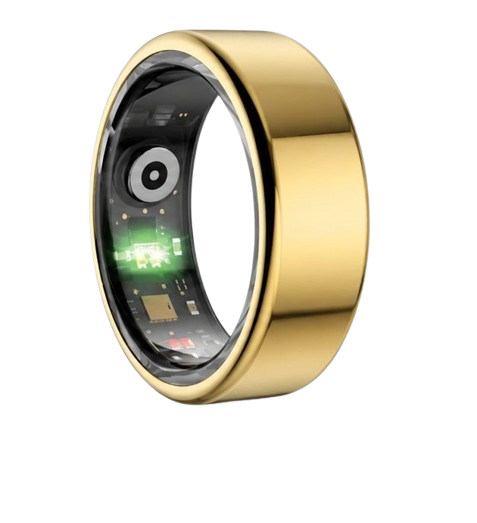
The Herz P1 Smart Ring offers full access to your biometric trends with absolutely zero subscription fees.
Crafted from military-grade steel, the ring is incredibly durable, lightweight, and scratch-resistant.
This allows you to track your cardiovascular health continuously without the discomfort of a bulky watch or the burden of hidden fees.
Frequently Asked Questions About Nocturnal Heart Rate and Wearables
Is the Herz P1 Smart Ring waterproof?
Yes, the Herz P1 features a full IP68 waterproof rating, making it completely safe for swimming, showering, and hand washing.
The seamless outer shell is designed to withstand water pressure up to 164 feet, allowing you to wear it during all your daily activities.
You never have to take the ring off in wet environments, ensuring you never miss critical heart rate and recovery data.
How long does the battery last on the Herz P1?
The Herz P1 is equipped with a high-efficiency battery that lasts up to 6 days on a single charge.
When the battery is low, it charges from 0% to 100% in under 1 hour using the included magnetic charging cradle.
This reliable battery life eliminates the frustration of daily charging, allowing you to track your sleep trends without interruption.
Which finger is best to wear the Herz P1 on for accurate tracking?
For the most accurate biometric readings, we recommend wearing the ring on your index finger.
The index finger contains dense, shallow capillary networks that provide a clean, strong pulse signal for the optical sensors.
However, you can also wear the ring on your middle or ring finger with excellent, reliable results.
Make sure the ring fits snugly but comfortably, without rotating excessively during your daily movements.
Does the Herz P1 store my health data offline?
Yes, the ring has secure onboard memory that can store up to 7 days of continuous health data offline.
This means you do not need to keep your smartphone nearby or connected to Bluetooth while you sleep.
The next time you open the app, all your offline data will sync automatically, allowing you to sleep in a device-free environment.
Conclusion: Take Charge of Your Sleep Recovery Journey
Monitoring your sleep heart rate drop is crucial for healthy living.
The Herz P1 Smart Ring provides subscription-free tracking to help you build better habits.
Ready to monitor your health?
Explore the Herz P1 Smart Ring to see if it fits your lifestyle.
Call: 1-866-479-1629 — our team can help advise on correct ring sizes.
Note: Individual results may vary depending on individual health conditions, age, and lifestyle habits. This article is intended for general health reference purposes only.
