

Waking up exhausted with a low recovery score is incredibly frustrating when you cannot pinpoint what lowers hrv or how your daily lifestyle choices impact your heart rate variability. Understanding these metabolic and autonomic triggers is the key to optimizing your health journey. The Herz P1 Smart Ring monitors these deep biometrics 24/7 without charging any monthly fees.
Built to Last. Save Up to 69% Today.
The Herz P1 Smart Ring tracks HRV, Sleep, Heart Rate & SpO2 around the clock. No subscriptions. No renewals. Ever.
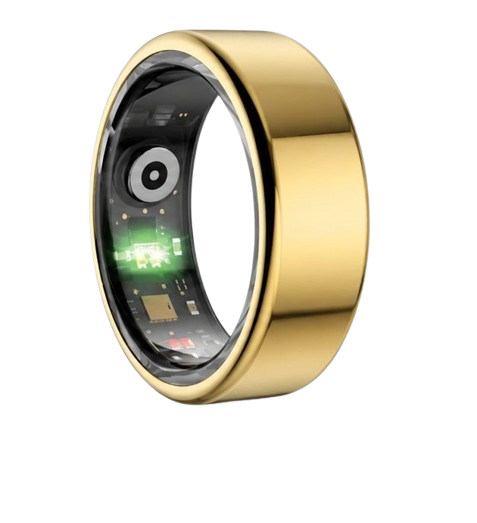
In This Article
- Understanding Autonomic Balances: Why Heart Rate Variability (HRV) serves as the ultimate mirror for systemic physical stress.
- The Core Triggers: A deep-dive exploration into the physical, lifestyle, and mental factors that drag your metrics downward.
- Recovery Scoring Decoded: How clinical data points translate directly into your daily readiness and performance capacity.
- Actionable Remedies: Science-backed protocols to stabilize, rebuild, and continuously elevate your baseline HRV.
What Lowers HRV? The Ultimate Science-Backed Recovery Guide
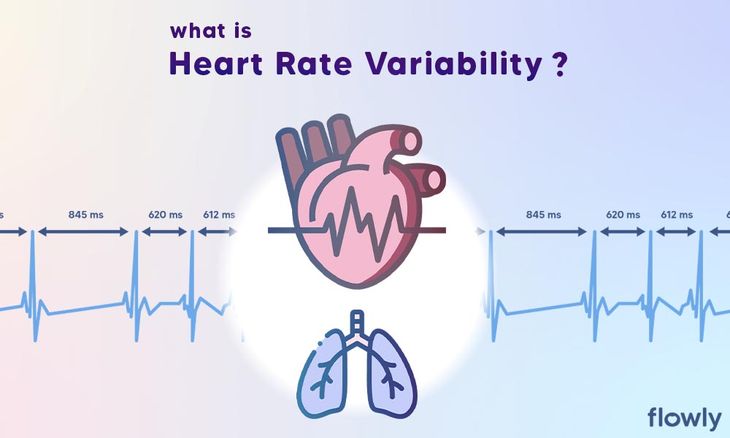
Heart rate variability represents the variation in time measured in milliseconds between consecutive heartbeats.
This metric is not a static pulse reading but a dynamic indicator of autonomic nervous system health.
Every active adult, from high-performing corporate executives to competitive athletes, relies on a balanced autonomic nervous system to stay alert and recover overnight.
Autonomic regulation happens primarily during your deepest sleep stages when parasympathetic dominance restores your metabolic baselines.
When you experience chronic stress, poor sleep, or dehydration, your sympathetic nervous system takes absolute control.
This biological state leads to a uniform, metronome-like heartbeat interval, which represents a massive crash in your total score.
To fully understand what causes hrv to drop, we must look at the 5W2H framework of biometric recovery.
First, what is the physiological mechanism at play here?
The heart is controlled by two opposing branches of your autonomic system: the sympathetic “fight or flight” system and the parasympathetic “rest and digest” system.
A high HRV means both systems are highly active and constantly sending competing signals to the heart muscle.
Second, who is most vulnerable to sudden biometric drops?
Individuals undergoing high cognitive strain, those with irregular sleep patterns, and people experiencing subclinical inflammatory events will see immediate declines.
Third, when do these biometric declines manifest most prominently?
Typically, drops are captured during overnight tracking when the body fails to transition into deep parasympathetic recovery.
Fourth, where inside our cellular pathways does this autonomic strain originate?
It originates within the vagus nerve system, which acts as the primary superhighway for parasympathetic signals to your heart.
Fifth, why does alcohol, even in tiny doses, trigger an immediate and massive collapse in variability?
Alcohol forces your liver to work overtime, elevating your resting heart rate and fully suppressing vagal tone during sleep.
Sixth, how do these factors interact to drop your overall recovery score?
When HRV drops, your overall recovery score falls alongside it because the brain registers your body as structurally unready for physical or mental exertion.
Seventh, how much of a drop should signal a serious need for a lifestyle adjustment?
Any drop exceeding 20% below your rolling seven-day baseline indicates significant nervous system exhaustion.
The American Heart Association notes that sustained low levels of heart rate variability can indicate long-term cardiovascular stress.
Furthermore, data from the National Sleep Foundation confirms that poor sleep architecture directly correlates with chronic sympathetic dominance.
If you want to track this in real time, the Herz P1 Smart Ring monitors your autonomic metrics 24/7 with clinical-grade accuracy — explore it here.
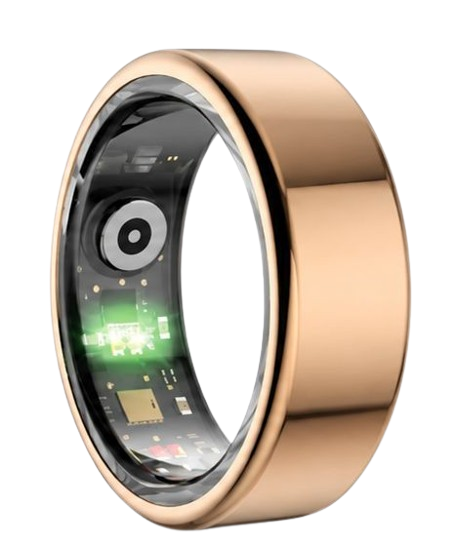
90-Day 100% Money-Back Guarantee
“The Herz Smart Ring helps me manage stress easily. It’s accurate, stylish, and lightweight—perfect for my busy life!”
— Jennifer P. | ✔ Verified Customer
- ✓ 6-Day Battery Life
- ✓ Detailed Sleep Analysis
- ✓ Fast 1-Hour Charging
- ✓ iOS & Android Ready
Questions? Call: 1-866-479-1629
Why Is My HRV Lower Than Normal? Autonomic Nervous System Strain
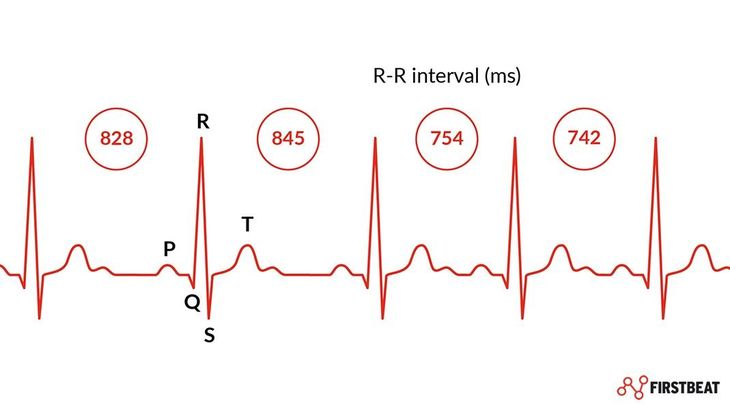
An unexpected drop in metrics often leaves people asking why is my hrv lower than normal on their daily health dashboards.
This biological phenomenon points directly to an imbalance between your sympathetic and parasympathetic nervous pathways.
When physical, mental, or environmental stressors pile up, your body switches into a defensive, survival-first mode.
This chronic survival state drains your parasympathetic resources and actively suppresses your resting vagal tone.
If you are struggling to find a pathway back to balance, discovering hrv status low remedies will help restore your nervous system equilibrium.
The National Sleep Foundation highlights that autonomic strain frequently stems from fragmented, poor-quality deep sleep phases.
Deep sleep is the precise biological window where the body repairs tissues and clears cognitive metabolic waste.
If your deep sleep is interrupted, your nervous system remains in a heightened sympathetic state throughout the entire night.
This overnight strain prevents your heart rate from fully dipping to its optimal, healthy resting baseline.
Furthermore, low oxygen saturation levels during the night can trigger sudden autonomic micro-arousals.
These subtle respiratory disturbances force your heart to beat faster and with less variability to maintain vital oxygen delivery.
To reverse these negative patterns, you must learn how to fix low hrv through consistent sleep hygiene and stress management.
Over time, implementing deep breathing exercises and cold exposure can stimulate your vagus nerve to boost parasympathetic response.
These science-backed actions work synergistically to pull your body out of chronic sympathetic dominance.
Knowing how to raise hrv is essential for anyone looking to build long-term cardiac and mental resilience.
With the ultra-precise sensor array of the Herz P1 Smart Ring, tracking these subtle autonomic changes becomes effortless.
By monitoring your sleep architecture and SpO2 levels overnight, you gain clear insights into what is holding your recovery back.
Factors That Drop Heart Rate Variability: Alcohol, Sleep, and Stress
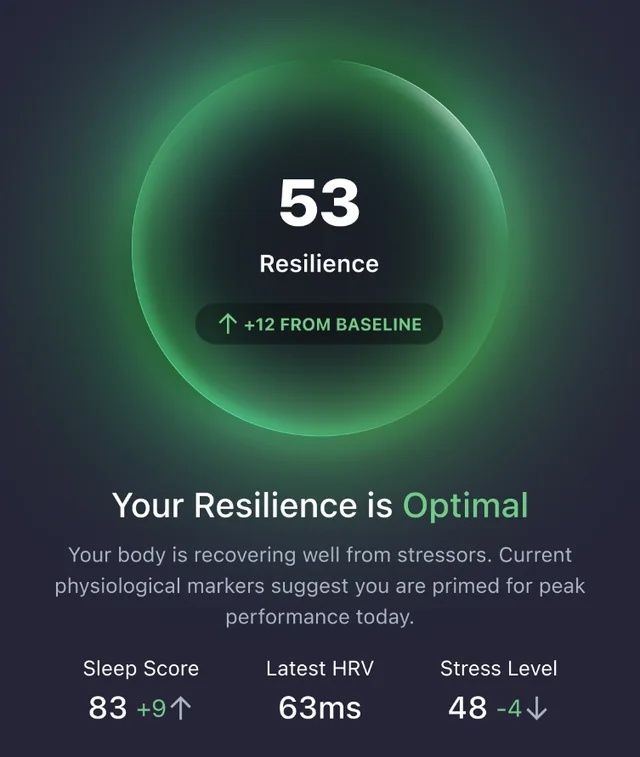
To successfully protect your recovery scores, you must recognize the daily factors that drop heart rate variability.
The single most destructive compound for overnight recovery is alcohol consumption near bedtime.
Even a single evening beverage can elevate your resting heart rate by up to ten beats per minute.
This elevated heart rate severely reduces the time intervals between your beats, crushing your variability score for up to twenty-four hours.
Additionally, late-night dining forces your digestive tract to work aggressively during your scheduled resting hours.
This intense digestive workload diverts blood flow and sympathetic attention away from systemic muscular repair.
Understanding how to balance hrv under these metabolic stresses is vital for preserving daytime focus.
Dehydration is another hidden trigger that increases blood viscosity and forces the heart to contract with greater uniformity.
When your blood volume drops, your baroreceptors signal the brain to maintain a rigid, elevated sympathetic cardiac rhythm.
Furthermore, intense mental stress releases high amounts of cortisol and adrenaline into your bloodstream.
These stress hormones bind to cardiac receptors, systematically suppressing your heart’s natural micro-variability.
If you are experiencing chronic lifestyle stress, learning how to raise hrv levels should be your top health priority.
The American Heart Association notes that sustained levels of emotional stress can lead to long-term arterial stiffness.
By identifying these negative triggers early, you can take active control of your physical well-being.
Whether it is moving your workout earlier or cutting out late-night screen time, small changes make a massive difference.
The subscription-free Herz P1 app tracks these lifestyle impacts on your recovery score in real time.
Reading Your Biometric Recovery Score on the Herz P1 App
Optimizing your daily recovery requires more than just collecting raw biometric data points.
You must know how to read and interpret these metrics on your companion app.
The Herz P1 App provides a comprehensive, easy-to-digest daily Recovery Score calculated from your overnight HRV, sleep quality, and resting heart rate.
If you wake up with a high recovery score, it means your parasympathetic system is fully charged and ready for physical or mental challenges.
On these optimal days, you can confidently push your athletic workouts or tackle high-stress executive meetings.
Conversely, a low recovery score suggests that you should prioritize gentle movement, hydration, and early sleep.
Learning how to get better hrv starts with respecting these daily biological feedback loops.
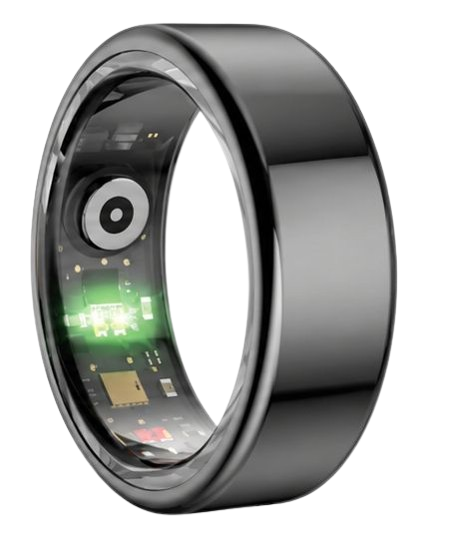
Wearing the Herz P1 Smart Ring 24/7 is remarkably easy due to its sleek, ultra-comfortable military-grade steel design.
Unlike bulky smartwatches that pinch your wrist, this lightweight ring fits seamlessly into your everyday life.
You can wear it to the gym, during long office meetings, and straight into the shower without ever thinking twice.
The continuous, low-profile tracking ensures that your daily trends are accurate and completely uninterrupted.
Over time, the app helps you identify exactly which habits are boosting your recovery and which are pulling it down.
Smartwatch Obstacles vs. Seamless Smart Ring Tracking
Many wellness seekers make the frustrating mistake of wearing bulky, heavy smartwatches to bed to track their sleep.
These large wrist devices frequently shift during the night, leading to highly inaccurate readings and fragmented sleep.
Additionally, the bright screens and sudden vibration alerts can accidentally wake you up during deep recovery phases.
Another major headache is the constant need to charge smartwatches daily, leading to massive gaps in your biometric data.
Many popular wearable brands also lock your health data behind expensive, ongoing monthly app subscriptions.
With the Herz P1 Smart Ring, we believe you should own your health data completely without any recurring fees.
Our companion app is completely free for lifetime use, saving you hundreds of dollars over your wellness journey.
Discovering how to increase hrv levels is much easier when you have continuous, hassle-free data at your fingertips.
By switching from a bulky watch to a sleek, durable smart ring, you eliminate charging anxiety and sleep discomfort.
The Herz P1 delivers up to six days of battery life on a single fast charge, capturing every heartbeat with perfect clarity.
Comparing Wearable Technology Options
| Feature / Metric | Herz P1 Smart Ring | Standard Smartwatches | Traditional Chest Straps |
|---|---|---|---|
| Monthly Subscription Fee | Zero ($0 Forever) | Often $5.99 to $9.99/mo | None |
| Sleep Wear Comfort | Excellent (Ultra-light ring) | Poor (Bulky and heavy) | Unusable for sleep |
| Battery Life Performance | 6 Days (1-hour charge) | 1 to 2 Days | Varies (Coin cell) |
| Waterproof Rating | IP68 Certified (Waterproof) | Varies (Typically IP67) | Sweat-resistant only |
Frequently Asked Questions
Is the Herz P1 Smart Ring waterproof?
Yes, the Herz P1 features a full IP68 waterproof rating, allowing it to withstand water depths of up to 164 feet.
This military-grade waterproofing makes the ring completely safe for swimming, showering, and intense sweaty workouts.
You never have to take it off when washing your hands or washing the dishes.
How long does the battery last?
The Herz P1 Smart Ring delivers an exceptional six days of continuous, active battery life on a single charge.
When the battery runs low, the ring charges fully from zero to one hundred percent in under one hour.
This rapid charging ensures you never miss a single minute of valuable sleep or recovery tracking.
Which finger is best to wear the smart ring on?
For the absolute highest accuracy, we recommend wearing the Herz P1 on your index, middle, or ring finger.
These fingers have the most robust blood flow and surface area for the optical sensors to read your pulse.
Ensure the inner sensor bumps are positioned on the palm side of your hand for a consistent connection.
Does the Herz P1 store biometric data offline?
Yes, the Herz P1 features seven days of secure local storage built right into the ring’s internal microchip.
This means you can sleep, exercise, and travel without having your phone constantly connected via Bluetooth.
Once you open the companion app, all of your offline biometric data syncs automatically within seconds.
Take Control of Your Health Journey
Ready to monitor your health every day? Explore the Herz P1 Smart Ring and see if it fits your lifestyle. Call: 1-866-479-1629 — our team can help you advise on the correct ring size and set personalized health goals.
