

If your heart rate is 90 at rest, you might wonder if your cardiovascular system is working overtime or if this rate falls within a healthy, normal range. The team at Herz P1 is here to help you decode this metric with clinical-grade accuracy. Understanding your daily resting biometrics is the first step toward proactive wellness and peace of mind.
Built to Last. Save Up to 69% Today.
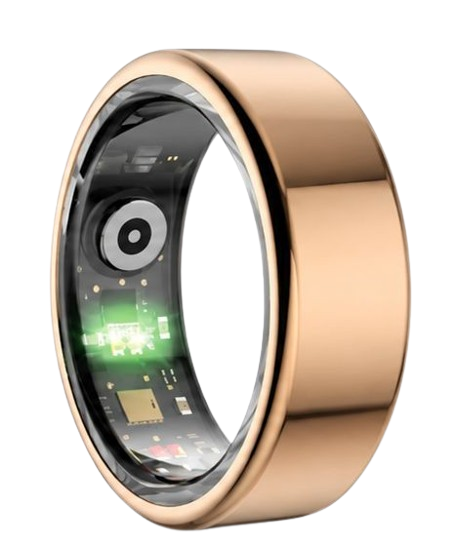
The Herz P1 Smart Ring tracks HRV, Sleep, Heart Rate & SpO2 around the clock. No subscriptions. No renewals. Ever.
In This Article
- Biometric Analysis: Is a heart rate of 90 at rest healthy or concerning?
- Autonomic Strain: How autonomic balance and cortisol affect your baseline pulse.
- Sleep and Recovery: Why nocturnal heart rate dipping matters for physical repair.
- Actionable Guidance: Natural strategies to safely optimize and lower your resting pulse.
- Technology Insights: How premium smart rings monitor heart metrics without monthly fees.
Is a Heart Rate of 90 at Rest Normal or High? Decoding Your Body’s Silent Signal
What is a Resting Heart Rate?
Your resting heart rate is the number of times your heart beats per minute when you are completely at ease physically and mentally.
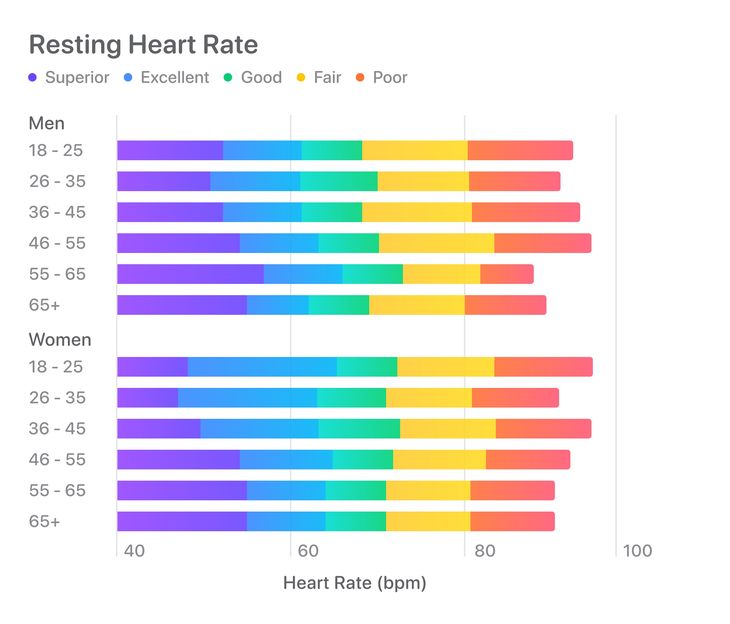
Clinical standards typically define a healthy resting pulse as anywhere between sixty and one hundred beats per minute.
However, a constant resting heart rate of 90 sits on the high end of this spectrum and deserves careful observation.
When reviewing the average human resting heart rate, most healthy adults exhibit baseline measurements closer to seventy beats per minute.
Who Should Keep a Close Eye on 90 BPM?
This elevated resting rate of ninety often impacts busy office workers, chronic multi-taskers, and individuals enduring prolonged psychological pressure.
It is also frequently observed in people who suffer from chronic sleep deprivation or those who consume excessive amounts of caffeine.
Both sedentary individuals and people recovering from hidden infections may also notice their baseline pulse climbing toward ninety.
When Does an Elevated Pulse of 90 Matter Most?
Your pulse rate is highly dynamic and fluctuates naturally throughout the day based on your body’s metabolic demands.
An isolated reading of ninety beats per minute during a stressful meeting is completely expected and physiologically healthy.
The concern arises when your pulse remains at ninety during times of complete physical stillness, such as early morning awakening.
Tracking these patterns requires continuous monitoring to differentiate temporary spikes from sustained elevated baselines.
Where Does Your Pulse Signal Originate?
Your pulse rate originates from the sinus node, which is the natural pacemaker located in the right atrium of your heart.
To capture this signal, traditional wearables measure arterial blood flow variations from the wrist or finger.
Establishing your normal heart rate sitting requires a stable sensor interface that remains undisturbed by daily movement.
Why Does Your Resting Pulse Climb to 90?
An elevated pulse often indicates that your sympathetic nervous system is highly active, releasing stress hormones like adrenaline.
Dehydration can also cause your blood volume to drop, forcing the heart to beat faster to maintain oxygen delivery.
Other factors include mild systemic inflammation, poor cardiovascular conditioning, thyroid imbalances, or insufficient recovery.
How Does Your Autonomic Nervous System Regulate Your Heart?
Your autonomic nervous system continuously balances your pulse using two main branches: the sympathetic and parasympathetic systems.
When the parasympathetic system is suppressed, your heart loses its natural braking mechanism, allowing the pulse to rise.
By monitoring these shifts, you can identify whether your body is stuck in a chronic fight-or-flight state.
How Much Does 90 BPM Deviate from Clinical Standards?
According to guidelines from the American Heart Association, a resting pulse consistently over one hundred beats per minute is classified as tachycardia.
While ninety is not clinically defined as tachycardia, it is significantly higher than the optimal average rhr of sixty to eighty.
Consulting a standard resting bpm chart reveals that ninety falls into the “above average” or “poor” category for cardiovascular fitness.
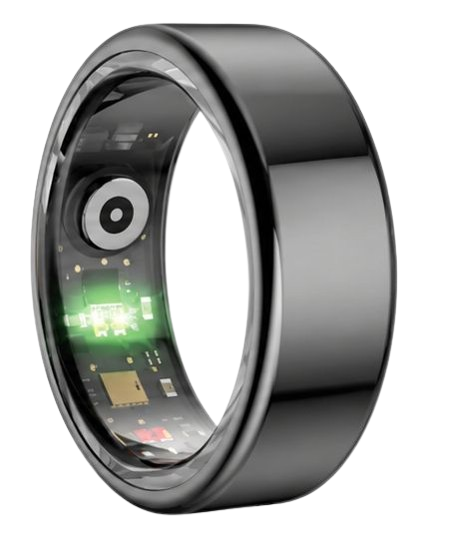
To keep an eye on these fluctuations, the Herz P1 Smart Ring monitors your pulse 24/7 to provide continuous, personalized health trends — explore it here.
90-Day 100% Money-Back Guarantee
“The Herz Smart Ring helps me manage stress easily. It’s accurate, stylish, and lightweight—perfect for my busy life!”
— Jennifer P. | ✔ Verified Customer
- ✓ 6-Day Battery Life
- ✓ Detailed Sleep Analysis
- ✓ Fast 1-Hour Charging
- ✓ iOS & Android Ready
Questions? Call: 1-866-479-1629
The Autonomic Balance: Why a Resting Pulse of 90 Reflects Systemic Strain
Your heart does not beat at a completely rigid, uniform frequency.
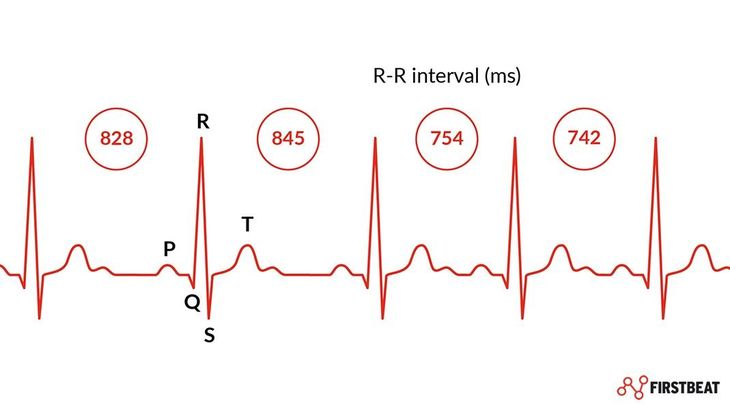
Instead, the time interval between consecutive heartbeats varies naturally from millisecond to millisecond.
This natural variation is known as heart rate variability, or HRV.
A healthy, resilient autonomic nervous system produces a high degree of variation, indicating that the body can adapt quickly to changing demands.
When your 90 bpm while resting remains static, your HRV typically drops to very low levels.
This physiological state suggests that your sympathetic nervous system is dominating your internal biology.
Under sympathetic dominance, the body directs its energy toward survival, restricting digestion, cellular repair, and immune functions.
Over time, this chronic imbalance can lead to arterial stiffness, high blood pressure, and systemic fatigue.
Many people ask, is 60 a good resting heart rate, and the answer is generally yes, as it reflects excellent vagal tone and cardiovascular efficiency.
Even a value slightly higher, such as deciding if is 73 a good resting heart rate, indicates a much lower workload on the heart muscle than ninety beats per minute.
At ninety beats per minute, your heart beats approximately one hundred and thirty thousand times per day.
At sixty beats per minute, that number drops to eighty-six thousand four hundred beats per day.
This difference represents over forty thousand unnecessary heartbeats every single day, putting a continuous strain on your cardiac muscle.
Team Herz P1 engineered our multi-wavelength PPG sensors to capture these subtle shifts in autonomic balance every five minutes.
This continuous background tracking ensures you never have to guess whether your body is recovering or burning out.
Sleep Architecture: What Overnight Heart Rate Patterns Reveal About Recovery
During healthy sleep, your cardiovascular system undergoes a restorative process characterized by a significant drop in heart rate.
Cardiologists call this phenomenon “nocturnal dipping,” where your heart rate should decrease by ten to twenty percent below your daytime resting baseline.
If you fall asleep with an elevated baseline, your body struggles to transition into deep, restorative slow-wave sleep.
Deep sleep is highly critical because it is the phase where physical tissues repair, muscle mass is built, and growth hormones are released.
When you have a constant resting heart rate of 90, your heart may not dip sufficiently during the night.
This lack of dipping leads to sleep fragmentation, causing you to wake up feeling exhausted despite spending eight hours in bed.
Furthermore, your brain relies on REM sleep to process emotions, consolidate memories, and clear out metabolic waste products.
An overactive cardiovascular system interrupts these delicate sleep stages, leaving you feeling mentally foggy the next morning.
If your resting pulse climbs even higher, you might wonder, is a resting heart rate of 100 bad, which is indeed a threshold that medical experts closely associate with clinical tachycardia.
A pulse of ninety is a warning signal from your autonomic nervous system that you are approaching that clinical threshold.
Our team at Herz P1 has analyzed sleep architecture data across thousands of active users to understand these overnight recovery cycles.
The Herz P1 Smart Ring utilizes advanced infrared and red light sensors to measure blood oxygen saturation, or SpO2, alongside heart rate during sleep.
If your overnight oxygen levels drop while your heart rate spikes to ninety, it could indicate underlying issues like sleep apnea or heavy snoring.
Tracking these synchronized biometrics gives you a comprehensive view of your systemic health without needing a clinical sleep laboratory.
Practical Guide: Actionable Protocols for Lowering a High Resting Heart Rate
Fortunately, a high resting pulse is highly responsive to consistent, targeted lifestyle adjustments.
The most effective starting point is committing to structured cardiovascular training designed to strengthen your heart muscle.
Over time, aerobic training increases your heart’s stroke volume, meaning it pumps more blood with every single beat.
As your stroke volume increases, your heart does not need to beat as frequently, thereby reducing resting heart rate naturally.
Another critical element is daily hydration, as even mild dehydration reduces blood volume and raises your heart rate.
We recommend drinking at least eight to ten glasses of water daily, especially if you spend long hours in dry, air-conditioned offices.
Managing daily stress through breathwork can also yield immediate improvements in your resting heart rate.
Practicing slow, diaphragmatic breathing for just five minutes activates your vagus nerve, sending an immediate calming signal to your heart.
Our companion app features built-in stress visualization tools that let you see your HRV rise and your pulse fall in real-time during breathing exercises.
Unlike heavy, distracting smartwatches, the Herz P1 Smart Ring is incredibly light and comfortable to wear during these restorative sessions.
Wearing the ring continuously allows you to establish a highly accurate baseline, making it easy to spot positive trends as your fitness improves.
Common Mistakes in Biometric Tracking: Bulky Wearables and Subscription Fatigue
Many health-conscious individuals try to track their biometrics using traditional, bulky smartwatches.
However, wearing a large, heavy watch to bed is highly uncomfortable and can disrupt your natural sleep patterns.
Furthermore, if the watch moves or loses contact with your skin during the night, the sensor data becomes highly inaccurate.
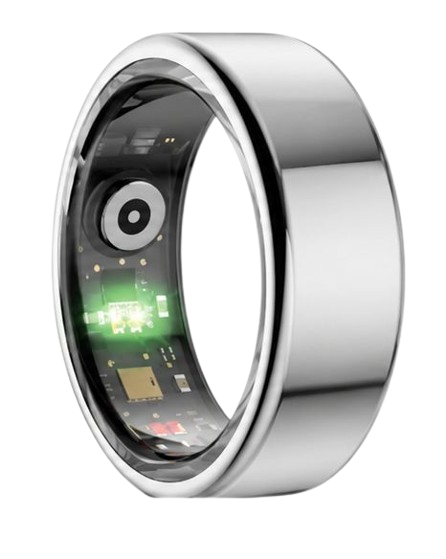
The Herz P1 Smart Ring is crafted from ultra-light, military-grade steel that fits seamlessly around your finger.
Because the blood vessels in your fingers are closer to the skin surface than those in your wrist, optical rings provide exceptionally clean PPG signals.
Another common frustration in the wearable industry is the hidden cost of ongoing monthly subscriptions.
Some popular brands charge up to eighty dollars a year just to let you view your own health data.
At Team Herz P1, we believe that access to your personal biological insights should never be locked behind a paywall.
Our comprehensive health tracking application is completely free for lifetime, with no subscription fees or hidden costs ever.
With our ninety-day money-back guarantee and a robust two-year warranty, you can track your health with absolute peace of mind.
Frequently Asked Questions Regarding Resting Heart Rate and Herz P1
Is the Herz P1 Smart Ring waterproof?
Yes, the Herz P1 is fully IP68 waterproof and built to withstand depths of up to one hundred and sixty-four feet.
You can confidently wear your smart ring while swimming, showering, washing your hands, or sweating in a hot sauna.
The durable military-grade steel outer shell protects the delicate internal sensors from moisture in any environment.
How long does the battery of the Herz P1 last?
The smart ring features an ultra-efficient battery that lasts up to six full days on a single charge.
When the battery is depleted, it charges back to one hundred percent in under one hour using the included charger.
This rapid charging capability means you will rarely miss a single minute of continuous biometric tracking.
Which finger is best to wear the Herz P1 smart ring on?
For the highest degree of biometric accuracy, we recommend wearing the ring on your index finger.
The middle and ring fingers are also excellent alternatives if you prefer a different look or fit.
Ensure the internal sensor bumps remain securely against the palm side of your finger for uninterrupted data collection.
Does the Herz P1 smart ring store data offline?
Yes, the ring has built-in local memory that can store up to seven days of biometric data offline.
Your stored data will automatically sync to the app the next time your ring connects via Bluetooth.
This feature is highly useful for camping trips, long flights, or times when you want to unplug from your phone.
A Smarter Path to a Healthier Heart
Ready to monitor your health every day? Explore the Herz P1 Smart Ring and see if it fits your lifestyle. Call: 1-866-479-1629 — our team can help you advise on the correct ring size and set personalized health goals.
Note: Individual results may vary depending on individual health conditions, age, and lifestyle habits. This article is intended for general health reference purposes only.
