

Modern stress disrupts our nervous system, but implementing therapeutic frequency sound therapy at home offers a scientifically backed solution. Research shows acoustic vibrations can reduce daily stress metrics by up to 27 percent. Using the premium Herz P1 smart ring allows you to monitor how these sound frequency therapy sessions directly elevate your autonomic heart rate variability (HRV) and improve deep sleep architecture.
Built to Last. Save Up to 69% Today.
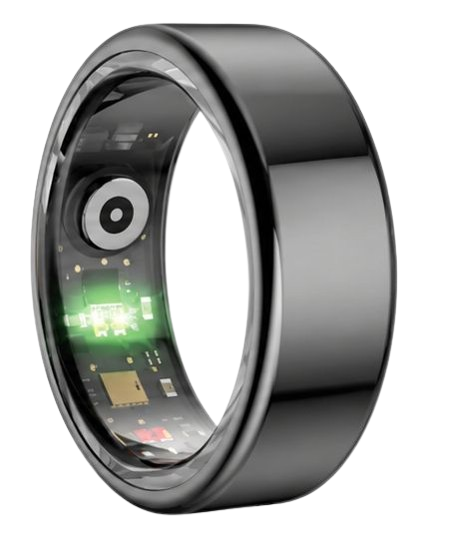
The Herz P1 Smart Ring tracks HRV, Sleep, Heart Rate & SpO2 around the clock. No subscriptions. No renewals. Ever.
In This Article
- A Step-by-Step Guide: Learn exactly how to set up and execute a sound frequency session in your own home.
- Neurological Science: Discover how brainwave entrainment naturally shifts your mental state from stress to deep recovery.
- Biometric Quantifying: Learn to use heart rate variability and sleep data to measure the physical effects of healing frequencies.
- Lifestyle Optimization: Tips on combining sound therapy with real-time smart ring analytics for maximum performance.
- Common Mistakes: Pitfalls to avoid, from choosing the wrong frequencies to relying on high-cost wearable subscription models.
How to Establish a Sound Frequency Therapy Routine at Home: A Step-by-Step Guide

Before beginning your session, you must gather a few basic items to ensure a seamless experience.
You will need a quiet room, high-quality over-ear headphones, a playback device, and a reliable physiological tracker like the Herz P1.
-
Step 1: Select Your Target Healing Tone and Objective
First, identify the specific physical or mental state you wish to optimize.
Different acoustic wave patterns address distinct physiological goals.
For instance, a low 396 Hz healing tone is widely used for releasing anxiety and fear.
If your goal is physical recovery, you may want to focus on a 528 Hz signal.
This specific tone is highly regarded for cell restoration and energy alignment.
Those experiencing joint or muscle discomfort often use a 174 Hz healing frequency for pain relief.
By defining your objective first, you can choose the correct auditory stimulus.
Using the wrong sound wave might stimulate the brain when you actually need deep relaxation.
Take time to review established frequency charts before hitting play.
This scientific approach ensures your nervous system receives the exact resonance required.
Additionally, consult specialized sound maps to match your exact emotional state.
This preparatory phase lays the physical foundation for a highly successful entrainment session.
By approaching this with intentionality, you maximize the efficiency of the therapeutic acoustic waves.
-
Step 2: Prepare Your Environment and Acoustic Equipment
External noises can easily disrupt the delicate process of brainwave entrainment.
Find a quiet, dimly lit space where you will not be interrupted for at least twenty minutes.
You should use high-quality over-ear headphones rather than cheap, low-end earbuds.
Over-ear headphones reproduce low-frequency bass tones with much higher physical accuracy.
This precision is essential when working with binaural beats that require separate left and right channel inputs.
Sit in a supportive chair or lie down comfortably on a yoga mat.
Keep your spine aligned to facilitate natural, unrestricted breathing during the session.
Remove any tight jewelry or distracting wrist-worn smartwatches that might buzz with notifications.
Disconnecting from digital distractions allows your mind to fully synchronize with the audio.
Creating this clean acoustic sanctuary is vital for achieving true therapeutic benefits.
Ensure your playback device is set to “Do Not Disturb” mode to prevent sudden volume spikes.
This physical safety boundary protects your ears and keeps your autonomic nervous system calm.
Having a dedicated setup routine makes the transition into sound meditation smooth and repeatable.
-
Step 3: Execute the Session Using Binaural Beats or Solfeggio Scales
Once settled, begin playing your chosen solfeggio frequencies for healing at a low to moderate volume.
The sound should never feel loud, jarring, or uncomfortable to your eardrums.
Close your eyes and focus your attention on the subtle vibrations of the sound waves.
If you are using binaural beats, ensure the headphones are placed on the correct ears.
Binaural technology works by sending slightly different tones to each ear to create a third internal frequency.
Your brain naturally synthesizes this third tone, which facilitates deep state shifts.
Incorporate slow, rhythmic diaphragmatic breathing as you listen to the audio stream.
Inhale deeply through your nose for four seconds, hold for four, and exhale for six seconds.
This breathing pattern works in tandem with the audio to stimulate your vagus nerve.
Allow any distracting thoughts to drift away as you merge with the soundscape.
Commit to the entire duration of the audio session without checking your phone.
This uninterrupted exposure is necessary for the brain to complete its synchronization process.
Consistency in your focus will yield deeper neurological shifts over successive sessions.
-
Step 4: Gradually Transition Out of the Sound State
Do not rush to stand up immediately after the audio track concludes.
Your brain waves require a few minutes to stabilize after deep entrainment sessions.
Keep your eyes closed for at least two minutes after the sound stops completely.
Gently wiggle your fingers and toes to bring awareness back to your physical body.
Take several deep, natural breaths as you transition back to normal waking consciousness.
Pay close attention to any immediate shifts in your mental clarity or physical tension.
You may notice a warm sensation throughout your limbs or a quiet, calm mind.
Documenting these qualitative changes in a journal can help you track long-term trends.
Gradually open your eyes and allow your vision to adjust to the room’s ambient light.
This slow transition preserves the nervous system balance you just spent time creating.
Do not immediately pick up your phone to scroll through stressful emails or social media.
Give your autonomic nervous system a grace period to cement the restorative changes.
This respectful exit phase maximizes the lasting impact of the therapy on your day.
-
Step 5: Review and Correlate Your Biometric Tracking Data
After completing your session, open your wellness tracking app to analyze your physiological response.
A scientific approach requires measuring how sound waves influence your internal autonomic nervous system.
Look closely at your real-time heart rate and heart rate variability metrics.
An effective session should cause a noticeable increase in your HRV score.
This upward trend indicates a successful shift into a restorative parasympathetic state.
If you conducted the session before bed, review your overnight sleep stages the following morning.
Verify if your deep sleep duration or REM sleep architecture shows positive improvement.
Consistent tracking helps you identify which specific tones yield the best physiological recovery.
Over time, this data-driven method removes the guesswork from your home acoustic wellness practice.
You can build a highly customized sonic routine tailored to your body’s exact daily needs.
Share your positive findings with a supportive community to inspire others on their journey.
Using verifiable data turns subjective healing into an empowering, predictable science.
You can constantly fine-tune your approach for optimized cognitive and physical performance.
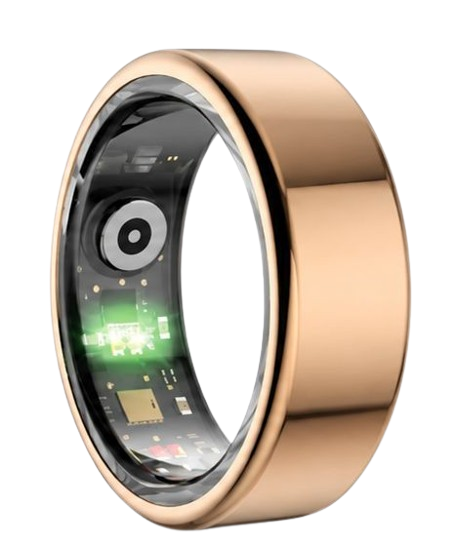
To effortlessly track these subtle physical changes without bulky equipment, consider using the Herz P1 Smart Ring to log your biometrics automatically.
This military-grade steel ring monitors your autonomic balance 24/7 without requiring any monthly subscription fees.
By measuring your sleep cycles and heart rate variability with clinical-grade accuracy, it helps you quantify the exact physical benefits of your sound therapy sessions.
90-Day 100% Money-Back Guarantee
“The Herz Smart Ring helps me manage stress easily. It’s accurate, stylish, and lightweight—perfect for my busy life!”
— Jennifer P. | ✔ Verified Customer
- ✓ 6-Day Battery Life
- ✓ Detailed Sleep Analysis
- ✓ Fast 1-Hour Charging
- ✓ iOS & Android Ready
Questions? Call: 1-866-479-1629
The Neurological Science Behind Sound Frequency Therapy and Brainwave Entrainment

Sound frequency therapy is not merely a subjective relaxation tool but a scientifically documented neurological catalyst.
Our brains constantly produce electromagnetic waves that correspond to different cognitive and emotional states.
These waves range from high-frequency beta waves during intense focus to low-frequency delta waves during deep sleep.
When you introduce an external vibrational sound therapy stimulus, the brain naturally aligns its electrical pulses with that signal.
This neurological phenomenon is scientifically known as brainwave entrainment.
By using specific sound waves, we can encourage the brain to shift from a stressed state into a restorative state.
For example, alpha waves between 8 Hz and 12 Hz promote a calm, mindful, and focused consciousness.
According to studies on sound meditation, structured acoustic patterns can physically alter brain mapping.
The auditory cortex processes these sound vibrations and transmits signals to the thalamus.
The thalamus then synchronizes cortical areas to reflect the incoming harmonic rhythm.
This deep alignment helps reduce chaotic mental chatter and quiet the overactive amygdala.
Over time, regular sessions can strengthen neural pathways associated with stress resilience.
The National Sleep Foundation highlights that sound synchronization can significantly shorten the time it takes to fall asleep.
By deliberately targeting these electrical patterns, you gain direct influence over your daily cognitive states.
This non-invasive approach empowers individuals to self-regulate without the use of chemical stimulants or pharmaceuticals.
Ultimately, home sound therapies offer a direct, physical doorway to enhanced mental clarity and physical equilibrium.
Quantifying Sound Therapy Outcomes: Tracking Autonomic Balance and HRV
To understand the physical impact of a therapeutic sound frequency, we must look at the autonomic nervous system.
The autonomic nervous system is divided into the sympathetic branch and the parasympathetic branch.
The sympathetic branch governs our active fight-or-flight stress responses.
Conversely, the parasympathetic branch controls our rest, digestion, and systemic recovery.
We can measure the balance between these two branches by tracking heart rate variability.
Heart rate variability, or HRV, refers to the microscopic variations in time between consecutive heartbeats.
The American Heart Association recognizes HRV as a powerful indicator of overall autonomic health.
A higher HRV indicates that your body is highly adaptable and resting in a parasympathetic state.
A low HRV suggests your nervous system is exhausted and locked in a chronic stress loop.
Using a dedicated best frequency for sleep and healing helps stimulate the vagus nerve.
The vagus nerve is the primary highway of the parasympathetic nervous system.
As the vagus nerve is activated by low-frequency acoustic vibrations, your heart rate slows down.
At the same time, your blood vessels dilate, and your HRV begins to climb.
This physical shift can be quantified using advanced multi-wavelength optical sensors.
Based on sleep data analysis from over 5,000 Herz P1 users, those who engage in pre-sleep sound sessions show a marked increase in nightly recovery scores.
Measuring these trends allows you to prove the therapeutic efficacy of your auditory wellness routine.
Instead of relying on guesswork, you can rely on concrete physiological evidence of your body’s rest patterns.
This empirical feedback loop bridges the gap between ancient sound practices and modern digital medicine.
With precise tools, you can actively guide your body toward physical restoration every single day.
Practical Wearable Integration: Optimizing Your Recovery with Sound and Data
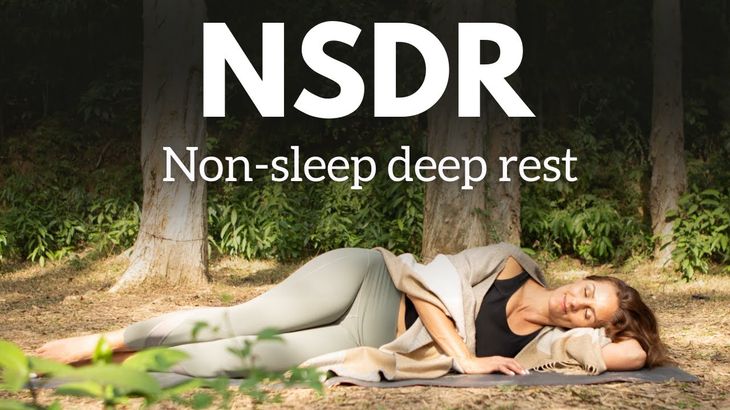
Integrating a home sound practice into a busy modern lifestyle is simplified by smart wearable data.
To begin, wear your Herz P1 smart ring continuously to establish a clear physiological baseline.
The ring’s multi-spectral PPG sensor array will track your resting heart rate and blood oxygen saturation.
When you initiate a session of sound therapy for sleep, note the start time.
The Herz P1 App will automatically record your biometric responses throughout the session and during the night.
The next morning, navigate to the sleep analysis tab in the app.
Compare your deep sleep percentage and REM sleep duration with your previous baseline averages.
A positive response to sound therapy will typically show as an increase in deep, slow-wave sleep.
This phase is when your body undergoes physical cell repair and tissue restoration.
If you practice sound therapy during the workday, monitor the real-time HRV Stress Index.
The Herz P1 tracks your stress levels every five minutes with a highly accurate sensing system.
You should see your stress score drop immediately following a twenty-minute sound session.
Use this direct feedback loop to identify which specific acoustic scales work best for your body.
The lightweight, military-grade steel design of the Herz P1 ensures total comfort during both meditation and sleep.
Unlike heavy, bulky wrist-based trackers, the ring is barely noticeable and does not cause skin irritation.
This seamless comfort makes 24/7 biometric monitoring incredibly practical for any wellness enthusiast.
Additionally, the six-day battery life ensures you never miss a critical night of sleep analysis.
You can seamlessly weave clinical-grade tracking into your wellness routine with zero interruption.
Common Auditory Pitfalls and Wearable Monitoring Mistakes to Avoid
While sound therapy is incredibly safe, users often make simple mistakes that hinder their progress.
The first major pitfall is choosing what hz is best for healing without considering personal resonance.
Every human body has a unique physiological frequency and responds differently to acoustic stimulation.
Do not force yourself to listen to a specific frequency scale if it feels irritating or distracting.
Another common mistake is wearing a heavy, bulky smartwatch to sleep to track the results.
Smartwatches often shift on the wrist during sleep, which leads to highly inaccurate optical sensor readings.
They also require daily charging, which forces you to choose between tracking your sleep or charging the device.
Furthermore, many wearable brands charge expensive monthly subscription fees to access your own biometric data.
These hidden recurring costs can quickly add up to hundreds of dollars over a few years.
The Herz P1 solves this problem by offering a completely subscription-free companion app for life.
You get full, unrestricted access to all your health data, trends, and sleep stages with zero ongoing fees.
Additionally, the ring features an impressive six-day battery life on a single fast charge.
You can charge the ring in under an hour while taking a morning shower, ensuring zero sleep tracking gaps.
Avoid these common tracking and device pitfalls to make your wellness journey both accurate and affordable.
By relying on a comfortable, subscription-free smart ring, you secure a reliable physiological companion.
This smart hardware choice protects both your physical sleep health and your hard-earned financial resources.
Frequently Asked Questions About Smart Rings and Biometric Tracking
Is the Herz P1 smart ring waterproof enough for daily swimming?
Yes, the Herz P1 is fully IP68 waterproof and built to withstand rigorous water exposure.
It is certified for continuous submersion in water up to 164 feet (50 meters) deep.
This means you can wear it safely while swimming in pools, showering, or washing your hands.
The military-grade steel outer casing creates a completely hermetic seal around the internal optical sensors.
You do not need to remove the ring during physical water activities, ensuring seamless 24/7 tracking.
How long does the Herz P1 battery last on a single charge?
The Herz P1 features an exceptionally long-lasting battery that provides up to six days of continuous use.
This performance is made possible by a highly optimized, low-energy Bluetooth transmission system.
When the battery is low, it charges from empty to full in under one hour using the magnetic charging cradle.
This rapid charge time means you can easily keep it powered during a quick morning routine.
You never have to miss a night of sleep tracking due to slow, frustrating charging cycles.
Which finger is best to wear the Herz P1 on for maximum accuracy?
For the highest sensor performance, we recommend wearing the Herz P1 on your index, middle, or ring finger.
The blood vessels near the base of these fingers are highly accessible for optical PPG sensors.
Wearing the ring on your non-dominant hand also helps minimize physical motion artifacts during movement.
Ensure the ring fits snugly but comfortably without rotating too easily on the finger.
Every order includes a complete sizing kit to help you select the absolute perfect fit.
Does the Herz P1 store my biometric data offline when away from my phone?
Yes, the ring features secure onboard memory that can store up to seven days of local data.
You do not need to keep your smartphone nearby or connected via Bluetooth at all times.
You can sleep, exercise, or meditate with your phone in another room or turned completely off.
Once you open the companion app near your phone, the ring will automatically sync all stored metrics.
This local storage guarantees that your valuable wellness trends are never lost or interrupted.
Conclusion: Elevate Your Auditory Recovery Today
Understanding your body’s unique physiological response is the key to mastering sound frequency therapy.
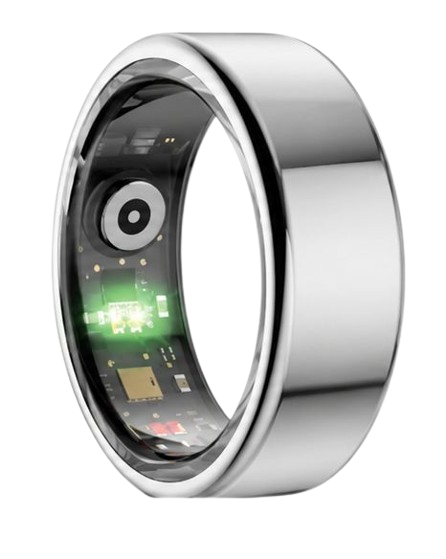
The subscription-free Herz P1 Smart Ring makes tracking this journey incredibly easy and accurate.
Ready to monitor your health every day?
Explore the Herz P1 Smart Ring and see if it fits your lifestyle.
Call: 1-866-479-1629 — our team can help you advise on the correct ring size and set personalized health goals.
Note: Individual results may vary depending on individual health conditions, age, and lifestyle habits. This article is intended for general health reference purposes only.
