

Have you ever woken up, glanced at your sleep tracker, and wondered why your heart rate lower when sleeping is such a consistent trend? This biological shift is actually a vital indicator of cardiovascular health and autonomic recovery. To help you decode these critical nighttime signals, the subscription-free Herz P1 Smart Ring tracks your heart rate, HRV, and sleep architecture 24/7 with clinical-grade optical sensors. By monitoring these sleep trends, you can easily optimize your daily energy and catch potential health warnings early.
Built to Last. Save Up to 69% Today.
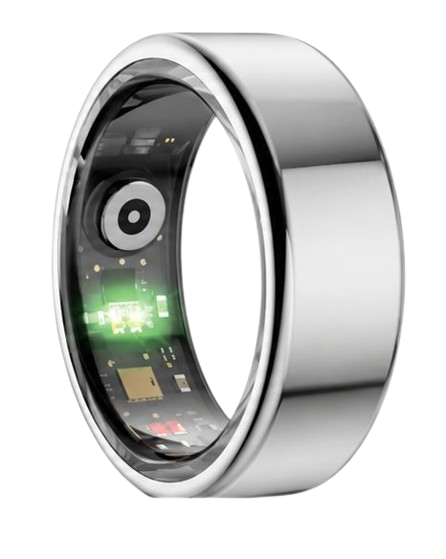
The Herz P1 Smart Ring tracks HRV, Sleep, Heart Rate & SpO2 around the clock. No subscriptions. No renewals. Ever.
In This Article
- The Science of Sleeping Pulses: Why your body naturally slows your heart rate while you sleep.
- PPG Sensor Technology: How advanced smart rings track your heart rate without bulky wrist straps.
- Cardiovascular Safety Thresholds: Distinguishing between healthy athletic bradycardia and potential warnings.
- Practical Action Steps: Simple lifestyle changes to improve your heart rate drop and wake up refreshed.
Why Your Heart Rate is Lower When Sleeping: The 5W2H Scientific Breakdown
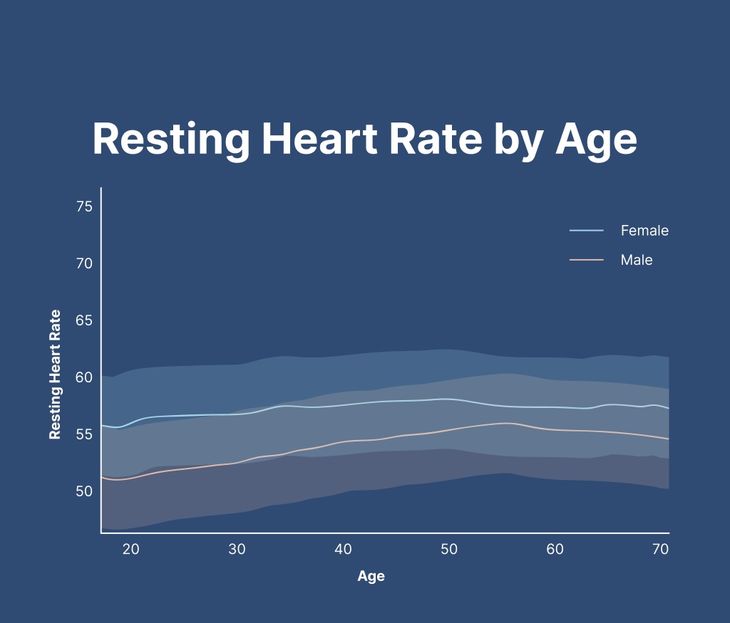
When you transition from wakefulness to slumber, your body undergoes an incredible physiological transformation.
This biological shift is primarily characterized by a noticeable drop in heart rate while sleeping.
But why exactly does this occur, and what does it say about your underlying health?
Let we unpack this phenomenon using the comprehensive 5W2H scientific framework.
What is the Nighttime Heart Rate Drop?
The nocturnal heart rate drop is a natural reduction in your pulse that occurs as your body transitions into sleep.
During waking hours, your heart pumps rapidly to supply oxygenated blood to active muscles and brain tissue.
At night, this physiological demand decreases drastically, allowing your cardiovascular system to enter a state of recovery.
This resting state is vital for cellular repair, tissue growth, and hormone regulation.
Who Experiences This Heart Rate Shift?
This cardiac deceleration is experienced by virtually all healthy individuals across their lifespan.
From young children to elderly adults, the autonomic nervous system naturally orchestrates this nightly slowdown.
Highly trained athletes often notice a much more pronounced resting heart rate drop sleeping due to their highly efficient heart muscles.
Conversely, individuals dealing with high stress, illness, or chronic sleep deprivation may experience a shallower drop.
When Does Your Pulse Reach Its Lowest Point?
Your heart rate does not drop instantly the moment your eyes close.
Instead, it decreases gradually through the initial light sleep stages and reaches its lowest heart rate during sleep during the deepest phases of non-REM sleep.
According to the National Sleep Foundation, this nadir typically occurs in the early morning hours, approximately four to six hours after falling asleep.
During REM sleep, however, your pulse can become erratic due to vivid dreaming, occasionally spiking back up to daytime levels.
Where Does This Autonomic Control Originate?
This entire process is coordinated within the brainstem and the hypothalamus.
These neurological structures serve as the control center for your body’s circadian rhythms and autonomic functions.
They send direct signals to the sinoatrial node, which is the heart’s natural pacemaker, telling it to slow down cardiac contractions.
This ensures that every organ system, especially your blood vessels and cardiac tissues, gets a much-needed break from high-pressure workloads.
Why Does Your Heart Rate Drop When You Sleep?
The fundamental reason why does my heart rate drop when i sleep centers on cardiovascular preservation and energy conservation.
By lowering your pulse, your body conserves precious metabolic energy that can then be redirected toward immune function and memory consolidation.
The American Heart Association notes that this nightly rest period helps reduce overall blood pressure and lowers your long-term risk of cardiovascular disease.
Without this consistent recovery phase, your blood vessels remain under constant tension, which can lead to hypertension over time.
How Does the Body Lower the Heart Rate?
This physiological slowdown is executed through the dominance of the parasympathetic nervous system.
Often referred to as the “rest and digest” system, it releases a neurotransmitter called acetylcholine.
Acetylcholine acts directly on the heart muscle to slow down the electrical impulses that trigger contractions.
At the same time, the sympathetic “fight or flight” system is suppressed, allowing your muscles to relax and your peripheral blood vessels to dilate.
How Much Should Your Heart Rate Drop?
In a healthy adult, a normal cardiovascular response involves a 10% to 20% decline from your average daytime resting pulse.
For example, if your waking resting pulse is 70 beats per minute (BPM), your sleeping pulse should ideally drop to between 56 and 63 BPM.
But exactly how low does heart rate go when sleeping before it becomes a potential clinical concern?
We will explore these safety thresholds and limits in detail within our expert deep-dive sections below.
If you want to track this in real time, the Herz P1 Smart Ring monitors your sleeping heart rate 24/7 — explore it here.
90-Day 100% Money-Back Guarantee
“The Herz Smart Ring helps me manage stress easily. It’s accurate, stylish, and lightweight—perfect for my busy life!”
— Jennifer P. | ✔ Verified Customer
- ✓ 6-Day Battery Life
- ✓ Detailed Sleep Analysis
- ✓ Fast 1-Hour Charging
- ✓ iOS & Android Ready
Questions? Call: 1-866-479-1629
How Smart Rings Track Your Heart Rate Lower at Night
Historically, tracking your cardiac metrics required bulky chest straps or tightly strapped wristwatches.
Today, miniature biometric smart rings have revolutionized how we monitor our body signals.
By fitting snugly around the base of the finger, these sleek devices can comfortably measure your heart rate lower at night without disrupting your rest.
But how does a small band of military-grade metal capture such precise cardiovascular data while you sleep?
The Power of Photoplethysmography (PPG)
The primary technology behind smart rings is Photoplethysmography, or PPG.
This process relies on tiny optical sensors embedded on the inner band of the ring.
These sensors shine light directly into the microvascular bed of your finger’s skin.
As your heart beats, blood vessels expand and contract, altering the amount of light absorbed and reflected back.
The ring’s high-speed photodetector captures these subtle fluctuations and translates them into your pulse rate.
Wavelength Selection for Nighttime Accuracy
Many wrist-based smartwatches use green light sensors for daytime exercise tracking.
While green light is highly effective during rapid movement, its bright flashes can penetrate thin skin and wake sensitive sleepers.
In contrast, the Herz P1 Smart Ring utilizes advanced infrared light (940 nm) and red light (660 nm) for its nighttime measurements.
Infrared light penetrates deeper into the digital arteries of the finger, ensuring medical-grade accuracy without any visible disturbance.
This allows the device to capture continuous, uninterrupted pulse metrics through every stage of sleep.
Why the Finger Base is Globally Superior
The finger is actually an ideal anatomical location for monitoring blood flow and cardiovascular signals.
Unlike the wrist, where thick bones, tendons, and muscle tissue can interfere with optical sensors, the fingers are packed with superficial capillaries.
This high vascular density provides a much stronger signal-to-noise ratio for PPG sensors.
Additionally, because the ring fits securely around the digit, it suffers from minimal movement artifacts when you turn over in bed.
This stability guarantees that your nighttime metrics remain highly accurate and free from data gaps.
Sleep Bradycardia Explained: When is a Low Sleeping Heart Rate Safe?
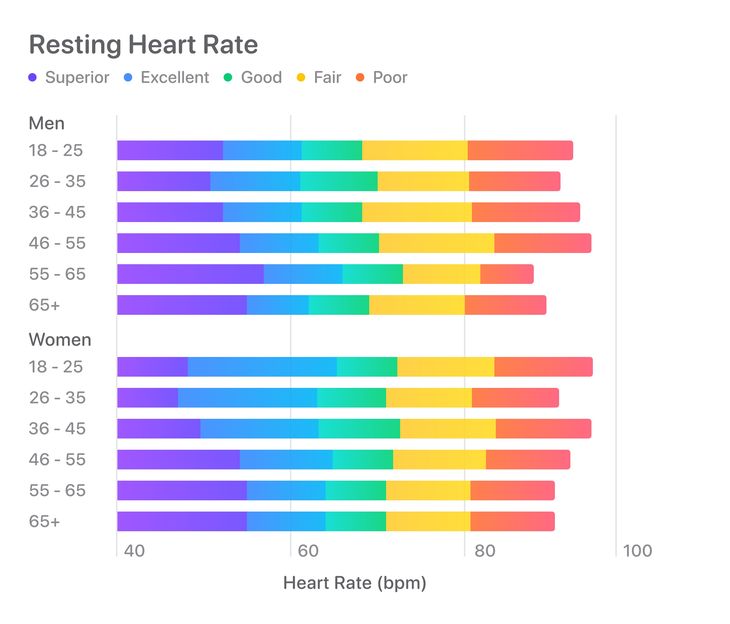
For most healthy adults, a normal waking resting heart rate ranges from 60 to 100 beats per minute.
When you fall asleep, it is entirely normal for this number to drop below the standard 60 BPM mark.
In medical terms, a resting pulse below 60 BPM is referred to as bradycardia.
When it occurs exclusively during sleep, clinicians call it sleep bradycardia.
While seeing a low number on your app can sometimes feel alarming, it is usually a sign of an exceptionally healthy, well-conditioned heart.
Is a Sleeping Heart Rate of 50 Safe?
Having a sleeping heart rate 50 BPM is incredibly common and generally considered very safe.
This range is typical for young adults, individuals who get regular cardiovascular exercise, and people with high vagal tone.
It indicates that your heart muscle is strong and efficient, pumping enough blood with fewer contractions.
During deep non-REM sleep, your metabolic demands drop so low that a pulse of 50 BPM is more than sufficient to oxygenate your tissues.
As long as you wake up feeling refreshed and do not experience daytime dizziness, a pulse in the 50s is an excellent health indicator.
Is a Sleeping Heart Rate of 40 Safe?
Finding that you have a sleeping heart rate 40 BPM can sometimes surprise users who are new to biometric tracking.
For highly conditioned athletes, distance runners, or endurance cyclists, a sleeping pulse in the low 40s is standard.
Their cardiovascular systems are highly optimized, and their stroke volume is significantly larger than average.
However, if you are not an athlete and consistently see your pulse dipping into the low 40s or high 30s, it is worth paying closer attention.
You should assess whether this low rate is accompanied by symptoms like chronic daytime fatigue, shortness of breath, or fainting spells.
When to Consult a Medical Professional
While sleep bradycardia is usually benign, there are situations where it warrants a professional medical evaluation.
If your heart rate drops excessively low and you experience severe daytime sluggishness, brain fog, or dizziness upon standing, consult a doctor.
A physician can rule out underlying issues such as thyroid dysfunction, electrical conduction blocks in the heart, or side effects from medications like beta-blockers.
Tracking these trends with a reliable device like the Herz P1 gives you a detailed data log to share with your healthcare provider.
This objective record is far more useful to a doctor than a single spot-check reading taken in a stressful clinic setting.
Using Your Sleep Data to Optimize Daily Recovery
Gathering data is only the first step; the real magic happens when you use these insights to change your daily life.
Your nighttime pulse data serves as a direct report card on your body’s recovery process.
By understanding how your lifestyle choices affect your sleep biometrics, you can make smarter decisions throughout the day.
Here is how to interpret your metrics and use them to elevate your physical and mental performance.
Decoding Heart Rate Variability (HRV)
Along with your pulse, the Herz P1 Smart Ring monitors your Heart Rate Variability, or HRV.
HRV measures the tiny, millisecond variations in time between consecutive heartbeats.
A higher HRV indicates that your autonomic nervous system is highly adaptable, relaxed, and ready for physical challenges.
A lower HRV suggests that your body is under physical or psychological stress, signaling that it is time to focus on recovery.
By comparing your nightly HRV with your sleeping pulse, you get a clear picture of your nervous system’s balance.
Analyzing Your Pulse Curve Patterns
The shape of your heart rate decline throughout the night provides deep insights into your sleep quality.
In a perfectly rested state, your heart rate should follow a “hammock” curve, dropping rapidly after sleep onset, bottoming out mid-sleep, and rising slightly before waking.
If your pulse follows a “downward slope” curve, only reaching its lowest point right before you wake up, it means your body took too long to wind down.
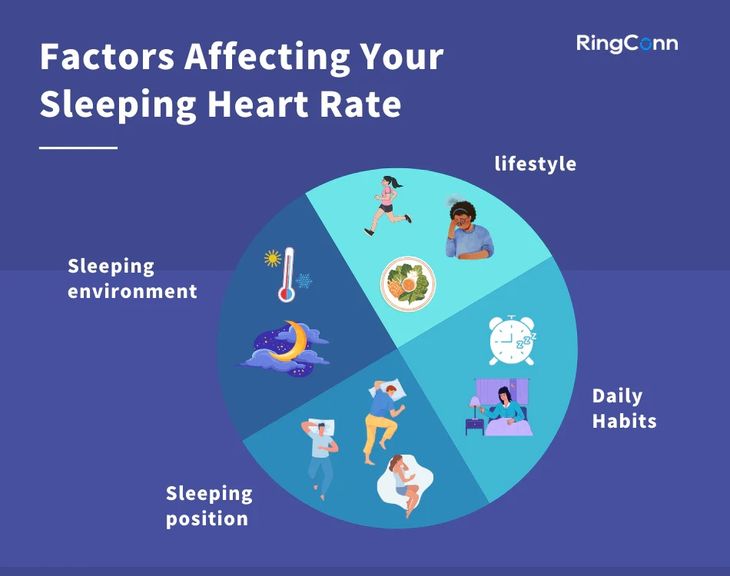
This delayed recovery is often caused by late-night meals, alcohol consumption, or intense evening workouts.
By tracking these curve patterns, you can adjust your evening habits to ensure your heart enters recovery as quickly as possible.
Practical Steps to Improve Your Nightly Pulse Drop
If you notice that your heart rate remains elevated at night, there are several highly effective steps you can take:
- Avoid Late Meals: Finish eating at least three hours before bedtime to prevent digestion from keeping your pulse elevated.
- Limit Evening Alcohol: Alcohol suppresses parasympathetic activity, causing your heart to beat faster while you sleep.
- Optimize Sleep Temperature: Keep your bedroom cool, as elevated ambient heat forces your heart to pump harder to regulate body temperature.
- Practice Evening Mindfulness: Deep breathing exercises before bed can stimulate the vagus nerve, lowering your pulse and prepping your body for deep rest.
Ditching the Bulky Watch: Why Smart Rings Dominate Nighttime Tracking
Many health-conscious individuals try to track their sleep using traditional smartwatches, only to abandon the habit after a few weeks.
Smartwatches are often heavy, bulky, and uncomfortable to wear while sleeping.
They can easily snag on bedsheets, irritate your skin, or wake you up with unexpected screen flashes.
Furthermore, having to plug your watch in to charge every night means missing out on crucial sleep data.
This is where the sleek, unobtrusive design of a smart ring truly shines.
Unparalleled Comfort and Durability
The Herz P1 Smart Ring is crafted from military-grade steel, making it incredibly durable yet remarkably lightweight.
Weighing only a few grams, you will barely notice it on your finger as you drift off to sleep.
Its smooth, hypoallergenic inner liner ensures absolute comfort all night long, with zero skin irritation.
Unlike watches that require frequent washing, the Herz P1 is designed for seamless, 24/7 wear.
It fits effortlessly into your lifestyle, allowing you to capture continuous data without compromising your comfort.
The Truth About Hidden Subscription Fees
Many premium wearable brands hook you with a sleek device, only to lock your health data behind an ongoing monthly paywall.
We believe that you should own your health data outright, without being forced into a monthly subscription.
The Herz P1 Smart Ring requires absolutely zero monthly subscription fees to access your metrics.
The companion app is completely free for lifetime use, giving you unlimited access to your sleep stages, HRV trends, and cardiac logs.
This transparent model means you can invest in your health without worrying about recurring credit card charges.
A Direct Feature Comparison
To help you see the value of a dedicated smart ring, let’s compare the Herz P1 with standard wearable options:
| Feature | Herz P1 Smart Ring | Typical Smartwatch | Other Premium Rings |
|---|---|---|---|
| Form Factor | Ultra-lightweight ring (military-grade steel) | Bulky, heavy wrist chassis | Lightweight titanium/plastic |
| Monthly Fees | $0 (Free App Forever) | Varies ($0 to $10/month) | Often requires $5.99+/month |
| Battery Life | Up to 6 days on a single charge | Typically 1 to 2 days | 5 to 7 days |
| Waterproofing | IP68 (Safe for swimming/showering) | Varies (often splashproof only) | IP68 or equivalent |
| Warranty | 2-Year Full Warranty | Standard 1-year warranty | Standard 1-year warranty |
Frequently Asked Questions About Sleep Heart Rates
Is the Herz P1 Smart Ring completely waterproof?
Yes, the Herz P1 is fully IP68 waterproof, allowing it to withstand water depths up to 50 meters.
This means you can safely wear it while swimming laps, washing your hands, taking a hot shower, or relaxing in the sauna.
The seamless outer shell protects the delicate internal PPG sensors from moisture and corrosion.
You never have to take it off during your daily routines, ensuring continuous tracking through every wet or dry activity.
How long does the battery last on a single charge?
The Herz P1 features an exceptionally long-lasting battery that delivers up to 6 days of continuous tracking.
This efficient power management allows you to track your sleep night after night without worrying about frequent charging.
When it is time to power up, the ring charges from 0% to 100% in under one hour using the included magnetic charger.
Most users find it easiest to quick-charge their ring during their morning shower, ensuring it never runs out of power.
Which finger is best to wear the smart ring on?
For the absolute best biometric signal quality, we recommend wearing the Herz P1 on your index, middle, or ring finger.
These fingers have the highest density of blood vessels near the skin’s surface, which helps the PPG sensors capture clean data.
For most users, the index finger of the non-dominant hand offers the perfect balance of comfort and optical accuracy.
During our sizing process, you will receive a complimentary sizing kit to help you find the absolute perfect fit for your chosen digit.
Does the ring store biometric data offline?
Yes, the Herz P1 features built-in local storage that can hold up to 7 days of detailed health data offline.
This means you do not need to keep your smartphone next to your bed or have Bluetooth enabled while you sleep.
The ring will continue monitoring your heart rate, HRV, and sleep stages silently throughout the night.
The next time you open the free companion app, your stored data will instantly sync and update your health dashboard.

Conclusion: Empower Your Sleep Journey Today
Monitoring your sleeping heart rate is one of the most powerful things you can do to optimize your daily recovery and long-term health.
By using a comfortable, subscription-free tracker like the Herz P1 Smart Ring, you gain clinical-grade insights without any of the daily hassle.
Ready to monitor your health every day? Explore the Herz P1 Smart Ring and see if it fits your lifestyle. Call: 1-866-479-1629 — our team can help you advise on the correct ring size and set personalized health goals.
Note: Individual results may vary depending on individual health conditions, age, and lifestyle habits. This article is intended for general health reference purposes only.
