

Discovering a high body temp during follicular phase can be deeply confusing when you expect your basal readings to remain low and steady before ovulation occurs. Based on clinical menstrual tracking data, unexpected temperature elevations during this initial phase of your cycle often signal subtle shifts in sleep, stress, or lifestyle rather than a true hormonal anomaly. The Herz P1 smart ring monitors these exact physiological variables around the clock, helping you decode your body’s unique circadian rhythms and hormonal patterns without complex tracking routines.
Built to Last. Save Up to 69% Today.
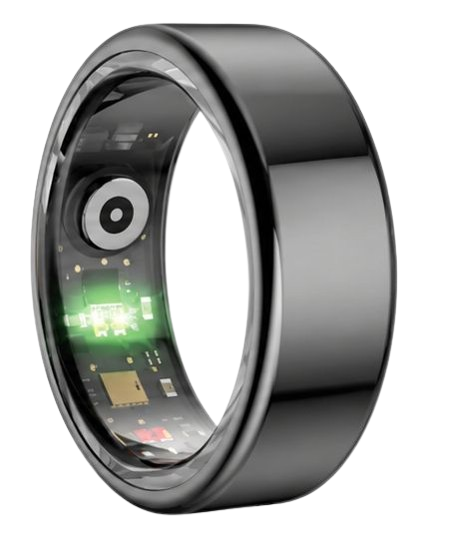
The Herz P1 Smart Ring tracks HRV, Sleep, Heart Rate & SpO2 around the clock. No subscriptions. No renewals. Ever.
In This Article
- How-To Blueprint: Step-by-step instructions to isolate and analyze high follicular phase temperatures.
- Physiological Insights: The complex interplay of estrogen, stress, and sleep on your basal metabolic rate.
- Practical Optimization: Real-world lifestyle adjustments to stabilize erratic cycle charts.
- Tech Solutions: Maximizing accurate biometric readings with the Herz P1 Smart Ring.
How to Identify and Manage High Body Temp During Follicular Phase: A Precision Blueprint

Prerequisites & What You’ll Need
To accurately investigate elevated follicular temperatures, you must establish a highly structured monitoring routine.
You will need a high-precision biometric tracking device capable of registering continuous skin temperature changes while you sleep.
Gather at least 14 days of sequential overnight sleep and recovery metrics to form an initial, clean baseline.
Maintain a highly consistent sleep-wake schedule to ensure your body enters its natural resting thermal state at the same time each night.
Set up a stable bedroom climate control environment to eliminate confounding external variables such as shifting room temperatures.
-
Step 1: Establish Your Basal Temperature Baseline
Your first objective is to capture your resting temperature immediately upon waking or continuously while sleeping.
Basal body temperature represents your body’s lowest metabolic state, which usually stays suppressed under the influence of estrogen.
By automating this data collection using a bbt charting ring, you eliminate the daily errors associated with manual morning thermometer readings.
Ensure that you compile data across at least two full menstrual cycles to map out your unique, healthy temperature ranges.
This long-term baseline is essential for distinguishing an actual physiological anomaly from a simple, momentary reading fluctuation.
-
Step 2: Exclude Environmental and Lifestyle Thermogenic Triggers
External variables are the most common non-hormonal cause of a sudden follicular phase temperature high.
Ensure your sleeping space is kept consistently between 65 and 68 degrees Fahrenheit to prevent overnight skin warmth accumulation.
Avoid eating complex meals, drinking alcohol, or taking thermogenic supplements within three hours of going to sleep.
Metabolic digestion and vascular dilation from these substances raise core body heat and prevent your system from cooling down.
Document these lifestyle variables daily so you can cross-reference them with any unexpected temperature spikes on your chart.
-
Step 3: Analyze Sleep Quality and Late-Night HRV Trends
Restless sleep directly interferes with your body’s natural circadian temperature drops during the night.
Review your deep and REM sleep cycle durations to determine if your body is completing its essential cellular recovery phases.
Track your overnight heart rate variability, noting that low HRV and high resting heart rates often coincide with elevated body heat.
A lack of deep restorative sleep keeps your sympathetic nervous system active, preventing the core cooling process from occurring.
Addressing these sleep fragmentation issues is often the fastest way to stabilize your follicular phase temperature patterns.
-
Step 4: Differentiate True Follicular Shifts From Early Ovulation
An early ovulation event can naturally cause your body temperature to rise sooner in your cycle than you originally anticipated.
Use consistent temperature cycle tracking to visualize your monthly biphasic pattern in real time.
A sustained post-ovulatory temperature rise will typically remain elevated for at least three consecutive days on your chart.
If your temperature spikes for a single day and then drops immediately back to baseline, it is a lifestyle anomaly, not ovulation.
Identifying early cycle transitions prevents you from misinterpreting a normal hormonal shift as an unexplained biological problem.
-
Step 5: Correlate Temperature Fluctuations With Daily Stress Biomarkers
High daily stress triggers a steady release of cortisol, which is a naturally thermogenic and energizing hormone.
Compare your high follicular temperature days directly with your wearable device’s daily stress index scores.
If you see a strong correlation, your elevated temperature is a physical reaction to lifestyle stressors.
Incorporate daily parasympathetic breathing exercises or short walks before bed to help lower your overnight cortisol production.
Correlating stress with temperature allows you to make targeted adjustments that actively protect both your sleep and cycle health.
How Herz P1 Elevates Your Daily Cycle Tracking
The Herz P1 Smart Ring automates this entire scientific blueprint by monitoring your temperature, sleep stages, and HRV around the clock.
Its sophisticated mobile application automatically records your basal temp during period and alerts you to any significant baseline deviations.
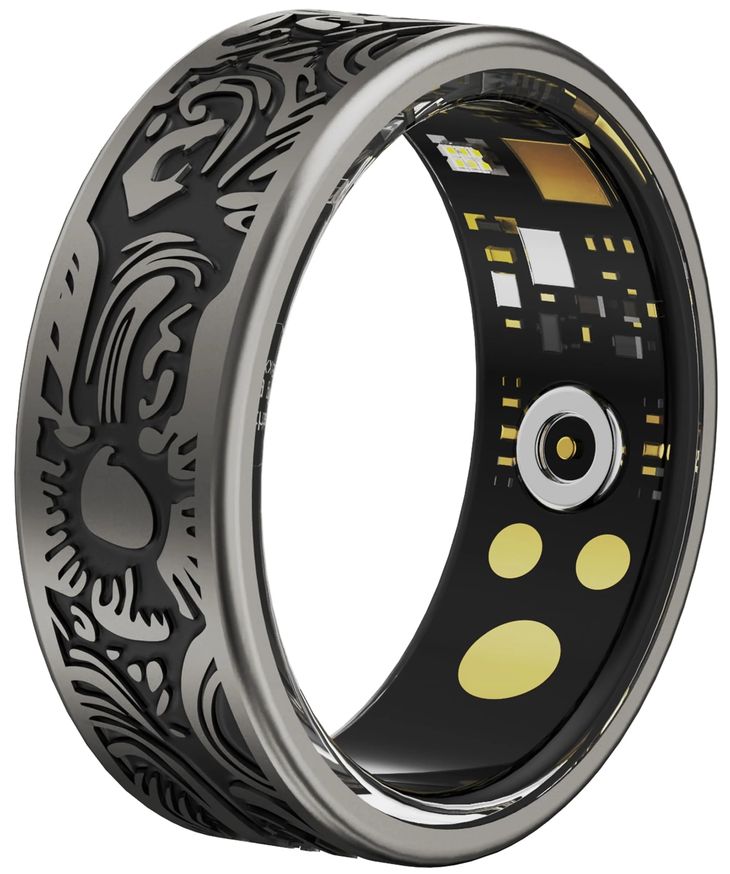
The sleek, sensor-embedded ring sits securely at the base of your finger, delivering consistent skin contact without the discomfort of bulky wearables.
This continuous, sub-millimeter tracking ensures you get clean, reliable data to help you understand your body’s signals every single day.

90-Day 100% Money-Back Guarantee
“The Herz Smart Ring helps me manage stress easily. It’s accurate, stylish, and lightweight—perfect for my busy life!”
— Jennifer P. | ✔ Verified Customer
- ✓ 6-Day Battery Life
- ✓ Detailed Sleep Analysis
- ✓ Fast 1-Hour Charging
- ✓ iOS & Android Ready
Questions? Call: 1-866-479-1629
Understanding Hormonal Temperature Anomalies and the Follicular Baseline

To fully grasp why you might experience a high body temp during follicular phase, it helps to review basic reproductive endocrine pathways.
The follicular phase begins on the very first day of your menstruation and proceeds steadily until ovulation occurs.
During this initial stage, estrogen levels rise gradually while progesterone levels remain highly suppressed.
Estrogen acts as a natural cooling agent in your vascular system, helping to dilate vessels and lower your core temperature baseline.
This cooling effect is why healthy menstrual charts normally display a distinct, lower temperature average during the first half of your cycle.
Conversely, progesterone—the hormone that dominates the subsequent luteal phase—has a powerful, thermogenic effect on the body’s hypothalamus.
Therefore, any unexplained temperature spike during the estrogen-dominated follicular phase is considered a deviation from your metabolic norm.
According to clinical studies published by the National Sleep Foundation, overnight skin temperature variations are highly reflective of autonomic balance.
A sudden, subclinical immune reaction or systemic inflammation can immediately elevate your resting body temperature before any physical symptoms emerge.
Additionally, the American Heart Association confirms that sympathetic nervous system activation directly impacts overnight cardiovascular recovery.
This prolonged cardiac effort keeps your metabolic rate elevated, which ultimately translates to higher basal temperature readings.
By leveraging advanced optical sensors, you can isolate these subtle biological changes and distinguish them from real hormonal temp anomalies.
Recognizing these distinct physiological signals prevents you from feeling anxious about normal, everyday baseline fluctuations.
How Sleep Architecture and stress Circadian Disruptions Elevate Your Basal Temperature
Your body’s natural thermal cycle is tightly controlled by your internal master circadian clock located in the brain.
Normally, your core and skin temperatures begin to decline in the late evening to facilitate healthy sleep onset and deep recovery.
This natural thermal drop is essential for entering the deep slow-wave sleep cycles required for physical muscle and cellular repair.
If your sleep is disrupted by late-night stress, caffeine, or environmental noises, your nervous system remains in a state of sympathetic hyperarousal.
This sympathetic activation keeps your resting heart rate elevated and prevents your peripheral blood vessels from properly dissipating heat.
As a result, your overnight basal temperature remains elevated, leaving you with a higher reading on your morning cycle chart.
By tracking your bbt throughout cycle trends, you can easily observe how closely your sleep quality matches your daily temperature averages.
You will quickly notice that nights with poor sleep scores almost always correlate with higher follicular phase temperatures.
Identifying these patterns allows you to make smart adjustments to your evening wind-down habits before physical fatigue sets in.
This proactive tracking turns abstract numbers into highly useful steps for improving your physical resilience and mental clarity.
Optimizing Your Cycle Recovery Patterns Using Wearable Insights
Stabilizing your follicular temperature baseline requires adjusting your daily physical routines to match your biometric data.
Begin by checking your overnight temperature trends in the mobile app immediately after waking up each morning.
If you see a notable temperature spike during your follicular phase, consider lowering your workout intensity for that day.
Opt for low-stress recovery exercises like stretching, light walking, or yoga instead of intense metabolic weightlifting.
Keep a close eye on your ovulation cycle temperature to ensure your body is still transitioning smoothly between cycle phases.
Create a relaxing evening routine to help shift your nervous system into a restorative, parasympathetic state before bed.
Try simple stress-reduction techniques such as reading, deep belly breathing, or avoiding bright mobile screens after 9:00 PM.
These calming practices help lower your resting heart rate, allowing your body to drop to its ideal temperature during sleep.
When you monitor does temperature drop after ovulation, you develop a complete, data-backed map of your unique hormonal transitions.
This consistent bio-feedback loop takes the guesswork out of managing your daily physical energy and recovery needs.
The core benefit of using bbt ovulation tracking is gaining absolute clarity over how your lifestyle choices directly influence your hormones.
By responding gently to these internal metrics, you can avoid physical burnout and support your natural cycle rhythms.
Crucial Sizing and Charging Mistakes to Avoid for Temperature Accuracy
Many women still rely on traditional oral thermometers to collect their daily cycle tracking data.
However, oral readings are highly sensitive to immediate environmental factors like mouth breathing, talking, or drinking water.
A single restless night or a dry throat can completely distort your manual chart, leading to false cycle assumptions.
Trying to record these delicate temperature shifts with a heavy, bulky smartwatch presents its own set of tracking challenges.
Bulky smartwatches often slide around on your wrist during sleep, causing the optical sensors to lose contact with your skin.
This sensor movement results in highly fragmented data, erratic charts, and inaccurate temperature readings.
Additionally, several well-known wearable brands require an expensive monthly subscription just to view your health data trends.
We believe your personal health metrics belong entirely to you, and accessing them should never require a recurring monthly fee.
The Herz P1 Smart Ring companion app is completely free for life, ensuring you always have unrestricted access to your biological data.
Tracking your basal body temperature before period is simple and straightforward with our lifetime-free software platform.
Selecting a lightweight, military-grade steel smart ring ensures constant skin contact and maximum comfort all night long.
This durable, subscription-free design protects both your wallet and your health-tracking accuracy over the long term.
Frequently Asked Questions About Smart Ring Biometric Tracking
Is the Herz P1 smart ring waterproof?
Yes, the Herz P1 is fully IP68 waterproof and built to withstand continuous water exposure up to 164 feet deep.
You can confidently wear the ring while swimming, showering, washing your hands, or during sweaty high-intensity workouts.
The military-grade steel casing completely seals the delicate internal sensors against any moisture or dust intrusion.
This allows you to maintain seamless, 24/7 biometric tracking without ever having to remove the ring during your daily life.
How long does the battery last on the Herz P1?
The optimized battery inside the Herz P1 delivers up to 6 full days of continuous monitoring on a single charge.
Our low-power Bluetooth and energy-efficient sensors collect detailed metrics without draining battery life prematurely.
When the battery does run low, the fast-charging cradle restores the device to 100% capacity in under an hour.
This rapid charging ensures you rarely miss a single night of critical sleep or temperature tracking data.
Which finger is best to wear the smart ring on?
For the most consistent and accurate biometric readings, we recommend wearing the ring on your index, middle, or ring finger.
The index finger of your non-dominant hand typically offers the strongest blood flow, making it ideal for optical sensors.
Ensure the ring fits snugly against your skin but remains comfortable enough to wear through natural daily hand swelling.
A proper, secure fit prevents ambient light from entering the sensor path and distorting your overnight temperature data.
Does the Herz P1 store data offline if my phone is disconnected?
Yes, the Herz P1 features a local storage chip that safely records up to 7 days of health metrics offline.
You can sleep with your phone in another room or go for a long run without carrying your mobile device.
As soon as your ring reconnects to your phone, all offline data automatically syncs to the companion app in seconds.
This ensures your valuable physical trends are never lost, even when you choose to disconnect from technology.
Conclusion: Your Subscription-Free Wellness Journey Starts Here
Monitoring your follicular temperature changes is the key to unlocking deeper hormonal insights.
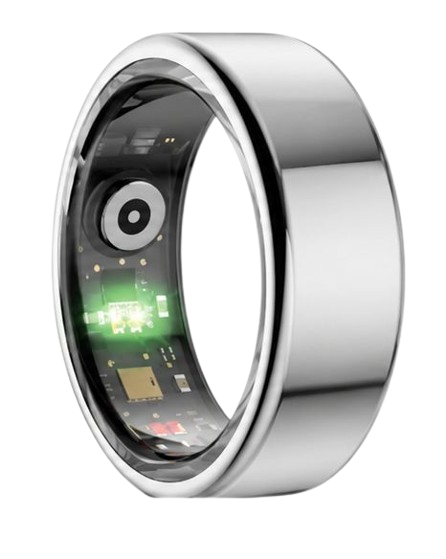
The Herz P1 Smart Ring acts as your constant, reliable companion for decoding these essential body signals.
Ready to monitor your health every day?
Explore the Herz P1 Smart Ring and see if it fits your lifestyle.
Call: 1-866-479-1629 — our team can help you advise on the correct ring size and set personalized health goals.
Note: Individual results may vary depending on individual health conditions, age, and lifestyle habits. This article is intended for general health reference purposes only.
