

Finding deep, restorative rest shouldn’t be an elusive luxury, which is why optimizing your evening routine with a warm bath for sleep is a proven scientific solution. By tracking your body’s subtle bio-signals with the Herz P1 Smart Ring, you can witness the immediate positive impact on your deep sleep stages. This guide reveals how to leverage thermal physics to optimize your sleep architecture starting tonight.
Built to Last. Save Up to 69% Today.
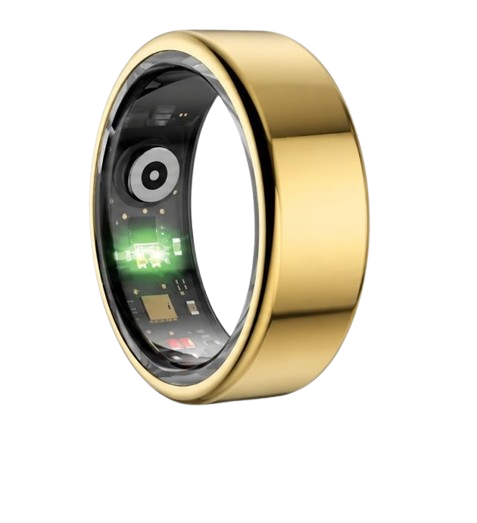
The Herz P1 Smart Ring tracks HRV, Sleep, Heart Rate & SpO2 around the clock. No subscriptions. No renewals. Ever.

In This Article
- The How-To Guide: A step-by-step masterclass to optimizing your hot bath sequence before bed.
- Scientific Deep-Dive: The physical vascular mechanics of core temperature drop and autonomic shift.
- Biometric Mastery: Learn how the Herz P1 Smart Ring isolates sleep architecture shifts without subscriptions.
- Practical Application: Solutions to typical thermal tracking mistakes and charging routines.
How to Optimize Your Warm Bath Routine for Deeper Sleep: A Step-by-Step Guide
To unlock the full restorative potential of thermal therapy, you must treat your evening bath as a precise biological intervention.
This is not simply about soaking in warm water until your skin prunes.
You are actively manipulating your body’s internal thermostat to trigger a massive parasympathetic nervous system response.
Before you begin, gather a basic floating water thermometer, high-quality Epsom salts, organic lavender essential oil, and a cool glass of drinking water.
Ensure your bedroom thermostat is set to a cool temperature, ideally between 60 and 67 degrees Fahrenheit, before you step into the bathroom.
-
Step 1: Determine the Ideal Window (90 Minutes Before Bed)
Timing is critical for your sleep cycle.
You should bathe approximately 90 minutes before your planned sleep time.
This timing aligns perfectly with your natural circadian rhythm.
Studies show this gap allows your core body temperature to decline at the right moment.
If you bathe too close to bedtime, your core temperature remains elevated.
An elevated core temperature prevents quick sleep onset.
It can lead to tossing and turning during the early hours of the night.
On the other hand, bathing too early limits the thermal transition benefit.
Aiming for that 90-minute window yields the best thermoregulatory response.
Our team recommends setting an alarm on your phone to keep this schedule consistent.
Consistency trains your brain to expect relaxation.
This step forms the foundation of your evening thermal therapy.
By scheduling your warm bath before bed correctly, you initiate the perfect biological cascade.
You can easily monitor how different timing shifts affect your latency scores on your app dashboard.
Adjusting this window by even fifteen minutes can show clear differences in your deep sleep data.
-
Step 2: Calibrate the Bath Temperature to the Scientific Sweet Spot
Water temperature dictates your vascular response.
You should aim for a water temperature between 104 and 109 degrees Fahrenheit.
This range represents the best temperature for warm bath sleep according to modern clinical trials.
Water that is too hot will trigger a sympathetic stress response.
This hot-shock response raises your heart rate and spikes your cortisol levels.
Conversely, lukewarm water will not stimulate enough distal vasodilation.
You need the heat to dilate blood vessels in your hands and feet.
Use a reliable floating water thermometer to measure the bath temperature precisely.
If you prefer a quick shower, showering before bed sleep quality benefits also rely on this specific temperature zone.
Let your skin adjust to the warmth gradually over several minutes.
This moderate heat exposure gently tells your body that it is safe to relax.
We recommend keeping the bathroom door closed to retain the warm, humid air during your soak.
This simple environment adjustment prevents sudden chilling when you step out of the tub.
Tracking your immediate skin temperature changes with a wearable device can help you find your personal sweet spot.
Over time, you will recognize the exact temperature that helps you fall asleep fastest.
-
Step 3: Support Vasodilation with Hydration and Ambient Air Control
Vasodilation moves blood flow to your extremities.
This physiological shift requires adequate hydration to prevent blood pressure drops.
Drink a full glass of cool water before entering your warm bath.
Proper hydration supports your heart as it works to circulate blood to your skin.
It also prevents the mild lightheadedness that can occur after a long soak.
At the same time, you should prepare your bedroom air temperature.
Keep your sleeping environment cool, ideally between 60 and 67 degrees Fahrenheit.
When you step out of the bath, the contrast between the warm water and the cool bedroom air accelerates cooling.
This rapid cooling simulates natural sunset patterns for your biological clock.
If your bedroom is too warm, your body cannot shed the absorbed heat.
Reviewing hot weather sleep tips can provide excellent strategies for maintaining a cool bedroom during summer months.
Cold air combined with warm skin is the exact trigger for rapid melatonin release.
This contrast is what makes the sleep warm bath method incredibly powerful.
You are actively manipulating your body’s thermal mechanics to induce natural sleepiness.
Keep your cooling fan running or open a window slightly to encourage gentle airflow in your room.
-
Step 4: Incorporate Calming Sensory Elements
Sensory stimulation can either delay or promote deep rest.
To enhance your bath, dim the bathroom lights or use warm candlelight.
Bright overhead lighting mimics daylight and suppresses natural melatonin production.
You want to signal your brain that the day is officially ending.
Add magnesium-rich Epsom salts to your bathwater to support muscle relaxation.
Magnesium is absorbed through the skin and directly calms the nervous system.
You can also use lavender or chamomile essential oils for soothing aromatherapy.
These small rituals transform your bath into one of the best calming activities for sleep.
Avoid looking at your smartphone or any blue-light-emitting screens while soaking.
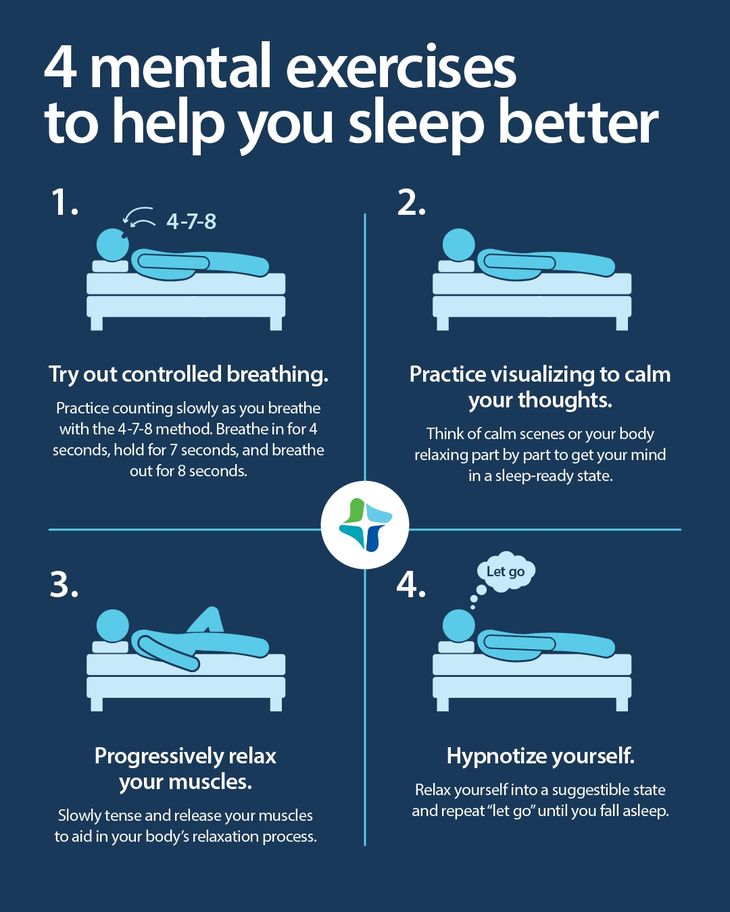
Instead, focus on slow, deep breathing patterns to activate your parasympathetic nervous system.
Try inhaling for four seconds, holding for four, and exhaling for six.
This breathing technique lowers your resting heart rate almost immediately.
Your bath should be a sanctuary from digital distractions and daily stressors.
This intentional sensory quietness prepares your mind for the dream state.
When you step out, you will feel both physically light and mentally quiet.
-
Step 5: Transition to Bed to Capture the Core Temperature Drop
The magic of the warm bath happens after you step out of the tub.
Gently pat your skin dry with a soft, warm towel.
Avoid vigorous rubbing, which can overstimulate your skin and raise your heart rate.
Put on loose, breathable cotton sleepwear that allows heat to escape.
Spend the remaining minutes of your 90-minute window doing quiet, low-energy tasks.
This transitional phase is essential when winding down for the night.
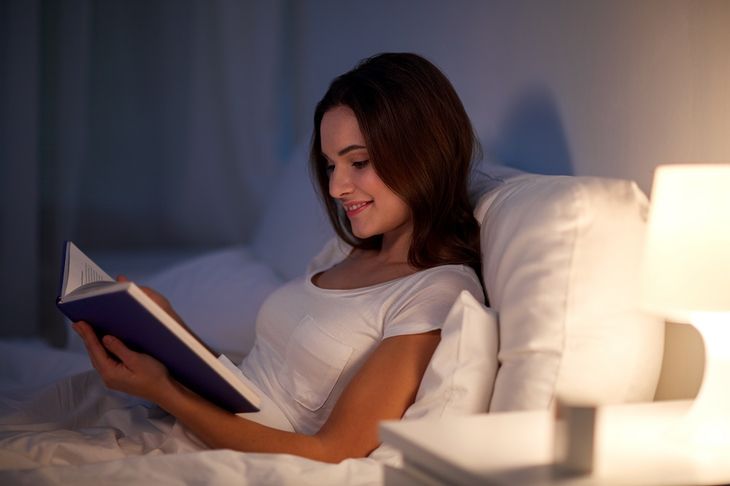
You might read a physical book, write in a journal, or perform gentle stretching.
By the time you climb into bed, your core temperature will be in a steep downward slide.
This rapid drop acts as a powerful trigger for sleep onset.
Knowing how long to soak in bath before bed helps you schedule these transitional steps perfectly.
A fifteen-minute soak is generally ideal for proper thermal transfer without causing dehydration.
Once in bed, close your eyes and let the natural cooling process take over.
Your body is now primed to enter its deepest, most restorative sleep cycles.
This structured routine is highly effective for overcoming mild evening anxiety and insomnia.
Synthesizing Biometric Success with Team Herz P1
To truly understand how this routine impacts your body, you need precise biometric tracking.
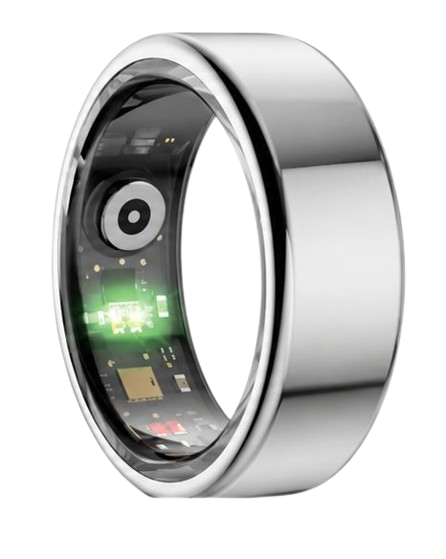
The Herz P1 Smart Ring works silently in the background to capture these thermal transitions.
It monitors your heart rate variability and deep sleep staging without the bulk of a smartwatch.
You can view your real-time recovery metrics directly on the free companion app every morning.
This allows you to fine-tune your bath timing and temperature for optimal sleep architecture.
90-Day 100% Money-Back Guarantee
“The Herz Smart Ring helps me manage stress easily. It’s accurate, stylish, and lightweight—perfect for my busy life!”
— Jennifer P. | ✔ Verified Customer
- ✓ 6-Day Battery Life
- ✓ Detailed Sleep Analysis
- ✓ Fast 1-Hour Charging
- ✓ iOS & Android Ready
Questions? Call: 1-866-479-1629
The Physiological Science Behind the Warm Bath Core Temperature Drop
Human sleep-wake cycles are governed by a complex internal clock known as the circadian rhythm.
A key driver of this rhythm is your core body temperature.
During the day, your core temperature stays elevated to support alertness.
In the evening, your body must shed heat to prepare for slow-wave sleep.
This heat loss occurs through a process called distal vasodilation.
Warm water exposure accelerates this process by dilating blood vessels in your hands, feet, and face.
When these blood vessels dilate, they pull heat away from your internal organs.
When you step out of the bath, this heat radiates rapidly into the surrounding air.
According to a landmark hot bath sleep research study, this rapid temperature drop triggers melatonin secretion.
Melatonin is the hormone responsible for sleepiness and sleep architecture.
The National Sleep Foundation highlights this biological mechanism as a top sleep promotion strategy.
If you want to achieve similar thermal benefits without a tub, taking a sauna before bed is an excellent alternative.
Both routines leverage the body’s natural cooling reflexes to promote deeper sleep.
Somnology researchers have found that even passive thermal exposure can significantly reduce sleep latency.
This means you fall asleep faster and transition into restorative sleep stages more smoothly.
Exploring the wellness benefits of heat therapy reveals why thermal habits are so powerful.
For instance, some people investigate the therapeutic properties of a 1 hour sauna benefits framework to understand long-term cardiovascular support.
Others focus on utilizing a sauna for immune system boost during the winter months.
Regardless of the heat source, the core physiological principle remains the same.
You use external warmth to drive an internal temperature drop.
Our team designs our smart ring sensors to detect the subtle physiological changes that follow.
By monitoring these patterns daily, you can find the perfect routine for your unique biology.
How Your Autonomic Nervous System Responds to Warm Water Immersion
Your autonomic nervous system regulates your heart rate, digestion, and stress responses.
It is divided into two primary branches: the sympathetic and the parasympathetic systems.
The sympathetic system drives your fight-or-flight response.
The parasympathetic system manages your rest-and-digest functions.
Modern daily stress keeps many of us locked in a state of sympathetic dominance.
This chronic activation prevents your body from recovering fully during the night.
Immersing yourself in warm water acts as a manual reset switch for your nervous system.
The physical sensation of warm water lowers sympathetic tone and boosts parasympathetic activity.
This shift can be measured directly through Heart Rate Variability, or HRV.
HRV represents the variation in time between consecutive heartbeats.
A higher HRV indicates a healthy, resilient, and relaxed nervous system.
A lower HRV suggests stress, fatigue, or incomplete recovery.
The American Heart Association notes that managing daily stress is crucial for long-term cardiac health.
By taking a warm bath for sleep, you actively support your cardiac autonomic balance.
You can also explore the connection between other thermal practices like sauna and sleep to expand your recovery options.
Some users prefer using an infrared sauna for sleep to target deeper muscle tissues.
No matter your preference, the goal is to shift your autonomic balance toward deep rest.
As parasympathetic activity rises, your blood pressure stabilizes and your heart rate drops.
This physiological calm is the exact state your body needs to enter deep slow-wave sleep.
The Herz P1 Smart Ring captures your overnight HRV trends every five minutes with clinical precision.
This granular data helps you visualize your nervous system’s recovery curve in real time.
You can see exactly when your body transitions from daytime stress to nighttime repair.
Tracking Your Bath-Induced Sleep Architecture with the Herz P1 Smart Ring
To maximize the benefits of bathing before bed for insomnia, you need objective data.
The Herz P1 Smart Ring provides a seamless way to track deep sleep with smart ring technology.
Unlike bulky smartwatches, our ring is crafted from ultra-lightweight military-grade steel.
It weighs only 3.5 grams and fits comfortably on your finger all night.
This minimalist design ensures you never wake up from sensor irritation or heavy wrist strap sweat.
Every morning, you can open the free Herz P1 app to analyze your sleep architecture.
The app breaks your night down into light, deep, REM, and awake stages.
Look closely at your deep sleep percentage on nights when you take a warm bath.
You will likely notice a significant increase in slow-wave sleep duration.
Deep sleep is when your muscles repair, your tissues grow, and your immune system strengthens.
You can also monitor your sleep latency, which is the time it takes to fall asleep.
A shorter sleep latency indicates that your pre-bed warm bath routine is working perfectly.
The Herz P1 app does not require any paid subscription to access these advanced analytics.
You get a lifetime of detailed wellness reports, daily recovery scores, and trend tracking for free.
This data allows you to experiment with your routine and find what works best.
You can test different bath lengths, oils, or room temperatures and see the immediate results.
Our mission is to help you decode your body’s signals and build a healthy lifestyle.
With continuous tracking, you can transform your sleep from a guessing game into a precise science.
Common Pitfalls of Evening Sleep Tracking and Thermal Recovery
Many people try to track their sleep using heavy, glowing smartwatches.
This is a major pitfall, as bulky wrist devices can disrupt your sleep comfort.
The constant screen glow and vibration alerts can wake you up throughout the night.
Furthermore, tight rubber wrist straps often trap sweat and cause skin irritation.
A smart ring offers an elegant, lightweight alternative that stays completely dark.
Another common mistake is choosing a wearable device with high monthly subscription fees.
Some brands require you to pay a recurring fee just to access your own health data.
We believe your personal biometrics should always belong to you.
That is why our ring comes with zero monthly subscription fees and a free companion app for life.
You make one transparent purchase and get full access to all future software updates.
Additionally, many users make the mistake of bathing in water that is far too hot.
As discussed, excessively hot water triggers a stress response and delays sleep onset.
Keep your bath warm, comfortable, and soothing rather than scalding.
Finally, ensure you dry off completely before climbing into your bed.
Damp skin can cause rapid cooling that triggers shivering, which raises your core temperature again.
By avoiding these simple mistakes, you can optimize your thermal recovery routine.
You will protect both your physical health and your wallet over the years.
Frequently Asked Questions About Sleep, Baths, and Smart Ring Metrics
Is the Herz P1 Smart Ring waterproof?
Yes, the Herz P1 features a premium IP68 waterproof rating.
It can withstand depths of up to 164 feet, making it perfect for swimming, bathing, and showering.
You never have to remove it when stepping into a hot tub or washing your hands.
The internal sensors are completely sealed against dust, water, and sweat.
How long does the Herz P1 battery last on a single charge?
The Herz P1 battery provides up to 6 days of continuous biometric monitoring.
It charges fully in under 1 hour using our fast magnetic charging cradle.
This long-lasting performance eliminates the charging anxiety common with smartwatches.
You can wear it night and day without constantly looking for a power outlet.
Which finger is best to wear the smart ring on?
We recommend wearing the Herz P1 on your index, middle, or ring finger.
The index finger usually offers the strongest blood perfusion for optical sensors.
This placement ensures the highest accuracy for heart rate and SpO2 tracking.
Make sure the ring fits snugly but comfortably without spinning too easily.
Does the Herz P1 store health data offline?
Yes, the Herz P1 features 7 days of local offline data storage.
It will securely record your sleep, HRV, and activity even if your phone is away.
Once you open the app near your phone, all data syncs automatically via Bluetooth.
You do not need an active internet connection to keep tracking your health.
Understanding these technical capabilities helps you use your smart ring with confidence.
Our engineering team designed the Herz P1 to fit seamlessly into any active lifestyle.
Whether you are soaking in a bath, swimming laps, or sleeping, the ring keeps working.
It delivers the reliable, high-fidelity data you need to make informed wellness choices.
Conclusion
Optimizing your sleep shouldn’t be complicated.
Combining a warm bath with the subscription-free Herz P1 Smart Ring gives you the ultimate tool to track and improve your nightly rest.
Ready to monitor your health every day?
Explore the Herz P1 Smart Ring and see if it fits your lifestyle.
Call: 1-866-479-1629 — our team can help you advise on the correct ring size and set personalized health goals.
Note: Individual results may vary depending on individual health conditions, age, and lifestyle habits. This article is intended for general health reference purposes only.
