

In This Educational Guide
- Normal vs. Dangerous Ranges: Learn how to interpret resting metrics and identify potential cardiovascular risks.
- Physiological Causes: Understand why the heart naturally slows down during sleep and the role of the parasympathetic system.
- Athletic Conditioning: Discover why elite athletes display exceptionally low heart rates and high heart rate variability (HRV).
- Biometric Monitoring: Learn how continuous optical sensors track your cardiac trends silently.
Is a Low Heart Rate While Sleeping Normal or Dangerous?
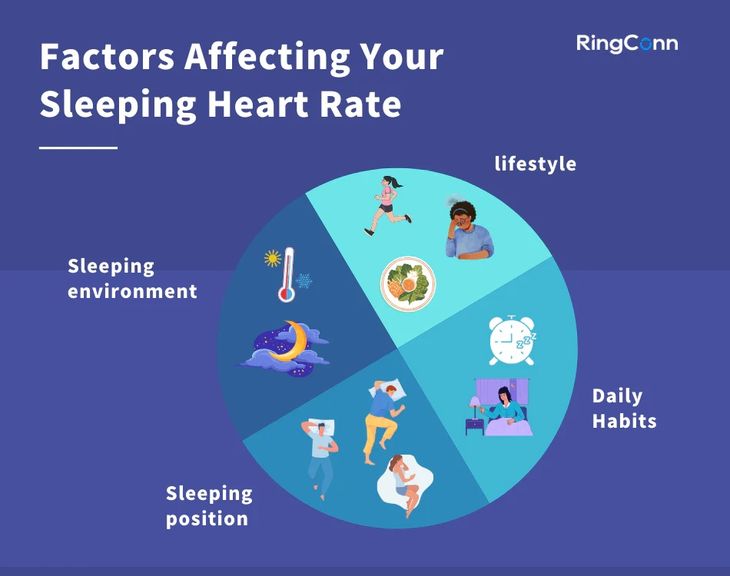
Understanding your overnight cardiovascular patterns is essential for maintaining long-term vitality and identifying potential health concerns before they escalate.
The term bradycardia refers to a resting pulse rate that drops below 60 beats per minute.
During our waking hours, a heart rate this low might indicate a sluggish circulatory response.
However, when you transition into deep sleep stages, your metabolic demands decrease significantly.
This shift prompts your autonomic nervous system to favor parasympathetic dominance over sympathetic drive.
For the vast majority of healthy adults, experiencing a heart rate lower when sleeping is a natural, protective biological response.
During this restorative phase, the myocardium consumes less oxygen, allowing your cardiovascular system to rest.
If you regularly observe a sleeping heart rate 50 beats per minute, this is generally considered a hallmark of robust cardiovascular fitness.
For endurance athletes, a sleeping heart rate 40 beats per minute is common due to their highly efficient stroke volume.
These low numbers indicate that the heart muscle is strong enough to pump an adequate volume of blood with fewer contractions.
Assess Your Sleep Recovery
A low heart rate is only dangerous if accompanied by other symptoms. Do you experience any of these when waking up?
However, a low nocturnal heart rate can cross into dangerous territory if it is accompanied by specific warning signs.
If your pulse consistently reaches the lowest heart rate during sleep and you wake up feeling dizzy, fatigued, or short of breath, you may be experiencing pathological bradycardia.
Similarly, sudden drops in blood oxygen saturation (SpO2) combined with a slow pulse can point to obstructive sleep apnea.
To evaluate these patterns accurately, continuous biometric tracking is highly recommended. Advanced smart rings can monitor your pulse and blood oxygen levels 24/7, helping you take control of your sleep data without guesswork.
The Power of SpO2 & Heart Rate Correlation
How do you know if your low heart rate is healthy or dangerous? The key is oxygen.
- Healthy Deep Sleep: Low heart rate + Stable Blood Oxygen (SpO2).
- Potential Sleep Apnea: Low heart rate + Sudden drops in Blood Oxygen (SpO2).
Discover a smart ring that tracks both metrics simultaneously while you sleep →
Nocturnal Cardiovascular Dynamics and Sleep Architecture
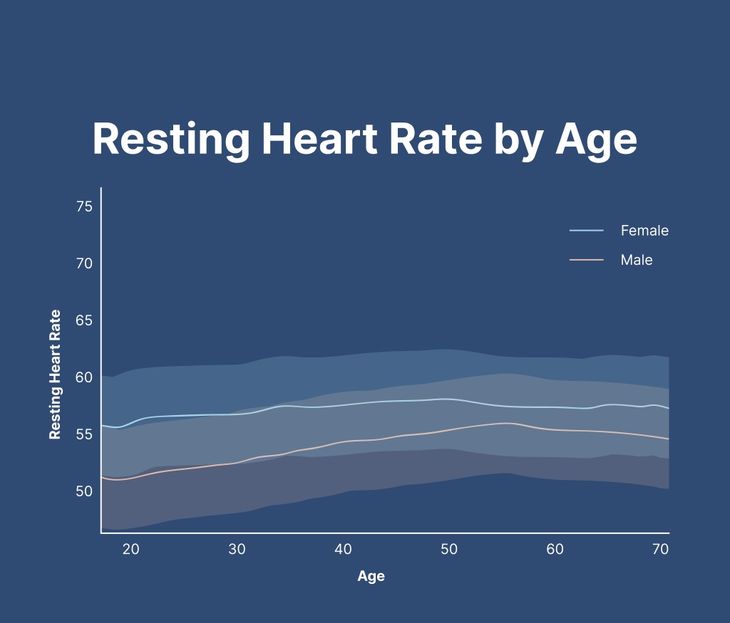
Sleep is not a passive state of inactivity, but rather an active, highly structured neurological and physiological process.
According to the National Sleep Foundation, healthy sleep is composed of recurring 90-minute cycles containing different stages.
These stages include light sleep, deep slow-wave sleep, and rapid eye movement (REM) sleep.
Each phase exerts a distinct influence on your autonomic nervous system and cardiac performance.
During light and deep non-REM sleep, your parasympathetic system releases acetylcholine to calm the heart.
This biochemical shift causes a noticeable drop in heart rate while sleeping as your blood pressure also decreases.
In deep sleep, your body performs muscle repair, consolidates memories, and releases essential growth hormones.
Consequently, the cardiovascular system takes this opportunity to rest, reducing its overall workload.
When you transition into REM sleep, your brain activity increases, and you experience vivid dreams.
During this stage, your sympathetic nervous system may fire unpredictably, causing sudden spikes in heart rate and respiration.
“As a runner, I knew my resting heart rate was in the 40s. But when I started tracking my REM spikes and oxygen drops with a smart ring, I realized my sleep architecture was completely fragmented. Seeing the data shifted my entire recovery protocol.”
— Alex M., Endurance Athlete & Smart Ring User
Understanding these fluctuations is vital for distinguishing normal nocturnal variations from pathological irregularities.
The American Heart Association notes that a healthy heart adapts quickly to these changing demands.
A high-quality wearable device can track these transitions by mapping your heart rate against your movement and breathing patterns.
Modern biosensors use multi-wavelength PPG sensors to capture these subtle shifts throughout the night.
They provide a detailed breakdown of your sleep stages without requiring a bulky, uncomfortable wrist strap.
By monitoring these trends, you can easily verify if your overnight cardiac recovery aligns with normal sleep architecture.
Why Your Heart Rate Drops at Night: Physiology vs. Pathology

If you have ever asked, why does my heart rate drop when i sleep, the answer lies in your body’s circadian rhythm.
As darkness falls, your pineal gland secretes melatonin, signaling to your brain that it is time to rest.
This hormone cascade reduces core body temperature and lowers your metabolic rate.
To find out how low does heart rate go when sleeping, we must look at individual baseline metrics.
For many healthy, active individuals, seeing a heart rate lower at night is completely safe and expected.
But you might still wonder: is 48 a low heart rate while sleeping, and does it require clinical attention?
For a physically active person, a pulse of 48 bpm during sleep is typically a sign of excellent cardiac efficiency.
Their heart muscle can pump oxygen-rich blood throughout the body with fewer beats.
However, if a sedentary individual experiences this same low rate alongside shallow breathing, it could indicate underlying issues.
This is where tracking Heart Rate Variability (HRV) and blood oxygen levels (SpO2) becomes incredibly important.
A high HRV coupled with a stable low sleeping heart rate usually indicates a resilient, well-recovered nervous system.
Conversely, a low heart rate accompanied by sudden drops in SpO2 may point to sleep-disordered breathing.
These oxygen desaturations strain the heart and disrupt restorative deep sleep phases.
Rather than guessing what your numbers mean, you can rely on advanced biosensors to track these overnight metrics.
A continuous biometric smart ring monitors both your heart rate and oxygen saturation levels with precision. This comprehensive tracking helps you easily distinguish between healthy athletic conditioning and potential clinical indicators.
How to Monitor Your Sleep Heart Rate Trends Safely
To make your health data truly useful, you must track it consistently and learn how to interpret long-term trends.
A single low heart rate reading during the night should not cause immediate concern.
Instead, look for patterns over weeks and months to understand your baseline physiology.
An intelligent tracking app organizes this data into clean, easy-to-read trend lines.
When you open the app each morning, check your average resting heart rate and your lowest overnight pulse.
If your heart rate remains elevated above your normal baseline, it may indicate dehydration, stress, or late-night eating.
If your heart rate drops comfortably into your target recovery zone, your body is resting and recovering well.
You can use these daily insights to optimize your workout intensity and manage your stress levels.
Want to evaluate your cardiovascular recovery safely at home?
Explore Advanced Wearable Trackers →For instance, if your sleep heart rate is elevated, you might choose a light active recovery session instead of a heavy workout.
Additionally, pay close attention to your bedtime routines to help lower your heart rate naturally.
Avoiding alcohol and caffeine in the evening can significantly improve your overnight cardiac recovery.
Keeping your bedroom cool and dark also supports your body’s natural circadian dip.
Because smart rings are lightweight and comfortable, you can wear them 24/7 without irritation.
This continuous wear ensures you capture accurate data every single night.
With the right habits and reliable tracking, you can support your heart health and enjoy deeper, more restorative sleep.
Common Wearable Pitfalls: Bulky Watches vs. Ring Biometrics
Many people struggle to track their sleep because they find traditional smartwatches too bulky and uncomfortable to wear overnight.
Heavy smartwatches can shift during sleep, leading to gaps in data or false alerts.
Furthermore, many watch sensors press unevenly against the wrist, resulting in inaccurate heart rate and SpO2 readings.
The constant irritation of a heavy watch band can also wake you up, disrupting your natural sleep cycles.
The Hidden Subscription Trap
Another frustrating aspect of modern fitness trackers is the hidden cost of ongoing monthly subscriptions. Many popular brands lock your sleep analysis and long-term health trends behind a paywall.
We believe your personal biometric data should always belong to you. Our recommended solution comes with an app that is completely free for life, with no subscription fees or locked features.
Premium rings are engineered from military-grade materials to ensure durability while remaining lightweight.
The slim, smooth design fits comfortably on your finger, keeping the sensors securely positioned against the skin.
By choosing a smart ring over a bulky watch, you get accurate sleep tracking without sacrificing comfort or paying hidden fees.
Advanced Smart Rings vs. Traditional Smartwatches
When choosing a sleep tracker, it is helpful to compare your options across essential comfort and cost metrics.
| Feature | Advanced Smart Ring | Traditional Smartwatches |
|---|---|---|
| Monthly Subscription | Zero Fees (App Free Forever) | Up to $9.99/month |
| Form Factor & Comfort | Ultra-lightweight ring, seamless for sleep | Bulky wrist strap, prone to shifting |
| Battery Performance | 6-day battery, 1-hour fast charge | 1 to 2 days, daily charging required |
| Durability & Ingress | Military-grade steel, IP68 Waterproof | Varies, susceptible to scratches and impacts |
| Warranty Protection | 2-Year Full Warranty | Standard 1-year limited warranty |
Frequently Asked Questions About Sleep Heart Rate & Smart Rings
Yes, premium smart rings feature a robust IP68 waterproof rating. It is designed to withstand continuous submersion in water up to 164 feet deep. This means you can wear it confidently while washing your hands, showering, swimming, or doing water-based workouts. The seamless outer shell keeps water away from the sensitive internal biosensors, ensuring accurate tracking in any environment.
High-quality smart rings provide an impressive battery life of up to 6 days on a single charge under normal use. They feature a highly efficient battery system that charges from 0% to 100% in under 1 hour. This rapid charging allows you to top up the battery quickly during your morning routine. You will spend less time worrying about charging and more time tracking your sleep trends.
For the highest tracking accuracy, we recommend wearing the ring on your index, middle, or ring finger. The index finger typically provides the strongest blood flow signal, making it the ideal choice for optical PPG sensors. Ensure the ring fits snugly but comfortably without rotating too easily. A proper fit prevents external light from interfering with the sensors, especially while you sleep.
Yes, they have built-in memory that stores up to 7 days of biometric data offline. If you sleep without your smartphone nearby, the ring will continue to track your heart rate, HRV, and SpO2 normally. Once you turn on your Bluetooth and open the app, all stored data will sync automatically. This offline capability ensures you never lose valuable sleep data, even when traveling or disconnected.
Note: Individual results may vary depending on individual health conditions, age, and lifestyle habits. This article is intended for general health reference purposes only.
