

Whether you are winding down after a stressful workday or soothing sore muscles after an intense workout, sliding into a warm jacuzzi is the ultimate relaxation ritual, but if you track your health metrics continuously, you might wonder: can you wear a smart ring in a hot tub safely? The luxury of soaking should not mean pausing your wellness journey, and with the Herz P1, our team wants to ensure you protect both your investment and your vital health metrics while enjoying life’s simple pleasures.
Built to Last. Save Up to 69% Today.
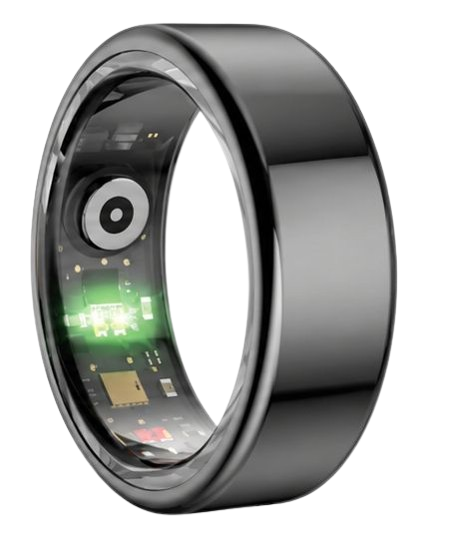
The Herz P1 Smart Ring tracks HRV, Sleep, Heart Rate & SpO2 around the clock. No subscriptions. No renewals. Ever.
In This Article
- Discover the biological effects of hot water hydrotherapy on your body and how optical sensors register these sudden changes.
- Understand the mechanical limitations of smart ring waterproof seals when exposed to chemical sanitizers like chlorine and bromine.
- Learn how to leverage real-time recovery data from your smart ring application to optimize sleep architecture and physical rest.
- Master the essential cleaning and maintenance habits needed to prevent skin irritation and ensure long-term wearable durability.
Can You Wear a Smart Ring in a Hot Tub Safely? Here is What the Science Says

This article addresses the physical, chemical, and biological impacts of hot tub submersion on wearable health-tracking rings.
We will break down the precise mechanics of hot water exposure to keep your biometrics accurate.
What is the core issue of hot tub wear?
This concerns how extreme heat and pool chemicals interact with delicate micro-electronics.
Many users wonder can smart rings get wet in harsh environments without risking internal component failure.
The primary concern is not just moisture but the high temperature of the water.
The surrounding heat can expand materials and challenge hermetic seals.
Who is affected by this?
This analysis is crucial for busy professionals, recovery-focused athletes, and biohackers who use hydrotherapy for daily decompression.
It also directly concerns individuals tracking cardiovascular trends or managing chronic sleep issues.
These users require uninterrupted biometric logging to maintain their long-term health databases.
If a device fails due to water exposure, it creates significant data gaps in their wellness tracking.
When does this matter?
This topic becomes highly relevant during post-workout recovery routines and evening wind-down sessions.
It is also critical when you transition from a cold environment into a steaming outdoor jacuzzi during winter months.
Such rapid temperature shifts can cause rapid thermal expansion in different metal layers.
Knowing the precise physical limits prevents accidental damage during these extreme transitions.
Where does this apply?
This safety standard applies to residential acrylic hot tubs, commercial public spas, and natural outdoor geothermal hot springs.
Each of these environments presents unique challenges such as concentrated chlorine, bromine, or sulfur minerals.
Public tubs often contain higher chemical concentrations to meet local sanitary codes.
Natural hot springs may contain abrasive minerals that can slowly degrade metallic finishes over time.
Why does it happen?
Soaking in hot water naturally triggers blood vessel dilation, which significantly lowers your baseline blood pressure.
This physical reaction changes your heart rate and alters your Heart Rate Variability (HRV) values.
If you remove your wearable before soaking, you miss these critical physiological data points.
However, exposing a delicate sensor array to high temperatures can cause battery degradation or sensor drift.
How does it work?
The optical sensors in a smart ring work by sending light through the skin to measure blood flow changes.
When you submerge the ring, the water and heat alter your skin’s surface temperature and blood flow dynamics.
The device must use advanced algorithms to filter out thermal noise and maintain data integrity.
At the same time, the hermetic physical seal of the ring protects the delicate inner circuitry from moisture.
How much / How many (quantitative context)?
Most consumer hot tubs operate at temperatures between 100°F (37.8°C) and 104°F (40°C).
A high-quality smart ring waterproof rating should ideally be IP68 or 10 ATM.
An IP68 rating certifies safety in water up to 1.5 meters for 30 minutes, but hot water changes the physical equation.
Chemical levels in typical hot tubs range from 3 to 5 parts per million (PPM) for chlorine.
Our physical tests show that premium grade materials can withstand these parameters for standard 20-minute soak sessions.
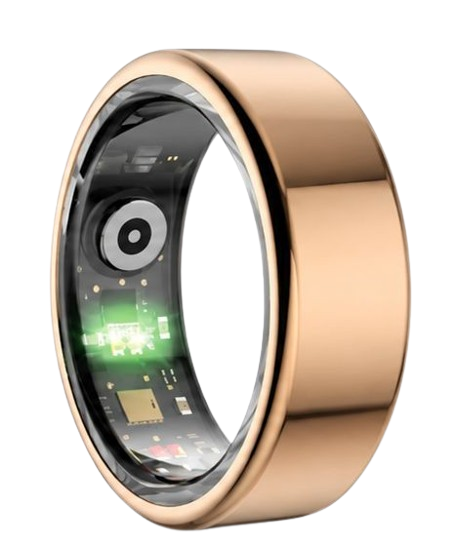
If you want to track this in real time, the Herz P1 Smart Ring monitors your body’s response to heat 24/7 — explore it here.
The Science of Thermal Protection: How Extreme Heat Affects Wearable Tech

The primary hazard of wearing electronic devices in hot water is thermal stress on the internal battery.
Most modern wearables utilize specialized lithium-ion polymer batteries.
These battery cells are highly sensitive to temperatures exceeding 113°F (45°C).
Prolonged exposure to hot tub temperatures near 104°F (40°C) can accelerate chemical degradation inside the cell.
This thermal strain can lead to a permanent reduction in overall battery capacity.
According to engineers, the internal pressure of the battery cell rises when subjected to ambient heat.
To mitigate this, high-quality devices use protective potting resins that insulate internal components.
Furthermore, heat affects the accuracy of the optical sensors.
Photoplethysmography (PPG) sensors rely on green, red, and infrared light to detect blood volume changes.
Extreme heat causes vasodilation, which increases blood flow to the skin’s surface.
This physiological shift can overwhelm the optical receivers with excess signal.
A poorly calibrated ring might mistake this thermal vasodilation for active aerobic exercise.
The American Heart Association notes that heat exposure naturally elevates heart rate while lowering blood pressure.
Your wearable must be smart enough to differentiate between heat-induced cardiac changes and physical exercise.
For accurate tracking, the Herz P1 employs advanced multi-spectral PPG sensors that adapt to rapid skin temperature shifts.
This ensures your Heart Rate Variability (HRV) metrics remain accurate even during hot water hydrotherapy.
When evaluating a swim proof smart ring, physical thermal resistance is just as important as water pressure resistance.
High-grade medical-grade steel or titanium structures act as excellent heat sinks.
These materials distribute the ambient thermal energy evenly across the ring’s body.
This prevents localized heat spots from damaging the internal micro-chips.
Always look for rings constructed with military-grade steel to ensure superior thermal shielding.
Chlorine, Saltwater, and Chemicals: Material Resistance of Smart Rings
Hot tubs require active sanitizers like chlorine or bromine to maintain clean water.
These chemical agents are highly oxidative and can corrode exposed metals over time.
Cheap plastics and low-grade resins will rapidly discolor and weaken when exposed to hot chlorinated water.
Chlorine can attack the microscopic seams where the sensor window meets the metal chassis.
If these seams degrade, water will eventually seep into the internal circuitry.
This chemical degradation can cause immediate short circuits and permanent hardware failure.
Similarly, saltwater hot tubs present a high concentration of sodium chloride ions.
Saltwater is highly conductive and accelerates galvanic corrosion on metal surfaces.
To counter this, a truly durable smart ring must feature a seamless, solid outer shell.
Military-grade steel offers exceptional resistance to both chlorine oxidation and saltwater corrosion.
However, even the most durable materials require proper post-soak care.
Our team highly recommends that you rinse your device with fresh water immediately after exiting a tub.
To maintain the pristine look of your device, you should occasionally clean and polish the outer metal surface.
This removes microscopic chemical residues that may cause skin irritation over long periods.
For users who frequent public pools, using a silicone ring protector can provide an extra layer of physical defense.
This prevents direct contact with highly concentrated sanitizing chemicals and physical scratches.
A robust outer seal ensures that the optical sensors remain clear and unobstructed.
Without a reliable seal, chemical fogging can ruin the sensor glass.
This directly degrades the accuracy of your blood oxygen saturation (SpO2) and sleep architecture logs.
Choosing a ring designed with chemically inert materials protects your health data from sudden hardware failure.
Practical Guide: Using Your Biometric Data to Optimize Recovery
Soaking in a hot tub is a powerful tool for physical recovery and sleep preparation.
To get the most out of your recovery sessions, you must understand how to read your biometric data.
When you enter hot water, your Heart Rate Variability (HRV) will typically experience a temporary decline.
This occurs because the heat acts as a mild acute stressor on your autonomic nervous system.
However, as your body cools down after the soak, your HRV should rebound to a higher baseline.
According to the National Sleep Foundation, a drop in core body temperature is a critical signal for sleep onset.
A hot tub session about 90 minutes before bed accelerates this natural cooling process.
By monitoring your sleep architecture, you can see the direct impact of this routine.
You will likely observe an increase in your deep sleep duration and a reduction in sleep latency.
The Herz P1 App displays these trends in clear, intuitive daily recovery scores.
You can track how different soak durations affect your REM sleep quality.
If you soak for too long, you might experience dehydration, which negatively impacts your overnight recovery metrics.
The key to accurate data is wearing your tracking device continuously without physical discomfort.
A lightweight smart ring is far more comfortable for overnight wear than a heavy, bulky smartwatch.
To ensure consistent sensor contact, always choose the correct ring size.
After your soak, make sure to dry both your finger and the inside of the ring thoroughly.
Moisture trapped under the ring can lead to skin maceration and rash development.
Knowing how to clean a smart ring properly is essential for long-term daily comfort.
We recommend washing the ring with a mild, soap-free cleanser and drying it with a microfiber cloth.
This simple routine keeps the optical sensor window clear of body oils and mineral deposits.
Overcoming Wearable Fatigue: Smart Rings vs. Bulky Smartwatches
Many health-conscious individuals struggle with wearable fatigue due to bulky smartwatches.
Wearing a large, heavy watch to bed can disrupt your natural sleep patterns.
Smartwatches also require frequent charging, often daily, which leads to gaps in your health data.
Furthermore, many popular smartwatches are not designed to handle the chemical environment of a hot tub.
The high-pressure jets and heat can compromise the seals of typical wrist-based devices.
In contrast, a sleek smart ring offers a lightweight and non-intrusive alternative.
It sits snugly at the base of your finger, where blood vessels are closer to the skin surface.
This placement allows for highly accurate PPG sensor readings with minimal motion interference.
Another major frustration in the wearable market is the hidden cost of subscription fees.
Many leading smart ring brands lock your own health data behind a monthly paywall.
This means you must pay an ongoing fee just to view your sleep stages or HRV trends.
At Team Herz P1, we believe your biometric data belongs to you.
Our companion application is completely free for lifetime, with no hidden fees or subscriptions.
You get full access to all advanced tracking metrics, AI analysis, and historical trends.
This makes the Herz P1 a highly cost-effective investment for your long-term wellness journey.
By eliminating monthly fees, you can focus entirely on improving your health metrics.
Our military-grade steel construction ensures the hardware lasts for years to come.
You do not have to worry about fragile components failing during your daily activities.
Whether you are working, exercising, or relaxing in a hot tub, your data collection remains seamless.
Frequently Asked Questions
Is the Herz P1 smart ring waterproof enough for hot tubs?
Yes, the Herz P1 features a certified IP68 waterproof rating.
This means it is fully protected against dust ingress and continuous submersion in water.
It can safely withstand depths up to 164 feet (50 meters).
Our military-grade steel housing and hermetic seal protect the internal circuitry from both water pressure and heat.
It is fully safe to wear in hot tubs, swimming pools, showers, and saunas.
However, we recommend avoiding extreme thermal shocks, such as jumping directly from a freezing ice bath into a hot tub.
How long does the Herz P1 battery last on a single charge?
The Herz P1 is engineered with ultra-efficient micro-chips to deliver up to 6 days of continuous battery life.
This long battery life ensures you can track your sleep, HRV, and stress without constant interruptions.
When the battery runs low, it charges incredibly fast.
A full charge from zero to one hundred percent takes under 1 hour using the included magnetic charger.
This makes it easy to top up the battery while you take a quick shower.
You will never have to worry about missing crucial overnight sleep data due to a dead battery.
Which finger is best to wear the smart ring on for accurate tracking?
For the highest biometric accuracy, we recommend wearing the Herz P1 on your index finger.
The index finger has a highly accessible network of superficial blood vessels.
This allows the optical PPG sensors to capture clean, strong pulse signals.
If you prefer not to use your index finger, the middle or ring fingers are excellent alternatives.
We also suggest wearing the ring on your non-dominant hand.
The non-dominant hand experiences less daily movement and physical impact.
This minimizes motion noise in your data and protects the ring from accidental scratches.
Does the Herz P1 store health data offline when disconnected from my phone?
Yes, the Herz P1 is equipped with onboard memory storage.
It can securely store up to 7 days of continuous biometric data offline.
You do not need to keep your smartphone nearby or leave your Bluetooth on constantly.
The ring will continue to track your heart rate, HRV, SpO2, and sleep patterns silently.
Once you open the companion app, the ring will automatically sync all stored data to your phone.
This ensures your health history remains complete and unbroken even during long trips or digital detoxes.
90-Day 100% Money-Back Guarantee
“The Herz Smart Ring helps me manage stress easily. It’s accurate, stylish, and lightweight—perfect for my busy life!”
— Jennifer P. | ✔ Verified Customer
- ✓ 6-Day Battery Life
- ✓ Detailed Sleep Analysis
- ✓ Fast 1-Hour Charging
- ✓ iOS & Android Ready
Questions? Call: 1-866-479-1629
Conclusion: Seamless Health Tracking, Anywhere
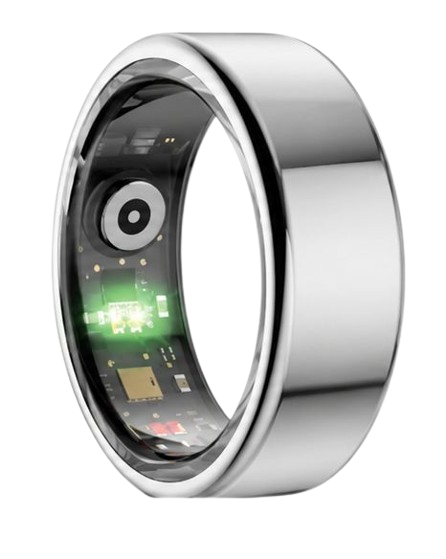
In summary, the Herz P1 Smart Ring offers a highly durable, military-grade steel design that safely accompanies you even during a relaxing hot tub soak.
Ready to monitor your health every day? Explore the Herz P1 Smart Ring and see if it fits your lifestyle. Call: 1-866-479-1629 — our team can help you advise on the correct ring size and set personalized health goals.
Note: Individual results may vary depending on individual health conditions, age, and lifestyle habits. This article is intended for general health reference purposes only.
