

Managing daily stress and recovery is key to healthy living, which is why utilizing your Herz P1 Smart Ring to study detailed smart ring relaxation logs will help you measure heart rate variability (HRV) and track your calmest moments throughout a busy workday.
Built to Last. Save Up to 69% Today.
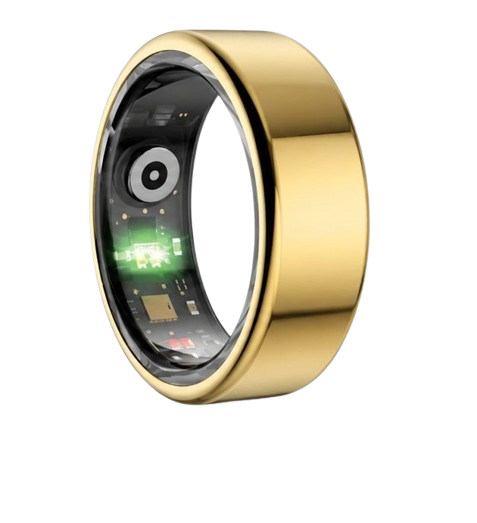
The Herz P1 Smart Ring tracks HRV, Sleep, Heart Rate & SpO2 around the clock. No subscriptions. No renewals. Ever.
In This Article
- Step-by-Step Relaxation Guide: Complete walkthrough on initiating, maintaining, and analyzing real-time unguided session biometric records.
- Autonomic Nervous System Physiology: How your smart ring reads skin temperature, blood volume pulses, and heart rate variability to map stress.
- Practical Daily Routines: Methods for integrating relaxation windows, breathwork, and sound meditation into your busy calendar.
- Optimizing Lifestyle Metrics: How to utilize post-session metrics to systematically improve sleep quality and daily physical recovery.
How to Use Smart Ring Relaxation Logs and Sessions: A Step-by-Step Guide
Prerequisites / What You’ll Need
Before beginning your session, you will need a properly fitted smart ring like the Herz P1.
Your ring must have at least 20% battery remaining to ensure continuous sensor illumination.
You should also have your smartphone nearby with the free mobile application open and synced.
Finally, find a quiet environment with minimal distractions where you can remain still for at least five minutes.
-
Step 1: Position and Clean the Smart Ring Sensors
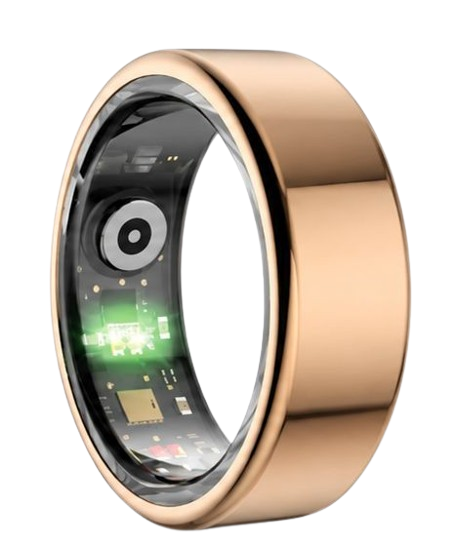
Before launching a session, rotate your ring so that the internal sensor bump rests securely against the palm side of your finger.
This placement guarantees the optical sensors maintain consistent contact with your digital arteries.
Gently wipe your finger and the sensor dome to remove sweat, dust, or lotion that might scatter the light beams.
A secure, snug fit is vital because even minor sensor movement during your session can create data gaps in your recovery logs.
-
Step 2: Initiate Your Choice of Unguided Sessions
Open your companion application and navigate directly to the real-time biometric tracking tab.
Select the option to unguided sessions so that you can relax without rigid audio prompts.
This allows you to focus completely on your interior physical state rather than external instructions.
Tap the start button on your screen to command the ring’s high-frequency infrared and green sensors to begin active logging.
Keep your phone resting nearby face-down to prevent notification light flashes from breaking your focus.
-
Step 3: Deploy Targeted Breathing Patterns
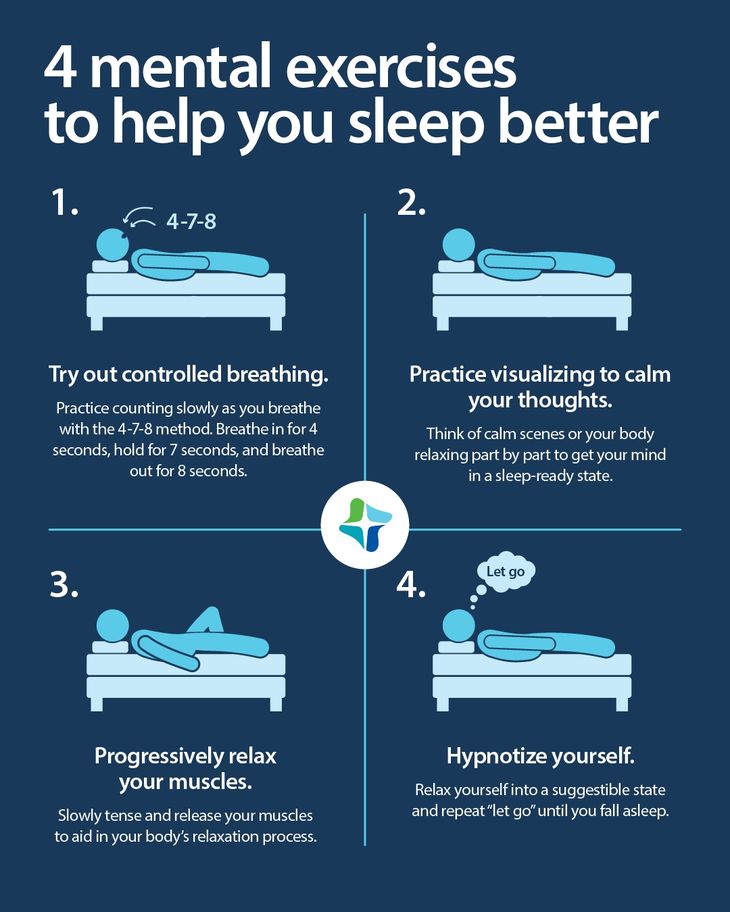
Once tracking begins, adopt a structured breathing pattern to systematically stimulate your parasympathetic nervous system.
You can execute specific breathing exercises for sleep or daytime calming to slow your heart rate.
We highly recommend practicing the physiological sigh technique during your track.
This involves taking two quick, consecutive inhales through your nose followed by one long, slow exhale through your mouth.
Repeat this natural breath cycle steadily while keeping your physical body as motionless as possible.
-
Step 4: Engage in Calming Visual or Auditory Support
To deepen your physical calm, you can layer passive sensory inputs that encourage autonomic nervous system stabilization.
Many users find that integrating a structured sound meditation session enhances their overall biometric drops.
You can also listen to auditory masking tracks to find out what is pink sound and how its deeper tones calm the brain.
Alternatively, resting with a low-frequency ambient track like greennoise will mask distracting environmental sounds.
Ensure your audio volume is set to a low, soothing level that keeps your baseline resting heart rate down.
-
Step 5: End the Session and Analyze the Resulting Relaxation Logs
After five to fifteen minutes, gently bring your awareness back and tap the stop button on your mobile application.
The system will compile your data to generate a detailed personal record of your physical recovery.
Analyze the chart to log relaxed moments and check how quickly your heart rate decreased.
Look for a visible rise in your heart rate variability curve, which indicates successful parasympathetic activation.
Save this log with a custom tag reflecting your mental state so you can monitor your long-term recovery trends.
The premium engineering of the Herz P1 Smart Ring makes capturing these intricate biometric shifts entirely seamless.
By leveraging its advanced optical sensor suite, you can consistently record every physiological drop with zero guesswork.
To experience this clinical-grade tracking without any recurring monthly fees, explore the Herz P1 Smart Ring to upgrade your proactive wellness protocol today.
The Science Behind Smart Ring Relaxation Logs and Autonomic Regulation
To truly master the use of your health wearable, it helps to understand the neurological systems driving your personal biometrics.
Your body operates under the constant control of the autonomic nervous system, which is divided into two distinct components.
The sympathetic branch acts as your gas pedal, preparing you for physical action or triggering a fight-or-flight stress response.
Conversely, the parasympathetic branch behaves as your brake pedal, initiating the rest-and-digest mechanism to restore internal balance.
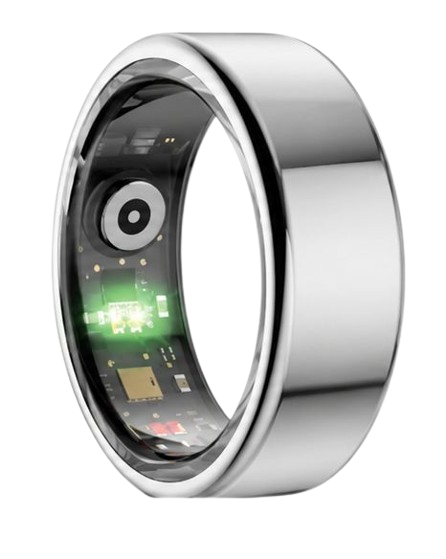
When you utilize your smart ring during quiet moments, its photoplethysmography (PPG) sensors measure the subtle volume changes in your bloodstream.
By shining targeted light beams through your skin, the ring continuously records your heart rate variability (HRV), which is the variation in time between consecutive heartbeats.
A higher HRV value indicates that your parasympathetic nervous system is actively working to soothe your body and reduce tension.
Conversely, a low or depressed HRV indicates that physical or mental stress is dominating your current state.
Research published by the American Heart Association confirms that tracking these subtle heart patterns provides highly accurate insights into your cardiovascular recovery.
With clinical-grade multi-wavelength PPG arrays, the Herz P1 tracks these fluctuations with a remarkably low margin of error.
Analyzing these parameters allows you to systematically manage anxiety with smart rings by observing exactly how your nervous system reacts to your lifestyle.
How Your Smart Ring Tracks Unguided Meditation Sessions and Calm Moments

Unguided meditation is an excellent method to reset your mental baseline because it removes external guidance and lets you focus on inner rhythms.
During these sessions, your smart ring tracks multiple physiological parameters simultaneously to evaluate your absolute depth of calm.
In addition to monitoring your pulse, the device records your peripheral skin temperature and blood oxygen saturation (SpO2) levels.
A successful session will typically trigger a gradual increase in skin temperature, indicating that blood vessels are dilating as your body relaxes.
At the same time, your blood oxygen levels should remain stable and saturated, reflecting steady, deep breathing mechanics.
The companion application aggregates these complex variables to calculate an intuitive, personalized Stress Index score.
If you prefer a self-directed approach, you can easily use the app’s native features to track unguided meditation sessions directly.
As you sit in quiet contemplation, the ring’s 9-axis sensor array continuously filters out minor finger tremors to maintain clean data streams.
This allows the software to accurately detect and log relaxed moments that occur naturally throughout your afternoon, even if you do not manually start a timer.
Reviewing these passive logs will highlight which activities, environments, or times of day consistently yield your lowest stress numbers.
Practical Applications: Optimizing Your Lifestyle with Smart Ring Relaxation Logs
Gathering biometrics is highly valuable, but the true benefit lies in translating those digital logs into daily, life-enhancing habits.
You can use your post-session reports to structure a much more effective work, exercise, and recovery calendar.
For example, if your logs show that a mid-afternoon breathing session lowers your stress index by 30%, you can schedule a quick five-minute break right before critical meetings.
Additionally, you can analyze your morning readiness indicators to determine whether you should push hard during a workout or focus on passive active recovery.
Furthermore, these daytime relaxation practices have a direct, positive carryover effect on your overall sleep architecture.
By engaging in conscious calming activities for sleep, you prepare your brain and body for a seamless transition into deeper sleep stages.
Reviewing your nocturnal data will often show that daytime relaxation sessions correlate with faster sleep onset and a significant boost in deep sleep duration.
Because the Herz P1 is lightweight and crafted from sleek, ultra-comfortable materials, you can easily wear it 24/7 to compile an unbroken history of your health.
The companion app presents this comprehensive data in clean, easy-to-read charts that help you identify your ideal personal habits.
Overcoming Biometric Monitoring Pitfalls and Common Mistakes
To maximize the accuracy of your wellness trends, you must avoid several frequent mistakes that commonly affect wearable technology users.
One major error is wearing a heavy, bulky smartwatch to bed in an attempt to capture overnight recovery metrics.
These oversized wrist devices often shift during the night, causing light leakage that leads to highly fragmented or inaccurate data logs.
Furthermore, many users find the tight wristbands highly uncomfortable, which can paradoxically raise overnight stress levels and disrupt natural rest.
Switching to a lightweight smart ring removes this discomfort entirely, allowing you to sleep naturally without any bulk on your wrist.
Another major pitfall is purchasing a tracking device only to realize you must pay expensive monthly subscription fees to view your own data.
We believe your personal health biometrics should never be locked behind a paywall.
The Herz P1 app is entirely free for life, providing full access to all your graphs, trends, and sleep tracking metrics without any hidden charges.
Additionally, ensure you do not wear your ring too loosely, as a floating fit will allow ambient light to distort the optical sensors.
Select a size that fits snugly yet comfortably on your finger, allowing the sensor dome to maintain steady, gentle contact with your skin.
Frequently Asked Questions About Smart Ring Relaxation Logs
Is the Herz P1 Smart Ring waterproof?
Yes, the Herz P1 features an exceptional IP68 waterproof rating that allows for safe submersion up to 164 feet deep.
This means you can easily wear your ring while showering, washing your hands, swimming laps, or relaxing in a hot tub.
The hermetically sealed military-grade steel body ensures that no moisture can penetrate the delicate internal sensor housing.
You do not need to remove the ring during aquatic workouts, making it incredibly easy to gather continuous physical data.
How long does the battery last on a single charge?
The high-efficiency battery of the Herz P1 is engineered to last up to 6 full days of continuous 24/7 biometric tracking.
When the battery eventually runs low, you can charge it back to 100% capacity in under 1 hour using the included magnetic fast-charging dock.
This extended battery life minimizes charging anxiety and ensures you rarely miss recording a night of sleep or a daytime relaxation session.
Which finger is best to wear the smart ring on?
For the absolute highest PPG sensor accuracy, we recommend wearing your smart ring on your index, middle, or ring finger.
These specific digits contain robust blood vessels near the skin surface, which yields a stronger, cleaner light reflection for the sensors.
Ensure the ring fits securely and does not spin too freely, as consistent sensor alignment is essential for precise tracking.
Does the Herz P1 store health data offline?
Yes, the ring features onboard memory that can securely store up to 7 days of continuous biometric data offline.
You do not need to keep your phone nearby or connected via Bluetooth during your workouts, travels, or sleep sessions.
As soon as you open the mobile application, all offline data will automatically sync and update your personal history.
90-Day 100% Money-Back Guarantee
“The Herz Smart Ring helps me manage stress easily. It’s accurate, stylish, and lightweight—perfect for my busy life!”
— Jennifer P. | ✔ Verified Customer
- ✓ 6-Day Battery Life
- ✓ Detailed Sleep Analysis
- ✓ Fast 1-Hour Charging
- ✓ iOS & Android Ready
Questions? Call: 1-866-479-1629
Conclusion
Tracking your relaxation logs with the Herz P1 Smart Ring will give you the precise biometric insights required to balance daily stress and improve sleep.
Ready to monitor your health every day? Explore the Herz P1 Smart Ring and see if it fits your lifestyle. Call: 1-866-479-1629 — our team can help you advise on the correct ring size and set personalized health goals.
Note: Individual results may vary depending on individual health conditions, age, and lifestyle habits. This article is intended for general health reference purposes only.
