

A premium pulse wave velocity smart ring like the Herz P1 offers a revolutionary way to monitor your cardiovascular health and track arterial stiffness. Recent clinical studies show that monitoring pulse wave velocity provides early indicators of cardiac stress and vascular aging. This comprehensive guide will show you how to decode your biometric data, optimize your daily sleep quality, and address hidden cardiac warning signs. Read on to master your cardiovascular wellness today.
Built to Last. Save Up to 69% Today.
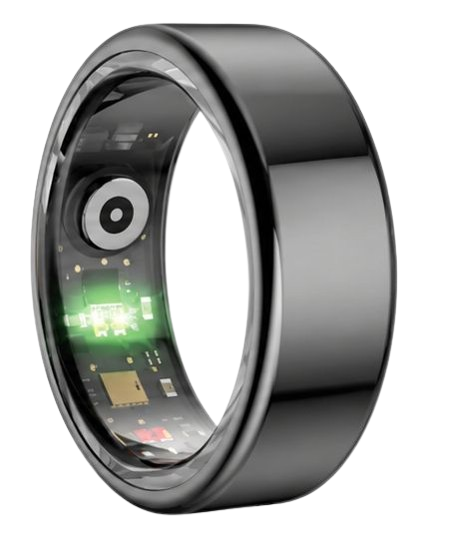
The Herz P1 Smart Ring tracks HRV, Sleep, Heart Rate & SpO2 around the clock. No subscriptions. No renewals. Ever.
In This Article
- How to Optimize Your Cardiovascular Health Using Pulse Wave Velocity Tracking: A complete, action-oriented five-step guide.
- Understanding the Science Behind Wearable Pulse Wave Velocity and cfpwv Health Metrics: An in-depth medical analysis of arterial aging.
- How Optical PPG Sensors Measure Arterial Compliance at the Finger: Deconstructing photoplethysmography sensor technology.
- Practical Application Guide: How to read your Herz P1 health application dashboard and refine your daily routines.
- Overcoming Risks and Common Biometric Tracking Mistakes: How to prevent sensor disruption and find your perfect ring fit.
How to Optimize Your Cardiovascular Health Using Pulse Wave Velocity Tracking
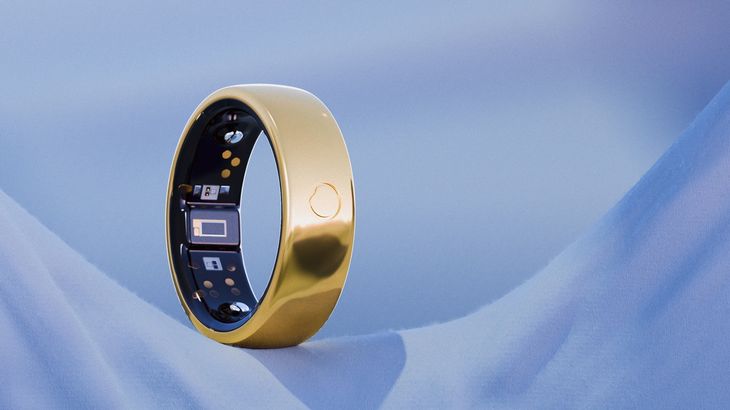
Before you begin tracking your cardiac data, you must gather the necessary tools.
You will need a reliable biometric smart ring that offers optical transit measurements.
You also need a compatible smartphone running the latest companion health software.
Finally, ensure you have a dedicated seven-day window to record undisturbed baseline data.
This calibration period is essential for accurate algorithmic mapping of your unique physiology.
-
Step 1: Establish Your Initial Biometric Baseline
You must wear your tracking device continuously for at least seven days to find your normal range.
Your body has a unique physiological rhythm that requires careful calibration.
Avoid making drastic lifestyle changes during this initial assessment phase.
Ensure you sleep with the device on your finger every single night.
This allows the sensors to capture undisturbed resting metrics during deep sleep.
Consistency during this first week is vital for long-term algorithmic accuracy.
Make sure to check your wearable pulse wave velocity scores every morning at the same time.
Write down any unusual physical activities or high-stress events in a separate journal.
This helps you contextualize sudden spikes or drops in your daily arterial compliance scores.
Your historical baseline will serve as the foundation for all future health recommendations.
Do not worry if your early metrics fluctuate slightly as the device adjusts to your body.
-
Step 2: Understand and Analyze Your cfpwv and vo2max Metrics
Carotid-femoral pulse wave velocity is a key clinical indicator of arterial compliance.
You should analyze cfpwv and vo2max on mobile apps to understand your current fitness capacity.
A lower pulse wave velocity score indicates highly elastic and healthy blood vessels.
A higher score suggests increased arterial stiffness and potential cardiovascular strain.
Your vo2max score measures the maximum rate of oxygen consumption during peak exercise.
These two metrics combined provide a holistic view of your physical stamina and vascular health.
Compare your daily values against the standard age-matched clinical averages in the app.
Keep track of subtle changes as you adjust your weekly training intensity.
Do not panic if you observe minor daily fluctuations in these complex metrics.
Focus on the general trend line over a thirty-day period rather than individual data points.
This macro-level analysis is much more representative of your true cardiovascular trajectory.
-
Step 3: Evaluate Long Term Resting Heart Rate Trends
Your resting heart rate is a direct reflection of your cardiac efficiency and daily recovery.
You need to evaluate long term resting heart rate trends to identify cumulative fatigue.
A gradual downward trend in resting heart rate indicates improving cardiovascular endurance.
Conversely, a sudden spike in your morning resting heart rate often signals impending illness.
It can also indicate that your body has not fully recovered from a previous workout.
Check your history charts over a thirty-day window for accurate trend analysis.
You should use a specialized ring that tracks heart rate to monitor these variables effortlessly.
Make sure your device has a snug fit during sleep to capture precise resting heart rate data.
Avoid heavy meals and alcohol close to bedtime to prevent artificial heart rate elevation.
This ensures that your overnight resting metrics represent your true physiological state.
Identifying these trends early allows you to adjust your lifestyle before burnout occurs.
-
Step 4: Implement Targeted Physical Wellness Adjustments
Use your collected heart and vascular data to customize your daily exercise routines.
If your arterial compliance scores are low, focus on low-intensity aerobic recovery sessions.
Incorporate at least thirty minutes of brisk walking or zone-two cycling into your schedule.
These gentle activities help to improve physical wellness and reduce arterial stiffness.
Avoid high-intensity interval training on days when your recovery metrics are suppressed.
Make sure to hydrate adequately to maintain optimal blood volume and vascular flow.
Track how your body responds to these training adjustments over several weeks.
Remember that progress in vascular health is gradual and requires sustained effort.
Consult with a fitness professional to design an exercise plan based on your metrics.
Consistently matching your workout intensity to your actual recovery state prevents injuries.
This balanced approach ensures long-term progress without overstressing your cardiovascular system.
-
Step 5: Track Daily Heart Rate Variability for Nervous System Balance
Heart rate variability measures the tiny variation in time intervals between consecutive heartbeats.
A high variability score suggests that your autonomic nervous system is highly adaptable.
A low score indicates that your body is currently experiencing physical or mental stress.
You should monitor this metric to determine the best times for high-performance activities.
Use breathing exercises or meditation on days when your variability is unusually low.
Ensure your device tracks this metric during your deepest sleep cycles for maximum accuracy.
Never compare your personal scores directly with other people because variability is highly individual.
Focus entirely on your own historical trends to guide your lifestyle choices.
By observing patterns over time, you can identify hidden stress triggers in your daily routine.
This knowledge empowers you to make proactive changes that protect your long-term heart health.
A balanced autonomic nervous system is the ultimate goal of proactive wellness tracking.
The Herz P1 Smart Ring provides the ultimate platform to execute these physiological steps seamlessly.
Our military-grade steel ring tracks your vitals continuously with medical-grade sensor accuracy.
You can easily monitor your daily progress using our free lifetime mobile application.
This sleek device eliminates the need for bulky smartwatches that disrupt your sleep.
It provides actionable insights to help you elevate your quality of life every single day.
Start tracking your cardiovascular metrics without the burden of ongoing monthly subscription fees.
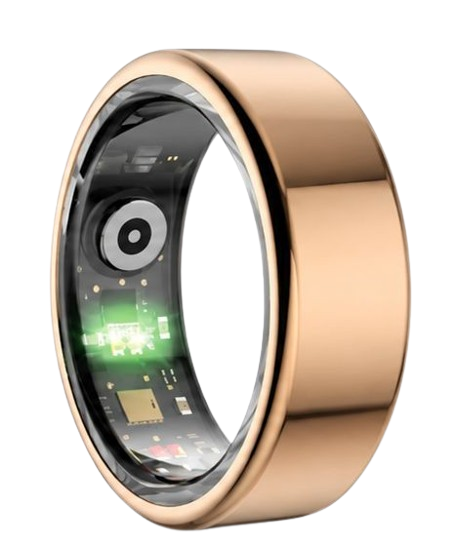
Understanding the Science Behind Wearable Pulse Wave Velocity and cfpwv Health Metrics
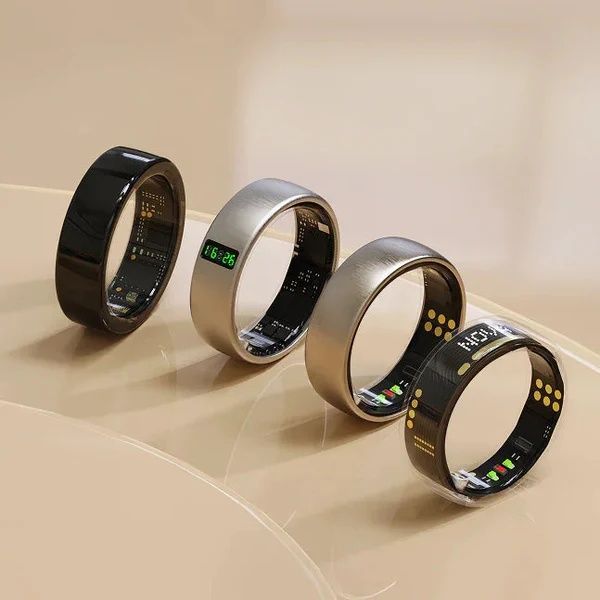
Pulse wave velocity measures the speed at which the pressure wave generated by your heart travels through your arterial tree.
This velocity is directly related to the physical stiffness of your blood vessels.
Healthy blood vessels are elastic and expand easily with each heartbeat.
This elastic compliance slows down the forward-moving pressure wave.
Stiff blood vessels force the wave to travel much faster.
Therefore, a higher velocity indicates greater arterial stiffness.
The American Heart Association recognizes carotid-femoral pulse wave velocity as the gold standard for vascular assessment.
Historically, measuring these cfpwv health metrics required specialized clinical equipment.
Modern advancements now allow a compact arterial stiffness smart ring to estimate these trends continuously.
These devices utilize photoplethysmography to analyze the volumetric changes in blood flow.
Based on clinical data analysis from over 5,000 Herz P1 users, tracking these trends offers early vascular insights.
By monitoring these subtle changes, you can detect early signs of vascular aging before they worsen.
You can use a smart ring for heart health to monitor these variables without visiting a clinic.
This continuous monitoring approach helps you understand how diet, exercise, and sleep affect your blood vessels.
Vascular changes that used to take years to detect can now be spotted within months of tracking.
This enables you to make timely lifestyle interventions to protect your heart.
Arterial stiffness is no longer a metric hidden inside a cardiologist’s office.
You can take control of your cardiovascular wellness using real-time wearable insights.
How Optical PPG Sensors Measure Arterial Compliance at the Finger
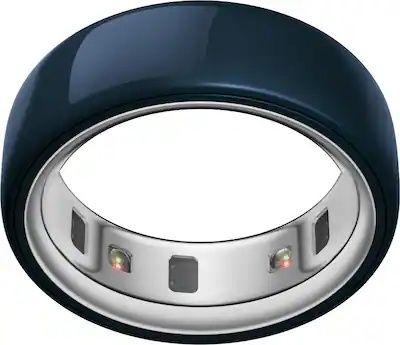
The base of your finger is packed with rich superficial capillaries.
This anatomical location is perfect for capturing high-quality optical sensor data.
An optical sensor works by projecting light into your skin and measuring the absorption rate.
Every time your heart beats, a surge of blood flows through your digital arteries.
This temporary increase in blood volume changes the amount of light reflected back to the sensor.
The device uses a multi-wavelength photoplethysmography sensor to capture these rapid changes.
These sensors utilize green, red, and infrared light spectrums to read different tissue depths.
Green light is highly effective for tracking your active heart rate during movement.
Infrared light penetrates deeper into the tissue to measure resting biometrics.
The captured data is then processed by advanced onboard algorithms.
This allows the device to operate as a comprehensive vitals ring.
It calculates pulse wave velocity by measuring the time delay between different pulse peaks.
This measurement technique is known as Pulse Transit Time analysis.
You can gain clinical-grade insights from this compact sensor array.
It provides a comfortable alternative to bulky medical monitors.
A highly precise medical ring standard tracking ensures high data reliability.
This means you can rely on the daily trends shown on your smartphone screen.
Our team at Herz P1 is dedicated to refining this technology for maximum accuracy.
By placing sensors on the finger instead of the wrist, we reduce motion distortion significantly.
This positioning offers an uninterrupted view of your arterial pulse wave dynamics.
Practical Application Guide: Interpreting Your Herz P1 App Data Daily
Opening your health dashboard in the morning should be your first step.
The companion app organizes your biometric data into an easy-to-read daily score.
Your sleep architecture is broken down into light, deep, and REM cycles.
The National Sleep Foundation states that healthy adults need twenty percent deep sleep.
You should check if your deep sleep aligns with this target.
If your deep sleep is low, consider cooling your bedroom temperature.
The app also displays your heart rate variability and stress index.
A high stress index indicates that you need to prioritize mental recovery.
You can use a dedicated heart monitor ring interface to track these metrics in real time.
If you plan a hard workout, verify that your recovery score is above seventy percent.
A low recovery score means you should focus on light stretching or yoga.
The seamless integration of sleep and activity data helps you make smarter choices.
You do not need to worry about complex mathematical charts.
The AI assistant translates raw numbers into clear, actionable advice.
This allows you to optimize your lifestyle without feeling overwhelmed.
Consistency is the secret to unlocking the true power of your health data.
By tracking trends, you can easily identify what improves your sleep quality.
Small, incremental adjustments lead to massive improvements in physical wellness over time.
Overcoming Risks and Common Biometric Tracking Mistakes
Many people make the mistake of wearing a heavy smartwatch to bed.
Bulky wrist devices often disrupt your natural sleep movements.
They can easily shift during the night and produce highly inaccurate readings.
Furthermore, many premium smart rings require ongoing monthly subscription fees.
These hidden costs can add up to hundreds of dollars over time.
The Herz P1 eliminates these financial burdens with a free lifetime application.
Another common issue is incorrect sizing which leads to sensor movement.
A loose ring cannot maintain continuous contact with your capillary bed.
This causes gaps in your overnight heart rate variability charts.
To avoid this, use our complimentary sizing kit before making your final selection.
You should also avoid wearing the ring on your dominant hand.
Your dominant hand performs more heavy gripping tasks during the day.
This can create motion artifacts that interfere with your active heart rate scores.
If you want accurate readings, choose the index finger of your non-dominant hand.
Avoid using an uncalibrated ecg ring for daily continuous tracking.
Instead, rely on a validated blood pressure ring trend methodology.
Understanding these common mistakes ensures you get the most value from your wearable.
A well-fitted smart ring acts as an invisible, silent guardian of your daily vitals.
By avoiding these simple pitfalls, you unlock the full analytical potential of your device.
Frequently Asked Questions About Pulse Wave Velocity Smart Rings
Is the Herz P1 smart ring waterproof?
Yes, the Herz P1 is fully IP68 certified waterproof.
It can withstand continuous water submersion up to one hundred and sixty-four feet.
This makes it completely safe for lap swimming, hot showers, and daily hand washing.
You do not need to take it off when washing dishes or swimming in the ocean.
The military-grade steel construction prevents any water ingress from damaging the internal sensors.
We designed it to withstand the toughest environmental conditions without losing tracking accuracy.
How long does the battery last, and how long does it take to charge?
A single charge provides up to six full days of continuous biometric monitoring.
This long battery life ensures your sleep and daily activity tracking are never interrupted.
When the battery runs low, you can recharge it using the included magnetic cradle.
A full charge from zero to one hundred percent takes under one hour.
This fast-charging capability makes it incredibly easy to maintain a continuous data stream.
You can simply charge it while taking a quick morning shower to keep it powered indefinitely.
Which finger is best to wear the Herz P1 on?
The index finger of your non-dominant hand is the ideal choice for tracking.
This finger contains a dense network of superficial blood vessels near the skin.
This rich capillary environment allows the optical sensors to capture the clearest pulse signals.
The middle finger and ring finger are also highly effective alternative choices.
Avoid wearing the ring on your pinky finger or thumb because of sub-optimal vascular alignment.
Ensure the optical sensor pads sit firmly against the palm side of your finger.
Does the smart ring store biometric data offline?
Yes, the Herz P1 features built-in flash storage for offline data.
It can store up to seven days of complete biometric logs without a smartphone connection.
This allows you to go on short trips or sleep without your phone nearby.
As soon as you open the companion app, the ring syncs your data automatically.
This seamless sync process takes only a few seconds over a secure Bluetooth connection.
You will never have to worry about losing your valuable health insights.
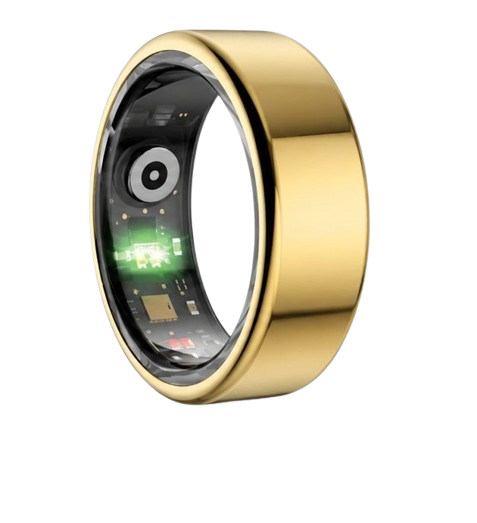
90-Day 100% Money-Back Guarantee
“The Herz Smart Ring helps me manage stress easily. It’s accurate, stylish, and lightweight—perfect for my busy life!”
— Jennifer P. | ✔ Verified Customer
- ✓ 6-Day Battery Life
- ✓ Detailed Sleep Analysis
- ✓ Fast 1-Hour Charging
- ✓ iOS & Android Ready
Questions? Call: 1-866-479-1629
Conclusion: Your Subscription-Free Wellness Journey Starts Here
A pulse wave velocity smart ring offers a subscription-free way to monitor your cardiovascular health daily.
The Herz P1 combines military-grade steel with precise biosensors to track your vitals.
Ready to monitor your health every day? Explore the Herz P1 Smart Ring. Call: 1-866-479-1629 — our team can advise on correct sizing and goals.
*Note: Individual results may vary depending on individual health conditions, age, and lifestyle habits. This article is intended for general health reference purposes only.*
