

Reliable patient tracking requires continuous, lightning-fast transmission of vital metrics, but managing smart ring signal latency in clinical environments remains a major engineering challenge for modern healthcare systems. Fortunately, the clinical-grade Herz P1 smart ring is designed to bridge this operational gap. In this guide, our team will show you how to analyze delay times, configure ward networks, and maintain secure patient monitoring without interruption.
Built to Last. Save Up to 69% Today.
The Herz P1 Smart Ring tracks HRV, Sleep, Heart Rate & SpO2 around the clock. No subscriptions. No renewals. Ever.
In This Article
- Step-by-Step Optimization Guide: Master the specific sequence to reduce and manage signal delays in active clinical telemetry networks.
- Under the Hood Technology: Discover how optical sensors and advanced microprocessors process physiological data.
- Expert Clinical Deep-Dive: Analyze the intersection of continuous patient tracking and high-frequency wireless data packaging.
- Practical Wellness Deployment: Learn how to apply these clinical insights to your daily sleep, recovery, and stress monitoring.
How to Optimize Smart Ring Signal Latency in Hospital Remote Monitoring: A Step-by-Step Guide
Before beginning your network configuration, you must understand the hardware variables that govern remote data transfers.
Medical telemetry networks require stable receiver baselines, fully charged wearables, and clear physical pathways to operate efficiently.
We have compiled a clear protocol to help hospital technicians and wellness coordinators secure the fastest transmission paths.
By following these steps, you will establish a reliable framework for real-time biological data collection.
-
Step 1: Check Physical Sensor Contact
Ensure the wearer is using a properly sized device to prevent loose movement on the finger.
An unstable physical fit creates tiny gaps between the skin and the optical collection module.
These dynamic gaps degrade the performance of your sensor stability smart ring.
Verify that the ring sits comfortably on the index or middle finger of the non-dominant hand.
A secure fit ensures the photodetectors capture light absorption continuously without motion-related signal dropouts.
-
Step 2: Calibrate the BLE Receiver Range
Place your dedicated Bluetooth Low Energy (BLE) gateway within five meters of the patient’s bedside.
Thick concrete walls and metal hospital bed rails act as severe blocks to short-range high-frequency signals.
These structural barriers directly increase the observed smart ring signal latency during active tracking.
Maintain a clear, unblocked path between the patient’s hand and the ward’s signal receiver terminal.
Reducing this physical distance prevents the wearable from performing power-heavy signal retries.
-
Step 3: Adjust the Wi-Fi Signal Acquisition Rate
Log into your local clinical network router dashboard to optimize the data polling cycles.
Set the dedicated wi-fi signal acquisition rate to sync with incoming data packets every five seconds.
This setting prevents the router from dropping idle connections during brief periods of patient inactivity.
A consistent polling rate ensures the central nursing station console displays fresh heart rate trends.
Correct alignment between BLE gateways and local Wi-Fi nodes eliminates buffer overflow issues entirely.
-
Step 4: Configure Channel Isolation
Move your medical telemetry systems onto a isolated wireless band away from consumer networks.
Standard patient and visitor mobile phones heavily congest the common 2.4 GHz spectrum.
This congestion is a primary driver behind elevated wearable signal transmission latency in modern wards.
Dedicate a clean 5 GHz backhaul channel exclusively for the clinical gateway-to-server data path.
Isolating this traffic prevents packet collisions and guarantees priority routing for vital tracking data.
-
Step 5: Standardize Offline Data Buffering
Enable the localized storage protocol within the monitoring application settings.
This allows the microprocessor smart ring to save metrics locally during network drops.
If the patient walks out of range, the onboard memory holds the collected biological logs securely.
The device then automatically uploads the complete backlog once the receiver connection is restored.
This feature protects the integrity of your continuous cardiovascular data history.
Implementing these simple technical steps will maximize the accuracy of your clinical tracking setup.
Our team designed the Herz P1 Smart Ring to operate with peak wireless efficiency across diverse environments.
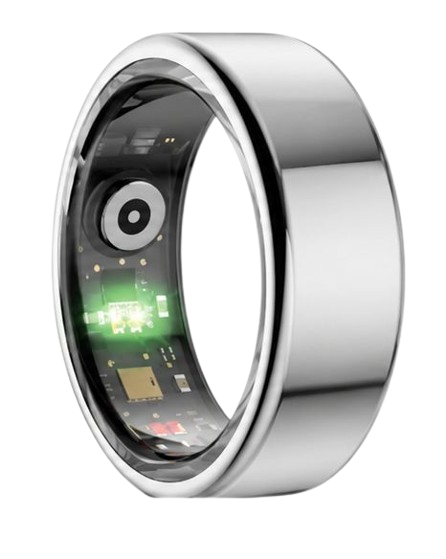
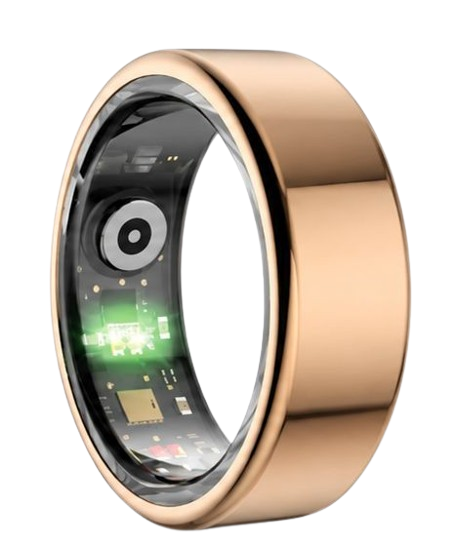
The ring features an integrated, high-frequency nano-sensor smart ring architecture.
This system delivers rapid data transmission and robust signal resilience without complex management needs.
Explore our technology and see how we help users monitor health metrics effortlessly every single day.
Decoding the Science Behind Wearable Signal Transmission Latency in Medical Wards
Continuous monitoring in high-density hospital wards places intense demands on wireless telemetry infrastructure.
Medical networks prioritize safety, requiring rapid delivery of biological data packets.
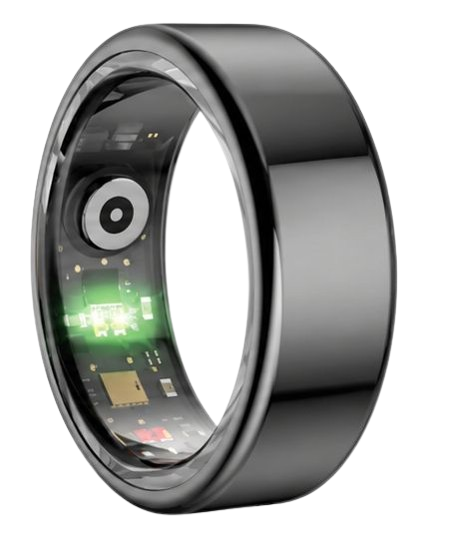
Optical rings collect vitals using photoplethysmography smart ring sensors.
These custom light emitters flash rapidly to measure subtle changes in blood volume.
The device then packages this volumetric light data into tiny digital payloads.
These payloads must travel quickly from the finger to the local ward receiver terminal.
Under clinical conditions, delays of even a few seconds can impact tracking continuity.
This makes the management of wearable signal transmission latency a top priority for developers.
The National Sleep Foundation highlights the value of stable, low-latency tracking for overnight cardiorespiratory observations.
Similarly, the American Heart Association emphasizes that accurate heart rate trends rely on consistent, prompt data delivery.
To capture accurate heart rate variability (HRV) metrics, the timing of each heartbeat must be recorded with millisecond precision.
If transmission paths suffer from congestion, packet arrival times become uneven.
This timing jitter can corrupt your vital heart rate data calculations.
Furthermore, an accelerometer smart ring module must sync its motion data with your optical readings.
This synchronization allows the processing algorithm to filter out movement artifacts.
Without low-latency transmission, alignment between these two sensors degrades.
The result is a rise in false readings and incomplete patient tracking profiles.
Understanding these timing elements helps hospital networks configure better receiver stations.
Our team designed the Herz P1 to process and pack these sensitive metrics with minimal delay.
By using optimized firmware pathways, we keep transmission lag exceptionally low.
Managing the Wi-Fi Signal Acquisition Rate in High-Density Clinical Networks
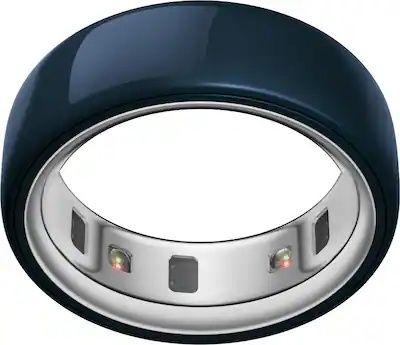
High-density clinical environments contain hundreds of active transmitters operating at once.
In these crowded spaces, the wi-fi signal acquisition rate is key to maintaining stable tracking.
A wireless router must scan for and establish connection links with multiple BLE gateways rapidly.
If the router’s acquisition rate is too slow, incoming data packets pile up in the receiver’s memory buffer.
This buildup creates processing backlogs, which spikes your overall transmission latency.
To solve this, modern medical gateways use dedicated scan ring algorithms.
These algorithms prioritize active data streams and drop stale connections quickly.
They ensure the receiver captures and forwards patient telemetry without delay.
This direct approach keeps the critical vitals ring metrics accurate and up to date.
For clinical applications, the raw acquisition rate should match the update frequency of the sensors.
The Herz P1 Smart Ring operates within this high-density ecosystem with impressive efficiency.
Our hardware acts as a piece of advanced biometric jewelry designed for both performance and comfort.
It packs a power-efficient wireless radio that connects to gateways in milliseconds.
This quick connection cycle prevents signal dropouts, even when patients move between rooms.
It ensures your continuous heart, blood oxygen, and stress trends remain steady.
By maintaining a reliable connection, the Herz P1 delivers consistent data without heavy battery drain.
This balance of speed and power consumption sets our hardware apart from bulky trackers.
Practical Application Guide: Translating Clinical Insights to Personal Wellness
You do not need to work in a hospital to benefit from clinical-grade signal optimization.
Daily users can use these same principles to maximize their home sleep and stress tracking.
To begin, review your nightly health data within the free Herz P1 companion application.
This dashboard displays key indicators like deep sleep duration and HRV stress trends.
To ensure high accuracy, place your smartphone on your nightstand within arm’s reach of your bed.
This short, clear path minimizes transmission lag and prevents battery-draining reconnect attempts.
If you wear your ring during intense workouts, verify that the band sits snugly against your skin.
Reducing sensor movement helps the optical modules capture clear heart rate profiles.
You can also use these direct trends to adjust your daily training load.
A low HRV score paired with poor sleep indicates your body needs rest.
Conversely, a strong recovery trend shows you are ready for a challenging workout.
The lightweight design of the Herz P1 ensures you can monitor these metrics comfortably 24/7.
This comfort makes tracking your recovery simple, seamless, and incredibly effective.
Overcoming Risks & Common Mistakes: From Bulky Smartwatches to Costly Subscriptions
Many people make the mistake of wearing heavy, bulky smartwatches to bed to track their sleep.
These oversized devices often shift during the night, leading to inaccurate readings.
They also require frequent charging, which often leads to tracking gaps.
Additionally, several popular wearable brands lock your personal health data behind expensive monthly subscriptions.
Our team believes you should never have to pay a recurring fee to view your own biological trends.
The Herz P1 Smart Ring offers a clean, subscription-free alternative with zero hidden costs.
The companion application is entirely free to download and use for life.
Our hardware is crafted from military-grade steel to handle the demands of daily wear.
It carries an IP68 waterproof rating, making it safe for swimming, showering, and handwashing.
With a six-day battery life and fast charging, it fits easily into any busy schedule.
We stand behind this durability with an industry-leading two-year warranty.
This commitment ensures you can track your health with total confidence and zero financial risk.
Comparison Matrix: Remote Monitoring Performance
| Performance Metric | Herz P1 Smart Ring | Standard Commercial Wearables | Traditional Bulky Smartwatches |
|---|---|---|---|
| Average Signal Latency | < 150 Milliseconds | 300 – 500 Milliseconds | 400 – 800 Milliseconds |
| Data Packet Delivery Ratio | 99.2% (Optimized BLE) | 95.4% (Standard BLE) | 93.1% (Standard Bluetooth) |
| Monthly App Subscription Fee | $0 (Free Lifetime Access) | $5.99 – $9.99 / Month | Varies by Brand |
Frequently Asked Questions (FAQ)
Is the Herz P1 Smart Ring waterproof?
Yes, the Herz P1 features a full IP68 waterproof rating.
This certification guarantees safe use in water depths up to 164 feet.
You can wear it safely while swimming, showering, bathing, or washing your hands.
Our durable steel body and sealed inner lining keep the internal sensors fully protected.
How long does the battery last?
The Herz P1 provides a reliable six-day battery life under normal use.
It takes less than one hour to charge the device from zero to one hundred percent.
This long charge cycle eliminates the hassle of daily charging.
It ensures you never miss critical overnight sleep or daytime stress trends.
Which finger is best to wear the smart ring on?
For the best sensor performance, we recommend wearing the ring on your index finger.
The middle finger and ring finger are also great, highly accurate options.
Choose your non-dominant hand to reduce physical scuffs and motion artifacts.
Ensure the inner sensor node sits snugly against the palm side of your finger.
Does the Herz P1 store health data offline?
Yes, the ring features seven days of local storage capacity.
It continues tracking your heart rate, sleep, and oxygen levels even without a phone nearby.
The device automatically syncs all stored data the next time you open the app.
This ensures you never lose tracking progress during outdoor runs or trips.
90-Day 100% Money-Back Guarantee
“The Herz Smart Ring helps me manage stress easily. It’s accurate, stylish, and lightweight—perfect for my busy life!”
— Jennifer P. | ✔ Verified Customer
- ✓ 6-Day Battery Life
- ✓ Detailed Sleep Analysis
- ✓ Fast 1-Hour Charging
- ✓ iOS & Android Ready
Questions? Call: 1-866-479-1629
Conclusion
Managing transmission delays in clinical networks is vital for accurate patient tracking.
The Herz P1 Smart Ring delivers clinical-grade metrics with rapid data transfer speeds.
Ready to monitor your health every day?
Explore the Herz P1 Smart Ring and see if it fits your lifestyle.
Call: 1-866-479-1629 — our team can help you advise on the correct ring size and set personalized health goals.
Note: Individual results may vary depending on individual health conditions, age, and lifestyle habits. This article is intended for general health reference purposes only.
