

Finding a reliable way to recover from daily exhaustion without losing hours of productivity is a major challenge for busy professionals. Fortunately, practicing non sleep deep rest offers a science-backed method to restore your mental clarity and reduce stress in as little as twenty minutes. By tracking your physiological recovery with the premium, subscription-free Herz P1 smart ring, you can actively measure how these deep-rest protocols rebuild your system from the inside out.
Built to Last. Save Up to 69% Today.
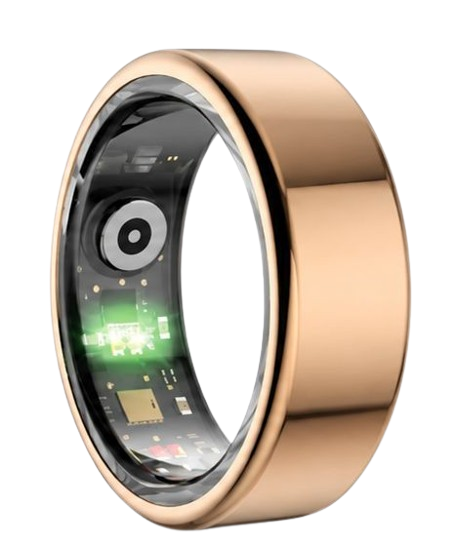
The Herz P1 Smart Ring tracks HRV, Sleep, Heart Rate & SpO2 around the clock. No subscriptions. No renewals. Ever.
In This Article
- Step-by-Step NSDR Practice: How to perform a non-sleep deep rest protocol anywhere.
- The Scientific Foundations: How brainwave shifts and parasympathetic activation accelerate mental recovery.
- NSDR vs. Traditional Sleep: Understanding the structural differences in cortical rest.
- Leveraging Biometrics: How smart wearables like Herz P1 help optimize recovery states.
How to Master the Non Sleep Deep Rest Protocol for Rapid Recovery
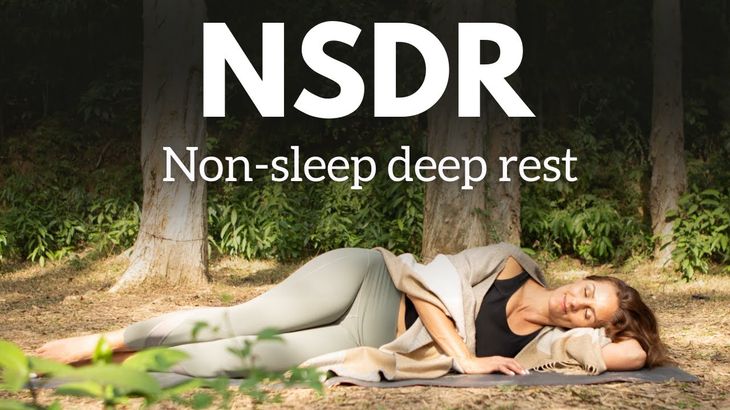
Prerequisites and Mental Preparation
Before beginning your session, make sure you are wearing comfortable, loose clothing.
You should allocate twenty minutes in your schedule where notifications are muted.
Understanding various calming activities for sleep will provide context on how your nervous system transitions into calm.
Resting in a semi-darkened room is ideal to minimize environmental optic stimulation.
-
Step 1: Optimize Your Environment for Deep Rest
To begin your session, find a quiet space where you can lie down flat on your back without interruption.
Using a comfortable yoga mat or a firm mattress ensures your spine remains naturally aligned.
Place a small pillow under your head to relieve any latent cervical tension.
Consider wearing a lightweight eye mask to limit visual distractions and encourage internal focus.
Keep a light blanket nearby because your core body temperature will drop as your body enters deep rest.
-
Step 2: Establish a Rhythmic Breathing Pattern
Once settled, turn your undivided attention to the natural rhythm of your breath.
You can practice specialized breathing exercises for sleep to speed up the transition to a relaxed state.
Inhale deeply through your nose for a slow, silent count of four seconds.
Exhale smoothly through parted lips for a count of six to eight seconds.
Emphasizing the exhalation immediately triggers the parasympathetic nervous system via vagal nerve activation.
-
Step 3: Perform a Systematic Body Scan
Direct your mental attention to the tip of your toes on both feet.
Consciously release all physical tension in your calves, knees, and upper thighs as you move your attention upward.
Integrating a physiological sigh—two quick inhales through the nose followed by a slow exhale—helps drop physical tension instantly.
Continue scanning slowly through your abdominal area, chest, and shoulders.
Soften your jaw muscles, your eyelids, and your forehead to release lingering stress.
-
Step 4: Incorporate Soundscapes or Auditory Guides
Many individuals find that listening to dedicated auditory anchors helps them maintain mental focus.
Integrating sound meditation tracks can stabilize drifting thoughts during the process.
You can experiment with modern auditory frequencies, such as what is pink sound, to block intrusive environmental noises.
Some users respond better to organic sound textures like greennoise for deep somatic soothing.
Adjust the volume to a moderate, non-intrusive level so it acts as a gentle backdrop rather than a distraction.
-
Step 5: Transition Back to Alertness Mindfully
When your designated session is complete, avoid moving too quickly or jumping up immediately.
If you prefer silent spaces, conducting unguided sessions can cultivate a natural transition back to waking consciousness.
Begin introducing tiny movements by slowly wiggling your fingers and your toes.
Take one large, expanding breath to re-oxygenate your system completely.
Gently roll onto your right side, pause for several seconds, and then slowly push yourself up to a comfortable sitting position.
Why the Herz P1 is the Ultimate Companion for Your NSDR Routine
Consistently practicing these steps yields profound physiological benefits that can be measured.
The Herz P1 smart ring actively monitors your physiological metrics before, during, and after your sessions.
By capturing changes in your heart rate variability, the ring provides clear evidence of your nervous system recovery.
You can observe real-time biometric improvements on the free companion app immediately after your session.
This allows you to verify that your chosen routine is actively reducing your daily physiological strain.
The Science of NSDR Protocols: How Brainwaves and the Vagus Nerve Facilitate Deep Rest

To fully understand the power of non-sleep deep rest, we must examine the physiological changes that occur inside your brain and body during practice.
When you are awake and highly focused, your brain produces fast beta waves to process external stimuli.
As you settle into an nsdr protocol, your brainwaves slow down into the alpha and theta frequency bands.
Alpha waves are closely linked with relaxed alert states and creative thought processes.
Theta waves represent a deeper border state between waking consciousness and actual sleep.
This biological transition allows the brain to perform vital cognitive maintenance without completely turning off.
According to research from the National Sleep Foundation, accessing these states during the day helps replenish neurotransmitter reserves.
Concurrently, your autonomic nervous system experiences a major shift away from sympathetic dominance.
The sympathetic system is responsible for your body’s fight-or-flight stress responses.
By consciously slowing down your breathing, you stimulate the vagus nerve.
The vagus nerve is the primary highway of your parasympathetic nervous system, which governs resting and digesting.
Vagal stimulation results in an immediate slowing of your heart rate and a widening of blood vessels.
The American Heart Association emphasizes that high parasympathetic activity is a key indicator of cardiovascular fitness and resilience.
This shift directly impacts your heart rate variability, or HRV.
HRV measures the millisecond-level variation in time between consecutive heartbeats.
A higher HRV indicate a flexible, recovered nervous system that is highly responsive to changes.
Conversely, a suppressed HRV score reflects systemic fatigue and high cardiovascular stress.
By practicing deep rest, you can intentionally increase your HRV and speed up systemic recovery.
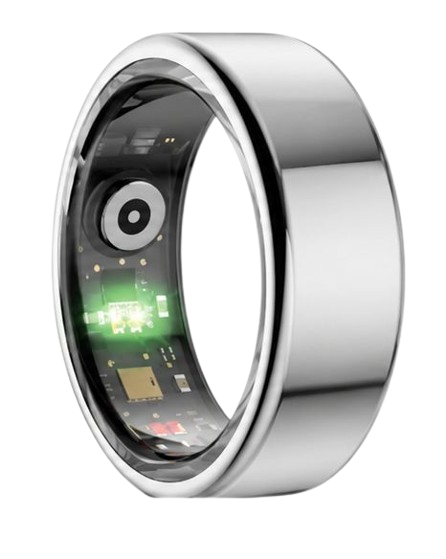
The Herz P1 smart ring tracks these shifts using an advanced multi-wavelength optical sensor array.
This allows you to see how your cardiovascular metrics respond to your practice in real-time.
What Is NSDR and How Does It Compare to Traditional Sleep Stages?

The phrase “non sleep deep rest” was originally coined by Stanford neurobiologist Dr. Andrew Huberman.
The term serves as an umbrella for practices like Yoga Nidra, breathwork, and self-hypnosis.
Understanding what is nsdr helps differentiate it from normal, nocturnal sleep.
Traditional sleep is an unconscious state divided into distinct cycles of light, deep, and rapid eye movement, or REM sleep.
During deep sleep, your brain waves slow to delta patterns, and your body focuses on physical repair.
During REM sleep, your brain is highly active as it processes emotions and consolidates memories.
While traditional sleep is vital, nonsleep deep rest acts as a conscious tool to offset acute sleep deficits.
In an nsdr sleep session, you remain awake and aware while your body is at rest.
This allows you to experience many of the physical and mental benefits of sleep without actually drifting off.
A twenty-minute session can restore cognitive focus and reduce fatigue in a similar way to a sixty-minute nap.
This is because deep rest suppresses cortisol production while boosting dopamine levels in the brain.
These neurotransmitter adjustments restore mental clarity and motivation without leaving you with post-nap grogginess.
Many busy individuals use the andrew huberman nsdr methods during natural afternoon energy slumps.
Integrating huberman non sleep deep rest into your daily schedule provides a reliable way to sustain focus without relying on caffeine.
It is important to remember that conscious rest should not replace normal nightly sleep cycles.
Instead, look at it as a quick, supportive tool to manage daily fatigue and keep your nervous system balanced.
The Herz P1 smart ring helps you manage this balance by tracking both your overnight sleep stages and your daytime stress levels.
How to Track Your NSDR Recovery Metrics on the Herz P1 App
To optimize your deep rest protocols, you need accurate physiological feedback.
The Herz P1 companion app provides a comprehensive, real-time look at your biometric data.
Before starting your session, open the app to check your baseline heart rate and HRV Stress Index.
Slip the lightweight military-grade steel ring onto your preferred finger to ensure consistent sensor contact.
The optical PPG sensors on the ring measure changes in blood flow through the microvessels in your finger.
Once your twenty-minute rest session is complete, sync the ring with your smartphone.
You should see a noticeable drop in your active heart rate, often by ten to fifteen beats per minute.
Your HRV Stress Index should also show a clear shift toward a state of recovery.
The app displays these metrics in simple, easy-to-read charts so you can track your progress over time.
You can also monitor your blood oxygen saturation, or SpO2, which should remain stable and elevated during deep, rhythmic breathing.
Analyzing these daily trends helps you determine the best time of day to perform your rest protocol.
The comfort of the 3.5-gram ring makes it easy to collect clean, uninterrupted data twenty-four hours a day.
With lifetime free app access, you never have to worry about hidden subscription fees blocking your data.
Common Pitfalls: Why Bulky Wearables and Subscription Fees Limit Your Wellness Progress
Many health-conscious individuals struggle to track their rest protocols effectively due to poorly designed devices.
Wearing a bulky, heavy smartwatch to sleep or during deep rest can cause physical discomfort.
This discomfort can trigger subtle physical tension, which directly interferes with your ability to relax.
Additionally, large watches often shift on your wrist, resulting in missed or inaccurate biometric data.
The Herz P1 smart ring avoids these issues entirely with its slim, ergonomic profile.
Another common issue is the high ongoing cost of premium wearable devices.
Several popular brands require monthly subscription fees to access your personal health data.
These recurring charges can create a sense of frustration and make long-term health tracking feel like a financial burden.
We believe that you should own your health data without any ongoing monthly fees.
The Herz P1 app is entirely free for life, providing full access to all advanced analytics from day one.
By choosing a subscription-free tracker, you can focus on your recovery without worrying about hidden costs.
Frequently Asked Questions About NSDR and Biometric Tracking
Is the Herz P1 smart ring waterproof?
Yes, the Herz P1 is fully IP68 waterproof certified. It can withstand water submersion up to 164 feet, making it completely safe for swimming, showering, and handwashing. You do not need to take it off during your daily activities.
How long does the ring’s battery last on a single charge?
The Herz P1 features a long-lasting battery that provides up to 6 days of continuous tracking. It charges quickly, taking less than 1 hour to go from empty to a full charge. This minimizes downtime and ensures you rarely miss any important biometric data.
Which finger is the best option for wearing the smart ring?
For the best sensor accuracy, we recommend wearing the ring on your index, middle, or ring finger. The index finger generally has the strongest blood flow, which helps the optical sensors capture the cleanest PPG readings. Ensure the fit is snug but comfortable.
Does the Herz P1 store my biometric data offline?
Yes, the smart ring can store up to 7 days of biological data locally on its internal memory. This means you do not need to have your smartphone nearby during your rest sessions. All data will sync automatically as soon as the ring reconnects to your phone.
Can listening to relaxing sounds enhance my rest sessions?
Absolutely. Using high-quality soundscapes can help calm your mind. If you find yourself asking, does rain sounds help you sleep, you will find that these natural textures work equally well to deepen conscious rest.

90-Day 100% Money-Back Guarantee
“The Herz Smart Ring helps me manage stress easily. It’s accurate, stylish, and lightweight—perfect for my busy life!”
— Jennifer P. | ✔ Verified Customer
- ✓ 6-Day Battery Life
- ✓ Detailed Sleep Analysis
- ✓ Fast 1-Hour Charging
- ✓ iOS & Android Ready
Questions? Call: 1-866-479-1629
Conclusion
Mastering deep rest is one of the most effective ways to manage daily stress and reclaim your mental focus. The Herz P1 Smart Ring offers a comfortable, subscription-free way to monitor your physical recovery every single day.
Ready to monitor your health every day? Explore the Herz P1 Smart Ring and see if it fits your lifestyle. Call: 1-866-479-1629 — our team can help you advise on the correct ring size and set personalized health goals.
Note: Individual results may vary depending on individual health conditions, age, and lifestyle habits. This article is intended for general health reference purposes only.
