

If you struggle with nightly congestion, finding a reliable method for how to sleep with allergies can feel like an impossible challenge. Statistics from the Asthma and Allergy Foundation of America show that over 100 million Americans suffer from seasonal allergies, which drastically degrade overnight oxygen levels. The premium, subscription-free Herz P1 Smart Ring is engineered to decode your SpO2, sleep stages, and heart rate variability to help you regain control of your nightly breathing patterns.
Built to Last. Save Up to 69% Today.
The Herz P1 Smart Ring tracks HRV, Sleep, Heart Rate & SpO2 around the clock. No subscriptions. No renewals. Ever.

In This Article
- Step-by-Step Recovery Guide: Immediate action steps to reduce allergen exposure and secure deep sleep tonight.
- The Science of Airway Resistance: How histamines alter your sleep stages, oxygen saturation, and autonomic nervous system.
- SpO2 Tracking Explained: Understanding how smart ring optical sensors monitor your blood oxygenation around the clock.
- Data Integration & Practical Tips: How to translate sleep graphs and heart rate variability (HRV) into custom lifestyle choices.
- Overcoming Wearable Obstacles: Choosing between bulky wrist trackers and lightweight smart rings with zero monthly subscription fees.
How to Sleep Better with Seasonal Allergies: A Step-by-Step Biometric Optimization Guide
Prerequisites & What You Need
Before initiating this structured bedtime routine, you must prepare specific physical tools and environmental controls.
You will need a high-efficiency particulate air (HEPA) room filter, allergen-proof zippered protective covers for your pillows and mattress, and a saline-based nasal irrigation kit.
You also need a reliable biometric sleep tracker, such as the Herz P1 Smart Ring, to monitor your physiologic baseline throughout this multi-day adjustment period.
-
Step 1: Sanitize Your Sleep Sanctuary
Remove all dust-trapping fabrics, heavy drapes, and unnecessary decorative pillows from your immediate sleeping environment.
Wash your sheets and pillowcases weekly in hot water reaching at least 130 degrees Fahrenheit to effectively eliminate dust mites.
Keep your bedroom windows tightly sealed during peak pollen seasons to prevent micro-allergens from settling on your bed.
Run a true HEPA air purifier continuously on a low setting next to your bedside to capture suspended physical particles.
This environmental optimization prevents your immune system from initiating an inflammatory response while you rest.
-
Step 2: Elevate Your Head and Upper Body
Sleeping completely flat on your back allows post-nasal drip and nasal congestion to pool directly in your upper airways.
Elevate your head and upper shoulders by six to eight inches using an ergonomic wedge pillow.
This physical angle utilizes gravity to promote natural, continuous sinus drainage throughout the night.
Better nasal drainage prevents overnight micro-arousals and stabilizes your blood oxygen levels.
It also reduces tissue swelling inside your nasal passages, allowing you to breathe comfortably through your nose.
-
Step 3: Perform a Saline Nasal Rinse Before Bed
Use a distilled saline nasal spray or a sterile neti pot sixty minutes before your scheduled bedtime.
This rinse physically flushes out trapped pollen, dust, and thick mucus from your nasal passages.
It reduces localized mucosal inflammation and allows for smoother, unrestricted respiratory airflow.
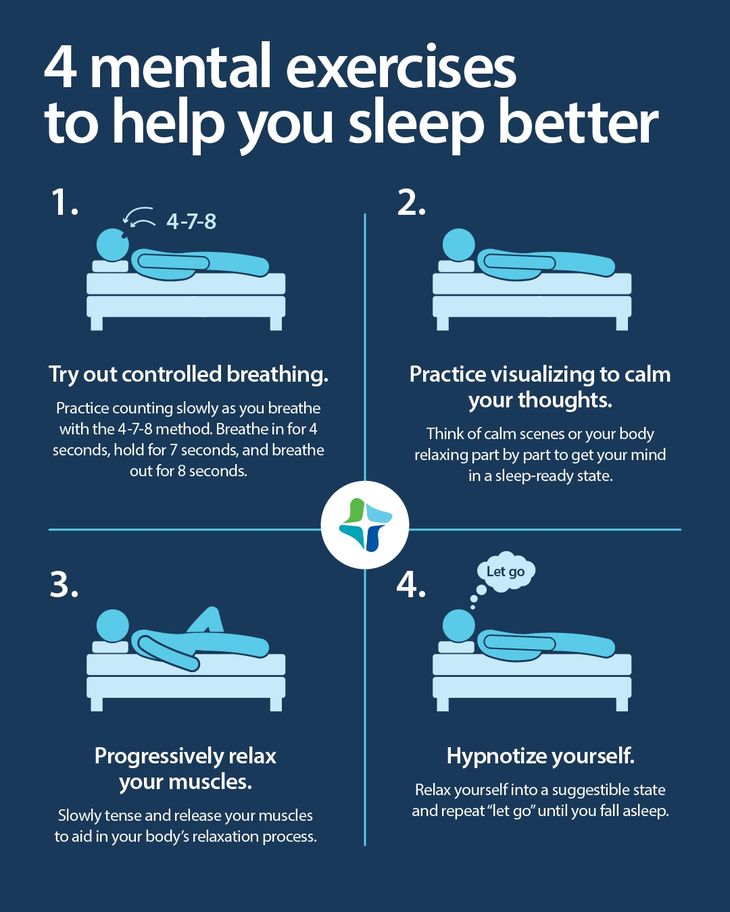
Pairing this physical rinse with slow, deep breathing exercises for sleep will soothe your nervous system.
This practice transitions your body into a calm state, helping you combat allergy-induced restlessness.

-
Step 4: Regulate Your Circadian Timing
Set a strict, unchanging bedtime and wake-up time to align with your natural circadian sleep wake cycle.
Irregular sleep patterns put unnecessary physical stress on your endocrine and immune systems.
This biological stress increases your systemic inflammatory response, making your body more sensitive to common allergens.
Consistent sleep schedules optimize your body’s natural secretion of anti-inflammatory cortisol in the morning.
This regular hormone release helps calm your sinuses when pollen counts are historically at their highest.
-
Step 5: Track Your Baseline SpO2 and Sleep Trends
Wear your biometric smart ring every night to record your overnight blood oxygenation and sleep cycles.
Observe how your blood oxygen levels fluctuate during peak allergy seasons compared to clear weather.
Analyze your weekly reports to see if your respiratory rate increases when outdoor pollen counts spike.
Use these objective trends to evaluate if your air purifiers and nasal rinses are successfully stabilizing your breathing.
This data-driven approach removes the guesswork from managing your overnight recovery.

Seamless Biometric Integration with Herz P1
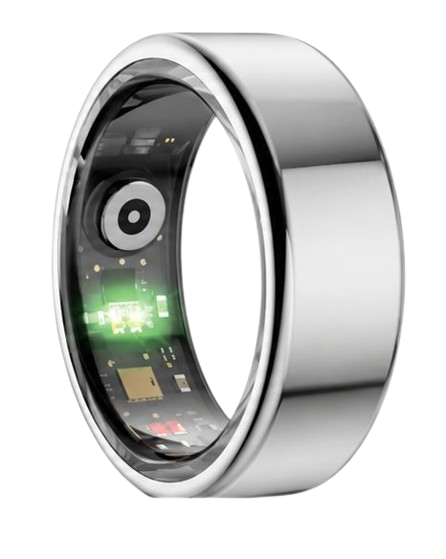
The premium Herz P1 Smart Ring fits seamlessly into this bedtime routine by acting as a highly precise, comfortable health tracker.
Its lightweight, low-profile design ensures you never experience skin irritation while sleeping with congested airways.
The military-grade steel construction is built to handle sweat and natural skin oils without degrading.
By monitoring your vital signals automatically, it provides the detailed data you need to confirm your allergy strategies are working.
90-Day 100% Money-Back Guarantee
“The Herz Smart Ring helps me manage stress easily. It’s accurate, stylish, and lightweight—perfect for my busy life!”
— Jennifer P. | ✔ Verified Customer
- ✓ 6-Day Battery Life
- ✓ Detailed Sleep Analysis
- ✓ Fast 1-Hour Charging
- ✓ iOS & Android Ready
Questions? Call: 1-866-479-1629
How Allergic Reactions Disrupt Your Sleep Architecture and Cause Sleep Fragmentation
When environmental allergens enter your nasal passages, they immediately trigger a cascade of histamines that cause severe tissue swelling.
This swelling increases nasal airway resistance, forcing your respiratory system to exert significantly more effort to pull in air while you sleep.
The National Sleep Foundation reports that this physical breathing effort triggers frequent, unconscious micro-arousals throughout the night.
These micro-arousals act as brief neural awakenings, instantly pulling you out of deep recovery stages back into lighter sleep cycles.
Consequently, you will often find yourself wondering why do i wake up tired, even after spending a full eight hours in bed.
This recurring respiratory stress directly elevates your average awake time during sleep, leaving you feeling physically exhausted.
Your body is essentially struggling for oxygen, which prevents it from completing the vital cycles of deep sleep vs light sleep.
Without sufficient deep slow-wave sleep, your immune system cannot repair tissues, clear brain metabolic waste, or regulate your inflammatory response.
This chronic lack of deep rest creates a feedback loop where your allergies worsen because your immune system is physically depleted.
This explains why many individuals ask, does sleeping help with allergies, as quality rest is vital to down-regulate your body’s histamine reactions.
When you secure deep, uninterrupted rest, your body can synthesize anti-inflammatory proteins that help soothe hyperactive immune responses.
Conversely, poor rest raises your sympathetic nervous system tone, which heightens allergy symptoms and sinus sensitivity the following day.
This highlights the massive clinical impact of seasonal allergies sleep quality on your day-to-day productivity and long-term metabolic health.
Demystifying Overnight SpO2: What Your Blood Oxygen Levels Say About Your Airway Health
Blood oxygen saturation, commonly measured as SpO2, indicates the exact percentage of oxygen-carrying hemoglobin in your bloodstream.
For a healthy individual, normal overnight SpO2 levels should ideally remain stable between 95% and 100%.
When seasonal allergies severely restrict your nasal breathing, your physical oxygen intake can drop at various points during the night.
These subtle drops, known as oxygen desaturations, are clear indicators that your respiratory system is working harder to pull in clean air.
If your SpO2 levels consistently dip below 92%, your brain may initiate an immediate awakening to restore proper, deep airflow.
This mechanism explains those sudden, jarring wakeups that leave you wondering why do i wake up at 3am with a dry mouth and a racing pulse.
Continuous overnight SpO2 tracking acts as a reliable, non-invasive early warning system for your respiratory wellness.
By monitoring these vital trends over time, you can quickly identify if your breathing is being compromised by high pollen counts.
This metric helps you differentiate between standard daily fatigue and actual physical oxygen deprivation caused by blocked nasal passages.
Understanding these values gives you the objective data needed to make informed lifestyle modifications or consult with a specialist.
Evaluating your respiratory rate alongside SpO2 gives you a complete, clear picture of your physical recovery capacity.
By implementing targeted nasal care, you can watch your overnight oxygenation stabilize and help your body sleep better with allergies.
Optimizing Your Daily Recovery: Reading Sleep and HRV Data on Your Herz P1 App
Understanding your daily metrics on the companion application is straightforward once you know what trends to look for.
The Herz P1 App compiles your biometric parameters into a clean, comprehensive sleep score each morning.
To begin your analysis, you must learn how to read sleep graphs to locate your REM and deep sleep cycles.
Look for consistent, multi-day patterns rather than focusing solely on a single night’s sleep disruptions.
Pay close attention to your heart rate variability, or HRV, which indicates your autonomic nervous system’s physical state.
A high HRV score suggests that your nervous system is balanced, recovered, and ready to handle daily stressors.
A low HRV score during allergy flare-ups indicates that your immune system is experiencing high physical strain.
You can use this valuable data to adjust your daily exercise intensity or schedule calming activities for sleep on highly congested nights.
Because the Herz P1 is incredibly light and comfortable, you can wear it continuously to build an accurate, uninterrupted health baseline.
This 24/7 tracking capacity ensures that your weekly and monthly health averages are scientifically sound and personally useful.
You will soon see a clear correlation between lower stress levels and improved breathing patterns during allergy seasons.
Having this objective feedback loop allows you to take proactive charge of your recovery with absolute confidence.
The Pitfalls of Bulky Wearables and the Hidden Trap of Subscription Fees
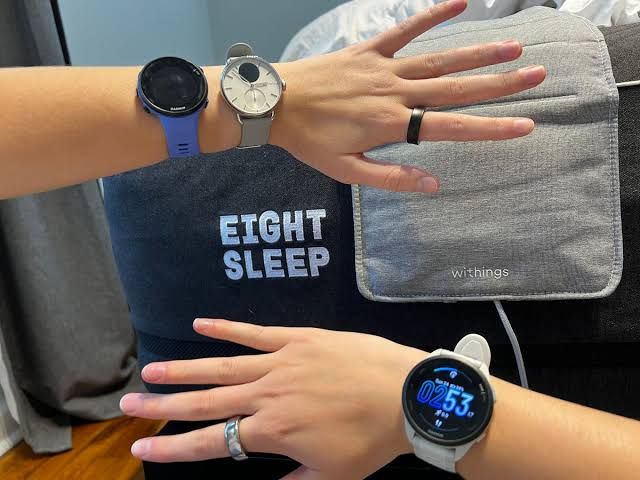
Many health-conscious individuals make the critical mistake of wearing a bulky, heavy smartwatch to bed.
These oversized wristbands frequently shift and slide during sleep, leading to inaccurate optical sensor readings.
The tight straps can also trap moisture and sweat, causing localized skin irritation, especially when you are already dealing with seasonal allergy sensitivities.
Additionally, the constant, bright glow of a smartwatch screen can wake you up and disrupt your natural melatonin production.
Another major pitfall in the wearable market is the hidden cost of ongoing monthly app subscriptions.
Some prominent brands lock your detailed sleep stages, HRV metrics, and historical trends behind a paywall after you purchase their expensive hardware.
At Herz P1, we believe that your personal health data should always belong to you without any barriers.
Our companion application is completely free for lifetime, with zero hidden fees, locked features, or recurring subscription renewals.
This ensures you have unlimited access to your biometric trends without any unexpected financial burdens over time.
By pairing military-grade steel construction with a sleek, finger-worn design, we have removed the friction from personal health tracking.
You get highly accurate, clinical-grade data in a device that feels almost weightless on your hand.
Biometric Tracking Comparison: Herz P1 vs. Traditional Wearables
To help you make an informed decision, let us compare the direct user experience of the Herz P1 Smart Ring with standard wrist-worn smartwatches.
| Feature Metric | Herz P1 Smart Ring | Standard Smartwatch Trackers |
|---|---|---|
| Form Factor & Comfort | Ultra-lightweight ring, seamless 24/7 wear | Bulky wrist strap, prone to sliding and skin chafing |
| Monthly Subscription Fee | $0 (Free App for Lifetime) | Often requires $5.99 to $9.99/month for full data |
| Overnight SpO2 Precision | Continuous finger-based PPG sensing | Wrist-based sensing, prone to movement interference |
| Battery Longevity | Up to 6 days of continuous tracking | Requires daily or every-other-day charging |
| Warranty Protection | 2-Year Comprehensive Warranty | Typically limited 1-Year coverage |
Frequently Asked Questions About Sleep, Allergies, and Smart Rings
Yes, the Herz P1 features a certified IP68 waterproof rating.
This certifies that the ring is fully protected against dust and water immersion up to 164 feet deep.
You can confidently wear it while washing your hands, showering, swimming, or relaxing in a hot tub.
The advanced lithium battery delivers up to six days of continuous, active tracking on a single charge.
It charges fully from zero to one hundred percent in under one hour using the included magnetic charging dock.
This rapid charging capacity minimizes any gaps in your overnight health monitoring and respiratory tracking.
For the most accurate optical biometric readings, we recommend wearing the ring on your index finger.
The middle finger or ring finger can also be used if they provide a more secure, snug fit.
We suggest wearing it on your non-dominant hand to minimize any motion-related data noise during daily physical activities.
Yes, the smart ring features seven days of secure, automated local data storage.
This means your biometric metrics are safely recorded even if your smartphone’s Bluetooth is turned off.
The stored data will automatically sync to your companion application once the wireless connection is restored.
Conclusion: Your Subscription-Free Wellness Journey Starts Here
Optimizing your sleep while managing seasonal allergies is entirely possible with the right biometric insights.
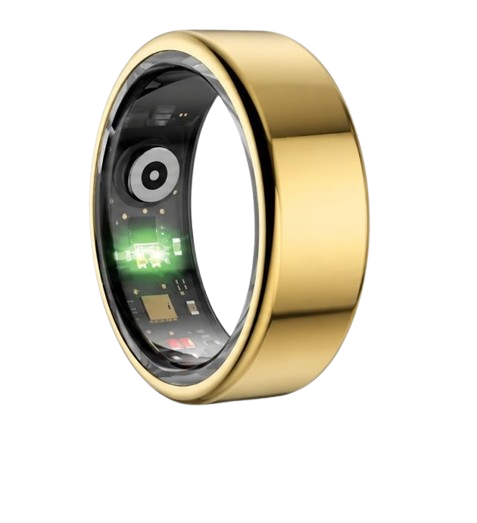
The Herz P1 Smart Ring provides the continuous tracking and deep metric analysis you need to breathe easier and wake up refreshed.
Ready to monitor your health every day?
Explore the Herz P1 Smart Ring and see if it fits your lifestyle.
Call: 1-866-479-1629 — our team can help you advise on the correct ring size and set personalized health goals.
