

Managing blood sugar levels while achieving deep, restorative sleep remains a daily challenge for millions, leaving many to wonder, is brown rice good for diabetics who also struggle with sleep? Clinical studies indicate that 70% of individuals with type 2 diabetes suffer from sleep disturbances, directly impacting their metabolic fitness. At Herz P1, we empower you to track these critical metabolic and sleep variables 24/7 without subscription fees.
Built to Last. Save Up to 69% Today.
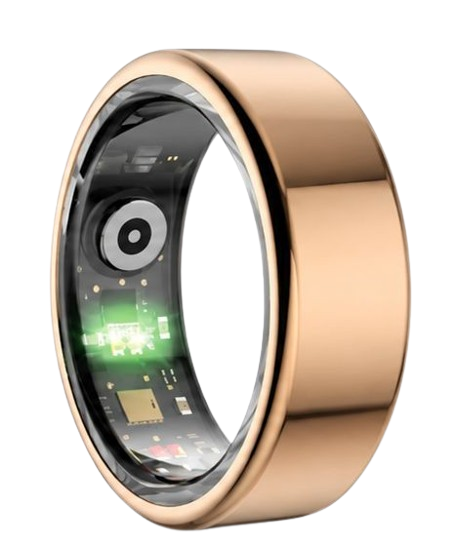
The Herz P1 Smart Ring tracks HRV, Sleep, Heart Rate & SpO2 around the clock. No subscriptions. No renewals. Ever.
In This Article
- Is Brown Rice Good for Diabetics? — A complete 5W2H clinical and nutritional breakdown.
- The Sleep-Glucose Connection — How overnight glycemic stability protects your deep and REM sleep stages.
- Nutritional Science of Grains — Comparing the glycemic response of brown rice, white rice, and alternative choices.
- Biometric Tracking — How to use smart wearables like the Herz P1 to map your metabolic fitness.
Is Brown Rice Good for Diabetics? The 5W2H Clinical Breakdown

What is this metabolic question about?
This discussion focuses on how eating brown rice impacts blood sugar regulation and sleep parameters for people with diabetes.
Brown rice is a whole grain that retains its nutrient-rich outer bran and germ layers.
These layers provide dietary fiber, essential magnesium, and B vitamins that are missing in refined white rice.
Our team notes that these natural structural elements slow down starch digestion significantly.
This structural difference is why the boiled rice glycemic index for brown rice sits at a moderate level of approximately 50 to 55.
In contrast, standard white rice has a high glycemic index that typically exceeds 70.
Who is affected by this dietary choice?
Individuals diagnosed with prediabetes, type 1 diabetes, or type 2 diabetes must monitor this grain choice closely.
Busy professionals managing daily stress also benefit from tracking how complex grains affect their physical energy.
If you experience midday fatigue or nocturnal awakenings, your carbohydrate selection may be the underlying cause.
Every person processes carbohydrates differently based on their unique cellular insulin sensitivity.
Understanding what is metabolic health is crucial for recognizing how these unique responses impact daily life.
We see that active tracking helps customize meal plans to match individual biological tolerances.
When does brown rice consumption matter most?
Timing your carbohydrate intake plays an essential role in stabilizing daytime energy and nighttime glucose patterns.
Consuming brown rice during lunch allows your daytime physical activity to help clear circulating glucose from your bloodstream.
Eating large portions of grains late in the evening can cause prolonged elevated glucose levels throughout the night.
These elevation patterns can trigger compensatory cortisol releases that disrupt vital sleep architecture.
Using a smart ring helps you observe these real-time interactions between late-night meals and sleep quality.
Consistency in meal schedules helps reinforce your natural circadian rhythms and insulin patterns.
Where does the physiological impact occur?
The primary digestion and absorption processes occur within your small intestine.
The soluble and insoluble fibers in brown rice form a gel-like matrix that slows down enzyme access to starch molecules.
This slow progression delays glucose entry into your portal vein and systemic circulation.
At the cellular level, skeletal muscle and liver tissue absorb this glucose under the control of insulin.
When you maintain optimal metabolic fitness, your cells utilize this glucose efficiently without requiring large insulin spikes.
Excessive spikes can damage vascular lining and lead to progressive cellular insulin resistance.
Why does brown rice act differently than refined white rice?
Refined white rice has had its protective bran and nutrient-dense germ layers stripped away during processing.
This mechanical milling leaves behind only the starchy endosperm, which your digestive enzymes convert into sugar rapidly.
Brown rice retains its natural physical barrier, requiring more chemical energy and time for your body to break down.
Additionally, brown rice contains magnesium, a vital mineral cofactor that improves cellular insulin receptor sensitivity.
This mineral works to support the complex biochemical pathways involved in cellular energy production.
By protecting these structures, brown rice helps support the delicate relationship between sugar and metabolism.
How does brown rice digestion work in the human body?
Your salivary enzymes begin the digestive process by breaking down complex starches into simpler sugars.
Once in the stomach, the acidic environment mixes with the dietary fiber to slow down gastric emptying into the duodenum.
The slow release of glucose into your bloodstream prevents rapid stimulation of pancreatic beta cells.
This gradual process results in a steady, manageable rise in blood glucose rather than a sharp, sudden spike.
This stable glucose curve provides steady cellular energy and prevents sudden crashes that trigger hunger.
A stable system also allows your autonomic nervous system to transition smoothly into recovery mode at night.
How much should you eat, and what target ranges should you maintain?
Portion control is key, and we suggest limiting cooked brown rice to one-half or two-thirds of a cup per meal.
This modest portion keeps the overall glycemic load low while providing essential nutrients.
A typical portion of this size delivers approximately 30 grams of high-quality complex carbohydrates.
You should aim to keep your post-meal blood glucose levels below 140 mg/dL two hours after eating.
Using advanced wearable technology can help you track how your body responds to these portions.
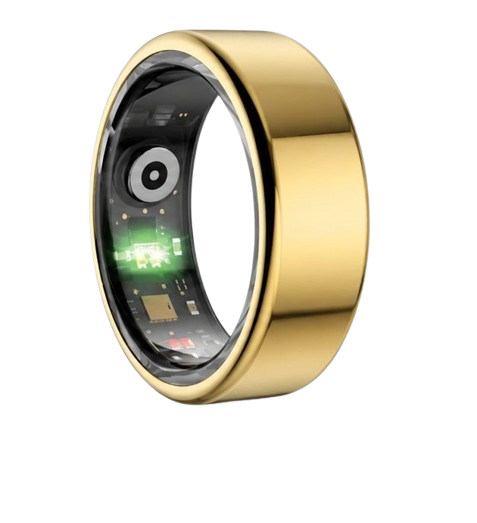
If you want to track this in real-time, the Herz P1 Smart Ring monitors sleep, heart rate, and HRV trends 24/7 — explore it here.
90-Day 100% Money-Back Guarantee
“The Herz Smart Ring helps me manage stress easily. It’s accurate, stylish, and lightweight—perfect for my busy life!”
— Jennifer P. | ✔ Verified Customer
- ✓ 6-Day Battery Life
- ✓ Detailed Sleep Analysis
- ✓ Fast 1-Hour Charging
- ✓ iOS & Android Ready
Questions? Call: 1-866-479-1629
The Sleep-Glucose Connection: How Overnight Spikes Disrupt Deep Sleep

Fluctuating blood sugar levels during the night can interfere with your body’s ability to transition into deep sleep.
When you consume high-glycemic meals close to bedtime, your blood glucose levels rise rapidly.
In response, your pancreas releases a surge of insulin to clear the excess sugar from your bloodstream.
This rapid insulin release can cause a sudden drop in blood sugar, known as reactive hypoglycemia.
To protect your brain, your body responds by releasing stress hormones like adrenaline and cortisol.
These hormones stimulate your liver to release stored glucose, but they also increase your heart rate and wake you up.
This survival response can trigger sudden awakenings and cause overnight-glucose-spikes.
These disruptions can leave you feeling tired and unrefreshed, even if you do not remember waking up.
Our team notes that clinical research links poor sleep quality to reduced insulin sensitivity the following day.
This cycle of poor sleep and blood sugar instability can become a difficult pattern to break without clear data.
Using glucose smart rings and biometric sensors helps you identify these overnight patterns.
A smart ring allows you to monitor changes in your resting heart rate and movement throughout the night.
A stable nighttime glucose curve supports deeper, more restorative sleep stages.
This stability helps your body spend more time in restorative slow-wave sleep and REM phases.
Sufficient deep sleep is essential for physical recovery, cellular repair, and hormone balance.
Improving your sleep quality can help support healthier daytime insulin responses.
By stabilizing your glucose levels, you can help support your body’s natural nightly recovery processes.
Brown Rice for Sleep: Tryptophan, Magnesium, and the Sleep Cycle
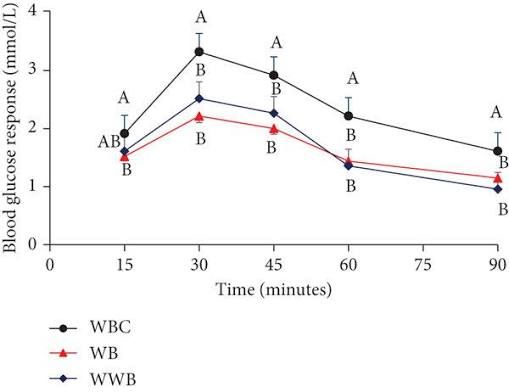
Brown rice contains key nutrients that help support healthy, natural sleep patterns.
It is a natural source of tryptophan, an essential amino acid that serves as a building block for serotonin.
Your brain converts serotonin into melatonin, the hormone responsible for regulating your sleep-wake cycles.
The complex carbohydrates in brown rice help transport tryptophan across the blood-brain barrier.
This process occurs because insulin release helps clear competing amino acids from your bloodstream.
This allows tryptophan to enter your brain more efficiently, supporting natural melatonin production.
In addition to tryptophan, brown rice is rich in magnesium, a mineral that helps promote physical relaxation.
Magnesium binds to gamma-aminobutyric acid (GABA) receptors in your nervous system.
GABA is a calming neurotransmitter that helps quiet nerve activity and prepare your body for rest.
A magnesium deficiency can lead to increased muscle tension and difficulty falling asleep.
By providing these essential nutrients, brown rice can be a helpful addition to a balanced dinner.
However, it is important to balance your grain intake with healthy proteins and fats.
Adding a source of lean protein, like chicken or tofu, helps slow digestion further.
Healthy fats, such as avocado or olive oil, also contribute to a more gradual absorption rate.
This balanced approach helps prevent rapid blood sugar spikes while supporting restful sleep.
Monitoring these nutritional choices helps you understand their direct impact on your nightly recovery.
The Diabetics’ Sleep and Diet Optimization Blueprint
Stabilizing your blood sugar and improving sleep quality requires a practical, structured approach.
We have developed this step-by-step guide to help you optimize your daily nutrition and sleep routines.
Step 1: Precise Portioning and Dinner Timing
Keep your dinner portion of cooked brown rice to one-half cup to manage your carbohydrate intake.
Aim to eat your evening meal at least three hours before you plan to go to sleep.
This window gives your body time to process the carbohydrates before your metabolic rate slows down during rest.
Avoid eating simple sugars or high-glycemic snacks close to bedtime to prevent nighttime blood sugar fluctuations.
Step 2: Combine Grains with Fibers and Proteins
Always pair brown rice with non-starchy vegetables, such as broccoli, spinach, or kale.
Add a clean source of protein, like wild-caught fish, turkey, or organic tempeh, to your plate.
The combination of fiber, protein, and complex carbohydrates helps slow down glucose absorption.
This balanced combination provides steady cellular energy without causing sharp blood sugar spikes.
Step 3: Monitor Nighttime Biometrics on the Herz P1 App
Wear your Herz P1 Smart Ring consistently to track your body’s nightly recovery trends.
Open the companion app each morning to review your overnight sleep stages and HRV metrics.
Pay close attention to any sudden increases in movement or elevated heart rate during the night.
These biometric indicators can point to potential nighttime blood sugar drops or metabolic stress.
Step 4: Adjust Meals Based on Your Personal Data
If you notice sleep disruptions or low HRV scores after eating late-night grains, try reducing your portion size.
Consider swapping your evening grain for a lower-carbohydrate option, like cauliflower rice or leafy greens.
Move your larger carbohydrate meals to breakfast or lunch to align with higher daytime activity levels.
Use your personalized daily data to build a nutrition plan that supports both your energy and sleep.
Navigating Metabolic Pitfalls: Common Smartwatch and Dietary Mistakes
Many individuals unknowingly make simple mistakes that can hinder their metabolic and sleep progress.
One common error is wearing large, bulky smartwatches to bed to track sleep patterns.
These heavy devices can feel uncomfortable, pinch your skin, and cause micro-awakenings throughout the night.
These subtle disruptions can compromise the accuracy of your sleep data and affect your recovery.
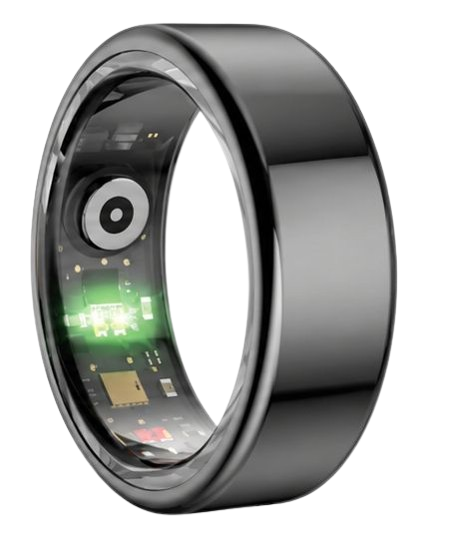
The Herz P1 Smart Ring offers a lightweight, comfortable alternative made from military-grade steel.
Its slim, ergonomic design allows you to track your sleep naturally without distraction.
Another common issue is the ongoing cost of subscription fees charged by many wearable brands.
Some companies lock your personal biometric data behind monthly paywalls, adding unexpected long-term costs.
The Herz P1 App is completely free for life, ensuring you always have full access to your health metrics.
On the dietary side, many people assume that “healthy” grains can be eaten in unlimited amounts.
While brown rice is nutrient-dense, consuming excessive portions can still cause blood sugar spikes.
Understanding portion control is essential for maintaining steady energy levels throughout the day and night.
By combining careful portioning with consistent biometric tracking, you can make more informed decisions.
Frequently Asked Questions
Is the Herz P1 Smart Ring waterproof?
Yes, the Herz P1 has a certified IP68 waterproof rating and is safe for continuous water exposure.
You can wear it while washing your hands, showering, swimming, or bathing without worry.
It is designed to withstand depths up to 164 feet, making it a reliable companion for aquatic activities.
The durable outer shell protects the advanced internal sensors from moisture damage over time.
How long does the Herz P1 battery last on a single charge?
The battery provides up to 6 days of continuous tracking under normal daily use.
When it is time to recharge, the ring reaches a full charge in less than 1 hour.
This long battery life means you spend more time tracking your health and less time charging.
The efficient power management system ensures consistent monitoring of your vital signs.
Which finger is the best option for wearing the Herz P1?
We recommend wearing the ring on your index, middle, or ring finger for the most accurate readings.
Choose the finger that offers a secure yet comfortable fit without rotating too easily.
The finger base contains rich capillary networks that allow the optical sensors to read clearly.
Make sure the inner sensor bumps sit against the palm side of your finger for optimal contact.
Does the smart ring store my data when it is offline?
Yes, the Herz P1 has built-in local memory that can store up to 7 days of biometric data offline.
Your data will sync automatically with the companion app once your phone reconnects via Bluetooth.
This offline storage ensures you never lose valuable insights, even when traveling or away from your phone.
You can sleep, exercise, and go about your day knowing your metrics are securely recorded.
Does brown rice raise blood sugar quickly?
No, brown rice does not cause the rapid blood sugar spikes associated with refined white rice.
Its natural fiber content slows down the digestion of starch, resulting in a gradual release of glucose.
However, portion sizes still play an important role in your body’s overall glycemic response.
Monitoring your meals helps you find the right portion size for your metabolic needs.
Conclusion: Your Journey to Stable Health
In summary, brown rice serves as a valuable whole grain that supports balanced nutrition and healthy sleep patterns.
Ready to monitor your health every day?
Explore the Herz P1 Smart Ring and see if it fits your lifestyle.
Call: 1-866-479-1629 — our team can help you advise on the correct ring size and set personalized health goals.
Note: Individual results may vary depending on individual health conditions, age, and lifestyle habits. This article is intended for general health reference purposes only.
