

Many people use cannabis as a nightly sleep aid, but they often wonder: does weed prevent rem sleep? If you find yourself waking up groggy despite sleeping for eight hours, you are likely experiencing the hidden physiological trade-offs of nightly cannabinoid use. Our team at Herz P1 is here to help you decode your sleep metrics, understand how active compounds alter your sleep architecture, and discover how tracking your biometrics can restore your natural recovery cycles.
Built to Last. Save Up to 69% Today.
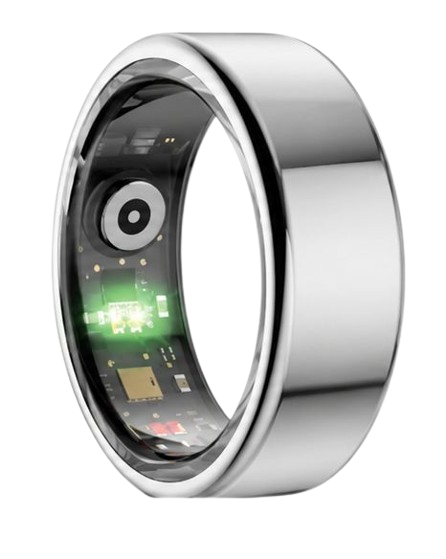
The Herz P1 Smart Ring tracks HRV, Sleep, Heart Rate & SpO2 around the clock. No subscriptions. No renewals. Ever.
In This Article
- The Science of REM Suppression: How THC directly impacts your sleep cycles and why it alters cognitive recovery.
- Analyzing Cannabis and Sleep Stages: Why faster sleep latency does not translate to high-quality physiological restoration.
- How Smart Rings Reveal the Truth: Leveraging biometric optical sensors and HRV tracking to monitor your actual sleep architecture.
- Natural Sleep Optimization: Practical strategies to recover your REM cycles and manage tapering safely.
Does Weed Prevent REM Sleep? What the Scientific Data Reveals
The short answer is yes: peer-reviewed clinical research confirms that active compounds in cannabis suppress your REM sleep cycles.
REM stands for Rapid Eye Movement sleep, which represents the vital stage where vivid dreaming, cognitive processing, and emotional regulation occur.
When you consume tetrahydrocannabinol, commonly known as THC, before going to bed, it acts directly on your brain’s delicate sleep centers.
This biochemical interaction dramatically shifts your normal overnight sleep architecture, altering the balance between deep sleep vs light sleep stages.
The National Sleep Foundation has documented that users who consume cannabis experience a profound weed rem sleep reduction over time.
This specific suppression occurs because the exogenous cannabinoids in marijuana bind directly to CB1 receptors within your central nervous system.
This binding process dampens the firing rate of acetylcholine-releasing neurons in the brainstem, which are responsible for triggering REM sleep.
This neurochemical dampening affects both recreational and medicinal users, meaning no one is completely immune to this physiological alteration.
Whether you consume cannabis via inhalation, vaporization, or oral edibles, the active compounds will inevitably reach your cerebral blood flow.
The impact of this disruption is most severe during the final third of your night, which is when REM sleep naturally dominates your cycles.
A healthy adult should ideally spend between 20% and 25% of their total overnight sleep duration in the REM stage.
Under the physiological influence of THC, this vital percentage can drop by up to 30% or even 50% depending on your specific dosage.
This drastic reduction explains why regular cannabis consumers rarely remember their dreams, as dreaming requires active REM cycles.
Understanding these neurochemical shifts is critical because chronic deprivation of REM sleep impairs long-term memory and emotional resilience.
The endocannabinoid system plays a massive role in regulating your body’s circadian rhythm and sleep-wake cycles.
When exogenous THC floods your receptors, it disrupts the balance of your natural endocannabinoids like anandamide.
This chemical imbalance prevents your brain waves from transitioning smoothly into the high-frequency patterns of REM sleep.
As a result, your brain spends far too much time in light sleep and deep sleep states instead.
Over time, this chronic suppression can lead to cognitive deficits, including memory issues and emotional instability.
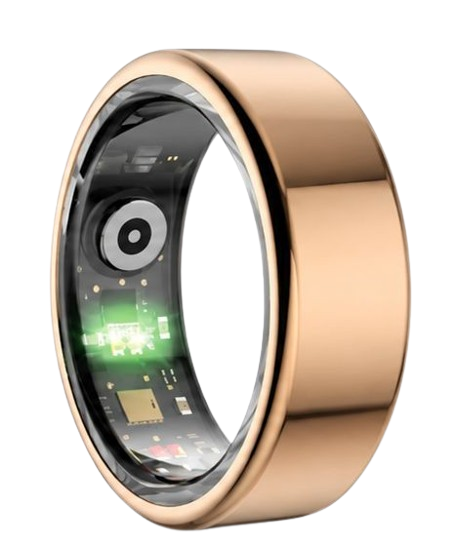
If you want to track these complex shifts in real time, the Herz P1 Smart Ring monitors your sleep stages 24/7 — explore it here.
90-Day 100% Money-Back Guarantee
“The Herz Smart Ring helps me manage stress easily. It’s accurate, stylish, and lightweight—perfect for my busy life!”
— Jennifer P. | ✔ Verified Customer
- ✓ 6-Day Battery Life
- ✓ Detailed Sleep Analysis
- ✓ Fast 1-Hour Charging
- ✓ iOS & Android Ready
Questions? Call: 1-866-479-1629
Cannabis and Sleep Stages: Deciphering the Sleep Architecture Shift
To fully understand how weed alters your night, you must examine the intricate relationship between cannabis and sleep stages.
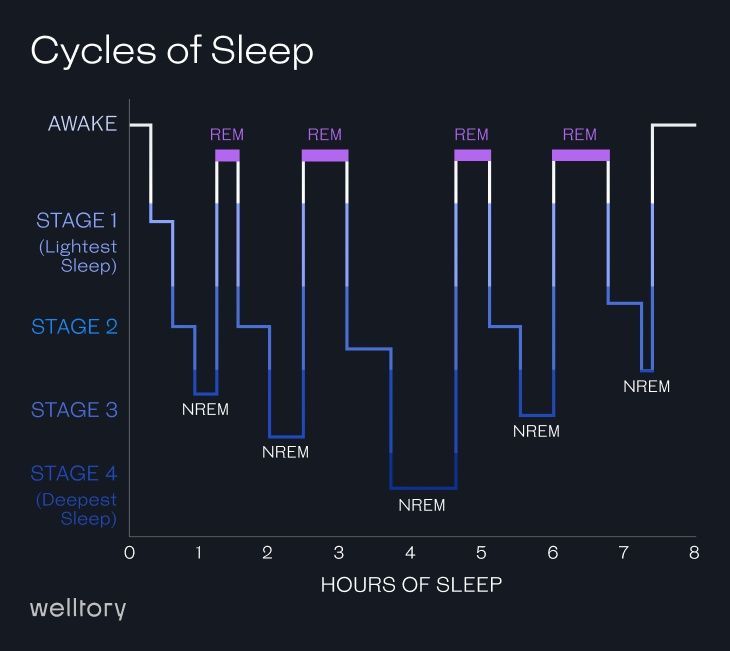
A normal night of sleep is not a uniform state of unconsciousness but a highly structured sequence of repeating cycles.
These cycles transition fluidly from light NREM sleep to deep slow-wave sleep, and finally to active REM sleep.
Many individuals turn to cannabis because of its profound impact on marijuana sleep latency, which refers to the exact time it takes to fall asleep.
By relaxing the central nervous system, cannabinoids can induce rapid drowsiness, helping you fall asleep much faster than normal.
However, this accelerated onset of sleep creates a misleading perception of high-quality rest.
Once you fall asleep, the presence of THC in your system completely disrupts your brain’s natural timing mechanisms.
Research indicates that while THC reduces REM sleep, it actually increases your time spent in slow-wave deep sleep during the initial cycles.
While deep sleep is essential for physical recovery and muscle repair, an unnatural excess of it throws off your overall sleep balance.
This compensation forces your brain to compress and shorten its subsequent REM sleep periods to maintain the overall sleep duration.
Consequently, you wake up feeling physically rested but cognitively sluggish, a state often referred to as a “cannabis hangover.”
So, does cannabis prevent rem sleep in a way that permanently alters your brain health?
The answer is that chronic usage leads to a state of persistent cognitive debt, as your brain misses out on essential neural maintenance.
During healthy REM cycles, your brain clears out metabolic waste and reorganizes neural connections to store memories.
By chronically suppressing this stage, you limit your brain’s ability to process complex emotions and consolidate daily learning.
To avoid these silent cognitive trade-offs, you must begin monitoring your actual sleep metrics with an objective tracking tool.
In a healthy sleep cycle, your body goes through several distinct phases of non-rapid eye movement sleep before entering REM sleep.
The first stage is extremely light transition sleep where your heart rate begins to slow down.
The second stage involves deeper relaxation where your brain waves slow and your body temperature drops.
The third stage is slow-wave sleep, which provides physical restoration and tissue healing.
By unnaturally extending slow-wave sleep, THC short-circuits the chemical triggers needed to enter the REM stage.
This artificial alteration prevents your brain from completing the logical sequencing of your sleep architecture.
Many users do not realize they are suffering from REM deprivation because their total sleep duration remains unchanged.
They assume that eight hours of sleep automatically equates to a fully restored mind and body.
Only by looking at objective biometric data can you expose the hidden imbalances caused by nightly cannabinoid use.
How Smart Rings Track Your Sleep Stages and Detect Disruption

Traditional sleep studies require you to spend the night in a clinical lab covered in complex wired sensors.
Fortunately, modern consumer electronics allow you to capture high-quality biometric data right from your own home.
The finger base is an ideal location for biometric sensors because it contains thick, highly accessible digital arteries.
Our advanced wearable smart rings utilize multi-wavelength photoplethysmography, or PPG, to monitor your blood flow patterns.
By shining green, red, and infrared light through your skin, the ring measures how your blood vessels expand and contract.
These optical sensors capture your heart rate, blood oxygen saturation levels, and heart rate variability with clinical-grade accuracy.
Your heart rate variability, or HRV, is a direct reflection of your autonomic nervous system’s active state.
A high HRV indicates that your parasympathetic nervous system is active, which dominates during deep, restorative sleep stages.
Conversely, a lower and more rigid HRV signal indicates sympathetic activation, which is characteristic of both stress and active REM sleep.
By analyzing these rapid micro-fluctuations in your pulse rate, the ring’s algorithms can accurately map your nightly cycles.
Learning how to read sleep graphs empowers you to identify exactly when your REM sleep is being cut short.
If you are searching for the best smart ring for sleep tracking, you must select a device that prioritizes sensor accuracy.
The Herz P1 Smart Ring delivers an outstanding 82% agreement rate with clinical polysomnography sleep studies.
This high level of precision allows you to clearly see the disruptive effects of alcohol, late meals, or cannabinoid consumption.
On mornings after using cannabis, your sleep graphs will show a distinct flatlining of your normal REM cycles.
By comparing these reports over time, you can easily determine which habits are actively sabotaging your cognitive recovery.
Selecting one of the best sleep tracker rings on the market gives you the objective proof you need to optimize your lifestyle.
You no longer have to rely on subjective feelings of morning grogginess to evaluate your sleep quality.
Instead, you can look at raw, indisputable biometric data to guide your daily wellness decisions.
Our multispectral sensors sample your pulse transit time and heart rate up to hundreds of times per second.
This rapid sampling rate ensures that even minor irregularities in your heart rate are recorded accurately.
During deep sleep, your heart rate remains highly regular, showing minimal variability from beat to beat.
During REM sleep, your heart rate and breathing become highly irregular, mirroring the activity of a waking state.
Our smart ring detects these physiological variations to pinpoint the exact moment your REM sleep begins and ends.
Practical Application Guide: Restoring Your Natural Sleep Architecture
Reclaiming your natural sleep cycles requires a systematic approach to behavioral modification and daily sleep hygiene.
If you decide to reduce or eliminate your cannabis use, you must prepare for the physiological phenomenon known as REM rebound.
After being chronically suppressed by THC, your brain will desperately try to make up for its lost REM sleep cycles.
During the first few weeks of tapering off cannabis, you will likely experience incredibly vivid, intense, and frequent dreams.
This sudden surge in brain activity can temporarily cause lighter sleep and frequent midnight awakenings.
You may notice a temporary increase in your average awake time during sleep as your nervous system recalibrates.
The Herz P1 Smart Ring app will help you monitor this critical transition phase by tracking your restlessness and sleep efficiency scores.
To ease this transition, you should integrate non-pharmacological sleep aids to naturally support your nervous system.
We highly recommend trying mouth taping for sleep to promote continuous nasal breathing throughout the night.
Nasal breathing stimulates the vagus nerve, lowering your resting heart rate and facilitating a smoother entry into deep sleep.
You can track the positive impact of this practice by checking your oxygen saturation levels on your morning biometric dashboard.
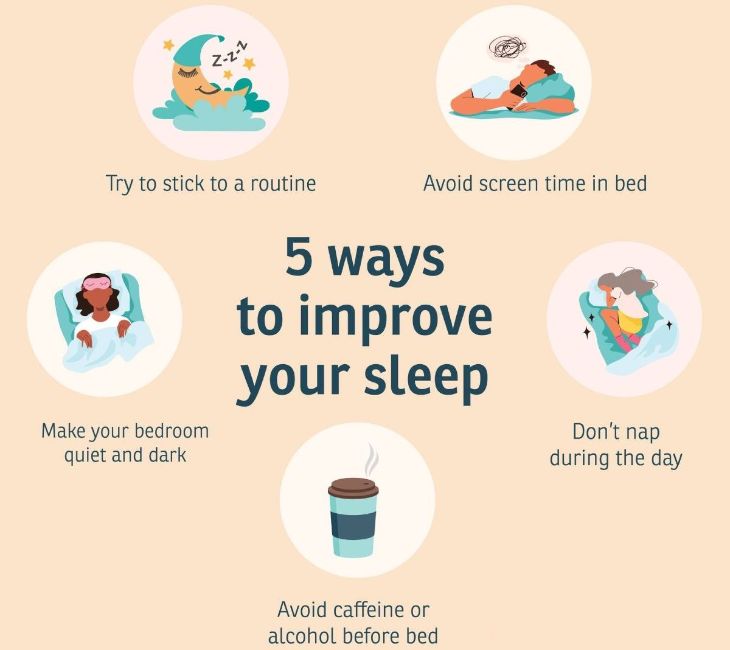
Additionally, you must maintain a consistent sleep schedule by going to bed and waking up at the exact same time every single day.
Expose your eyes to bright, natural sunlight within thirty minutes of waking up to set your internal circadian clock.
Avoid any high-intensity blue light from digital screens for at least one hour before your scheduled bedtime.
Keep your sleeping environment dark, quiet, and cooled to an optimal temperature of around 65 degrees Fahrenheit.
By reviewing your sleep graphs weekly, you will watch your REM sleep percentages return to their healthy baseline levels.
Most individuals experience a complete restoration of their natural sleep architecture within two to four weeks of cessation.
Overcoming Risks: Avoiding Bulky Devices and Recurring Subscription Fees
Many health-conscious individuals fail to track their sleep because they cannot tolerate wearing a heavy smartwatch to bed.
Bulky watches often pinch the skin, catch on bedsheets, and cause physical discomfort when you shift positions.
This persistent discomfort frequently leads to micro-arousals, which actively ruins the sleep quality you are trying to measure.
A lightweight smart ring resolves this issue by resting completely unnoticed on your finger throughout the night.
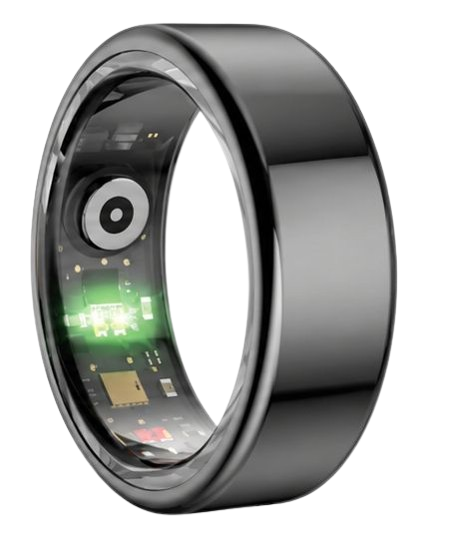
The Herz P1 is meticulously crafted from military-grade steel, making it both incredibly durable and exceptionally light.
Beyond comfort, another significant risk in the wearable tech industry is the rise of subscription fatigue.
Many popular smart ring brands require you to pay an expensive monthly subscription fee just to access your own biometric data.
We firmly believe that once you purchase a tracking device, you should own your health metrics forever without any barriers.
The Herz P1 Companion App is entirely free for life, containing absolutely zero paywalls, ongoing fees, or hidden charges.
This subscription-free model allows you to monitor your sleep stages and stress levels without any recurring financial burdens.
By selecting a high-performance, subscription-free ring, you invest in a sustainable, long-term health companion.
Frequently Asked Questions (FAQ)
Is the Herz P1 Smart Ring waterproof?
Yes, the Herz P1 Smart Ring features a certified IP68 waterproof rating for maximum environmental protection.
This military-grade rating ensures the ring is fully protected against dust and continuous submersion in water up to 164 feet.
You can wear it with complete peace of mind while swimming, showering, washing dishes, or sitting in a sauna.
How long does the battery last?
The Herz P1 delivers up to 6 days of continuous biometric tracking on a single battery charge.
It utilizes an ultra-efficient magnetic charging cradle that takes less than one hour to fully recharge the device.
This long-lasting battery life means you do not have to worry about daily charging schedules interrupting your sleep tracking.
Which finger is best to wear the smart ring on?
We recommend wearing the Herz P1 on your index, middle, or ring finger for the most accurate readings.
Your non-dominant hand is usually preferred to reduce daily wear and tear and minimize motion artifacts.
Ensure the ring fits snugly so the internal sensor bumps remain in constant contact with your skin’s surface.
Does the Herz P1 store my health data offline?
Yes, the smart ring features 7 days of secure onboard memory to store your biometric data locally.
You do not need to keep your smartphone nearby or leave your Bluetooth connection active overnight.
The ring will automatically sync all stored sleep stages and HRV metrics the next time you open the app.
Conclusion: Reclaim Your Cognitive Energy Today
Understanding how cannabis impacts your sleep is key to true physical recovery.
The subscription-free Herz P1 Smart Ring provides the military-grade tool to track your REM cycles.
Ready to monitor your health every day? Explore the Herz P1 and see if it fits your lifestyle.
Call: 1-866-479-1629 — our team can help advise on the correct size.
