

Built to Last. Save Up to 69% Today.
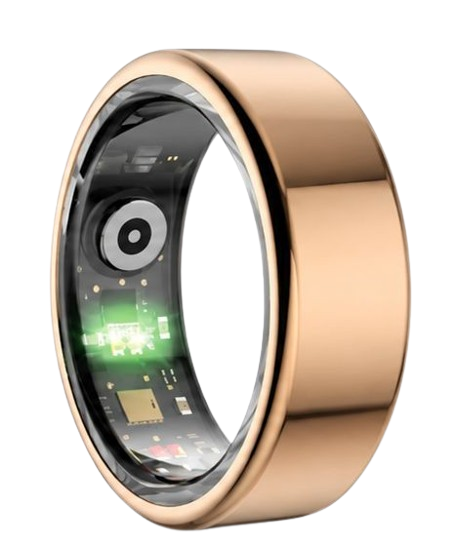
The Herz P1 Smart Ring tracks HRV, Sleep, Heart Rate & SpO2 around the clock. No subscriptions. No renewals. Ever.
In This Article
- The Science of Morning Grogginess: Discover the biological mechanisms of sleep inertia and why simple clock hours do not guarantee high morning energy.
- Biometric Indicators Explained: Learn how key biomarkers like Heart Rate Variability (HRV) and SpO2 explain your nighttime sleep disruptions.
- Hormonal Disruption & Stress: Understand the physiological effects of nighttime cortisol imbalances and muscle tension.
- Actionable Morning Recovery Plan: Access a science-backed routine designed to shake off sleep inertia quickly using biometric data.
Why Do I Wake Up Tired? Here Is What the Clinical Research Says
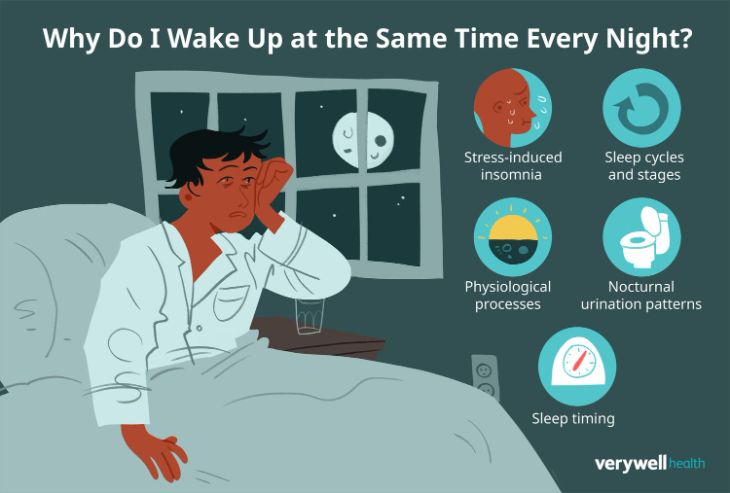
To understand why you are constantly waking up groggy, you must first define the biological process of transitioning from sleep to active wakefulness.
Feeling exhausted upon waking is officially known as sleep inertia, a physiological state characterized by cognitive impairment, slower reflexes, and a heavy desire to go back to sleep.
According to the National Sleep Foundation, this transitional phase typically lasts anywhere from fifteen minutes to over an hour for healthy individuals.
However, when your recovery cycles are deeply fragmented, this morning exhaustion can stretch across several hours, severely limiting your workday productivity.
This persistent issue affects busy professionals, high-performing athletes, and highly active parents who need peak physical and cognitive energy to thrive.
The biological breakdown occurs primarily within your brain’s master internal clock, which regulates hormone production and cellular regeneration.
If your alarm goes off during a deep sleep stage, your prefrontal cortex is forced to function before its metabolic systems are fully activated.
A major physiological culprit behind this morning disruption is a sudden, premature 3am cortisol spike caused by built-up daily stress.
This hormonal surge disrupts your natural circadian sleep wake cycle, causing light, highly fragmented rest instead of deep recovery.
To quantify this issue, research shows that a sleep efficiency score below eighty-five percent almost always leaves you feeling tired in the morning.
Furthermore, clinical studies indicate that even brief, unconscious awakenings can drastically reduce the restorative value of your sleep.
Fortunately, you do not have to guess what is happening to your body overnight anymore.
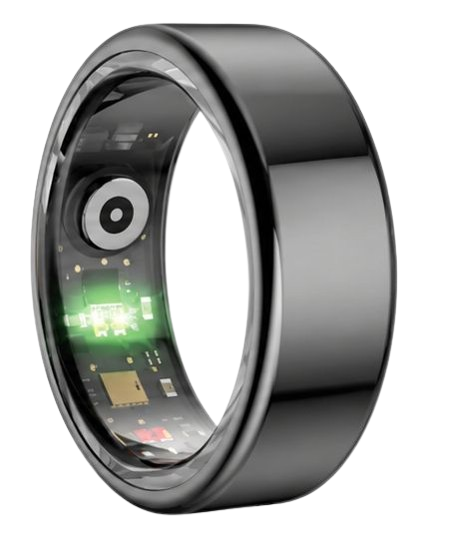
If you want to track this in real time, the Herz P1 Smart Ring monitors your body temperature, sleep stages, and heart rate fluctuations 24/7 — explore it here.
90-Day 100% Money-Back Guarantee
“The Herz Smart Ring helps me manage stress easily. It’s accurate, stylish, and lightweight—perfect for my busy life!”
— Jennifer P. | ✔ Verified Customer
- ✓ 6-Day Battery Life
- ✓ Detailed Sleep Analysis
- ✓ Fast 1-Hour Charging
- ✓ iOS & Android Ready
Questions? Call: 1-866-479-1629
Decoding Your Sleep Architecture: Why Your Deep and REM Sleep Cycles Fail You
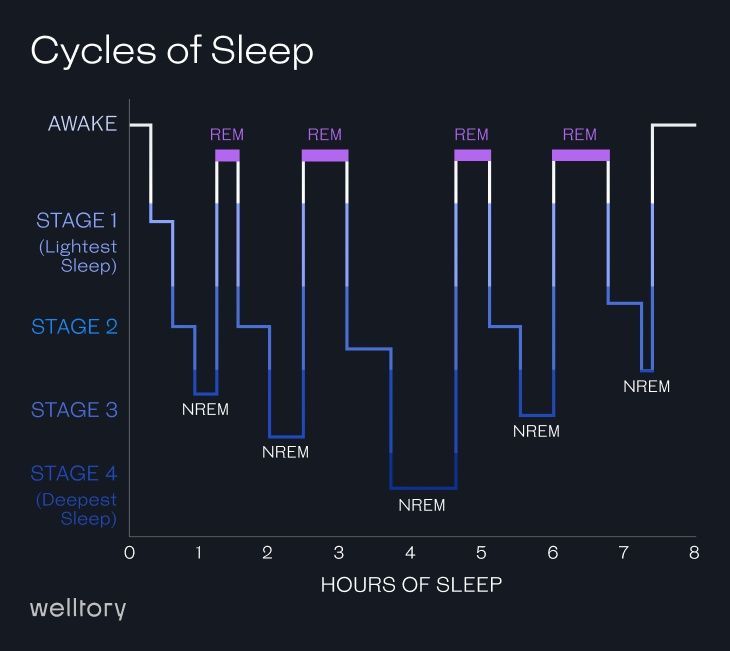
To wake up feeling energized, your brain must complete several full, uninterrupted sleep cycles, each lasting about ninety minutes.
During a healthy night, your body transitions smoothly between light sleep, deep slow-wave sleep, and rapid eye movement (REM) sleep.
Deep sleep is responsible for physiological repair, physical muscle recovery, and growth hormone release.
Meanwhile, REM sleep plays a crucial role in consolidating memories, clearing emotional stress, and maintaining daily cognitive sharpness.
If you regularly ask yourself, “why do i wake up at 3am” you are likely experiencing micro-arousals that kick you out of these deep phases.
Even if you do not remember waking up, the average awake time during sleep can exceed forty-five minutes across a single night.
This silent sleep fragmentation leaves you with plenty of light sleep but deprives your brain of the deep and REM cycles it desperately needs.
This is precisely why you might sleep for eight full hours but still wake up feeling physically drained and mentally foggy.
The Herz P1 Smart Ring solves this mystery by utilizing multi-wavelength photoplethysmography (PPG) sensors to measure your autonomic nervous system.
By tracking Heart Rate Variability (HRV) every five minutes, the Herz P1 maps out your exact sleep phases with outstanding precision.
A higher HRV during sleep indicates that your parasympathetic nervous system is active, allowing your body to rest and repair.
Conversely, a low overnight HRV score warns that your body remained in a high-stress, sympathetic state all night long.
Knowing this data allows you to make informed lifestyle shifts that protect your deep sleep and banish morning fatigue.
The Physiological Impact of Nighttime Stress and Muscle Tension
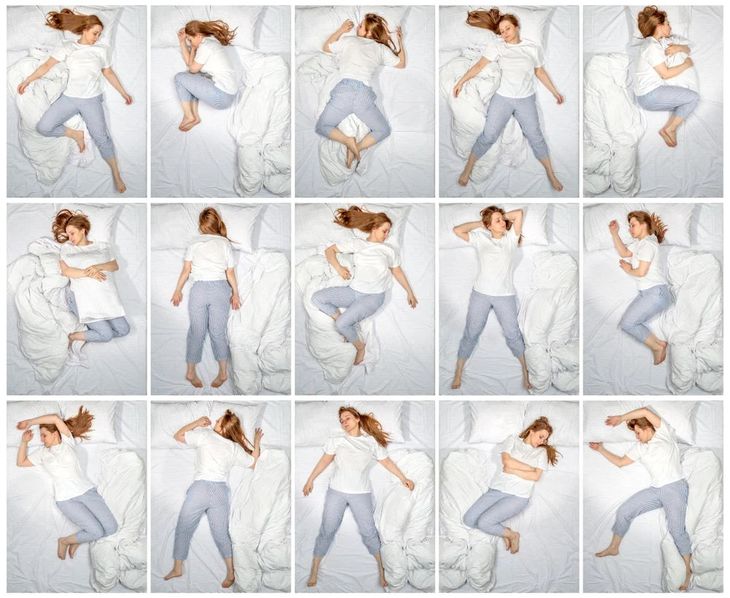
Physical stress and unresolved mental anxiety do not disappear when you close your eyes at night.
When you carry high stress levels into bed, your nervous system remains in a heightened state of survival, causing muscle tension and elevated heart rates.
This physiological strain makes it incredibly difficult for your body to relax and drop into deep, restorative slow-wave sleep.
Many individuals have found that listening to a calming frequency for sleep before bed helps lower heart rate and calm overactive brain waves.
Furthermore, poor blood oxygen saturation (SpO2) levels during the night can repeatedly shock your brain out of deep sleep.
If your SpO2 drops below ninety-five percent, your brain initiates a mild stress response to clear your airways and restore healthy breathing.
This defense mechanism protects you but completely destroys your sleep continuity, leading to severe morning grogginess.
The military-grade sensors inside the Herz P1 Smart Ring monitor your blood oxygen levels all night to identify these silent breathing disruptions.
By reviewing your SpO2 and HRV stress metrics on the free companion app, you can identify the exact nights your body struggled to recover.
With this information, you can adjust your sleeping positions, room ventilation, or evening wind-down routine to maximize sleep quality.
How to Wake Up When Tired: A Science-Backed Action Plan
If you wake up feeling exhausted, your immediate goal should be to clear sleep inertia and kickstart your body’s natural energy production.
The first step is to get immediate exposure to bright morning light, which signals your brain to stop producing melatonin and start releasing cortisol.
Drinking a large glass of mineral-rich water right away is also vital, as mild dehydration significantly worsens cognitive fatigue and brain fog.
If you need a rapid cognitive reset, practicing a ten-minute non-sleep deep rest (nsdr) session can restore focus and calm your nervous system.
To help you structure your sleep recovery, use the table below to compare optimal biomarkers with the common triggers of morning grogginess:
| Biometric Metric | Optimal Recovery Target | Grogginess Warning Threshold |
|---|---|---|
| Deep Sleep Percentage | 15% to 23% of total sleep time | Below 10% of total sleep time |
| Sleep Efficiency Score | 85% to 95% | Below 80% (indicates high fragmentation) |
| Blood Oxygen (SpO2) | 95% to 99% overnight average | Below 94% (indicates breathing disruption) |
| Heart Rate Variability (HRV) | High relative to your baseline | Low (indicates high sympathetic stress) |
By reviewing these exact metrics on your Herz P1 App every morning, you can pinpoint the physiological reason behind your exhaustion.
If your app shows high sleep fragmentation, you can focus on optimizing your sleeping environment and reducing late-night blue light exposure.
If your HRV is low, you will know that your body requires active recovery, lighter physical training, and deeper stress-management practices.
Tracking these biological trends allows you to stop guessing and start making intentional, data-driven decisions to optimize your daily health.
The Hidden Pitfalls of Wearable Sleep Trackers
Many health-conscious individuals try to solve their sleep problems by wearing bulky, heavy smartwatches to bed every night.
However, wearing a large, heavy watch to sleep often creates physical discomfort and contributes to nighttime awakenings.
A bulky device can press against your wrist, restrict blood circulation, and cause skin irritation during warm summer nights.
This physical distraction ruins the very sleep quality you are trying to track, creating a frustrating cycle of exhaustion.
Furthermore, many popular sleep tracking brands force users into expensive monthly app subscriptions just to view their own raw health data.
This means you pay hundreds of dollars for a device, only to face ongoing paywalls to access your sleep stages and HRV metrics.
The Herz P1 Smart Ring solves all of these problems by providing an incredibly sleek, ultra-lightweight alternative that weighs only 3.5 grams.
Crafted from military-grade steel, it fits comfortably on your finger, allowing you to sleep naturally without any physical restrictions.
Best of all, the Herz P1 App is completely free for life, offering full health analytics, trends, and sleep scores with zero monthly fees.
Frequently Asked Questions About Sleep Inertia and Morning Energy
Yes, the Herz P1 Smart Ring features a robust IP68 waterproof rating, allowing it to withstand continuous water exposure up to 164 feet deep.
This means you can confidently wear your ring while swimming laps, taking hot showers, washing dishes, or relaxing in a steam room.
The durable military-grade steel exterior protects the internal optical sensors, ensuring uninterrupted health tracking in every environment.
The Herz P1 delivers an impressive 6-day battery life on a single charge under standard 24/7 biometric tracking conditions.
When the battery eventually runs low, you can charge it fully in under 1 hour using the included fast-charging magnetic dock.
This rapid charging capability means you will rarely miss a night of detailed sleep and recovery tracking.
The index finger is the most recommended option because it offers the highest blood flow and thinnest skin for accurate optical readings.
However, the middle and ring fingers on either hand also work wonderfully if you find them more comfortable for sleeping.
We provide a free sizing kit with every order so you can test different fingers and find the perfect, snug fit.
Yes, the ring features up to 7 days of secure local storage, keeping your health data safe even when disconnected from your phone.
Once you open the companion app and turn on your phone’s Bluetooth, the ring will automatically sync all historical data in seconds.
This ensures you never lose valuable sleep or recovery trends, even during long weekend camping trips or international flights.
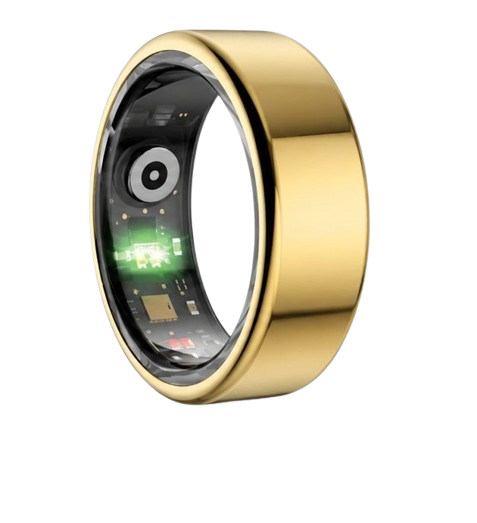
Ready to monitor your health every day? Explore the Herz P1 Smart Ring and see if it fits your lifestyle. Call: 1-866-479-1629 — our team can help you advise on the correct ring size and set personalized health goals.
