

Maintaining optimal blood oxygen levels is essential for daily energy, cognitive clarity, and deep recovery, yet many people struggle to understand how to increase the oxygen in your blood through everyday habits. This comprehensive guide reveals how to achieve healthy SpO2 metrics using evidence-based lifestyle changes and how the Herz P1 smart ring monitors your progress around the clock without subscription fees.
Built to Last. Save Up to 69% Today.
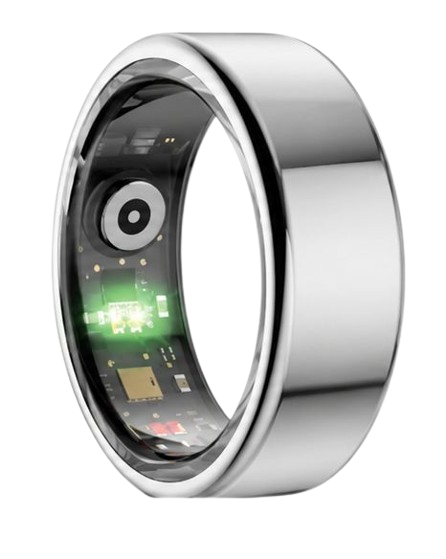
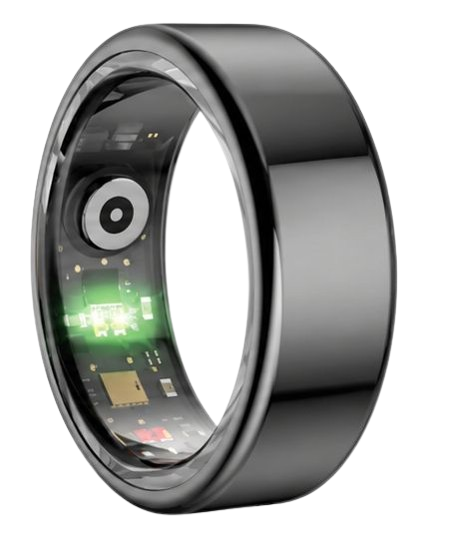
The Herz P1 Smart Ring tracks HRV, Sleep, Heart Rate & SpO2 around the clock. No subscriptions. No renewals. Ever.
In This Article
- Discover natural breathing and lifestyle techniques to optimize your blood oxygen saturation levels.
- Learn how continuous biometric tracking reveals hidden physiological trends during your sleep cycle.
- Find out how structural changes and simple environmental adjustments keep your respiratory systems functioning smoothly.
- Explore why the right wearable technology improves your health journey without compounding monthly costs.
How to Raise Your Oxygen Saturation Levels Naturally: A Step-by-Step Guide
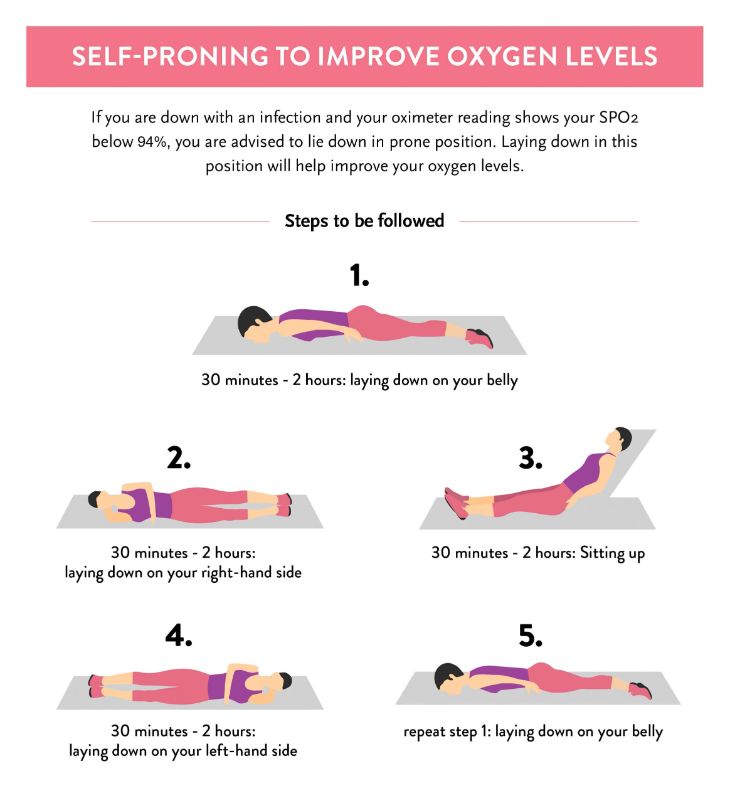
To safely execute a plan to improve your respiratory baseline, you must prepare your body and environment first.
You will need a clean-air environment, consistent hydration habits, and a reliable way to monitor daily physiological responses.
Having these elements ready ensures your body can absorb and utilize inhaled oxygen at peak performance.
Step 1: Practice Focused Diaphragmatic Breathing
Diaphragmatic breathing is the fastest natural method to expand your lung capacity and optimize alveolar ventilation.
This targeted practice forces your lungs to fill completely from the bottom up rather than relying on shallow chest breaths.
To begin, sit or lie down in a comfortable position with your spine straight and shoulders completely relaxed.
Place one hand gently on your chest and the other hand flat on your upper abdomen.
Inhale slowly and deeply through your nose for a count of four seconds, feeling your stomach push outward.
Hold this inhaled breath comfortably for a count of seven seconds, allowing the oxygen to distribute thoroughly.
Exhale fully through your mouth over a count of eight seconds while making a soft, audible whoosh sound.
Repeat this exact deep breathing cycle four times to help calm your nervous system and expand blood vessel pathways.
Practicing this technique twice daily systematically strengthens your respiratory muscles and raises your baseline levels.
Step 2: Engage in Regular Zone 2 Aerobic Conditioning
Regular physical exercise is a cornerstone for improving your cardiorespiratory transport system.
Aim to perform thirty minutes of moderate aerobic exercise at least four times per week.
Activities such as brisk walking, swimming, or stationary cycling are highly effective for this training.
Zone 2 aerobic exercise keeps your heart rate in a comfortable zone where your muscles process oxygen efficiently.
Over time, this moderate effort triggers cellular adaptations that increase mitochondrial density in your tissues.
With more mitochondria, your body extracts oxygen from your bloodstream with much less effort.
This physiological change reduces the continuous workload on your lungs during daily activities.
Be sure to start slowly and warm up for five minutes before raising your heart rate.
Always listen to your body and consult your personal healthcare provider before starting a new exercise regimen.
Step 3: Optimize Your Iron Intake and Daily Hydration
Your blood requires specific organic materials to transport oxygen molecules through your body.
Iron is the central building block of hemoglobin, which is the protein that binds directly to oxygen.
Include clean, iron-rich foods like organic spinach, lentils, pumpkin seeds, and lean meats in your daily diet.
Pairing these foods with vitamin C sources like citrus fruits significantly improves your digestive iron absorption.
You must also consume an adequate volume of water daily to maintain a healthy blood plasma level.
Dehydration causes your blood to thicken, which makes it harder for your heart to pump.
Thicker blood reduces the speed and efficiency of oxygen transport to your vital organs.
Aim to drink at least eight glasses of clean, filtered water each day.
Limit your consumption of dehydrating drinks like excessive coffee, soda, and alcohol.
Step 4: Improve Indoor Ventilation and Air Quality
The quality of the air in your immediate environment directly dictates how well your lungs can perform.
Stale indoor air often contains high concentrations of carbon dioxide and microscopic pollutants.
This low-quality air forces your lungs to work twice as hard to extract the same amount of oxygen.
Open your home and office windows daily for fifteen minutes to allow fresh outdoor air to circulate.
Use high-efficiency HEPA air purifiers in your bedroom to trap dust, pollen, and synthetic chemical residue.
Consider placing living houseplants like snake plants or peace lilies around your living space to naturally filter air.
Avoid using aerosol sprays, chemical air fresheners, and scented candles that release volatile organic compounds.
Keeping your surroundings clean and well-ventilated minimizes airway irritation and supports lung efficiency.
Step 5: Adjust Your Sleeping Position to Keep Airways Open
Your physical sleeping posture heavily influences your breathing patterns and nocturnal oxygen flow.
Sleeping flat on your back often causes gravity to pull your tongue and soft palate backward.
This collapse narrows your breathing passage and can cause sudden drops in your blood oxygen levels.
Train yourself to sleep on your side to keep your airways naturally open and unobstructed.
Use a supportive cervical pillow to keep your head, neck, and spine in a straight, neutral line.
Slightly elevating the head of your mattress by six inches can also reduce the risk of airway blockage.
These mechanical adjustments make it easy for oxygen to travel freely into your lungs all night long.
You will sleep more deeply and wake up feeling significantly more refreshed and energized.
Seamless Respiratory Tracking with Herz P1
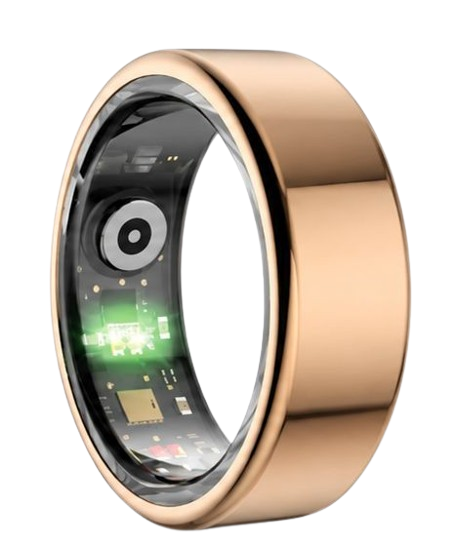
The Herz P1 smart ring is the ultimate tool to track how your body adapts to these natural lifestyle strategies.
Our subscription-free smart ring monitors your resting SpO2 levels automatically while you sleep.
The free companion application provides detailed overnight graphs of your respiratory trends.
You can easily see if your breathing exercises or side-sleeping habits are improving your baseline numbers.
Simply wear the comfortable, ultra-lightweight ring to bed and let the advanced sensors do the rest.
This steady biometric feedback allows you to refine your health routine with absolute confidence.
Visit the Herz P1 Smart Ring store today to begin your subscription-free tracking journey.
90-Day 100% Money-Back Guarantee
“The Herz Smart Ring helps me manage stress easily. It’s accurate, stylish, and lightweight—perfect for my busy life!”
— Jennifer P. | ✔ Verified Customer
- ✓ 6-Day Battery Life
- ✓ Detailed Sleep Analysis
- ✓ Fast 1-Hour Charging
- ✓ iOS & Android Ready
Questions? Call: 1-866-479-1629
The Physiology of Pulmonary Diffusion and Gas Exchange
To truly understand how to increase oxygen saturation, you must examine the internal mechanisms of pulmonary gas exchange.
Oxygen enters your body through millions of tiny air sacs in your lungs called alveoli.
These delicate structures are surrounded by a massive network of microscopic capillaries.
Oxygen molecules pass through this thin membrane to enter your blood stream, where they bind directly to hemoglobin.
According to research from the National Sleep Foundation, healthy adults should maintain a sleeping SpO2 level between ninety-five and one hundred percent.
If your breathing is shallow or restricted, the amount of oxygen reaching your capillaries drops quickly.
Aerobic training and physical movement stimulate vascular endothelial growth factors to build more blood vessels.
Having more capillaries means your body has more pathways to absorb inhaled oxygen efficiently.
Deep diaphragmatic breathing exercises also engage the underutilized lower lobes of your lungs.
This increased surface area significantly optimizes pulmonary gas exchange and elevates your oxygen saturation naturally.
How Nocturnal Breathing Disruptions Impact Your Sleep Architecture
Many individuals suffer from silent, unrecognized breathing disruptions while they are asleep.
When airway tissue relaxes too much, it partially blocks airflow and causes your blood oxygen levels to drop.
The brain detects this drop and triggers a brief arousal to force you to breathe.
These sudden micro-arousals are usually too short for you to remember in the morning.
However, they repeatedly pull you out of deep sleep and disrupt your natural sleep architecture.
A reliable sleep apnea monitor helps you see these underlying patterns clearly.
By identifying these trends, you can make informed adjustments to your habits and sleeping environment.
Using a comfortable smart ring for sleep apnea tracking allows you to gather data without wearing bulky headgear.
This non-intrusive approach keeps you informed of your respiratory health while protecting your sleep quality.
Continuous vs. Spot-Check Biometric Sensing Technologies
Traditional pulse oximeters only show your blood oxygen saturation at one single moment in time.
This single snapshot can easily miss significant oxygen drops that occur while you are asleep.
Continuous biometric sensing is the only way to build a reliable and complete picture of your respiratory health.
This method uses advanced photoplethysmography (PPG) technology to measure blood gas levels constantly.
The optical sensor sends specific wavelengths of light through your skin to detect blood flow changes.
Oxygen-rich hemoglobin absorbs infrared light differently than oxygen-depleted hemoglobin.
By measuring this absorption ratio hundreds of times per minute, the device calculates your exact SpO2 level.
This high-frequency tracking captures even brief nocturnal drop events with incredible accuracy.
The Herz P1 smart ring features dual-wavelength PPG sensors designed to fit snugly at the base of your finger.
This stable sensor placement ensures your health data remains highly accurate throughout the night.
Deciphering Overnight SpO2 Drops and Recovery Metrics
When your blood oxygen drops during the night, your heart has to work harder to deliver oxygen to your organs.
This increased workload raises your nocturnal heart rate and lowers your heart rate variability (HRV).
Low HRV scores show that your autonomic nervous system is under stress instead of resting and recovering.
Using an oxygen monitor ring helps you identify these clear physiological connections.
You can see exactly how a drop in oxygen levels directly impacts your overall morning recovery score.
The best-sleep-apnea-ring-monitor will automatically correlate sleep stages with your respiratory data.
This combined view reveals whether your oxygen levels are dropping during REM or deep sleep phases.
Understanding these patterns helps you make targeted changes to your sleeping posture and evening routine.
Over time, these minor habit adjustments help stabilize your nocturnal SpO2 and improve your daily vitality.
Using Daily Biometric Feedback to Target Peak Vitality

Collecting health data is highly valuable, but the real power lies in using that data to guide your habits.
Every morning, check your sleep report on the Herz P1 application to review your average overnight SpO2 levels.
If your scores are lower than normal, prioritize clean air and focused breathing exercises during your day.
You can also use your daily recovery scores to plan the intensity of your physical training.
On high-recovery days, challenge your cardiovascular system with structured aerobic exercise.
On low-recovery days, focus on gentle stretching, active recovery, and deep breathing to restore your body.
This flexible approach prevents physical overtraining and supports steady cardiovascular progress.
The table below shows how different daily habits naturally impact your physiological markers.
| Healthy Practice | Physiological Target | Expected SpO2 Outcome |
|---|---|---|
| Diaphragmatic Breathing | Expands lung volume and lowers resting heart rate | Stabilizes resting levels at 97-99% |
| Zone 2 Cardio Training | Improves capillary networks and tissue oxygen absorption | Boosts daytime cellular oxygenation |
| Side-Sleeping Posture | Prevents throat tissue collapse and airway blockage | Reduces nocturnal drop events by 40-60% |
Connecting your daily habits to real-time biometric changes creates a powerful positive feedback loop.
You will see visual proof of how small, healthy habits directly improve your overnight recovery.
This steady motivation makes it much easier to sustain your wellness journey over the long term.
The Herz P1 smart ring makes this whole process simple, accurate, and completely stress-free.
Avoiding Tracking Errors and Hidden Subscription Fees
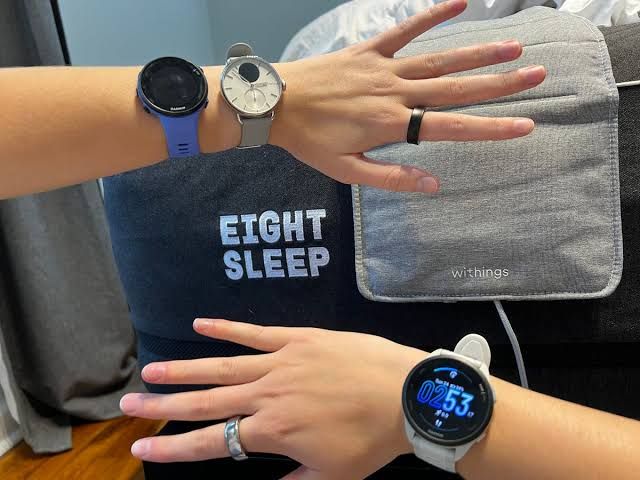
Many health enthusiasts try to track their sleep patterns using bulky smartwatches.
However, these large wrist devices are often uncomfortable and can easily disrupt your sleep.
If the watch slides around on your wrist during the night, the sensors will record highly inaccurate data.
A slim, lightweight smart ring sits securely on your finger and remains in place all night long.
This snug fit provides much more reliable biometric tracking and a more comfortable sleeping experience.
You should also look out for the hidden costs associated with many popular wellness trackers.
Several brands lock your personal health metrics behind expensive monthly app subscriptions.
We believe that you should have complete, unlimited access to your body’s data for free.
The Herz P1 companion app is completely free for life with absolutely zero recurring fees.
This transparent model allows you to monitor your health trends without any financial worry.
Common Questions on SpO2, Wearables, and Sleep Health
Take Action to Elevate Your Vitality Today
Optimizing your blood oxygen saturation naturally is a powerful step toward lifelong health and mental clarity.
The Herz P1 Smart Ring provides the precise, subscription-free data you need to guide this natural wellness journey.
Ready to monitor your health every single day?
Explore the Herz P1 Smart Ring to see if it is the perfect fit for your healthy lifestyle.
Call our support team at 1-866-479-1629 to advise on your correct ring size and set your personalized health goals today.
