

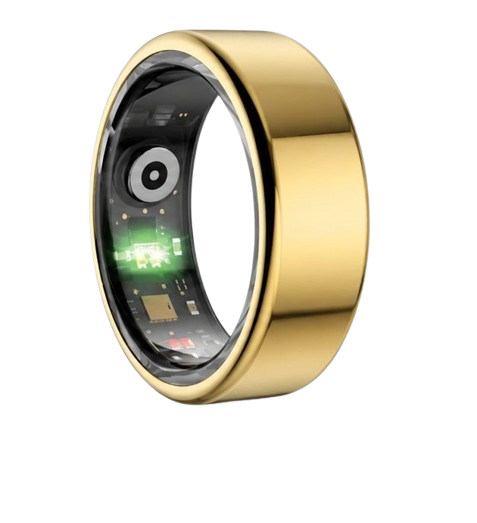
Optimizing your cardiorespiratory efficiency begins with understanding how to increase the oxygen in your blood naturally. Many people struggle with daytime fatigue and brain fog without realizing that low blood oxygen saturation levels during sleep are the primary culprits. By tracking these vital metrics with a high-precision wearable like the Herz P1 Smart Ring, you can gain deep biometric insights into your overnight respiratory trends and take actionable, natural steps to optimize your cellular vitality.
Built to Last. Save Up to 69% Today.
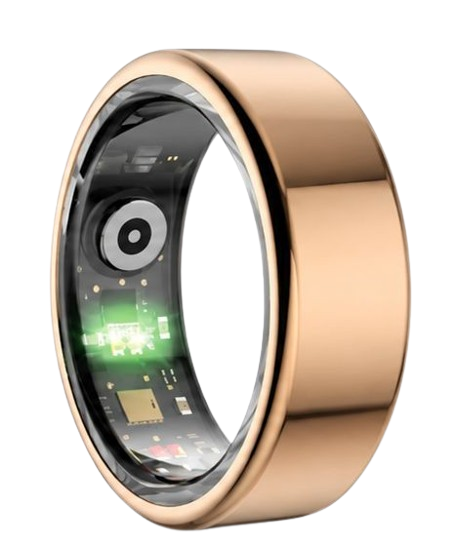
The Herz P1 Smart Ring tracks HRV, Sleep, Heart Rate & SpO2 around the clock. No subscriptions. No renewals. Ever.
In This Article
- A Natural Action Plan: Learn five actionable ways to increase blood oxygen levels through lifestyle adjustments.
- The Physiology of Respiratory Saturation: A deep dive into the science of gas exchange and cellular delivery.
- Mitigating Overnight Hypoxia: Understand why nocturnal dips occur and how to track them.
- Practical Application and Tools: How to utilize advanced tracking ring solutions to verify your progress.
A Natural Action Plan: How to Optimize Your Blood Oxygen Levels
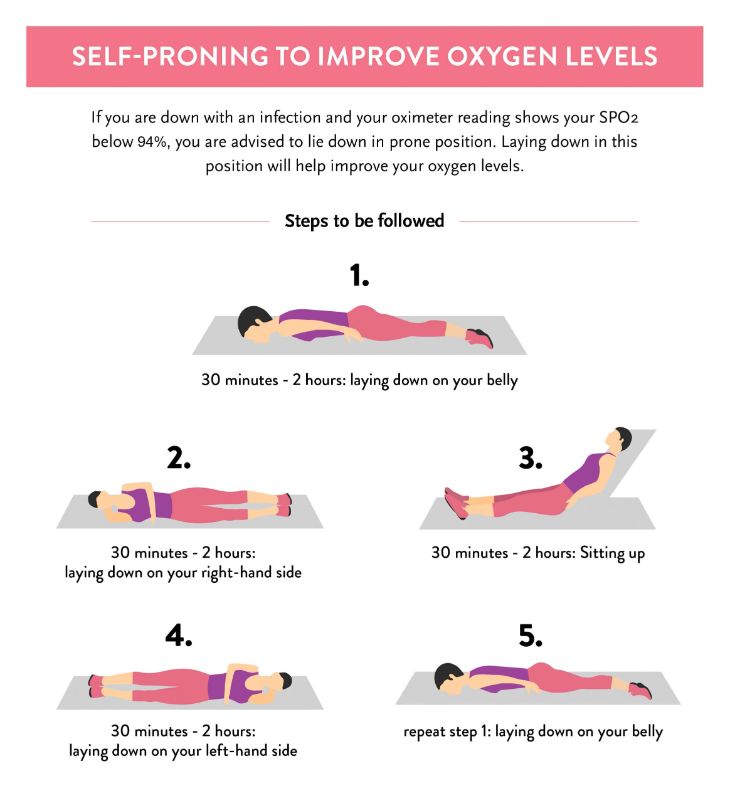
To increase blood oxygen levels, you must optimize your breathing mechanics, environmental conditions, and systemic health.
This process does not require medical interventions if you are generally healthy.
Instead, it relies on structured, daily protocols designed to improve the efficiency of your cardiorespiratory system.
Prerequisites / What You’ll Need
To follow this guide effectively, you will need a well-ventilated space, access to clean drinking water, and a reliable way to monitor your biological trends.
Step-by-Step Instructions
Step 1: Implement Deep Diaphragmatic Breathing Exercises
Diaphragmatic breathing helps you engage the lower parts of your lungs where gas exchange is most efficient.
First, sit or lie down in a comfortable position and place one hand on your chest and the other on your abdomen.
Inhale deeply through your nose for four seconds, ensuring your lower hand rises while your chest remains relatively still.
Hold your breath for two seconds to allow maximum contact time between oxygen molecules and your alveoli.
Exhale slowly through pursed lips for six seconds to thoroughly purge carbon dioxide from your lungs.
Repeat this rhythmic cycle for ten minutes every morning and evening to train your respiratory muscles.
Step 2: Maintain Optimal Hydration Levels Daily
Water is crucial for maintaining blood volume and ensuring the smooth transit of red blood cells through capillaries.
Drink at least eight to ten glasses of filtered water spread evenly throughout your day.
Proper hydration helps thin your blood, which directly improves microcirculation in pulmonary tissues.
Avoid excessive intake of dehydrating beverages such as sugary sodas and strong caffeinated drinks.
When your blood is sufficiently hydrated, your hemoglobin can transport oxygen with significantly less resistance.
Step 3: Increase Your Intake of Iron and Mineral-Rich Foods
Iron is the core building block of hemoglobin, the protein in red blood cells that carries oxygen.
Incorporate iron-rich foods like spinach, dark leafy greens, lentils, pumpkin seeds, and lean proteins into your meals.
Combine these foods with vitamin C sources like citrus fruits to maximize your body’s non-heme iron absorption.
Low iron levels lead to poor red blood cell quality, making it difficult to maintain peak oxygen saturation.
Consult with a nutritionist to assess whether your daily diet supports healthy hemoglobin production.
Step 4: Engage in Regular Outdoor Aerobic Activity
Physical movement forces your heart and lungs to work harder, which naturally expands your respiratory threshold.
Aim for thirty minutes of brisk walking, cycling, or light jogging in environments rich with green trees and fresh air.
During exercise, your body demands more oxygen, forcing your blood vessels to dilate and improve systemic delivery.
Over time, this cardiorespiratory conditioning increases your resting stroke volume and lung efficiency.
Avoid exercising near heavily congested highways or industrial zones where carbon monoxide levels are elevated.
Step 5: Practice Postural Correction and Chest Opening
Poor, slouched posture compresses your rib cage and limits the expansion volume of your diaphragm.
Sit with your shoulders back and spine straight to give your lungs maximum space to inflate.
Take short breaks every hour during work to stretch your chest muscles and roll your shoulders backward.
A restricted chest wall forces you to take shallow breaths, reducing overall oxygenation efficiency.
Keeping an open posture ensures that every breath you take delivers a full volume of fresh air to your lungs.
Verifying and Tracking Your Progress
While practicing these natural methods, verifying their real-world impact on your body is essential.
Using a dedicated health tracker allows you to see if your efforts translate into improved physiological scores.
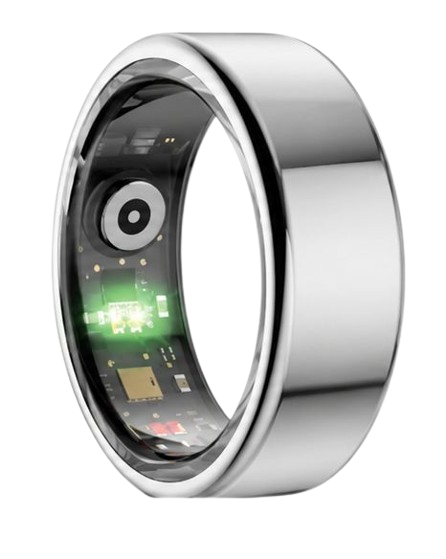
The Herz P1 Smart Ring continuously tracks your overnight blood oxygen saturation without any invasive procedures.
By reviewing your daily data trends, you can easily determine which habits yield the most significant improvements.
90-Day 100% Money-Back Guarantee
“The Herz Smart Ring helps me manage stress easily. It’s accurate, stylish, and lightweight—perfect for my busy life!”
— Jennifer P. | ✔ Verified Customer
- ✓ 6-Day Battery Life
- ✓ Detailed Sleep Analysis
- ✓ Fast 1-Hour Charging
- ✓ iOS & Android Ready
Questions? Call: 1-866-479-1629
The Physiology of Respiratory Saturation: how to increase oxygen saturation Safely
Understanding the internal biological mechanisms of gas exchange is crucial before making lifestyle modifications.
When you inhale, air travels down your trachea and enters tiny air sacs called alveoli.
According to the American Heart Association, these air sacs are surrounded by a vast network of microscopic blood vessels.
Oxygen passes through the incredibly thin walls of these alveoli and binds directly to hemoglobin proteins inside red blood cells.
This bound state is what we measure as blood oxygen saturation, or SpO2.
For a healthy individual, a normal resting SpO2 level falls securely between 95% and 100%.
If your levels regularly drop below this baseline, your vital organs may not receive the energy they need to function optimally.
This condition can cause you to feel chronically tired, mentally slow, or physically weak.
Fortunately, natural methods like breathing exercises can optimize the mechanical process of alveolar lung inflation.
Expanding the surface area of your lungs during inhalation allows your blood to bind oxygen molecules more efficiently.
This enhanced gas exchange process naturally helps raise your resting oxygen saturation levels over time.
By monitoring these shifts, you can directly evaluate how well your lungs are performing.
Overnight SpO2 Trends: Mitigating Nocturnal Hypoxia and Airway Blocks

Many individuals maintain normal oxygen levels during the day but suffer from silent drops while sleeping.
Nocturnal oxygen desaturation occurs when your airway tissues relax too much and partially block your breathing.
The National Sleep Foundation notes that these breathing interruptions can severely disrupt your deep and REM sleep cycles.
This constant sleep fragmentation prevents your brain from entering the restorative stages of rest.
As a result, you wake up feeling completely exhausted even after spending eight full hours in bed.
To identify these subtle breathing issues, you need a continuous, medical-grade monitoring tool.
Standard pulse oximeters are often too bulky to wear comfortably on your finger throughout the night.
This is why an ergonomic oxygen monitor ring is a much better choice for long-term health tracking.
If you experience frequent breathing interruptions, you may want to research a smart ring for sleep apnea to get deeper insights into your patterns.
Using a comfortable sleep apnea monitor helps you track oxygen desaturation trends without waking you up.
Finding the best-sleep-apnea-ring-monitor ensures you get highly accurate readings without any uncomfortable chest straps.
By comparing the best-sleep-apnea-trackers, you can select a tool that fits your sleep routine perfectly.
These trackers record every drop in your oxygen levels, allowing you to identify critical respiratory patterns.
You can then share this valuable trend data with a physician to explore personalized recovery solutions.
Correcting these nocturnal oxygen drops will drastically improve your mental clarity, focus, and physical energy during the day.
Tracking Your Oxygen Dynamics and SpO2 Levels on the Herz P1 App
The Herz P1 companion app acts as a highly personalized health tracking dashboard on your smartphone.
Our advanced optical sensors send multi-wavelength light through your finger tissues to read your pulse dynamics.
This biometric technology measures how much light is absorbed by oxygen-rich versus oxygen-depleted red blood cells.
The app then displays this complex biological data in clean, easy-to-read daily and weekly trend charts.
You can easily see your average SpO2 percentage, lowest overnight oxygen drops, and respiratory rate trends.
If your levels dip below your normal baseline, the app displays a clear warning in your daily summary.
This detailed level of insight helps you connect your lifestyle choices directly to your physiological recovery.
For instance, you might notice that your SpO2 levels improve after practicing deep breathing exercises before bed.
Alternatively, you may notice that poor sleeping posture causes visible overnight oxygen dips.
Because the Herz P1 Smart Ring is incredibly light and comfortable, you can wear it 24/7 without irritation.
This continuous wearing allows you to capture a complete, uninterrupted picture of your cardiorespiratory health.
Avoiding Common Pitfalls in Tracking Blood Oxygen and Sleep Quality
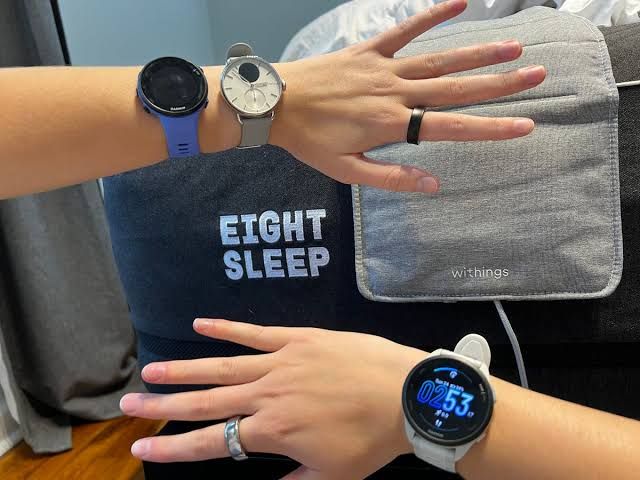
A very common mistake is wearing a heavy, bulky smartwatch to sleep to track your recovery.
These larger wrist-based devices often shift around during the night as you roll over in bed.
This movement creates gaps between the sensor and your skin, leading to highly inaccurate readings.
Furthermore, many smartwatches require frequent daily charging, causing you to miss crucial sleep data.
Another major frustration in the wearable market is the unexpected cost of monthly app subscriptions.
Many brands charge you recurring fees just to view the health data your device already collected.
We believe your personal health data should always be completely free and accessible to you.
The Herz P1 Smart Ring companion app features zero subscription fees and remains free for your entire life.
Additionally, our ring is crafted from durable, military-grade steel to handle any daily activity.
Switching to a lightweight smart ring ensures you get highly accurate, hassle-free tracking every night.
Frequently Asked Questions About Blood Oxygen Tracking
Yes, the Herz P1 features a certified IP68 waterproof rating.
This means it is completely protected against water entry even during deep, prolonged submersion.
You can safely wear it while swimming in pools, taking hot showers, or washing your hands.
The durable military-grade steel housing protects the internal sensors from any water damage.
The Herz P1 is equipped with a high-capacity lithium battery that lasts up to six full days.
This long battery life allows you to monitor your health continuously without constant charging interruptions.
When the battery runs low, it takes under an hour to charge back up to 100%.
This rapid charging ensures you never miss a single night of critical sleep tracking.
We recommend wearing the ring on your index, middle, or ring finger for the most accurate readings.
These fingers have a rich supply of blood vessels close to the skin’s surface.
This proximity allows our optical sensors to read your blood flow patterns with incredible precision.
Ensure the ring fits snugly but remains comfortable enough to wear throughout the night.
Yes, the Herz P1 has built-in offline storage that holds up to seven days of local data.
You do not need to keep your smartphone nearby or connected to Bluetooth while sleeping.
The ring will automatically sync all your logged biometric data the next time you open the app.
This convenient feature ensures your daily and weekly health trends are always completely preserved.
Conclusion: Empower Your Wellness Journey Naturally
Improving your blood oxygen levels naturally is a powerful way to reclaim your daytime energy and sleep quality.
By using consistent breathing methods and tracking your SpO2 trends, you can easily optimize your daily performance.
Ready to monitor your health every day? Explore the Herz P1 Smart Ring and see if it fits your lifestyle. Call: 1-866-479-1629 — our team can help you advise on the correct ring size and set personalized health goals.
Note: Individual results may vary depending on individual health conditions, age, and lifestyle habits. This article is intended for general health reference purposes only.
