

Waking up exhausted daily points to a deeper struggle with breathing disruptions during the night. If you suspect sleep-disordered breathing, using a smart ring for sleep apnea can help uncover hidden physical markers. Our team at Herz P1 designed this comprehensive guide to explain how modern wearable sensors track oxygen dips and recovery metrics so you can take control of your sleep health.
Built to Last. Save Up to 69% Today.
The Herz P1 Smart Ring tracks HRV, Sleep, Heart Rate & SpO2 around the clock. No subscriptions. No renewals. Ever.
In This Article
- Learn how wearable optical sensors evaluate overnight cardiovascular trends and respiratory patterns.
- Understand the exact scientific mechanisms behind blood oxygen tracking and heart rate variations.
- Discover how to read the Herz P1 sleep health dashboard to monitor your sleep architecture.
- Explore the physical and economic differences between lightweight smart rings and bulky smartwatches.
Can a Smart Ring Detect Sleep Apnea? Here Is What the Science Says
Obstructive sleep apnea represents a frequent collapse of the upper respiratory airway during rest.
This physical blockage cuts off vital oxygen delivery to your brain and major organs.
The body must trigger a brief survival arousal response to resume normal breathing.
Many people remain completely unaware that this disruptive cycle happens dozens of times each hour.
This condition affects millions of busy working professionals and older adults alike.
People with unmonitored breathing issues face a much higher risk of hypertension and cardiovascular strain.
These silent interruptions happen exclusively during sleep when muscles naturally relax.
This timing makes sleep-disordered breathing incredibly difficult to identify without objective tools.
The primary physiological impact occurs directly in the arterial blood vessels where oxygen levels drop.
Your autonomic nervous system must work overtime to rescue the body from suffocation.
Throat muscles naturally lose their structural tone as you transition into deeper sleep cycles.
This muscle relaxation allows the airway to collapse inward under negative breathing pressure.
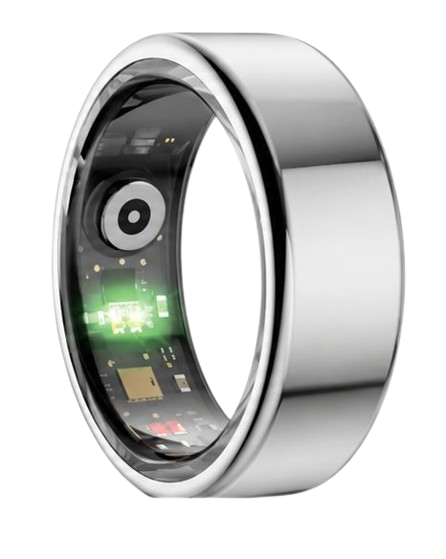
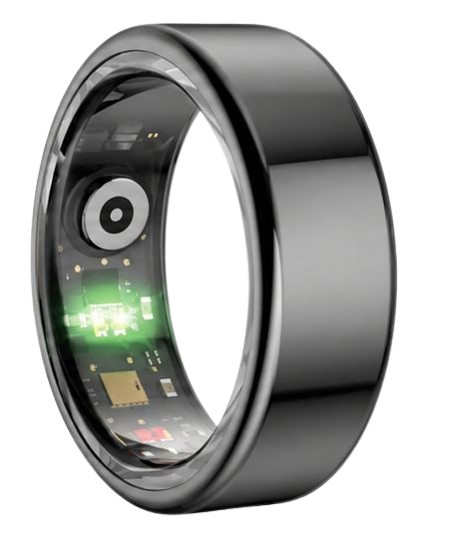
A modern smart ring sleep apnea monitoring device works by utilizing advanced optical sensors.
These sub-millimeter sensors shine light wavelengths through the highly vascular skin of your finger.
The sensors capture how light bounces back as blood pulses through the micro-vessels.
Clinical sleep studies look for oxygen drops between 3% and 4% below your normal baseline.
These rapid oxygen drops are known as desaturations.
A premium best-wearables-for-sleep-apnea-tracking tool must record these changes multiple times per minute.
This high sampling rate is crucial to avoid missing fast desaturation spikes.
Standard smartwatches often miss these fast drops due to slow sensor times.
Blood vessels in your fingers are much closer to the skin surface than those in your wrist.
This proximity allows for cleaner readings with fewer errors from movement.
The optical sensor tracks the volume of red blood cells flowing through your capillaries.
When breathing stops, the concentration of oxygen in these cells falls rapidly.
The ring detects this drop by measuring the shift in infrared light absorption.
This non-invasive method provides continuous data throughout the entire night.
Users can see these patterns as clear dips on their daily health dashboards.
Identifying these trends early allows you to seek professional guidance.
If you want to track this in real time, the Herz P1 Smart Ring monitors these metrics 24/7 — explore it here.
90-Day 100% Money-Back Guarantee
“The Herz Smart Ring helps me manage stress easily. It’s accurate, stylish, and lightweight—perfect for my busy life!”
— Jennifer P. | ✔ Verified Customer
- ✓ 6-Day Battery Life
- ✓ Detailed Sleep Analysis
- ✓ Fast 1-Hour Charging
- ✓ iOS & Android Ready
Questions? Call: 1-866-479-1629
How Smart Rings Track Your Sleep Stages and Autonomic Health

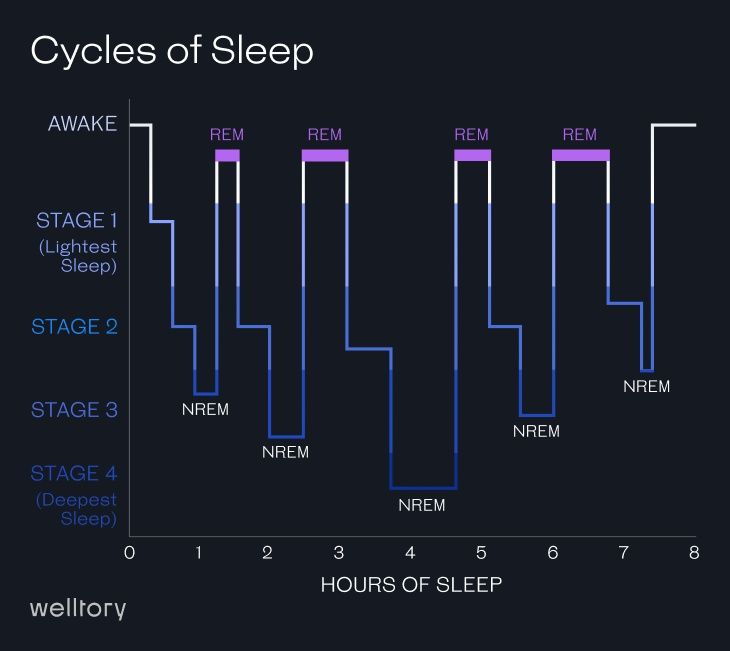
Sleep is not a uniform state of complete inactivity.
Your brain and body cycle through distinct phases every night.
These phases include light sleep, deep sleep, and Rapid Eye Movement (REM) sleep.
Each stage serves a critical role in your physical and mental recovery.
Deep sleep is the phase where physical tissues repair and growth hormones are released.
Your blood pressure naturally lowers during this period to rest your cardiovascular system.
REM sleep is where active dreaming occurs and your brain consolidates memories.
This stage is essential for emotional balance and cognitive clarity.
A high-quality best-sleep-apnea-trackers device maps these stages by monitoring body movement and heart rhythms.
During REM sleep, your heart rate becomes highly variable and your breathing irregular.
During deep sleep, your heart rate stabilizes into a slow and highly regular pattern.
Optical sensors in a premium oxygen monitor ring record these subtle shifts with extreme precision.
The ring uses photoplethysmography (PPG) to track these cardiovascular changes.
Green light sensors measure your standard heart rate during active daytime hours.
Infrared light sensors measure deep tissue perfusion and oxygenation levels at night.
This dual-wavelength approach ensures that sleep stages are identified accurately.
Any disruption in your breathing pattern immediately breaks this natural sleep cycle.
Airway obstructions force your brain out of deep sleep and back into light sleep.
This shifting prevents your body from completing its essential recovery work.
Many people spend eight hours in bed but wake up completely exhausted.
They are missing the critical deep and REM cycles needed for true rejuvenation.
A smart ring documents these hidden structural disruptions on a daily chart.
You can see exactly how many times your sleep was fragmented.
Understanding your personal sleep architecture is the first step toward better health.
Decoding Blood Oxygen Drops and Autonomic Stress Signals
When your airway collapses, your body enters a state of immediate physiological stress.
The lack of fresh oxygen triggers a survival response from your autonomic nervous system.
Your brain releases a surge of adrenaline to wake the body up just enough to breathe.
This hormonal surge causes an immediate spike in your heart rate.
It also causes your blood vessels to constrict and your blood pressure to rise.
This rapid heart rhythm change is highly visible in your biometric logs.
Heart Rate Variability (HRV) measures the variation in time between each heartbeat.
A high HRV indicates a relaxed, healthy autonomic nervous system.
A low HRV reveals that your body is trapped in a state of high physiological stress.
During a breathing obstruction, your HRV drops to exceptionally low levels.
These drops show that your nervous system is fighting for survival.
An sleep apnea monitor captures these fast HRV dips alongside oxygen drops.
The combination of a sudden SpO2 drop and a heart rate spike is a clear marker.
These markers reveal that the body is struggling against a physical blockage.
Normal nightly oxygen levels should remain consistently above 95%.
Drops below 90% indicate moderate hypoxia that requires attention.
Regular drops below 85% suggest severe breathing issues during the night.
Monitoring these trends over weeks provides a clear picture of your respiratory health.
Relying on subjective feelings of fatigue is not enough to evaluate sleep quality.
Having objective data allows you to have more productive conversations with health professionals.
Knowing your numbers helps you make informed choices about your evening habits.
Improving your sleep quality has a direct positive impact on your heart health.
The Herz P1 tracks these autonomic stress indicators every five minutes while you sleep.
How to Read Your Daily Sleep Metrics on the Herz P1 Dashboard
The Herz P1 companion app translates complex biometric data into simple charts.
When you wake up, your first step is to check your overall Sleep Score.
This score combines your total sleep duration, sleep efficiency, and deep sleep percentage.
A score above 80 indicates that your body completed its natural recovery cycles.
Next, open the blood oxygen (SpO2) tab to inspect your overnight oxygen stability.
Look for a smooth, flat line that remains consistently above 95% all night.
Any sharp downward spikes indicate moments where your breathing may have been restricted.
You should also examine the HRV Stress Index chart to spot overnight tension.
A healthy recovery shows low stress levels and stable HRV throughout the night.
If you notice persistent drops in oxygen or high stress, consider adjusting your sleeping habits.
Sleeping on your side is one of the easiest ways to keep your airway open.
Sleeping on your back often causes the tongue to fall backward and block breathing.
Elevating your head by a few inches can also improve airflow.
Avoid drinking alcohol or eating heavy meals within three hours of bedtime.
These substances relax your throat muscles and increase the likelihood of airway collapse.
Consistent daily movement also helps regulate your autonomic nervous system.
Use your Herz P1 recovery data to decide the intensity of your daily workouts.
If your recovery score is low, focus on gentle stretching or a light walk.
If your recovery score is high, your body is ready for a high-intensity session.
This balanced approach prevents overtraining and supports long-term health.
Wear the ring consistently to build an accurate personal baseline of your health metrics.
Smart Rings vs. Smartwatches: Overcoming Comfort and Paywall Obstacles
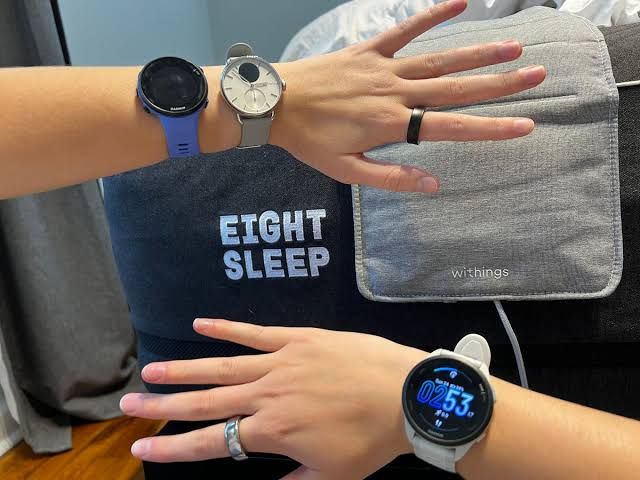
Many people struggle to wear bulky smartwatches to bed every night.
Large screens and heavy straps can easily disrupt your sleep comfort.
A heavy device moving on your wrist can also cause false data readings.
Frequent charging requirements present another major hurdle for smartwatch users.
If your device must charge every night, you cannot collect sleep data.
Smart rings offer a lightweight and comfortable alternative for 24/7 wear.
The Herz P1 weighs only 3.5 grams and fits naturally on your finger.
It has no bright screen to light up and disrupt your sleep environment.
Its military-grade steel construction ensures it can handle daily wear without scratching.
You can wear it in the shower, pool, or gym thanks to its IP68 waterproof design.
Many wearable brands lock your personal health data behind a monthly subscription.
They charge you ongoing fees just to view your sleep charts and HRV scores.
We believe that you should own your health data without paying rent.
The Herz P1 App is completely free for lifetime with no hidden charges or fees.
You get full access to every advanced biometric metric from day one.
This subscription-free model saves you hundreds of dollars over the lifespan of the device.
Investing in your wellness should not come with a recurring bill.
Choose a tool that respects both your health and your wallet.
If you are looking for a best-wearables-for-sleep-apnea-tracking tool, you might have compared features with the ringconn gen 2 sleep apnea systems.
Finding the best-sleep-apnea-ring-monitor means evaluating hardware durability and total cost.
Let’s compare how different devices stack up in terms of performance and pricing.
Below is a direct look at the key differences between the Herz P1 and traditional alternatives.
Direct Comparison: Smart Rings vs. Smartwatches for Sleep Tracking
| Feature | Herz P1 Smart Ring | Traditional Smartwatches |
|---|---|---|
| Monthly Subscription Fee | $0 (Free App For Life) | Often requires $5.99 to $10.00/month |
| Battery Life Duration | 6 Days (Full 24/7 Monitoring) | Typically 1 to 2 Days |
| Wear Comfort For Sleep | Extremely High (3.5g weight) | Low (Bulky chassis, sweaty bands) |
| Continuous SpO2 Tracking | Yes (High-frequency sampling) | Sometimes limited or manual-only |
| Durability Rating | Military-Grade Steel & IP68 Waterproof | Fragile glass screens, scratch-prone casing |
Frequently Asked Questions About Sleep Tracking and Smart Rings
Is the Herz P1 Smart Ring waterproof?
Yes, the Herz P1 is fully IP68 waterproof.
It can handle continuous water exposure up to 164 feet deep.
You can safely wear it while swimming, showering, or washing your hands.
The durable steel exterior protects the delicate internal sensors from moisture.
How long does the battery last on a single charge?
The Herz P1 battery lasts up to six days under normal usage.
It takes under one hour to charge from zero to one hundred percent.
A quick fifteen-minute charge provides enough power for a full night of sleep tracking.
This long battery life ensures you never miss critical overnight health metrics.
Which finger is best to wear a sleep tracking ring on?
The index finger of your non-dominant hand is the recommended option.
This finger has a strong pulse and clear blood flow near the skin surface.
The middle finger is also an excellent alternative for precise tracking.
Make sure the ring fits snugly without twisting easily during daily hand movements.
Does the Herz P1 store health data offline?
Yes, the ring can store up to seven days of biometric data offline.
You do not need to keep your smartphone nearby while you sleep.
The ring will automatically sync all stored data once you open the app.
This feature protects your data during unexpected phone disconnections.
Conclusion: Your Subscription-Free Wellness Journey Starts Here
Ready to monitor your health every day? Explore the Herz P1 Smart Ring and see if it fits your lifestyle. Call: 1-866-479-1629 — our team can help you advise on the correct ring size and set personalized health goals.
Note: Individual results may vary depending on individual health conditions, age, and lifestyle habits. This article is intended for general health reference purposes only.
