

How to Get Yellow Stains Out of a Mattress for Better Sleep and Recovery
Is a stained bed holding your sleep back? Learn how to get yellow stains out of a mattress to clean your sleeping environment. Our team knows that external sleep hygiene directly affects heart rate variability and deep sleep stages, which you can easily monitor with the screen-free Herz P1 Smart Ring to master your daily physical recovery.
Take Back Your Sleep.
Take Back Your Life.
- Fall asleep faster & sleep deeper
- Stop waking up in the middle of the night
- Wake up refreshed & full of energy
Key Highlights
- Environmental Optimization: Discover why deep-cleaning your bed is essential for deep, restorative sleep.
- The Magic Mixture: Use common household items like hydrogen peroxide, dish soap, and baking soda to lift tough discolorations safely.
- Thermoregulation & Heart Health: Understand how night sweats and fluctuations in skin temperature influence heart rate variability (HRV) and cause midnight wakeups.
- Screen-Free Biometrics: Learn how a subscription-free, screen-free wearable can help you understand your recovery without bedside digital distractions.
The Science of Sleep Hygiene: Why Yellow Stains Matter
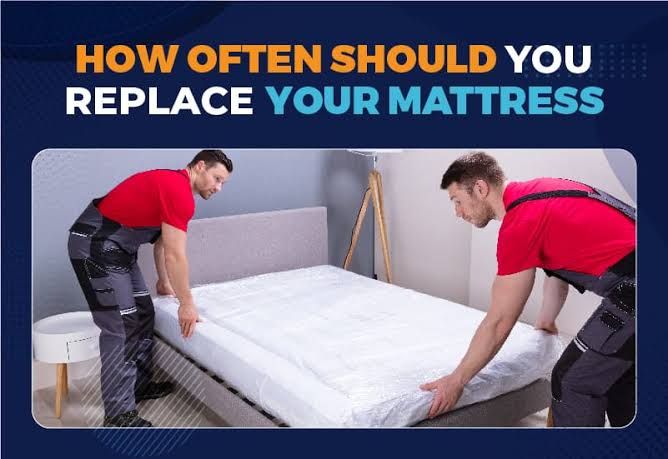
When you lay down to rest after a taxing day, you expect your bed to be a sanctuary. Yet, many of us are met with a frustrating reality: unsightly, discolored patches across our sleeping surface. These marks are often the result of sweat, body oils, dead skin cells, and biological fluids. If you have been wondering how to get yellow stains out of a mattress, you are not alone. Beyond the visual displeasure, these marks represent a deeper issue that directly impacts your physical health, recovery, and daily cognitive performance.
At Team Mind Body Dan, we focus on the complex relationship between your physical environment and your biometric wellness. Your skin is your largest organ, constantly shedding cells and secreting sebum. When you sleep, your body must drop its core temperature by about 1 to 2 degrees Fahrenheit to initiate and sustain deep sleep stages. When thermoregulation fails, you experience night sweats, which leave behind noticeable yellow stains on mattress surfaces.
This excess moisture and biological debris create a thriving breeding ground for dust mites, bacteria, and mold. As you breathe these in throughout the night, your immune system triggers a low-level inflammatory response. This micro-stress keeps your sympathetic nervous system active, leading to a racing mind, sudden 3 AM awakenings, and a notable drop in Heart Rate Variability (HRV). This means that ignoring those sweat stains on mattress fibers can directly lead to non-restorative rest and morning brain fog.
Table of Contents & Quick Action Guide
Preparation: What You Need Before You Start
Before diving into the actual process of how to get yellow stains out of a mattress, you need to collect the right tools. Using the wrong chemicals can degrade the memory foam or internal fibers of your bed, shortening its lifespan and releasing chemical fumes that irritate your respiratory tract during the night.
To successfully master how to get yellow stains out of mattress fabrics, gather these safe, non-toxic ingredients:
- 3% Hydrogen Peroxide: A mild, natural oxidizing agent that breaks down organic pigments without destroying fabrics.
- Baking Soda: Ideal for absorbing moisture and eliminating embedded odors.
- Liquid Dish Soap: Helps cut through body oils and lipid-based sweat residues.
- An Empty Spray Bottle: Allows you to mist the solution lightly without soaking the bed.
- Microfiber Cloths: Great for dabbing and absorbing loosened debris.
- A Vacuum Cleaner: Essential for removing dry powders and dust mites.
Understanding how to get yellow stains out of a mattress requires patience. A damp bed is highly vulnerable to mold, so you must plan to clean early in the morning. This gives the bed ample time to dry fully before you go to sleep at night.
Step-by-Step Guide to Removing Stubborn Mattress Stains
When executing these steps on how to get yellow stains out of mattress materials, follow a methodical, careful approach. Excess liquid is the enemy of mattress longevity. We want to clean the fabric, not saturate the core of the bed.
Method 1: The Hydrogen Peroxide and Baking Soda Treatment
For standard discoloration caused by sweat and body oils, this DIY solution is highly effective. The chemical reaction between oxygen-rich peroxide and alkaline sodium bicarbonate helps lift organic materials out of the fabric threads.
Step 1: Vacuum the Surface. Start by vacuuming your entire mattress. Use the upholstery attachment to suck up loose dust, hair, and dry skin flakes. This ensures you do not rub loose dirt deeper into the fabric when applying the cleaning solution.
Step 2: Mix the Cleaning Solution. In your spray bottle, combine 8 ounces of 3% hydrogen peroxide, 3 tablespoons of baking soda, and 2 to 3 drops of liquid dish soap. Swirl gently to mix. Do not shake vigorously, as the baking soda will foam up.
Step 3: Lightly Mist the Stained Areas. Mist the discolored spots evenly. Do not soak the fabric. Let the mixture sit undisturbed for 15 to 20 minutes. You will see the solution start to bubble, indicating that the peroxide is breaking down the organic pigments.
Step 4: Gently Blot. Use a clean, dry microfiber cloth to dab the area. Do not scrub in circles, as this can wear down the delicate surface fibers. Work from the outside of the spot inward to avoid spreading the discoloration.
Step 5: Apply Baking Soda for Yellow Stains. Once you have blotted up the excess liquid, sprinkle a thin, even layer of dry baking soda for yellow stains across the damp areas. This powder pulls deep-seated moisture and odor out of the bed fibers.
Step 6: Final Vacuuming. Allow the baking soda to sit for at least 4 to 6 hours. It will dry into a crusty powder, taking the lifted dirt with it. Vacuum the residue thoroughly. Your mattress should now look brighter and smell fresh.
The Physical Benefits of a Clean Bed
By completing this deep cleaning, you drastically reduce your exposure to allergens. Cleaner air lowers respiratory strain during sleep, allowing your heart to spend more time in a relaxed, parasympathetic state. This directly translates to better recovery scores, higher HRV, and less physical stress on your body.
Method 2: Handling Stubborn biological Marks
If you are trying to clean older or more stubborn stains, you might need a different approach. For biological fluids, an enzyme-based cleaner is your best option. These cleaners contain specialized proteins that break down organic waste molecules like proteins and lipids.
- Spray a small amount of enzyme cleaner onto a clean cloth (not directly onto the bed).
- Blot the discolored spot gently, letting the enzymes dissolve the biological material.
- Wipe the area with a damp cloth to remove any cleaner residue.
- Sprinkle baking soda over the area to draw out remaining moisture and neutralize lingering scents.
- Let it dry completely, then vacuum the remaining powder.
Common Pitfalls and Mistakes to Avoid
Many people run into issues on their first attempt at how to get yellow stains out of a mattress safely. Avoid these common errors to protect your mattress:
- Over-Saturating the Fabric: Memory foam acts like a giant sponge. If liquid gets deep inside, it can take days to dry, leading to mold and mildew growth that can ruin your mattress.
- Harsh Scrubbing: Scrubbing aggressively can tear mattress fibers and push the discoloration deeper into the padding. Always blot gently instead.
- Using Bleach: Chlorine bleach is too harsh for most mattress covers. It can degrade synthetic fibers and leave behind fumes that irritate your airways at night.
- Putting Sheets on Too Soon: Always make sure the mattress is completely dry. Placing a mattress protector or sheets over a damp bed traps moisture, creating an ideal environment for mold.
— Team Mind Body Dan
Quick Stain-Cleaning Checklist
| Stain Type | Best Solution | Action Step |
|---|---|---|
| Fresh Sweat | Baking soda + warm water paste | Apply, dry, and vacuum |
| Set-In Yellowing | Hydrogen peroxide + baking soda spray | Mist lightly, blot, and let dry |
| Biological Spots | Enzyme-based cleaner | Blot onto cloth, apply, and let dry |
Following these core instructions for how to get yellow stains out of a mattress will help restore your sleeping surface, improve your air quality, and help you get more refreshing sleep.
Optimizing Long-Term Recovery and Screen-Free Sleep

A clean bed is a great start, but it is only one part of the sleep equation. True physical recovery requires paying attention to how your body responds to your sleep environment. To understand your sleep quality, you need to track it. However, bringing high-tech trackers with bright screens and constant notifications into your bedroom can end up disrupting your rest.
Many people find smartwatches bulky, uncomfortable to sleep in, and annoying to charge daily. On top of that, bright screens before bed can trigger a racing mind and keep you awake. That is why screen-free, lightweight tracking options are becoming so popular for sleep monitoring.
The Screen-Free Tracking Revolution
If you want to track your sleep without digital distractions, consider the Herz P1 Smart Ring. This elegant, subscription-free wearable tracks your health metrics behind the scenes, helping you monitor your recovery without any screens in bed.
How Biometrics Reveal Your Sleep Quality
When you optimize your sleep setup, you should start to see positive trends in your biometric data. A health tracker like the Herz P1 Smart Ring monitors these key metrics to show you how your environment affects your rest:
- Sleep Stages (REM, Deep, Light): Deep sleep is when your body repairs tissue and releases growth hormones. REM sleep supports memory and emotional health. If allergens from a dirty mattress disrupt your breathing, your body may pull you out of deep sleep, leaving you feeling tired even after a full night in bed.
- Heart Rate Variability (HRV): HRV measures the variation in time between consecutive heartbeats. A higher HRV indicates that your nervous system is relaxed and recovered. A lower HRV can be a sign of physical stress, which can be triggered by poor air quality or allergens in your bedding.
- Daily Recovery Score: The Herz P1 Smart Ring uses smart algorithms to combine your sleep stages, HRV, and activity level into a single, easy-to-read daily score. This helps you understand your readiness for the day without having to interpret complex charts.
By keeping your bedroom clean and using a comfortable, screen-free wearable, you can take a more proactive, data-informed approach to your wellness. Best of all, the Herz P1 Smart Ring offers medical-grade biometric tracking with no monthly subscription fees, making it a simple, cost-effective way to monitor your long-term health trends.
Simple Tips for a Better Sleep Environment
To keep your bed clean and support your body’s recovery, try adding these habits to your routine:
- Use a Waterproof Protector: A breathable, waterproof mattress protector keeps sweat, oils, and spills from reaching your mattress, making it much easier to prevent yellow stains.
- Wash Sheets Weekly: Wash your bedding in hot water (at least 130°F) once a week to kill dust mites and remove body oils before they soak into your bed.
- Let Your Bed Breathe: Don’t make your bed immediately after waking up. Pull back the covers for 30 minutes to let any trapped moisture evaporate.
- Track Your Progress: Check your screen-free recovery tracker regularly to see how improvements to your sleeping environment are helping your sleep quality over time.
Taking care of your sleeping environment is a simple, effective way to support your physical recovery and long-term health. By keeping your bed clean and monitoring your biometrics, you can build a lifestyle that helps you wake up feeling refreshed and ready for the day ahead.
