

How to Sleep on Your Back Comfortably Every Night
Do you wake up with neck stiffness, lower back pain, or that frustrating feeling of non-restorative sleep? Learning how to sleep on your back is a scientifically proven way to align your spine, reduce pressure points, and optimize your cardiovascular recovery. Pair this habit with screen-free biometric tracking like the subscription-free Herz P1 Smart Ring to reclaim your restorative energy.
Take Back Your Sleep.
Take Back Your Life.
- Fall asleep faster & sleep deeper
- Stop waking up in the middle of the night
- Wake up refreshed & full of energy
Key Article Highlights
- The Science of Spinal Alignment: Discover why sleeping on your back is the gold standard for reducing cervical and lumbar compression.
- Practical Training Methods: Master the “bumper pillow” and “body-nesting” techniques to transition seamlessly from side-sleeping.
- Overcoming Common Obstacles: Learn how to address snoring, mild sleep apnea, and the dread of 3 AM awakenings.
- Biometric Validation: Understand how tracking metrics like Deep Sleep, Heart Rate Variability (HRV), and Recovery Scores helps you gauge your success.
- The Screen-Free Tracking Advantage: Discover how monitoring your sleep with a lightweight, distraction-free smart ring optimizes recovery.
The Blueprint: How to Train Yourself to Sleep on Your Back

For lifelong side or stomach sleepers, the idea of spending an entire night supine can feel entirely unnatural. However, understanding how to sleep on your back is one of the most powerful self-care practices you can adopt. When you rest on your back, your head, neck, and spine maintain a neutral alignment, which drastically reduces the structural pressure placed on your joints. Many physical therapists recommend sleeping on back postures to alleviate chronic neck aches, decrease tension headaches, and reduce the mechanical wear and tear on your lumbar region.
Transitioning to sleeping in the back position can initially feel uncomfortable. The nervous system is highly sensitive to postural habits; when you attempt a new sleeping posture, your brain may interpret the lack of physical contact on your sides as a vulnerability, triggering a racing mind or persistent 3 AM awakenings. This is why a systematic, gradual approach is necessary to successfully reprogram your somatic habits. Read more in our extensive tutorial on how to train yourself to sleep on your back to build long-term structural resilience.
Prerequisites for Back Sleeping
Before you begin retraining your body, you must prepare your sleep environment. A saggy mattress or a pillow that is too soft will ruin your attempts at back sleeping. To support your spine, your head and neck must be cradled without being pushed too far forward or allowed to sink too far backward. Investing in a contoured memory foam pillow or a medium-firm mattress is highly recommended. The goal is to keep your ears, shoulders, and hips in a balanced, horizontal line.
Step-by-Step Training Guide
To master how to sleep on your back, implement this systematic approach:
- The Knee-Elevation Hack: Place a medium-sized pillow under your knees. Elevating your knees by 15 to 20 degrees slightly flattens your lumbar spine, taking the pressure off your lower back and preventing the urge to roll onto your side.
- Build the Lateral Fortress: Place firm pillows on either side of your torso. These act as physical boundaries. If you attempt to roll over in your sleep, your body will hit these obstacles, prompting you to remain in the supine position. This is an essential step in learning how to train yourself to sleep on your back.
- Somatic Breathwork: Once you are positioned on your back, spend five minutes practicing deep, diaphragmatic breathing. This down-regulates your sympathetic nervous system, calming the racing mind that often arises when trying a new posture.
- The Micro-Step Transition: If you cannot fall asleep on your back initially, do not force it. Start by lying on your back for just 15 to 20 minutes before rolling to your side. Over a week, increase this time until your body adjusts naturally.
Common Pitfalls & Mistakes
The most common error when learning how to sleep on your back is using a pillow that is too thick. This hyperextends the cervical spine and can cause severe neck cramps and restrict airway passage, leading to loud snoring. Another mistake is keeping your legs completely straight and flat against the mattress; this pulls your pelvis forward, creating an exaggerated arch in your lower back that results in dull morning back pain.
Quick Checklist: Mastering the Supine Position
- Ensure your pillow thickness keeps your neck at a neutral 15-degree angle.
- Place a support pillow under your knees to flatten the lower back.
- Flank yourself with lateral pillows to prevent rolling over.
- Ensure your bedroom temperature is cool (65–68°F) to prevent restlessness.
- Track your structural progress with a lightweight biometric tracker to monitor sleep quality.
In conclusion, while changing your sleep posture takes dedication, the rewards of spinal decompression are unmatched. To verify if this adjustment is truly restoring your body, you need objective data. This is where advanced biometric tracking becomes invaluable. Knowing how to sleep on back safely allows your body to enter deeper, more restorative states of rest, which can be monitored in real-time through daily health metrics.
How Sleep Posture Directly Influences Your Biometric Recovery

Every decision we make about our sleep habits has direct, measurable biological consequences. When we analyze sleep physiology, the way we lie down determines the ease with which our heart circulates oxygenated blood, the efficiency of our lymphatic system’s waste clearance, and our overall progression through sleep stages. Learning how to sleep on your back comfortably ensures that your body spends less energy maintaining muscular tension, freeing up resources for cellular repair and cardiovascular recovery.
For instance, when you sleep in a curled-up fetal position, your diaphragm is often compressed, which limits your oxygen intake and can lead to micro-arousals—brief, unnoticed awakenings that fragment your rest. By focusing on sleeping on back positions, you maximize chest expansion, allowing for full, deep breathing that signals safety to your nervous system. This direct somatic signal is reflected in your Heart Rate Variability (HRV), the variations in time intervals between consecutive heartbeats.
This is why tracking your biometric markers is so important. Without objective tracking, you are guessing about your recovery. You might think you had eight hours of rest, but wake up with brain fog because you spent those hours tossing and turning to find a comfortable position. By using a screen-free device like the Herz P1 Smart Ring, you can review exactly how long you spent in REM, Deep, and Light sleep stages without the addictive distraction of a glowing screen right before bed.
Demystifying Your Sleep Stages
Understanding how how to sleep on your back affects your sleep architecture requires looking closely at your sleep stages:
- Deep Sleep (N3): This is the physically restorative stage where your pituitary gland releases growth hormone to repair muscle tissue. When you sleep on your back with proper cervical alignment, your muscles relax completely, which can increase the time your body spends in this vital stage.
- REM Sleep: Essential for cognitive consolidation and emotional processing, REM sleep is when we dream. Keeping your airways fully open through a neutral supine posture helps prevent sudden oxygen drops that can pull you out of REM sleep prematurely.
- Light Sleep: While necessary, too much light sleep indicates a restless night. Proper spinal alignment reduces the physical discomfort that keeps you in a shallow, easily disrupted sleep state.
By measuring these stages, you can see if your efforts to learn how to sleep on back are paying off. If you notice a steady increase in your Deep Sleep percentage and a high Daily Recovery Score, you have confirmation that your posture retraining is working. And explore the biological benefits of sleeping on back postures to better understand these profound physiological changes.
Overcoming the Physical and Mental Hurdles of Back Sleeping
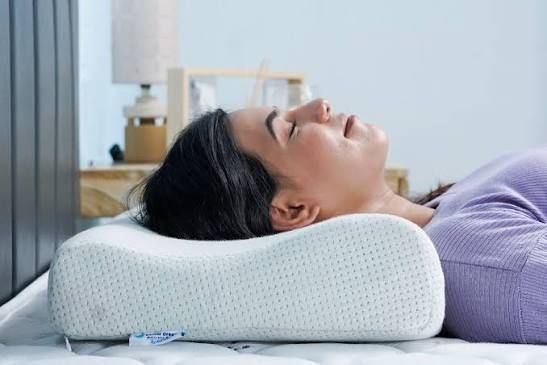
Retraining your nervous system is a physical and mental challenge. Many people start with the best intentions, only to give up after a few nights of tossing and turning, frustrated by a racing mind and the urge to roll over. It is important to remember that sleeping in the back position is an active physical skill that takes time to master. If you are experiencing a lingering feeling of physical fatigue, your body may simply be navigating the learning curve of postural adjustment. Check out our foundational manual on how to sleep on back safely to learn how to manage this transition phase.
One of the biggest physical obstacles is orthopedic adaptation. If your hamstrings or hip flexors are tight, sleeping flat on your back will pull your lower back off the mattress, causing a dull ache. Elevating your knees, as outlined in our step-by-step guide, is an easy way to prevent this mechanical strain. Similarly, if you suffer from acid reflux, lying completely flat can allow stomach acid to travel up your esophagus. Elevating the head of your bed by just a few inches using mattress risers can solve this issue without compromising your spinal alignment, which we discuss extensively in our guide to sleeping in the back position.
Addressing Snoring and Sleep Apnea
For some, sleeping on their back can worsen snoring or mild obstructive sleep apnea, as gravity can pull the tongue toward the back of the throat. If you notice your sleep tracking metrics show frequent oxygen dips or sudden spikes in your sleeping heart rate, you may need to adjust your setup. Try using an orthopedic wedge pillow that elevates your torso from the waist up, rather than just raising your head. This keeps your airways open while allowing you to enjoy the benefits of back sleeping.
Ditch the Bulky Screen: Transition to Screen-Free Biometrics
Are you tired of sleeping with a heavy smartwatch that glows in the dark, buzzes with notifications, and requires daily charging? Traditional trackers can actually disrupt the very sleep you are trying to improve. The titanium, ultra-lightweight Herz P1 Smart Ring offers a premium, screen-free alternative. Enjoy comprehensive tracking of your Sleep Stages and HRV with zero monthly subscription fees.
The mental side of back sleeping is just as important as the physical setup. If you feel restless or find yourself staring at the ceiling, visit our wellness hub’s post on how to train yourself to sleep on your back to explore sensory relaxation techniques. The transition process is a perfect opportunity to establish a screen-free wind-down routine. By avoiding blue light from smartphones or televisions for an hour before bed and tracking your metrics with a screen-free ring, you protect your body’s natural melatonin production. This calm, focused preparation helps soothe a racing mind and eases your transition to back sleeping.
In summary, mastering how to sleep on your back comfortably is an investment in your long-term health and vitality. By using the right pillow setup, practicing slow, diaphragmatic breathing, and tracking your progress with a subscription-free, screen-free wearable, you can transform your sleep from restless to deeply restorative. Be sure to consult our comprehensive clinical checklist on how to sleep on back positions to support your journey toward effortless, pain-free recovery every single night.
Frequently Asked Questions
Q: How long does it take to get used to sleeping on your back?
A: For most individuals, it takes about 14 to 21 days of consistent practice to build the muscle memory and feel truly comfortable in the supine position.
Q: Can back sleeping help reduce wrinkles?
A: Yes. Sleeping on your back prevents your face from being pressed against a pillow, which eliminates the friction and skin compression that can contribute to sleep wrinkles.
Q: Why does my lower back ache when I sleep on my back?
A: This is usually caused by tight hip flexors or a mattress that is too soft, which can arch your lumbar spine. Placing a pillow under your knees helps flatten your lower back against the bed, relieving this tension.
