

How to Clean Yellow Stains Out of a Mattress for Better Sleep and Recovery
Struggling with unrefreshing sleep, morning congestion, or late-night anxiety? The secret to reclaiming your energy might lie beneath your sheets. Learn how to clean yellow stains out of a mattress to eliminate microscopic allergens, and discover how tracking your biometrics with a screen-free wellness tool can reveal if your sleep environment is truly restorative.
Take Back Your Sleep.
Take Back Your Life.
- Fall asleep faster & sleep deeper
- Stop waking up in the middle of the night
- Wake up refreshed & full of energy
Article Quick Highlights:
- The Hidden Impact: Yellow stains from sweat, lipids, and skin cells degrade mattress fabrics and harbor allergens that cause subtle, sleep-disrupting micro-arousals.
- Chemical Breakdowns: How to safely use household ingredients like hydrogen peroxide and baking soda to lift stubborn organic matter.
- Step-by-Step Restoration: A clear, moisture-controlled cleaning plan to refresh your mattress without causing structural water damage or mold.
- Biometric Feedback: Discovering the physiological link between night sweats, nervous system recovery, and daily wellness tracking.
Why Yellow Stains Compromise Your Sleep and How to Prepare for Cleaning
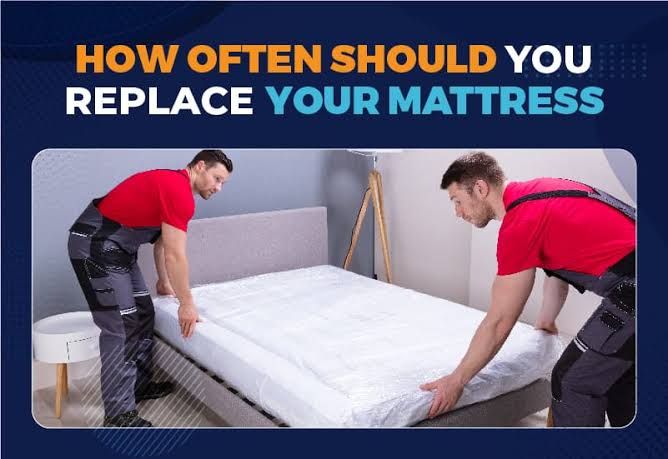
Every single night, the human body undergoes a complex physiological transition. As you descend into deep sleep, your core temperature drops, releasing heat and moisture into your immediate environment. Over weeks, months, and years, this normal physiological process leaves behind physical evidence. When you see yellow stains on mattress surfaces, you are looking at a accumulation of oxidized lipids, urea, proteins, and dead skin cells.
For many of us, this buildup goes unnoticed beneath our sheets. But physically, it can initiate a cascade of issues. Dust mites feed on these organic residues, multiplying and releasing microscopic waste products that irritate our airways. If you regularly experience 3 AM awakenings, wake up with brain fog, or struggle with a racing mind before bed, your body may be reacting to an invisible allergen load. The immune system remains in a low-grade state of alert, keeping your sympathetic nervous system active when it should be resting. This prevents you from reaching deep restorative sleep stages, leaving you feeling chronically exhausted.
Before exploring the chemical and physical steps of how to clean yellow stains out of a mattress, we need to understand the structural composition of our bed. Modern mattresses—whether memory foam, latex, or hybrid pocket-spring designs—are highly sensitive to excessive moisture. Understanding how to clean these surfaces without damaging the underlying foam is critical to extending the life of your bed and ensuring a healthy sleep environment.
— Team Mind Body Dan
Understanding the Causes of Yellowing
Understanding what created the stain helps you choose the right cleaning method. The most common causes of yellowing include:
- Sweat and Sebum: Our body’s natural cooling process releases salt, urea, and lipids. Over time, these organic compounds oxidize, creating dark yellow rings. This is why sweat stains on mattress surfaces are so common.
- Urea and Incontinence: Acidic in nature, urine breaks down fibers and leaves a yellow discoloration along with a persistent ammonia smell.
- Oxidation and Aging: The polyurethane used in memory foam naturally turns yellow over time when exposed to oxygen and light. This is normal and cannot be washed away, but it can be distinguished from organic stains by its uniform appearance across the foam.
Essential Preparations
To safely clean your mattress, gather the following household supplies:
- Baking Soda (Sodium Bicarbonate): Excellent for absorbing moisture and neutralizing odor-causing acids.
- Hydrogen Peroxide (3% Concentration): A mild oxygen-based bleaching agent that breaks down organic compounds.
- Gentle Liquid Dish Soap: Helps lift and suspend oils and lipids from fabrics.
- An Enzyme-Based Cleaner: Essential for breaking down proteins found in urine, blood, or sweat.
- Microfiber Cloths and a Spray Bottle: To apply cleaning solutions with minimal moisture.
Step-by-Step Guide: How to Clean Yellow Stains Out of a Mattress Safely
Now that you have your supplies ready, let’s look at the steps for removing these blemishes. We want to avoid soaking the mattress. Excess water can easily penetrate the support layers of the bed, leading to mold growth inside the mattress core.
Our cleaning methods focus on controlled chemical reactions. We use household ingredients to break apart the molecular bonds of the yellow stains, allowing them to be safely lifted from the fabric fibers. Let’s look at the step-by-step methods to remove mattress stains without damaging your sleeping surface.
Method 1: The Hydrogen Peroxide and Baking Soda Solution (Best for Sweat Stains)
This is the most reliable approach when learning how to get yellow stains out of mattress surfaces. The combination of hydrogen peroxide and baking soda releases oxygen bubbles that lift organic pigments from the fabric fibers.
Step-by-Step Application:
- Mix the Solution: Combine 8 ounces (approx. 240ml) of 3% hydrogen peroxide, 3 tablespoons of baking soda, and 2-3 drops of mild liquid dish soap in a spray bottle. Gently swirl to mix (do not shake vigorously).
- Lightly Mist the Area: Spray the stained areas lightly. Do not saturate the mattress. Let the bubbling action work on the stain for 10 to 15 minutes.
- Blot Gently: Using a clean, dry microfiber cloth, gently blot the area from the outside of the stain toward the center. This prevents the stain from spreading. Do not scrub, as scrubbing can push the organic compounds deeper into the fabric.
- Apply Baking Soda: Once blotted, sprinkle a thin layer of dry baking soda for yellow stains over the damp area. This draws out any remaining moisture and neutralizes odors over the next few hours.
- Vacuum the Residue: Once the powder is completely dry (usually 4 to 6 hours), vacuum the mattress thoroughly using a clean upholstery attachment.
Method 2: The Enzyme Cleaner Technique (Best for Urine and Stubborn Organic Stains)
If you are dealing with deeper stains or strong odors, a standard household spray may not be enough. This is where biological enzyme cleaners are highly effective. They contain specialized bacteria that break down complex organic molecules, like urea and proteins, into simple water-soluble components.
- Select an Enzyme Cleaner: Look for a high-quality, unscented enzyme cleaner designed for pet or upholstery use.
- Dampen a Cloth: Spray the cleaner onto a microfiber cloth rather than spraying it directly onto the bed. This keeps moisture levels low.
- Press and Hold: Press the damp cloth firmly onto the yellow stains for 30 seconds to allow the enzymes to transfer to the fibers.
- Let It Air Dry: Allow the enzymes to work as the area dries naturally. Keep a fan running to speed up the process and prevent lingering dampness.
Common Pitfalls & Mistakes to Avoid
When cleaning a mattress, avoid these common mistakes to prevent damage:
- Using Excess Water: Liquid can seep deep into foam or pocket springs, leading to internal mold and rust. Always blot and use dry baking soda to manage moisture.
- Scrubbing the Fabric: Scrubbing damages the fibers of the mattress cover and pushes stains deeper. Stick to gentle blotting motions.
- Applying Heat: Never use a hair dryer or iron to speed up drying. Heat can set organic stains permanently and degrade memory foam materials.
| Stain Type | Recommended Active Agent | Application Method | Drying Time |
|---|---|---|---|
| Mild Sweat & Sebum | Baking Soda + Dish Soap | Lightly scrub with dry baking soda paste; blot dry. | 2 – 4 Hours |
| Moderate Yellowing | Hydrogen Peroxide Mix | Mist lightly, let bubble, blot with dry cloth. | 4 – 6 Hours |
| Urine & Organic Stains | Enzymatic Cleaners | Apply via damp cloth, press and hold, let sit. | 6 – 8 Hours |
Preventing Future Stains and Tracking Your Microclimate Recovery

Cleaning your mattress is an excellent first step, but preventing future stains is key to maintaining a healthy sleep environment. A breathable, waterproof mattress protector is your best defense against sweat and oils. By acting as a barrier, it keeps moisture from reaching the mattress cover, keeping your bed clean and allergen-free.
But there is a deeper question to consider: Why are you sweating so much in the first place? While some sweating is normal, heavy night sweats can be a sign of deeper physical patterns. If you regularly wake up feeling hot, congested, or unrested, your body may be spending too much time in a high-stress state during the night.
Instead of guessing why you feel tired, you can track your body’s recovery using simple sleep biometrics. This is where wearable technology can provide valuable insights into your sleep quality and overall wellness.
Clean Bed, Tracked Recovery
Once you have restored your mattress, you can start tracking how a cleaner sleep environment improves your actual rest. By monitoring key biometric trends, you can see the direct impact of better sleep hygiene on your health.
The subscription-free Herz P1 Smart Ring is a screen-free, comfortable way to track these changes. Made from lightweight titanium, it monitors your HRV, Sleep Stages, and resting heart rate to give you a clear, daily Recovery Score—without the distractions or daily charging needs of a bulky smartwatch.
How to Connect Your Sleep Environment with Biometrics
Biometric metrics provide a clear window into how your sleep environment affects your physical recovery. Here are the key indicators to watch:
- Heart Rate Variability (HRV): Measured in milliseconds, HRV reflects the balance of your autonomic nervous system. A higher HRV indicates that your body is recovering well, while a drop can signal stress, allergens in your bedding, or a poor sleep environment.
- Sleep Stages (Deep and REM): Deep sleep is when your body repairs tissue and strengthens your immune system, while REM sleep supports memory and emotional health. If allergens or discomfort are waking you up throughout the night, you may miss out on these critical restorative stages.
- Daily Recovery Score: This score combines your HRV, sleep quality, and daily activity into a single, easy-to-read number. It helps you see how changes to your sleep environment—like cleaning your mattress—are directly supporting your physical recovery.
Quick Bed Hygiene Checklist:
- Use a Protector: Buy a breathable, waterproof mattress cover to block sweat and oils.
- Wash Sheets Weekly: Wash your bedding at 130°F (60°C) to kill dust mites and remove skin cells.
- Let It Breathe: Pull your duvet back for 30 minutes in the morning to allow nighttime moisture to evaporate.
- Rotate Regularly: Spin your mattress 180 degrees twice a year to ensure even wear and prevent moisture buildup in specific areas.
- Monitor Recovery: Use a screen-free tracking tool to see how a cleaner bed supports your sleep quality and overall recovery.
Taking Control of Your Sleep
Reclaiming your sleep is about looking at both your external environment and your internal health. Cleaning yellow stains out of your mattress removes allergens and creates a fresher place to rest. At the same time, tracking your biometrics with a comfortable, screen-free wearable can help you understand your body’s recovery trends. Together, these steps allow you to make simple, informed changes to your routine, ensuring you wake up feeling refreshed and energized every day.
Disclaimer: Results may vary depending on individual physical activity levels, unique health conditions, and daily tracking patterns. The insights provided by Team Mind Body Dan and the Herz P1 Smart Ring are intended for informational and educational purposes only. This device is not a medical product and is not designed to diagnose, treat, or cure any medical condition. Always consult with a qualified healthcare professional before making significant changes to your sleep, exercise, or health routines.
