

How Does Caffeine Affect Sleep? The Science of How Coffee Keeps You Awake
Many of us struggle with that frustrating 3 AM awakening, lying awake with a racing mind after enjoying an afternoon cup of coffee. Scientifically, the disruption to our sleep stages can be profound. At Mind Body Dan, we found that monitoring biometric patterns with the screen-free, subscription-free Herz P1 Smart Ring helps reveal exactly how late-day stimulants impact your nightly recovery.
Take Back Your Sleep.
Take Back Your Life.
- Fall asleep faster & sleep deeper
- Stop waking up in the middle of the night
- Wake up refreshed & full of energy
Key Highlights: Caffeine and Sleep
- The Adenosine Blockade: Caffeine chemically mimics adenosine, blocking the receptors that build up your natural sleep pressure throughout the day.
- The Half-Life Reality: Caffeine carries a half-life of 5 to 7 hours and a quarter-life of up to 12 hours, meaning afternoon coffee directly compromises nighttime sleep.
- Silent Architecture Disruption: Consuming caffeine before bed can sabotage deep and REM sleep stages, even if you fall asleep easily.
- Biometric Tracking Power: Monitoring heart rate variability (HRV) and nightly rest trends provides objective, screen-free insight into your recovery.
Understanding Caffeine and Sleep: The Biochemical Tug-of-War

Quick Answer
Yes, caffeine directly degrades sleep quality by keeping your central nervous system stimulated. The short answer is that caffeine acts as an adenosine antagonist, masking your biological sleep pressure. However, to choose the right lifestyle adjustments and optimize your daily energy, you need to understand how individual metabolic speed, biological timing, and sleep tracking metrics dictate your personal sensitivity to caffeine and sleep.
Detailed Explanation
To grasp the link between caffeine and sleep, we must first look at adenosine. From the moment you wake up, a chemical called adenosine steadily accumulates in your brain. This accumulation creates “sleep pressure”—the natural, heavy drowsiness that signals your body it is time to rest at the end of the day.
Caffeine is structurally identical to adenosine. When you consume coffee, tea, or energy drinks, caffeine travels to your brain and binds directly to your A1 and A2A adenosine receptors. Instead of activating these receptors, caffeine blocks them. Because of this molecular blockade, your brain never receives the signals that you are tired, tricking your nervous system into a state of sustained alertness. Under the surface, however, adenosine continues to build up. When the caffeine eventually wears off, you experience a sudden, overwhelming wave of fatigue commonly known as the “caffeine crash.”
When studying how long does coffee keep you awake, pharmacokinetics reveal a surprising timeline. Caffeine has an average half-life of about 5 to 7 hours. If you consume a cup of coffee containing 100 mg of caffeine at 4 PM, approximately 50 mg will still be actively circulating in your bloodstream at 11 PM. Furthermore, caffeine has a quarter-life of up to 12 hours. This explains how long does caffeine keep you awake: a midday latte can still be actively blocking adenosine receptors at 2 AM, contributing to shallow, fragmented rest and that frustrating experience of non-restorative sleep.
Consuming caffeine before bed does not just make it harder to fall asleep; it directly disrupts the natural progression through your light, deep, and REM sleep stages guide. Even if you possess the genetic ability to fall asleep quickly after consuming caffeine, the chemical stimulant prevents your body from dropping into the deepest, most restorative phases of rest. Over time, this biological debt manifests as morning brain fog and chronic physical fatigue.
— Team Mind Body Dan
When to Limit Caffeine vs. When It Is Safe
Understanding your personal physiology helps you establish a safe relationship with stimulants. You should strictly limit or cut off caffeine if you experience:
- Frequent 3 AM awakenings with an elevated, racing heart rate.
- A chronically low nightly understanding HRV (Heart Rate Variability) score.
- Persistent daytime brain fog that forces you to drink more coffee just to function.
- Inability to fall asleep within 30 minutes of getting into bed.
Conversely, morning caffeine can be enjoyed safely if your nightly biometric markers demonstrate a healthy, balanced circadian rhythm, a strong daily recovery score, and a balanced heart rate curve that dips naturally during sleep.
Suggested Solutions
To break the cycle of dependency and restless nights, we recommend implementing a strict “caffeine curfew” at least 10 hours before your target bedtime. To truly understand how this adjustment affects your physical recovery, you need an objective tracking method. Traditional smartwatches can be heavy, uncomfortable to wear in bed, and demand daily charging. Their bright screens can also cause blue-light exposure that further delays melatonin production.
The premium, screen-free Herz P1 Smart Ring offers a lightweight, elegant solution. Fashioned from aerospace-grade titanium, it sits comfortably on your finger, tracking your heart rate, sleep stages, and autonomic nervous system metrics overnight. With a subscription-free model, you own your data forever, allowing you to see exactly how eliminating afternoon caffeine improves your deep sleep and nightly recovery score without any distracting screens or hidden fees.
Short FAQ
Q: How long does coffee keep you awake compared to tea?
A: While coffee generally contains a higher concentration of caffeine, the half-life of the stimulant remains the same (5 to 7 hours). However, tea contains L-theanine, an amino acid that promotes relaxation and can help smooth out the sharp spike and crash associated with coffee.
Q: Will drinking water flush out caffeine before bed?
A: While staying hydrated supports overall metabolic function, you cannot flush caffeine out of your system quickly. Caffeine must be enzymatically broken down by the CYP1A2 gene pathways in your liver, a biological process that simply requires time.
Q: Can I use decaf coffee in the evening?
A: Decaf coffee still contains trace amounts of caffeine (typically 2 to 15 mg per cup). While much less disruptive, highly sensitive individuals may still find that drinking decaf late at night subtly interferes with their deepest sleep stages.
The Hidden Impact: How Caffeine Alters Your Deep and REM Sleep Stages
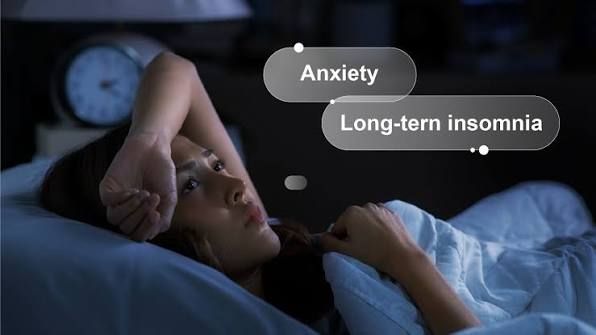
Many busy professionals rely on a stimulant-fueled cycle, using afternoon double-espressos to fight off persistent morning fatigue, only to find themselves staring at the ceiling hours later. This modern struggle often stems from a lack of clarity regarding how caffeine and sleep interact within the autonomic nervous system. Even when you successfully drift off, caffeine keeps your body in a shallow state of light sleep, leaving you highly susceptible to mid-night disruptions.
Your sleep architecture is divided into cycles containing light sleep, deep slow-wave sleep, and REM (Rapid Eye Movement) sleep. Each phase plays an essential role in your cognitive and physical restoration.
Deep sleep is the physical repair phase. During this time, your brain releases growth hormones, repairs cellular structures, and activates the glymphatic system to wash away metabolic waste. When you consume caffeine late in the day, it suppresses delta brainwaves, which are the biological hallmark of deep sleep. This results in highly superficial recovery, meaning you wake up feeling unrefreshed, stiff, and afflicted with morning overcoming brain fog.
REM sleep, on the other hand, is the stage where emotional processing, memory consolidation, and creative synthesis occur. When caffeine blocks adenosine, it keeps your brain in an artificial state of hyper-arousal, directly shortening your REM cycles. The consequence? A racing mind, increased anxiety the following day, and a decreased ability to handle stress. This reinforces the dependency on stimulants, perpetuating a difficult cycle that is hard to break without actionable, screen-free data.
The Sleep Disruption Process
Step 1: Consuming afternoon stimulants blocks sleep-promoting adenosine receptors.
Step 2: Your body experiences a sustained sympathetic (“fight-or-flight”) state, preventing your heart rate from dropping naturally.
Step 3: Sleep architecture shifts, significantly decreasing deep and REM stages.
Step 4: You wake up with low HRV and a depressed recovery score, triggering cravings for more caffeine.
To break this pattern, establishing mindful, screen-free sleep habits is vital. While standard fitness trackers display various metrics, many users find the constant notifications, bright displays, and daily charging routines to be an added source of nighttime stress. Embracing screen-free tracking methods is highly effective for reducing bedtime anxiety and supporting natural circadian rhythm optimization.
Reclaiming Your Rest: Actionable Strategies to Balance Caffeine and Sleep

Achieving deep, restorative sleep does not mean you have to give up coffee forever. Instead, it requires managing the timing and dosage of your stimulants while monitoring your physiological trends. By aligning your habits with your natural circadian biology, you can enjoy your morning cup while protecting your night of deep recovery.
Here are three science-backed, actionable strategies to help you balance caffeine and sleep:
1. Honor the 10-Hour Caffeine Cutoff
Because caffeine has an extended clearance timeline, we advise establishing a hard stimulant cutoff at least 10 hours before your head hits the pillow. If you aim to sleep by 10 PM, your last sip of caffeine should occur no later than 12 PM. This timeline gives your liver’s CYP1A2 enzymes the necessary window to process and clear the compound, ensuring your autonomic nervous system can transition smoothly into a relaxed parasympathetic state when bedtime arrives.
2. Delay Your First Morning Cup
When you first wake up, your body naturally releases cortisol—our primary alertness hormone—to help clear the adenosine that accumulated overnight. If you drink coffee immediately upon waking, you disrupt this natural cortisol peak and build an immediate tolerance. By waiting 90 to 120 minutes after waking to enjoy your first cup, you allow your natural hormones to clear your morning grogginess. This helps prevent the afternoon energy crash and lowers your desire for late-day stimulants.
3. Transition to Comfortable, Screen-Free Monitoring
To optimize your sleep, tracking your biometric data is incredibly helpful. However, using a bulky, bright smartwatch can often increase bedtime friction. Many people find these devices uncomfortable to sleep in, and the constant threat of a low battery means they are rarely tracking when it matters most.
By switching to a lightweight, screen-free wearable like the Herz P1 Smart Ring, you can easily monitor your sleep stages and HRV without any light disruption or daily charging stress. Designed to be worn comfortably through the night, this sleek titanium ring helps you reduce nighttime anxiety, allowing you to focus on your recovery. Its advanced biometric sensors translate your raw physiological signals into a simple, actionable recovery score, giving you a clear view of how your daily habits support restorative sleep science.
Ready to See Your True Recovery Trends?
Skip the bulky smartwatches and annoying hidden subscription fees. The Herz P1 Smart Ring offers medical-grade biometric tracking in an ultra-lightweight titanium band that lasts for days on a single charge.
Disclaimer: Results may vary depending on individual physical activity levels, unique health conditions, and daily tracking patterns. The information provided on Mind Body Dan is designed for educational purposes and should not replace professional medical advice. Always consult your healthcare professional before making major changes to your wellness routines or diet.
