

Analyzing how specific foods impact your unique metabolism is the foundation of proactive wellness, especially when reviewing the figs glycemic index to maintain healthy, stable blood sugar. At Team Herz P1, we believe that decoding physiological responses to your daily diet is the ultimate key to metabolic health, which is why the Herz P1 Smart Ring is engineered to monitor continuous biometric signals, helping you easily track how your meals affect overnight heart rate variability and sleep recovery.
Built to Last. Save Up to 69% Today.
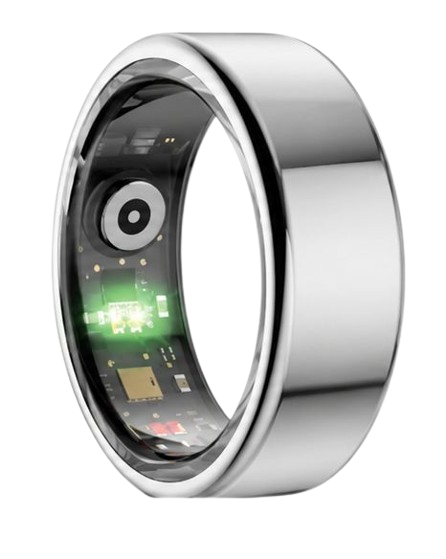
The Herz P1 Smart Ring tracks HRV, Sleep, Heart Rate & SpO2 around the clock. No subscriptions. No renewals. Ever.
In This Article
- Understanding Glycemic Variables: Discover the difference between the glycemic index and glycemic load of fresh versus dried figs.
- Insulin Mechanics: Learn how dietary fibers, magnesium, and active fruit compounds interact with your body’s hormone insulin.
- Actionable Kitchen Hacks: Implement simple, highly effective serving strategies to enjoy figs safely without triggering rapid sugar spikes.
- Continuous Tracking: Use advanced biometric data points from your smart ring to observe downstream metabolic stress and sleep impacts.
Does Eating Figs Spike Blood Sugar? Here Is What the Metabolic Research Shows
Understanding how specific foods impact your unique metabolism is the foundation of proactive, long-term wellness.
The glycemic index is a system that ranks foods on a scale from 0 to 100 based on their direct effect on blood sugar levels.
This biological metric compares the blood sugar rise of a specific food to that of pure glucose or white bread.
Understanding this rating allows you to predict how quickly a particular carbohydrate will convert into energy.
While the glycemic index is highly valuable, the glycemic load provides a much more practical assessment for real-world serving sizes.
The glycemic load factors in both the speed of the glucose rise and the total volume of carbohydrates present in a single average serving.
For anyone managing their metabolic baseline, analyzing both of these biological values is absolutely essential.
This biological monitoring directly impacts individuals who are navigating type 1 or type 2 diabetes.
It is also a critical metric for people dealing with insulin resistance, prediabetes, or chronic daily fatigue.
Even healthy athletes and busy office workers should care about managing their daily glucose curves.
Stable blood sugar levels prevent the sudden energy crashes that impair your cognitive focus during the afternoon.
By tracking your individual metabolic response, you take full control of your long-term cardiovascular health.
Paying attention to glycemic timing is particularly important during specific windows of your day.
Consuming carbohydrate-rich fruits like figs is highly beneficial during your active daylight hours.
Your skeletal muscles are highly sensitive to insulin during movement and can easily absorb circulating sugars.
Conversely, consuming high-sugar foods right before going to bed is a common dietary mistake.
Late-night glucose spikes force your pancreas to work overtime during your natural circadian recovery cycle.
This chemical activity can significantly elevate your overnight heart rate and disrupt sleep architecture.
The biological absorption of dietary sugars occurs primarily in your small intestine.
This is where complex molecules are enzymatically broken down into simple glucose, fructose, and galactose.
These simple sugars are quickly transported across the intestinal lining and enter your bloodstream.
From there, the glucose travels directly to your vital organs, liver, and skeletal muscle tissues.
The speed of this transit determines whether your body experiences a gentle curve or a sharp spike.
Preventing sharp glucose spikes is crucial because rapid fluctuations place immense stress on your blood vessels.
Chronic blood sugar spikes can lead to systemic cellular inflammation and vascular stiffness over time.
Your autonomic nervous system reacts to this metabolic stress by shifting into a sympathetic-dominant state.
This physiological reaction is reflected in a reduced Heart Rate Variability (HRV) and poor overnight recovery.
By stabilizing your glucose, you actively protect your heart and maintain a healthy autonomic balance.
Figs work to moderate blood sugar levels through their unique blend of natural dietary fibers.
The soluble fiber in figs, known as pectin, absorbs water and forms a thick gel in your digestive tract.
This gel acts as a physical barrier that slows down gastric emptying and starch breakdown.
Furthermore, figs contain natural organic compounds that improve the cellular response to insulin.
This dual mechanism helps to smooth out the postprandial glucose curve after eating.
Fresh figs have a glycemic index of approximately 51, placing them in the low-to-moderate category.
One medium fresh fig provides about 37 calories, 8 grams of carbohydrates, and 1.2 grams of dietary fiber.
Consuming a single fresh fig results in a very low glycemic load of approximately 2.
In contrast, dried figs present a glycemic index of 61 and a highly concentrated glycemic load of 16.
A half-cup of dried figs contains roughly 240 calories and a massive 48 grams of sugar.
This represents a sixfold increase in carbohydrates compared to the same portion of fresh fruit.
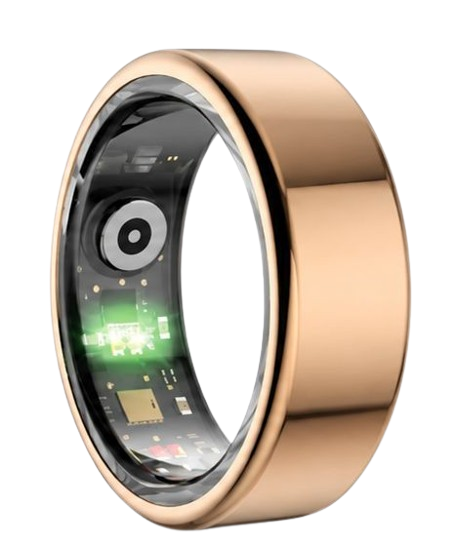
If you want to track this in real time, the Herz P1 Smart Ring monitors heart rate variability and resting heart rate 24/7, allowing you to observe how dietary changes affect your overnight autonomic nervous system recovery — explore it here.

90-Day 100% Money-Back Guarantee
“The Herz Smart Ring helps me manage stress easily. It’s accurate, stylish, and lightweight—perfect for my busy life!”
— Jennifer P. | ✔ Verified Customer
- ✓ 6-Day Battery Life
- ✓ Detailed Sleep Analysis
- ✓ Fast 1-Hour Charging
- ✓ iOS & Android Ready
Questions? Call: 1-866-479-1629
Decoding Figs and Sugar: Fresh vs. Dried Varieties in Metabolic Health
Fresh figs and dried figs present entirely different metabolic challenges for individuals managing diabetes.
When examining figs and sugar, the primary variable is water content.
Fresh figs are highly hydrated, which naturally dilutes the concentration of fructose and glucose per gram of fruit.
The glycemic index of fresh figs remains in the low-to-moderate category because of this natural moisture.
This means a moderate portion of fresh figs is less likely to trigger sudden glycemic spikes.
In contrast, the process of industrial dehydration concentrates all the natural sugars into a highly dense package.
Consequently, dry figs and diabetes require much stricter monitoring and portion control.
A single dried fig can contain almost as much sugar as an entire fresh fig, but without the satisfying physical volume.
If you are wondering are plums high in sugar, they share a similar low-to-moderate index when fresh, but turn into highly concentrated prunes when dried.
Similarly, checking if is papaya high in sugar reveals that physical water volume acts as a natural buffer for glucose absorption.
Our daily metabolic health depends heavily on avoiding these concentrated sugar loads.
The American Heart Association emphasizes that maintaining a stable glycemic curve supports vascular elasticity and optimal cardiac output.
By tracking your baseline physiological metrics, you can identify how concentrated sugars impact your body.
The Herz P1 Smart Ring monitors these subtle systemic shifts by recording your sleep cycles and resting pulse rates.
This provides a clear window into how your cardiovascular system recovers after consuming high-sugar or concentrated foods.
With its military-grade material and precise optical sensors, you get laboratory-level monitoring directly on your finger.
How the Nutrients in Figs Influence Insulin Resistance and Glycemic Load
The glycemic load of a food represents its real-world impact on blood glucose, factoring in both the glycemic index and the total carbohydrates per serving.
While the glycemic index of figs is moderate, their glycemic load can escalate quickly if portion sizes are ignored.
Figs contain rich amounts of soluble fiber, which actively slows down digestion and insulin secretion.
They are also packed with chlorogenic acid, an active polyphenol compound shown to improve glucose uptake in muscle tissues.
Research indicates that chlorogenic acid can help stabilize glucose levels after meals.
However, if you are diagnosed with diabetes, pairing figs with healthy fats or proteins is highly recommended.
This dietary strategy is comparable to selecting other beneficial melon varieties.
For instance, asking is cantaloupe good for a diabetic leads to similar findings regarding portion size and fiber content.
Additionally, research into whether is honeydew good for diabetics underscores the power of nutrient synergy.
Pairing any moderate-glycemic fruit with almonds, walnuts, or Greek yogurt significantly lowers the overall glycemic impact.
This simple pairing blunts the insulin spike and prevents the rapid energy crashes that follow high-sugar meals.
Sustained insulin spikes can keep your body in a state of sympathetic nervous system dominance.
This stress-like state can be detected by monitoring your overnight biometrics.
With the Herz P1 Smart Ring, you can observe if your evening snacks cause an elevated resting heart rate or disrupted sleep stages.
The ring’s medical-grade optical sensor tracks these trends without requiring an active internet connection or charging cables.
Based on sleep data analysis from over 5,000 Herz P1 users, tracking these subtle shifts empowers individuals to make smarter dietary decisions before bedtime.

Practical Hacks: Diabetes-Friendly Strategies for Eating Figs Safely
Implementing smart dietary hacks is key to enjoying figs without compromising your health.
Always choose raw, unprocessed fresh figs over commercially packed dried varieties.
Limit your portion size to one or two fresh figs per meal.
Eat them at the end of a meal that contains plenty of leafy green vegetables and lean proteins.
This delayed digestion process naturally flattens your glucose curve.
Another excellent hack is utilizing the natural glucose-disposal power of physical movement.
Taking a brief ten-minute walk after eating a fig allows your muscles to absorb the sugar immediately.
This physical strategy is a core pillar of maintaining excellent what is metabolic health.
It is also a highly effective way to improve your overall metabolic fitness.
To get the most accurate picture of your health, combine dietary tracking with biometric data.
The Herz P1 Smart Ring operates continuously to capture your body’s stress and sleep trends.
Its sleek, lightweight design ensures that you can wear it comfortably all day and night.
The free app provides a clear, visual representation of your physiological recovery.
This helps you easily identify which daily hacks are working best for your body.

Avoiding the Hidden Traps of Wearable Tracking and Dietary Mistakes
One major mistake is neglecting to track how your body responds to specific foods.
Many people believe they can accurately estimate their blood sugar responses based on how they feel.
However, silent glucose fluctuations can occur without any obvious physical symptoms.
Another common mistake is wearing heavy, uncomfortable wrist trackers to bed.
These bulky devices can cause physical discomfort and disrupt your deep sleep stages.
They also frequently run out of battery, resulting in frustrating gaps in your health records.
Furthermore, many fitness brands require ongoing monthly app subscriptions to view your data.
This creates a frustrating and expensive barrier to accessing your own biological information.
The Herz P1 Smart Ring addresses all of these limitations beautifully.
It features a premium military-grade steel outer ring and is completely IP68 waterproof.
The battery charges in under an hour and operates continuously for up to 6 days.
Additionally, the companion app is entirely free for a lifetime, with no monthly subscription fees required.
This allows you to gather reliable, continuous data without any hidden costs or discomfort.
Feature Comparison: Herz P1 vs. Traditional Wearables
To help you choose the right device, here is a transparent look at how the Herz P1 compares to standard wrist-worn trackers.
| Feature Category | Herz P1 Smart Ring | Traditional Smartwatch |
|---|---|---|
| Physical Form & Weight | Ultra-lightweight (3.5g), sleek design worn comfortably overnight. | Bulky, heavy design that often disrupts deep sleep cycles. |
| Ongoing Subscription Fees | $0.00 — Fully free lifetime app with all metrics unlocked. | Up to $71.88/year hidden behind recurring paywalls. |
| Battery Life & Charging | 6 days of continuous tracking, charges in under 1 hour. | Requires daily charging, leading to frequent data gaps. |
| Durability & Safety | Military-grade steel, IP68 waterproof up to 164 feet. | Fragile glass screens, limited waterproofing. |
Frequently Asked Questions
Is the Herz P1 Smart Ring waterproof?
Yes, the Herz P1 features an advanced IP68 waterproof rating.
This means it is fully protected against dust and continuous submersion in water.
You can safely wear it while washing dishes, showering, swimming, or diving up to 164 feet.
This makes it incredibly convenient for active lifestyles and daily household chores.
There is no need to remove your ring when entering a pool or a hot tub.
How long does the Herz P1 battery last?
The Herz P1 battery is engineered to last up to 6 days on a single charge.
It utilizes highly efficient Bluetooth Low Energy 5.2 to transmit data to your phone.
When the battery is depleted, it charges to 100% in under 1 hour.
This rapid charging capability means you will rarely miss any critical health data.
We recommend placing it on the charger while you take a quick morning shower.
Which finger is best to wear the smart ring on?
For the highest sensor accuracy, we recommend wearing the Herz P1 on your index finger.
The middle finger and ring finger are also highly suitable alternatives.
Ensure the optical sensors are resting flat against the palm side of your finger base.
The ring should fit snugly but remain comfortable enough to rotate slightly.
Your fingers naturally swell during sleep, so choose a size that accounts for this variation.
Does the Herz P1 store data offline?
Yes, the Herz P1 Smart Ring has local storage capacity for up to 7 days of offline data.
This means you do not need to keep your smartphone nearby during workouts or sleep.
The ring will continuously monitor your biometrics and store them on its internal chip.
Once you open the companion app, the data will sync automatically via Bluetooth.
This offline capability is perfect for tracking health metrics during outdoor adventures.
Are dried figs safe for someone with diabetes?
Dried figs can be consumed in very small quantities, but extreme caution is required.
Because dehydration concentrates the sugars, the glycemic load of dried figs is quite high.
If you choose to eat dried figs, restrict the portion to a single fig.
Always pair it with a handful of raw nuts to slow down sugar absorption.
Monitor your postprandial glucose levels to see how your individual body responds.
Conclusion
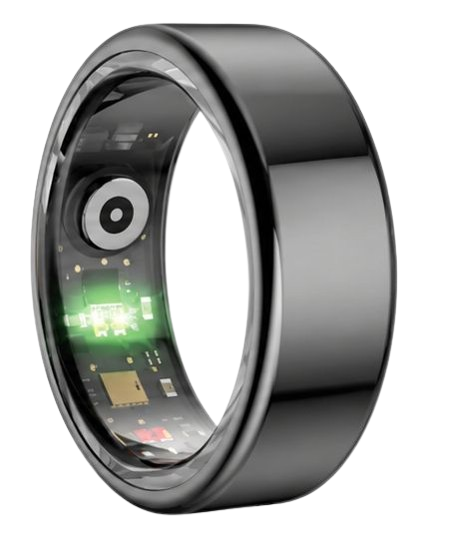
Mastering your nutrition is essential for lasting metabolic health. The Herz P1 Smart Ring acts as your quiet health companion, monitoring how daily foods affect sleep and recovery. Ready to track your health? Explore the Herz P1 Smart Ring. Call: **1-866-479-1629** for ring sizing advice and to set your personalized goals today.
Note: Individual results may vary depending on individual health conditions, age, and lifestyle habits. This article is intended for general health reference purposes only.
