

Managing dietary choices is a daily puzzle for individuals with diabetes, which is why understanding is honeydew good for diabetics requires a careful, science-backed look at glycemic metrics and physiological responses. By evaluating how this sweet melon interacts with your metabolic pathway, and leveraging cutting-edge biometric feedback from the subscription-free Herz P1 Smart Ring, you can confidently customize your portion sizes to prevent sudden glucose surges while enjoying the hydrating nutrients your body deserves.
Built to Last. Save Up to 69% Today.
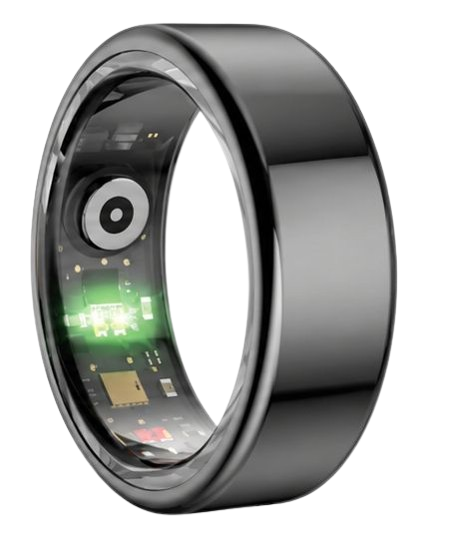
The Herz P1 Smart Ring tracks HRV, Sleep, Heart Rate & SpO2 around the clock. No subscriptions. No renewals. Ever.
In This Article
- Is Honeydew Good for Diabetics? A clinical and physiological breakdown of how this melon interacts with insulin and blood sugar pathways.
- Honeydew Glycemic Metrics: Demystifying the glycemic index versus glycemic load to help you make informed carbohydrate decisions.
- Autonomic Signaling & Sleep: How nocturnal glucose spikes suppress heart rate variability and disrupt crucial restorative sleep phases.
- The Metabolic Fitness Guide: Practical strategies for pairing honeydew, calculating safe portions, and tracking long-term trends.
- Smart Wearable Technology: Using the subscription-free Herz P1 Smart Ring to continuously monitor your body’s stress and metabolic recovery.
Is Honeydew Good for Diabetics? The Comprehensive Clinical Analysis

To evaluate if honeydew is suitable for individuals with diabetes, we must look closely at its physiological composition.
Honeydew melon is a highly hydrating fruit containing roughly ninety percent water by weight, making it an excellent source of natural hydration.
However, it also delivers approximately nine grams of natural sugars per one-hundred-gram serving, primarily in the form of fructose, glucose, and sucrose.
For individuals with Type 1 or Type 2 diabetes, these sugars enter the bloodstream and require systemic insulin to be processed safely by your cells.
This carbohydrate absorption typically begins within minutes of eating, as digestive enzymes in your mouth and small intestine break down the fruit’s simple sugars.
If your body lacks sufficient insulin or experiences cellular insulin resistance, these sugars can accumulate in your bloodstream, leading to elevated blood glucose levels.
Because honeydew contains only a modest amount of dietary fiber—about 0.8 grams per serving—the natural sugars are absorbed relatively quickly compared to high-fiber berries.
Yet, when eaten in controlled quantities, honeydew provides vital micronutrients like vitamin C, potassium, and magnesium, which actively support cardiovascular and metabolic health.
Potassium plays a key role in cellular fluid balance and has been shown to assist in maintaining stable blood pressure levels.
Furthermore, the high water content helps dilute the total glycemic impact of the sugar, meaning that a small portion will not overwhelm a healthy metabolic system.
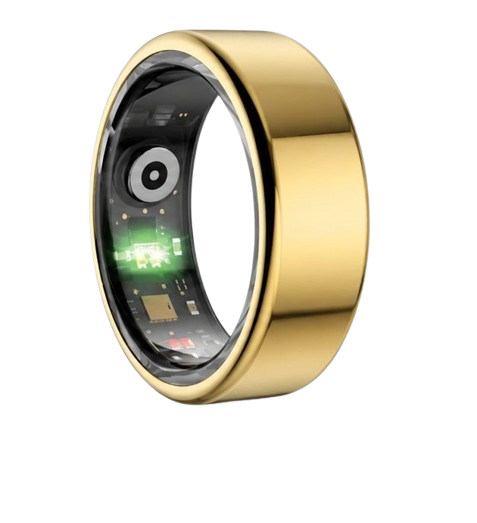
If you want to track how your dietary choices affect your body’s recovery in real time, the Herz P1 Smart Ring monitors heart rate and autonomic recovery 24/7 — explore it here.
90-Day 100% Money-Back Guarantee
“The Herz Smart Ring helps me manage stress easily. It’s accurate, stylish, and lightweight—perfect for my busy life!”
— Jennifer P. | ✔ Verified Customer
- ✓ 6-Day Battery Life
- ✓ Detailed Sleep Analysis
- ✓ Fast 1-Hour Charging
- ✓ iOS & Android Ready
Questions? Call: 1-866-479-1629
Honeydew Glycemic Index and the Science of Glycemic Load

To truly understand how this melon behaves in your digestive system, we must explore the honeydew glycemic index and contrast it with its glycemic load.
The glycemic index for honeydew melon sits at approximately 62, classifying it as a medium-GI food.
This numeric rating measures how quickly a carbohydrate-containing food raises blood glucose compared to pure glucose, which has a baseline score of 100.
At 62, honeydew raises blood sugar faster than low-GI fruits like plums or apples, but slower than high-GI items like watermelon.
However, relying solely on Glycemic Index can be highly misleading for active dietary planning.
This is where Glycemic Load (GL) becomes the most critical metric for your daily meal planning.
Glycemic Load calculates both the speed of glucose entry and the actual amount of carbohydrates contained in a realistic, standard serving size.
The glycemic load for a standard one-cup serving of honeydew melon is only about 5.4, which is considered very low.
A glycemic load under 10 has a minimal impact on blood sugar, meaning that moderate portions are highly manageable for insulin-resistant systems.
This explains why many people wonder: is cantaloupe good for a diabetic compared to honeydew?
Both melons share highly similar nutritional profiles and medium-GI values, but their low glycemic loads make them safe options when portioned carefully.
In comparison, checking if are plums high in sugar reveals that plums have a lower GI, offering a slightly slower glucose release.
Similarly, exploring if is papaya high in sugar helps paint a broader picture of how different tropical fruits influence your body’s energy levels.
By understanding these differences, you can intelligently mix and match fruits without triggering insulin resistance or sudden lethargy.
How Overnight Glucose Spikes Impact Heart Rate Variability and Sleep Architecture

Eating carbohydrates, including fresh fruits like honeydew, close to bedtime can lead to subtle but disruptive physiological changes.
When you consume simple sugars late in the evening, your body may experience sudden overnight-glucose-spikes while you sleep.
As blood sugar rises during the night, your pancreas must work diligently to secrete insulin and restore glycemic balance.
This nocturnal metabolic demand prevents your parasympathetic nervous system from fully dominating your sleep cycle.
Instead, it triggers a mild sympathetic stress response, which elevates your resting heart rate and decreases your Heart Rate Variability (HRV).
Heart Rate Variability is a key metric of autonomic nervous system balance and physical recovery.
A lower HRV score during sleep indicates that your body is operating under stress and has not transitioned into a deep state of rest.
This autonomic disruption directly impacts your sleep architecture, specifically reducing the time you spend in deep sleep and REM sleep.
Deep sleep is essential for physical repair, tissue growth, and immune function, while REM sleep supports memory consolidation and emotional regulation.
The multispectral PPG optical sensors on the Herz P1 Smart Ring track these exact cardiovascular changes continuously throughout the night.
By monitoring sleep stages and overnight HRV trends, the Herz P1 helps you visualize how late-night fruits or grains impact your physical recovery.
With its military-grade steel and lightweight design, the ring provides accurate, subscription-free physiological insights without the bulk of a smartwatch.
The Metabolic Fitness Guide: Portion Control and Strategic Food Pairing
Developing robust metabolic fitness involves learning how to enjoy nutritious foods like honeydew without causing unwanted glycemic instability.
To build a high level of metabolic resilience, you must focus on maintaining stable, predictable glucose patterns throughout the day.
Sustaining this balance is central to supporting what is metabolic health and avoiding long-term insulin fatigue.
One highly effective strategy to slow down the absorption of sugar from honeydew is structural food pairing.
By combining honeydew with a high-quality source of healthy fat or protein, you can slow down the rate of gastric emptying.
For example, pairing half a cup of diced honeydew with unsweetened Greek yogurt or a small handful of walnuts blunts the glycemic response.
The fats and proteins require more time to break down, which slows the release of glucose into your bloodstream.
This prevents sharp insulin spikes and provides a slow, steady release of physical energy over several hours.
Additionally, keeping a close eye on your physical activity levels can drastically improve how your muscles process carbohydrates.
Taking a brief, ten-minute walk after eating fruit encourages your skeletal muscles to absorb glucose directly from your blood, bypassing the need for heavy insulin secretion.
Below is a comparative look at how different foods fit into a balanced glycemic and metabolic fitness framework:
| Food Item | Glycemic Index (GI) | Glycemic Load (GL) | Metabolic Pairing Recommendation |
|---|---|---|---|
| Honeydew Melon | 62 (Medium) | 5.4 (Low) | Pair with almonds or cottage cheese to slow digestion. |
| Watermelon | 72 (High) | 5.0 (Low) | Limit serving size; pair with pumpkin seeds. |
| Plums | 40 (Low) | 2.0 (Low) | Excellent standalone snack; low glycemic impact. |
| Oatmeal (Instant) | 79 (High) | 15.0 (Medium) | Add chia seeds and whey protein to lower glycemic speed. |
Mitigating Metabolic and Wearable Technology Pitfalls
A very common mistake among health-conscious individuals is wearing a heavy, bulky smartwatch to sleep to track their metrics.
These large wrist devices frequently cause physical discomfort, restrict natural wrist movement, and lead to micro-arousals that disrupt deep sleep cycles.
Furthermore, many premium wearable brands require expensive monthly subscription fees to access your own biometric data.
The Herz P1 Smart Ring completely solves these issues by offering an ultra-lightweight, subscription-free solution.
With its free lifetime app, you retain full ownership of your sleep, HRV, SpO2, and stress data without any hidden ongoing costs.
Crafted from military-grade steel and protected by an IP68 waterproof rating, the Herz P1 is designed for seamless 24/7 wearability.
By removing the physical and financial friction of biometric tracking, it empowers you to focus entirely on your metabolic health journey.
Frequently Asked Questions About Smart Rings and Glycemic Monitoring
Is the Herz P1 Smart Ring waterproof?
Yes, the Herz P1 features a certified IP68 waterproof rating, meaning it can be safely submerged in water up to 164 feet (50 meters). You can comfortably wear it while swimming, showering, washing dishes, or working out without worrying about damaging the internal sensors.
How long does the battery last on a single charge?
The Herz P1 Smart Ring boasts a highly efficient 6-day battery life under normal continuous tracking conditions. When it is time to recharge, the ring reaches a full one-hundred percent charge in under 1 hour using the included magnetic charging dock.
Which finger is best to wear the smart ring on for accurate readings?
For the highest biometric accuracy, we recommend wearing the Herz P1 on your index, middle, or ring finger. These fingers have a highly consistent blood vessel structure, allowing the optical PPG sensors to read your heart rate, SpO2, and HRV with maximum precision.
Does the Herz P1 store my health data offline?
Yes, the Herz P1 features up to 7 days of local, offline data storage directly on the ring’s internal microchip. This allows you to sleep, travel, or exercise without your phone nearby; the ring will automatically sync all stored data to the app once Bluetooth reconnects.
Conclusion
Balancing glycemic intake does not mean giving up the natural foods you love.
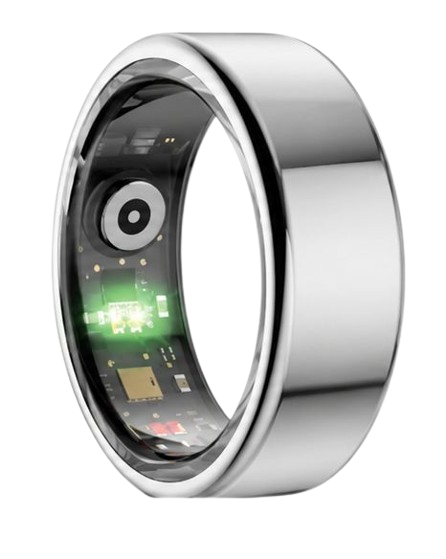
Ready to monitor your health every day? Explore the Herz P1 Smart Ring and see if it fits your lifestyle. Call: 1-866-479-1629 — our team can help you advise on the correct ring size and set personalized health goals.
Note: Individual results may vary depending on individual health conditions, age, and lifestyle habits. This article is intended for general health reference purposes only.
