

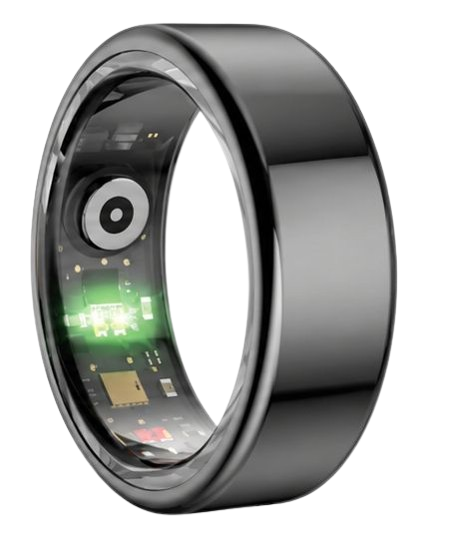
If you are trying to optimize your athletic performance, you might wonder does-creatine-spike-blood-sugar and affect your daily metabolic health. Many active individuals worry that workout supplements disrupt glucose control or produce alarming kidney markers during routine clinical blood tests. We designed this comprehensive guide to examine scientific evidence, address safety concerns for diabetic lifters, and show how the Herz P1 Smart Ring helps you monitor physical strain, overnight stress indicators, and total metabolic stability around the clock.
Built to Last. Save Up to 69% Today.
The Herz P1 Smart Ring tracks HRV, Sleep, Heart Rate & SpO2 around the clock. No subscriptions. No renewals. Ever.
In This Article
- The Direct Impact: How pure creatine interacts with systemic glucose absorption.
- Creatine vs. Creatinine: Distinguishing between cellular fuel and the biological waste product.
- Diabetic Considerations: The critical safety protocols for combining supplements with insulin control.
- Biometric Monitoring: Using advanced health trackers to evaluate metabolic recovery and autonomic stress.
Does Creatine Spike Blood Sugar? The Ultimate 5W2H Investigation

To understand how this compound behaves, we must analyze its molecular properties and physiological pathway.
Pure creatine monohydrate is a nitrogenous organic acid that contains absolutely no carbohydrates.
Because it lacks sugar, taking the powder on its own cannot cause an immediate elevation in your glycemic levels.
We need to look closely at who is taking this supplement, how they consume it, and why certain clinical markers shift.
Many athletes consume their daily dose alongside high-glycemic juices or dextrose recovery powders to maximize muscle retention.
This carbohydrate co-ingestion is the true culprit behind any sudden post-workout glucose elevations you might experience.
When looking at the timing, these metabolic changes happen within thirty to sixty minutes after drinking a sugary recovery mix.
Physiologically, these events take place inside your skeletal muscle tissues where glucose transporter proteins (GLUT4) move to the cell surface.
Research shows that creatine actually enhances glucose disposal from the bloodstream, helping to clear sugars faster during recovery.
The biochemical mechanism relies on increased AMPK signaling pathways, which directly assist insulin sensitivity over time.
Quantitative clinical data suggests that standard daily doses of three to five grams do not raise fasting glycemic levels in healthy adults.
In fact, long-term studies reveal slight improvements in HbA1c levels when individuals combine consistent supplementation with structured resistance training.
For those managing complex metabolic conditions, monitoring these biometric trends is crucial for daily safety.
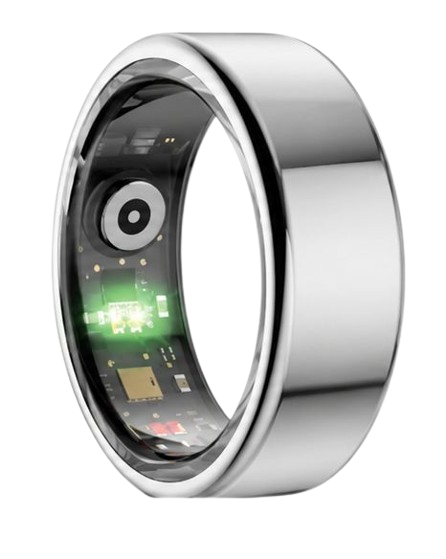
If you want to track this in real time, the Herz P1 Smart Ring monitors sleep cycles, heart rate variability, and stress recovery 24/7 — explore it here.
90-Day 100% Money-Back Guarantee
“The Herz Smart Ring helps me manage stress easily. It’s accurate, stylish, and lightweight—perfect for my busy life!”
— Jennifer P. | ✔ Verified Customer
- ✓ 6-Day Battery Life
- ✓ Detailed Sleep Analysis
- ✓ Fast 1-Hour Charging
- ✓ iOS & Android Ready
Questions? Call: 1-866-479-1629
Creatine and Diabetes: How Oral Monohydrate Alters Insulin Pathways

When exploring the biological mechanisms, we must evaluate if this supplement changes endocrine patterns.
Many users want to know: does-creatine-raise-insulin-levels during daily use?
Under normal circumstances, pure powder ingestion does not trigger an acute pancreatic insulin release.
However, long-term cellular adaptation actually enhances the muscle cells’ overall sensitivity to circulating insulin.
This biological change occurs because intramuscular creatine accumulation draws water directly into the sarcoplasm.
This cellular swelling acts as an anabolic signal, which helps trigger improved protein synthesis.
Simultaneously, it encourages GLUT4 glucose transporters to relocate to the cell membrane more efficiently.
For individuals with type 2 diabetes, this cellular shift can be highly beneficial for systemic management.
By increasing non-insulin-mediated glucose uptake, the supplement helps clear excess sugars during exercise.
Clinical trials suggest that combining workout powders with physical training improves glycemic control significantly.
You must always remember that this benefit depends heavily on avoiding high-glycemic additives.
If you purchase a pre-workout blend loaded with sucrose or maltodextrin, your glucose will rise rapidly.
Always verify your product labels to ensure you consume pure monohydrate without hidden sweeteners.
To keep an eye on how these physiological shifts impact your body’s recovery state, you need daily insights.
Using a smart biometric tracker allows you to observe how daily supplementation affects systemic stress indicators.
Knowing what is metabolic health can help you connect the dots between training load and daily recovery scores.
Understanding the Creatinine and Blood Sugar Relationship in Medical Labs

A major source of confusion among active individuals is the close link between creatinine levels and blood sugar.
When you consume any creatine supplement, your body naturally breaks down a small percentage into creatinine.
Creatinine is a natural metabolic waste product that your kidneys continuously filter from the bloodstream.
If you take a daily dose, your blood creatinine levels will often show a mild, non-hazardous increase.
This elevation can show up as a false indicator on routine metabolic panels used to estimate kidney health.
Doctors often look at creatinine values to calculate your Glomerular Filtration Rate (GFR) and detect potential dysfunction.
For diabetic individuals, kidney health is an incredibly sensitive area that requires close medical monitoring.
Diabetic nephropathy is a serious complication, so doctors track these specific lab markers with extreme care.
If a doctor sees elevated creatinine, they might assume your kidney function is declining due to diabetes.
However, if you take workout supplements, this elevated marker is simply a byproduct of increased muscle storage.
It is crucial to inform your healthcare provider about your supplementation habits before taking any blood panel.
They can order alternative assessments, like a Cystatin C test, to get an accurate reading of kidney filtration.
Understanding this biological relationship protects you from unnecessary medical anxiety and misdiagnoses.
Maintaining a high level of metabolic fitness means looking at multiple parameters, from kidney markers to sleep indicators.
With the Herz P1 Smart Ring, you can cross-reference physical fatigue levels with continuous overnight recovery metrics.
Practical Guide: Monitoring Your Biomarkers and Supplement Habits
To safely navigate your fitness journey, you need an organized strategy for tracking daily wellness data.
We recommend starting with a structured routine to observe how your body processes both fuel and stress.
First, choose a pure creatine monohydrate powder to avoid any artificial glycemic triggers or active additives.
Take a consistent daily dose of three to five grams rather than engaging in high-dose loading protocols.
Loading phases often involve twenty grams daily, which can lead to mild digestive distress and elevated waste markers.
Second, stay highly hydrated to help your kidneys flush metabolic byproducts like creatinine smoothly.
Aim for at least three to four liters of pure water daily to support intramuscular volume expansion.
Third, use advanced tracking tools to observe how physical training and supplement routines affect your rest.
Your body’s overnight autonomic activity reveals how well you are adapting to new muscle building protocols.
If your body is under stress from dehydration or overtraining, your overnight heart rate variability will decrease.
You can monitor these changes easily with a lightweight smart ring that requires zero monthly subscription fees.
Many users notice overnight-glucose-spikes when they consume heavy carbohydrate recovery meals too close to bedtime.
Tracking these patterns helps you optimize your meal timing and keep your metabolism balanced through the night.
Using specialized glucose smart rings or continuous tracking setups helps you understand your body’s personal biochemical limits.
Let us look at a comprehensive comparison of different biometric tracking options for daily wellness monitoring.
| Biometric Feature | Herz P1 Smart Ring | Traditional Smartwatch | Basic Glucose Band |
|---|---|---|---|
| Monthly App Fees | $0 (Free App Lifetime) | Varies ($6 – $15/month) | Often requires continuous subscription |
| Comfort & Sleep Wear | Exceptional (Ultra-lightweight) | Bulky (Prone to wrist irritation) | Moderate (Adhesive sensor required) |
| Battery Performance | 6 Days (1-hour fast charge) | 1 – 2 Days (Requires daily charge) | 10 – 14 Days (Disposable sensor) |
| Continuous HRV Monitoring | Yes (Tracks physical stress) | Yes (High battery drain) | No (Focuses only on glucose tracking) |
| Waterproof Rating | IP68 (Up to 164 feet deep) | Varies (Often water-resistant only) | Limited (Adhesive degrades in hot water) |
Choosing a non-intrusive smart ring ensures you get reliable data without the burden of constant smartwatch charging.
The military-grade steel construction of the Herz P1 provides lasting durability through your toughest lifting sessions.
Overcoming Common Supplementation Risks and Tracking Mistakes
Many athletes make the mistake of relying on low-quality pre-workout formulations for their daily creatine dose.
These complex blends often contain hidden sugars, high caffeine doses, and unregulated synthetic stimulants.
Excessive caffeine intake can elevate cortisol levels, which directly raises systemic blood sugar through gluconeogenesis.
To avoid this, buy pure monohydrate powder and mix it yourself with water or low-glycemic beverages.
Another frequent error is neglecting to drink extra fluids during the first few weeks of starting your supplement.
Without sufficient water, you may experience mild muscle cramping, headaches, and elevated blood creatinine concentration.
Always drink a full glass of water with your supplement to ensure optimal cellular hydration and renal clearance.
We also see many fitness enthusiasts wearing bulky, uncomfortable smartwatches to bed to track their physical recovery.
These large wrist devices often disrupt natural sleep architecture, causing light sleep patterns and frequent micro-arousals.
Poor sleep directly impairs insulin sensitivity the following morning, creating artificial glycemic fluctuations in your body.
Switching to a lightweight smart ring removes this discomfort and improves the accuracy of your sleep stage monitoring.
The Herz P1 App tracks deep sleep, REM sleep, and sleep fragmentation trends with no ongoing subscription costs.
Frequently Asked Questions (FAQ)
Yes, the Herz P1 is fully IP68 waterproof and rated for submersion up to 164 feet deep, making it safe for swimming, showering, and handwashing.
The advanced lithium battery lasts up to 6 days on a single charge, and it recharges fully in under 1 hour using the magnetic charger.
We recommend wearing the smart ring on your index, middle, or ring finger for the most accurate optical sensor readings.
Yes, the ring has 7 days of local storage, meaning it will save all your health metrics even when disconnected from your phone’s Bluetooth.
Yes, because it raises blood creatinine levels, a standard GFR test may show a false indicator of mild kidney stress when your kidneys are healthy.
Conclusion
Pure creatine monohydrate is a safe, highly effective compound that does not spike your blood sugar levels.
By understanding how it alters muscle hydration and temporary waste markers, you can supplement with complete confidence.
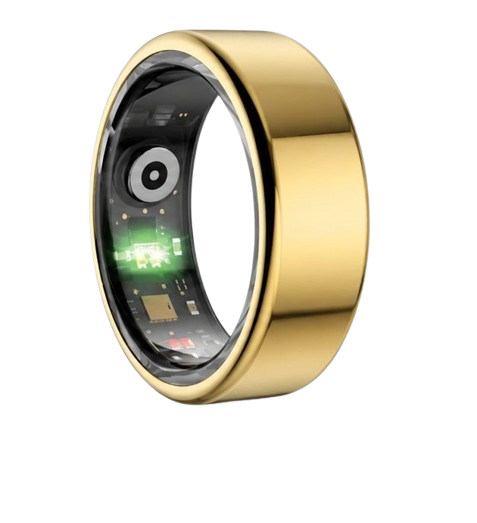
Ready to monitor your health every day? Explore the Herz P1 Smart Ring and see if it fits your lifestyle. Call: 1-866-479-1629 — our team can help you advise on the correct ring size and set personalized health goals.
Note: Individual results may vary depending on individual health conditions, age, and lifestyle habits. This article is intended for general health reference purposes only.
