

Many health-conscious individuals ask, is papaya high in sugar, when trying to balance their daily nutrient intake and maintain steady energy levels. Our team at Herz P1 designed this comprehensive guide to help you decode how this tropical fruit affects your body’s metabolic trends. By understanding how the glycemic index and fiber content interact, you can optimize your diet and support your long-term wellness goals. Let us look deep into the clinical facts about papaya, sugar levels, and metabolic health.
Built to Last. Save Up to 69% Today.
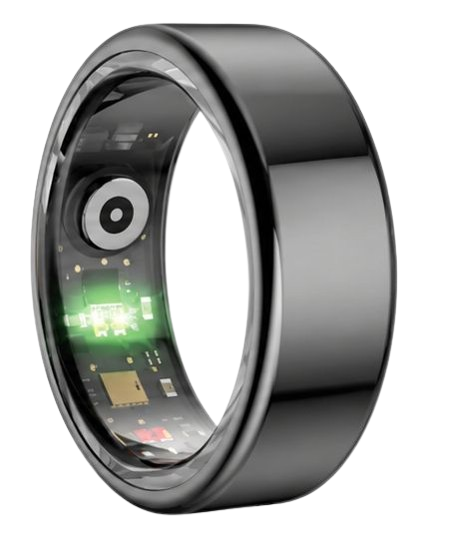
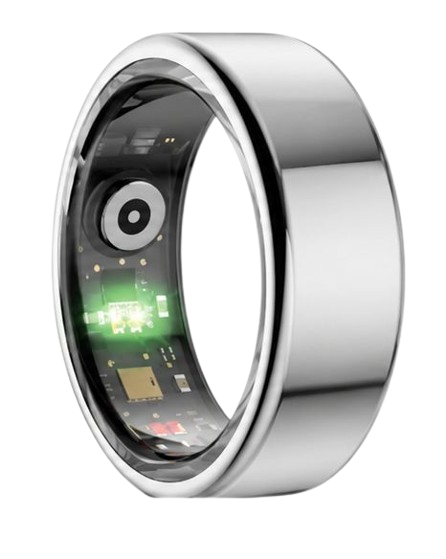
The Herz P1 Smart Ring tracks HRV, Sleep, Heart Rate & SpO2 around the clock. No subscriptions. No renewals. Ever.
In This Article
- Section 1: The scientific reality of papaya’s sugar content and glycemic profile.
- Section 2: How glycemic index and glycemic load determine your daily glucose balance.
- Section 3: The physiological impact of papaya on blood sugar levels and metabolic health.
- Section 4: Practical integration strategies, lifestyle adjustments, and portion control guidelines.
- Section 5: Overcoming tracking errors and maximizing your metabolic data with the Herz P1 Smart Ring.
Is Papaya High in Sugar? Here is What the Science Reveals

To understand the nutritional impact of tropical fruits, we must look beyond simple classification systems.
Papaya is a vibrant, nutrient-dense fruit loved for its rich flavor and refreshing taste.
When asking if papaya is high in sugar, the answer requires analyzing specific macronutrient ratios.
A single cup of cubed, raw papaya contains approximately 11 grams of total sugar.
This volume is significantly lower than many other popular tropical varieties like mangoes, bananas, or sweet cherries.
The primary carbohydrates in papaya consist of a natural mixture of fructose, glucose, and sucrose.
Your digestive tract processes these simple sugars at varying rates depending on the presence of dietary fiber.
Papaya provides roughly 2.5 grams of dietary fiber per cup, which helps slow the rate of gastric emptying.
This natural barrier prevents the immediate absorption of simple carbohydrates into your bloodstream.
Additionally, papaya is renowned for containing papain, a powerful digestive enzyme that aids in protein breakdown.
For individuals tracking what is metabolic health, this fruit represents a highly functional food option.
The presence of essential vitamins, particularly vitamin C and vitamin A, further enhances its biological value.
Your cardiovascular system benefits from the abundance of natural antioxidants, such as lycopene and beta-carotene.
These compounds reduce systemic oxidative stress, which is a major contributor to insulin resistance.
Consequently, papaya does not act as a high-sugar disruptor when consumed in standard whole-food portions.
Instead, its balanced nutrient profile makes it an exceptionally supportive addition to a health-conscious lifestyle.
If you want to track this metabolic response in real time, the Herz P1 Smart Ring monitors your heart rate variability and sleep recovery 24/7 — explore it here.
90-Day 100% Money-Back Guarantee
“The Herz Smart Ring helps me manage stress easily. It’s accurate, stylish, and lightweight—perfect for my busy life!”
— Jennifer P. | ✔ Verified Customer
- ✓ 6-Day Battery Life
- ✓ Detailed Sleep Analysis
- ✓ Fast 1-Hour Charging
- ✓ iOS & Android Ready
Questions? Call: 1-866-479-1629
Understanding Papaya Glycemic Index and Glycemic Load Profiles

When evaluating how any food item influences your glucose levels, you must examine both the glycemic index and glycemic load.
The papaya glycemic index is typically reported at approximately 60, placing it in the medium category.
This numeric value indicates how quickly the carbohydrates are broken down and introduced as glucose into your bloodstream.
However, focusing exclusively on the glycemic index can lead to an incomplete understanding of metabolic impact.
The papaya glycemic load provides a much more accurate representation of how a standard serving size behaves in your body.
Because papaya is naturally composed of roughly 88 percent water, its actual density of digestible carbohydrates is quite low.
A typical 100-gram serving of raw papaya yields a glycemic load score of only 4.6, which falls squarely in the low category.
This means that under normal circumstances, a moderate portion will not cause a sudden surge in insulin demand.
To put this in perspective, let us compare papaya to other popular sweet choices you might regularly consider.
Many individuals curious about dietary fruit sugar often ask, are plums high in sugar, and how do they compare?
Plums actually feature a lower glycemic index of around 40, though their water-to-fiber ratio differs.
Similarly, people often wonder is cantaloupe good for a diabetic when planning a colorful morning plate.
Cantaloupe carries a slightly higher glycemic index of about 65, yet its glycemic load remains low due to water content.
Furthermore, evaluating whether is honeydew good for diabetics reveals similar biochemical behavior.
These melons show that high water content acts as a natural buffer against severe postprandial glucose excursions.
By assessing both glycemic parameters, you can make highly informed choices that prevent metabolic fatigue.
How Papaya Affects Your Body’s Overnight and Daily Glucose Spikes

The phrase does papaya raise blood sugar is a common question among those diagnosed with insulin resistance or prediabetes.
The clinical answer depends on portion sizes, eating patterns, and individual autonomic nervous system responses.
When you consume papaya, your digestive tract converts its complex structures into simple monosaccharides.
The pancreas responds by releasing an appropriate dose of insulin to facilitate cellular glucose uptake.
In a healthy individual, this mechanism operates smoothly, returning systemic glucose to baseline levels within two hours.
However, if your body experiences elevated physiological stress, this metabolic clearance rate can become sluggish.
Your heart rate variability, or HRV, is a direct reflection of your autonomic nervous system’s current state.
When you are highly stressed, your sympathetic nervous system increases hepatic glucose output.
Eating even moderate-sugar fruits during these periods can exacerbate transient glycemic excursions.
This is especially true during the late-evening hours when your cellular insulin sensitivity naturally declines.
Consuming high-carbohydrate snacks before bed is a primary driver of unwanted overnight-glucose-spikes.
These nighttime spikes can disrupt your deep sleep stages, leading to morning fatigue and elevated resting heart rates.
By tracking your biometric trends with a precise wearable, you can see how your body recovers after certain meals.
The Herz P1 Smart Ring monitors these subtle physiological changes without requiring uncomfortable chest straps or bulky wristbands.
Maintaining a balanced glycemic profile throughout the day supports your nervous system’s capacity to manage stress.
This holistic view of nutrition and biometric trends is essential for achieving long-term vitality.
Managing Your Glycemic Response and Metabolic Fitness with Tropical Fruits
Improving your overall metabolic fitness is a dynamic process that involves lifestyle adjustments and smart eating habits.
You do not need to eliminate delicious tropical fruits like papaya from your dietary rotation.
Instead, you can utilize simple culinary strategies to minimize any potential glycemic impact.
One highly effective method is pairing your fruit with a source of healthy fat or clean protein.
For example, enjoying papaya slices alongside raw almonds or unsweetened Greek yogurt slows down digestion.
This combination slows carbohydrate absorption, resulting in a flatter, more stable post-meal glucose curve.
Another crucial factor is the timing of your fruit consumption relative to physical movement.
Eating papaya shortly before or after a brisk walk allows your skeletal muscles to absorb glucose directly.
This muscle-mediated glucose uptake occurs independently of insulin, reducing the workload on your pancreas.
Portion control remains an indispensable pillar of glycemic management.
A standard serving of one cup of cubed papaya is typically well-tolerated by most individuals.
Avoiding processed papaya juices or dried papaya products is highly recommended, as they lack beneficial dietary fiber.
These processed options concentrate the natural sugars, leading to much faster absorption and higher glycemic loads.
By adopting these mindful practices, you can enjoy the wonderful taste of papaya while protecting your metabolic health.
Common Pitfalls in Diet Tracking and Biometric Optimization
Many individuals try to optimize their health by wearing smartwatches to monitor their sleep and recovery levels.
However, wearing a bulky, heavy smartwatch to bed often causes physical discomfort and sleep disruption.
These large wrist-worn devices can easily press against your skin or snag on blankets as you roll over.
This physical irritation can artificially inflate your overnight stress levels and disturb fragile REM cycles.
Furthermore, many popular health trackers on the market require expensive monthly app subscription fees to view your own data.
These recurring costs can build up over time, turning a helpful wellness tool into a financial burden.
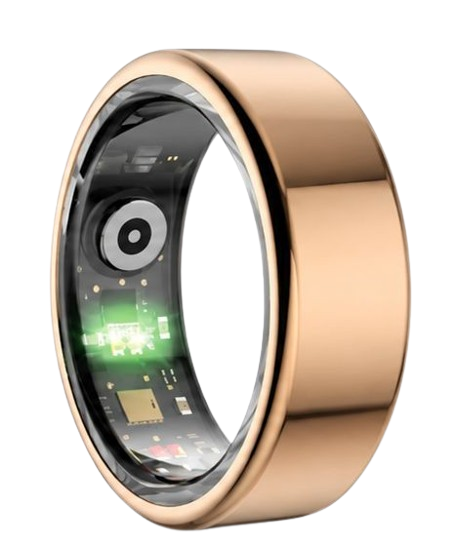
The Herz P1 Smart Ring solves these common issues by offering a sleek, lightweight alternative made of military-grade steel.
It sits comfortably on your finger, allowing your hand to rest naturally throughout the night.
Most importantly, the Herz P1 companion app is completely free for lifetime use with zero subscription fees.
You can access all of your detailed sleep staging, HRV tracking, and recovery metrics without any hidden costs.
This transparent model ensures that you always have full ownership of your personal health data.
By eliminating these barriers, the Herz P1 helps you focus entirely on building healthy, sustainable lifestyle habits.
Frequently Asked Questions About Metabolic Responses and the Herz P1 Smart Ring
Is the Herz P1 Smart Ring fully waterproof for daily activities?
Yes, the Herz P1 Smart Ring features an advanced IP68 waterproof rating, certifying it for continuous submersion up to 164 feet.
You can confidently wear it while washing your hands, showering, swimming laps, or doing dishes without worrying about sensor damage.
The seamless outer ring body prevents water from reaching the delicate internal PPG optical sensors.
How long does the battery last, and how long does it take to charge?
The Herz P1 Smart Ring delivers a highly efficient 6-day battery life on a single charge under continuous tracking conditions.
When the battery runs low, you can fully recharge the device in under 1 hour using the included magnetic charging dock.
This rapid charging capability minimizes tracking gaps so you never miss critical metabolic recovery data.
Which finger is the best choice for wearing the Herz P1?
We recommend wearing the smart ring on your index, middle, or ring finger for the most accurate biometric readings.
These fingers have optimal blood vessel density near the skin surface, allowing the optical sensors to capture clear pulse signals.
Ensure the inner sensor bumps sit snugly against the palm-side base of your chosen finger.
Does the smart ring store my health data when my phone is offline?
Yes, the Herz P1 features built-in local storage that securely saves up to 7 days of continuous biometric data offline.
You do not need to keep your smartphone nearby or connected via Bluetooth during workouts or while you sleep.
Once you open the companion app, the ring will automatically sync all stored health trends to your personal dashboard.
Conclusion
Understanding the glycemic index and sugar content of papaya empowers you to enjoy this delicious tropical fruit while maintaining healthy blood sugar balance.
By pairing it with healthy proteins and monitoring your body’s stress signals, you can easily optimize your daily diet and long-term metabolic health.
Ready to monitor your health every day? Explore the Herz P1 Smart Ring and see if it fits your lifestyle. Call: 1-866-479-1629 — our team can help you advise on the correct ring size and set personalized health goals.
Note: Individual results may vary depending on individual health conditions, age, and lifestyle habits. This article is intended for general health reference purposes only.
