

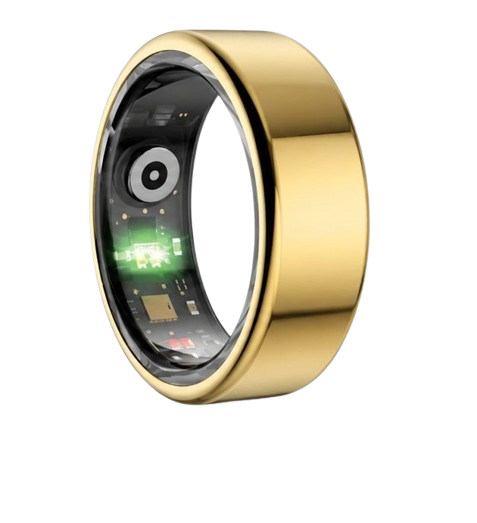
If you regularly ask yourself why do i wake up tired even after eight hours in bed, the culprit might be overnight oral respiration, which is why millions of people are turning to mouth taping for sleep to enforce nasal breathing and stabilize blood oxygen levels. By pairing this dynamic biohack with the subscription-free Herz P1 Smart Ring, you can accurately track overnight SpO2 trends to ensure your airway remains perfectly clear during sleep.
Built to Last. Save Up to 69% Today.
The Herz P1 Smart Ring tracks HRV, Sleep, Heart Rate & SpO2 around the clock. No subscriptions. No renewals. Ever.
In This Article
- The Safe Mouth Taping Protocol: A step-by-step masterclass on how to safely begin tape applications without triggering nocturnal anxiety.
- SpO2 Biometrics and Nasal Pathways: How oxygen saturation monitoring acts as your early warning system during sleep experimentations.
- Orthodontic Truths and Jawline Myths: The physiological reality of oral posture and its direct relationship to facial anatomy.
- Data-Driven Sleep Insights: Utilizing sleep rings to cross-reference heart rate variability with respiratory trends.
How to Safe-Start Mouth Taping for Sleep: A Step-by-Step Biometric Guide
Prerequisites / What You’ll Need
Before you begin the physical application, you must gather specialized materials that guarantee safety and comfort throughout the night.
You will need hypoallergenic surgical paper tape or designated clinical sleep mouth strips.
Never use industrial, plastic, or high-adhesion household tapes as they can damage skin and prevent emergency opening.
Additionally, you must have a reliable continuous oximetry device, such as the Herz P1 Smart Ring, to track your blood oxygen metrics during the experiment.
-
Step 1: Perform a Skin Sensitivity and Adhesive Patch Test
Do not apply any medical tape to your lips without testing your skin response first.
Apply a small square of your chosen hypoallergenic paper tape to the inside of your forearm for thirty minutes.
Remove the tape carefully and inspect the skin for signs of contact dermatitis, hives, or swelling.
If your skin exhibits zero redness or irritation, the adhesive is safe to use on your facial tissue.
-
Step 2: Cleanse and Fully Dry Your Perioral Facial Area
Wash your face thoroughly with a mild cleanser to strip away sweat, natural sebum, and cellular debris.
Avoid applying heavy overnight facial moisturizers, petroleum jelly, or lip balms around your mouth before taping.
Excessive moisture or oily residues will prevent the tape from forming a consistent, stable seal overnight.
Pat your skin dry with a clean cotton towel and wait five minutes for all moisture to evaporate completely.
-
Step 3: Practice Daytime Tolerance Training Before Sleeping
It is crucial to overcome the psychological sensation of restricted breathing while you are completely conscious.
Apply a vertical strip of tape over your lips during the afternoon while reading or working on a computer.
Keep the tape in place for twenty to thirty minutes while focusing entirely on slow, deep nasal inhalations.
If you feel panic or a sudden urge to gasp, remove the tape immediately and repeat the exercise tomorrow.
-
Step 4: Execute the Vertical Alignment Tape Placement
Gently bring your lips together into a natural, unstressed resting posture without tucking them inward.
Cut a strip of medical tape approximately two inches long and apply it vertically over the center of your closed mouth.
This vertical alignment covers the midpoint while keeping the corners of your mouth free for emergency respiration.
Never apply tape horizontally across your entire mouth until you have built up weeks of successful nasal sleeping.
-
Step 5: Activate Your Continuous Sleep Tracking Ring
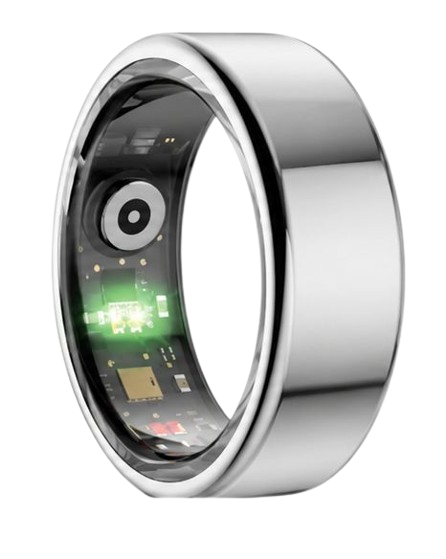
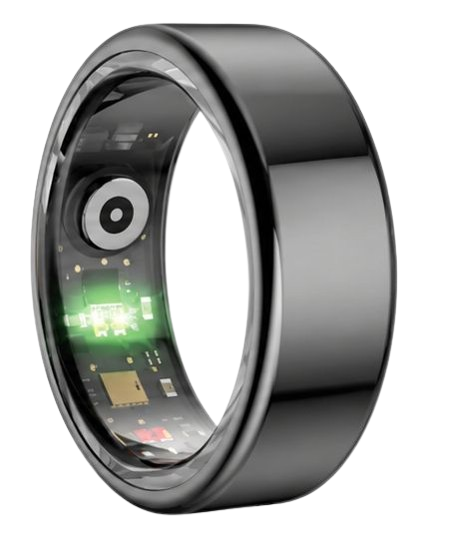
Slip your Herz P1 Smart Ring onto your chosen finger and ensure the dual optical sensor nodules sit snugly on the palm side.
Open the companion application to confirm your live biometric connection is actively reading your resting pulse and SpO2 levels.
Ensure the battery level is sufficiently charged to sustain continuous overnight infrared sensor tracking.
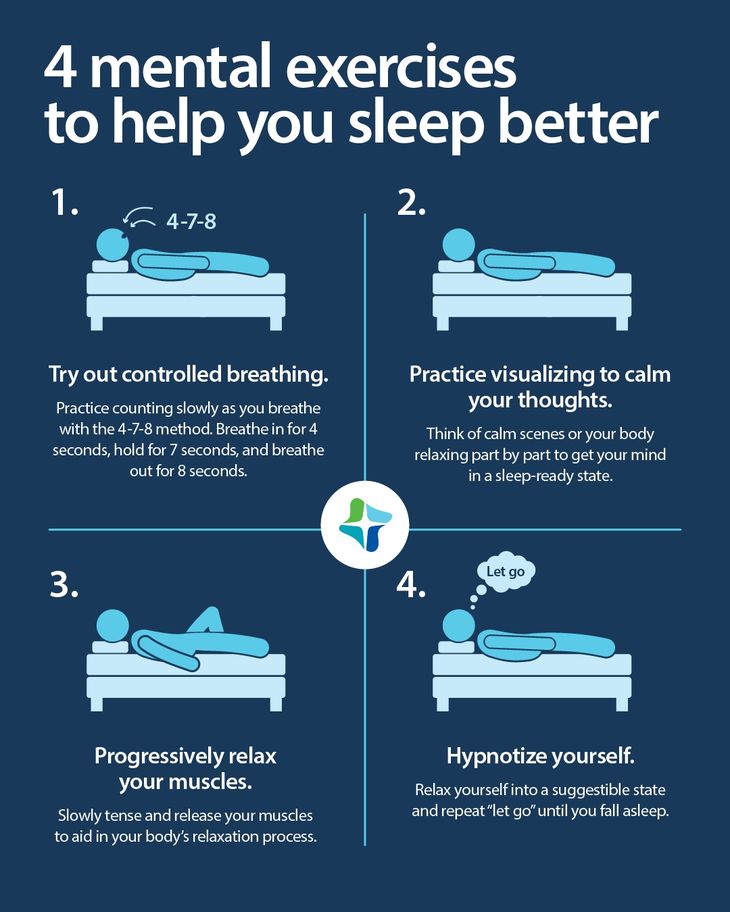
Climb into bed and proceed with your standard, relaxing wind-down routine while breathing entirely through your nose.
-
Step 6: Safely Peel and Remove the Strip Upon Waking
Avoid ripping the tape off your face rapidly in the morning, which can tear the delicate epidermal layer of the lips.
Gently moisten the taped area with warm water or dab it with a small amount of facial oil to dissolve the adhesive.
Slowly peel the strip from the top edge downward while stabilizing your skin with your free fingers.
Apply a thin layer of natural lip balm to soothe the skin and protect the barrier from dry morning air.
Seamless Biometric Integration with Herz P1
To successfully integrate this breathing technique into your wellness protocol, empirical feedback is absolutely vital.
The Herz P1 Smart Ring works automatically as you rest, using clinical-grade optical sensors to map your heart rate variability and SpO2 levels.
By reviewing your dashboard in the morning, you can instantly determine whether closed-mouth resting is optimizing your oxygen metrics or introducing physiological stress.
90-Day 100% Money-Back Guarantee
“The Herz Smart Ring helps me manage stress easily. It’s accurate, stylish, and lightweight—perfect for my busy life!”
— Jennifer P. | ✔ Verified Customer
- ✓ 6-Day Battery Life
- ✓ Detailed Sleep Analysis
- ✓ Fast 1-Hour Charging
- ✓ iOS & Android Ready
Questions? Call: 1-866-479-1629
The Physiology of Nasal Respiration and Oxygen Saturation Tracking

To understand why mouth taping is transforming rest practices, one must examine the cardiopulmonary benefits of nasal breathing.
Breathing through your nose increases nitric oxide production in your sinuses, which dilates blood vessels and improves oxygen transport efficiency throughout your pulmonary system.
According to research from the National Sleep Foundation, oral breathing leads to collapse of the upper airway, resulting in snoring and micro-arousals.
When these micro-arousals occur, they directly disrupt your circadian sleep wake cycle, leaving you feeling exhausted regardless of time spent in bed.
If you consistently find yourself wondering why do i wake up at 3am with a dry mouth and racing pulse, subclinical oxygen drops may be triggering a fight-or-flight survival response.
By shifting to nose breathing, you stabilize your upper airway structure, which helps mitigate rapid oxygen desaturations.
The continuous SpO2 monitor in your Herz P1 ring operates by sending alternating wavelengths of red and infrared light through the vascular beds of your finger.
Oxygenated blood absorbs more infrared light, while deoxygenated blood absorbs more red light, allowing the built-in sensor to calculate SpO2 with a margin of error under 2%.
Tracking this trend over several weeks allows you to observe whether your mean oxygen saturation remains above the critical 95% threshold during sleep.
If your graphs show sudden, steep drops beneath 90%, it serves as a biometric warning that your airway is encountering resistance despite your tape placement.
Mouth Tape Benefits Jawline and Facial Structure: Separating Myth From Anatomy
The viral rise of sleep mouth taping on digital platforms has fueled a massive debate regarding its aesthetic and anatomical outcomes.
A primary question circulating among health enthusiasts is: does sleeping with mouth tape help jawline definition?
To evaluate these cosmetic assertions, we must analyze how oral posture affects structural development over time.
When you breathe through your mouth, your jaw naturally drops downward and backward, which alters the resting tension of your facial muscles.
This chronic muscle elongation can lead to a slackened jaw appearance, dental crowding, and eventual changes in lower facial height.
Therefore, the structural mouth tape benefits jawline development by physically supporting a closed-mouth posture during your resting hours.
When your lips are sealed, your tongue is naturally guided to rest flat against the roof of your mouth, also known as the hard palate.
This proper tongue position provides internal support for your upper dental arch, which helps prevent narrow palate development and promotes horizontal facial projection.
While taping your mouth cannot magically reshape adult bones overnight, keeping your jaw closed preserves optimal resting muscle tone in your masseter and temporalis groups.
Thus, the structural benefits of mouth tape jawline preservation are primarily preventative and protective.
By eliminating mouth breathing, you avoid the structural recession of the mandible that typically accompanies long-term mouth breathing.
Furthermore, maintaining closed lips prevents the facial elongation and flat-cheeked appearance often referred to as “adenoid face” in clinical literature.
Reading Your Sleep Biometrics: Decoding Oxygen and Sleep Architecture Graphs
Monitoring the success of your nasal breathing protocol requires more than subjective feelings of morning alertness.
You must learn how to read sleep graphs to identify meaningful improvements in your overall sleep architecture.
Resting respiration patterns directly dictate the balance between your sympathetic and parasympathetic nervous systems during the night.
By reviewing your sleep ring charts, you can pinpoint the exact ratio of your deep sleep vs light sleep cycles.
Nasal breathing helps sustain steady parasympathetic dominance, which prolongs the duration of slow-wave sleep stages.
Slow-wave, or deep sleep, is the critical window where your body performs tissue repairs, cellular detoxification, and endocrine regulation.
If your sleep airway is unstable, your body will constantly pull you out of deep sleep to restore airway tone through brief wakefulness episodes.
Reviewing your sleep reports will reveal your average awake time during sleep, allowing you to track these occurrences.
A successful transition to nasal breathing should show a gradual reduction in nocturnal awakenings and micro-arousals.
Your SpO2 graphs should display a flat, stable line above 95%, free from the jagged dips that suggest oxygen desaturations.
| Biometric Parameter | Mouth Breathing (Unassisted) | Nasal Breathing (Mouth Taped) |
|---|---|---|
| Average Sleep SpO2 | 91% – 94% (Fluctuating) | 96% – 99% (Stable) |
| Nocturnal Micro-Arousals | 8 – 15 episodes per night | 2 – 4 episodes per night |
| Deep Sleep Percentage | 10% – 14% of total rest | 18% – 23% of total rest |
| HRV Stress Index | Moderate to High (Sympathetic) | Low (Parasympathetic recovery) |
Overcoming Sizing Mistakes, Device Bulkishness, and Subscription Fees
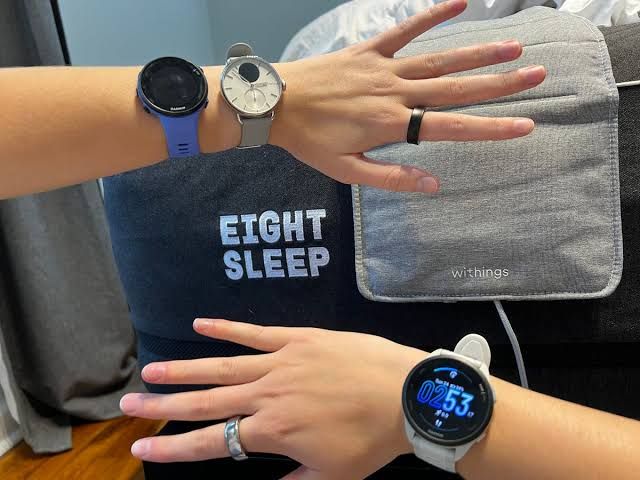
Many individuals eager to track their wellness metrics make the mistake of wearing a bulky, heavy smartwatch to bed.
Large wrist-worn monitors frequently shift during sleep, causing optical sensor misalignment that produces inaccurate blood oxygen readings.
Furthermore, the physical size and bright display of smartwatches can wake you up when you turn over, introducing unnecessary sleep fragmentation.
The lightweight, sleek form factor of the Herz P1 Smart Ring solves this comfort issue, resting unobtrusively on your finger all night.
Another major frustration in the consumer wearable market is the hidden cost of ongoing monthly app subscription fees.
Many premium wellness trackers lock your personal biometric charts behind paywalls, charging expensive monthly renewals to view your own data.
The Herz P1 Smart Ring rejects this predatory business model, providing a lifetime-free companion application with no subscriptions required.
You receive full, unrestricted access to your sleep stage analysis, heart rate variability metrics, and SpO2 trends forever.
Additionally, users must avoid sizing errors by using the professional sizing kit to ensure a snug but comfortable fit.
A ring that is too loose will rotate during the night, causing the optical sensor nodules to lose contact with your finger capillary beds.
Frequently Asked Questions
Empower Your Recovery Journey
Nasal breathing and continuous biometric tracking are powerful tools for optimizing your sleep structure.
The Herz P1 Smart Ring provides the precise, subscription-free health insights you need to monitor your recovery safely every single night.
Ready to monitor your health every day? Explore the Herz P1 Smart Ring and see if it fits your lifestyle. Call: 1-866-479-1629 — our team can help you advise on the correct ring size and set personalized health goals.
