

Navigating the complex world of sleep procrastination adhd can feel like an endless battle against your own brain waves every night. The Herz P1 smart ring offers a reliable way to monitor these nocturnal habits and gain deep biological insights. This guide provides a clear pathway to decode your body signals and build a bedtime routine that actually works for your unique neurotype.
Built to Last. Save Up to 69% Today.
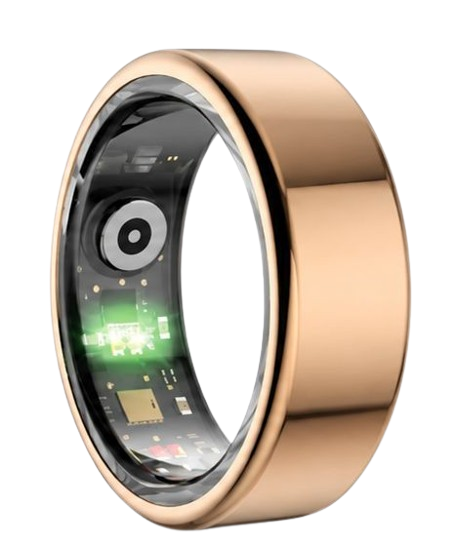
The Herz P1 Smart Ring tracks HRV, Sleep, Heart Rate & SpO2 around the clock. No subscriptions. No renewals. Ever.
In This Article
- The Neurochemical Spark: Why ADHD minds delay sleep to seek dopamine.
- A Step-by-Step Blueprint: An actionable evening ritual built specifically for neurodivergent brains.
- Biometric Truths: How tracking metrics like HRV and SpO2 cuts through the guesswork.
- Practical Science: Strategies to overcome common sleep routine failure points permanently.
How to Stop ADHD Sleep Procrastination: A Step-by-Step Recovery Guide
Prerequisites and Initial Settings
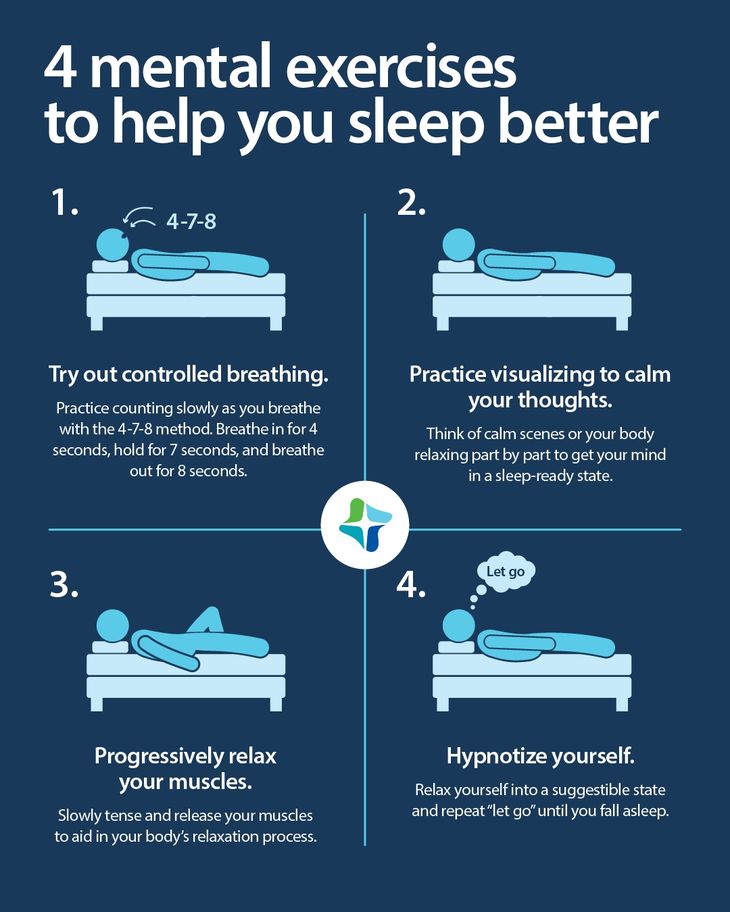
To break the cycle of bedtime delay, you must first accept that standard sleep advice rarely works for an ADHD brain.
You do not need more willpower; instead, you need a system that reduces friction and works with your brain’s natural pathways.
Before beginning, locate a notebook for writing, set up a low-stimulation transition alarm, and ensure you have a comfortable passive tracker to log your progress.
-
Step 1: Set a Reverse Wind-Down Alarm
Configure a dedicated alarm to sound exactly one hour before your intended sleep window.
This alert does not mean you must immediately turn off all the lights or jump into bed.
Instead, it serves as a gentle transition cue to signal that the active, high-demand phase of your day is ending.
Use a soft, non-startling sound like acoustic music or gentle chimes to prevent triggering a defense response in your nervous system.
-
Step 2: Clear Cognitive Clutter with a Brain Dump
Keep a physical notepad on your bedside table or workspace to capture lingering thoughts.
Write down every single lingering task, creative idea, or anxiety that is bouncing around your mind.
ADHD minds often procrastinate on sleep because they fear forgetting vital details by morning.
By externalizing your working memory onto paper, you signal to your prefrontal cortex that it is safe to down-regulate.
-
Step 3: Swap High-Dopamine Screens for Low-Stimulation Bridges
Power down video games, social media feeds, and highly interactive work projects immediately after your alarm.
These activities trigger rapid dopamine releases that trick your brain into believing it is still daytime.
Replace these modern screens with low-stimulation alternatives like reading a physical book or listening to a calm podcast.
This allows your neurochemistry to transition smoothly into the circadian sleep wake cycle without sudden withdrawal symptoms.
-
Step 4: Leverage Temperature Shifts to Signal Sleep
Take a warm shower or wash your face with warm water to alter your internal body temperature.
The subsequent rapid drop in skin temperature mimics the natural cooling process that occurs before sleep onset.
This sensory drop serves as a powerful physical signal that helps trigger the release of natural melatonin.
Ensure your bedroom temperature is kept cool, ideally around 65 to 68 degrees Fahrenheit, to support this physiological transition.
-
Step 5: Utilize Passive, Screen-Free Tracking
Slide on your tracking device and let it collect your nighttime metrics without active phone interaction.
Checking your phone screen right before sleeping only restarts the cycle of delayed rest and digital distraction.
Passive monitoring allows you to collect accurate data on your average awake time during sleep without any conscious effort.
In the morning, this data will give you a clear, honest picture of your true sleep quality.
How the Herz P1 Smart Ring Reinforces Your Journey
Building a new routine is highly challenging, but the Herz P1 Smart Ring acts as an accountability partner that never sleeps.
Because it sits comfortably on your finger, it tracks your sleep metrics silently without annoying screen reminders or vibrations.
You can check your detailed sleep stages and baseline heart rate in the morning to see exactly how your wind-down habits improve your overall recovery.

90-Day 100% Money-Back Guarantee
“The Herz Smart Ring helps me manage stress easily. It’s accurate, stylish, and lightweight—perfect for my busy life!”
— Jennifer P. | ✔ Verified Customer
- ✓ 6-Day Battery Life
- ✓ Detailed Sleep Analysis
- ✓ Fast 1-Hour Charging
- ✓ iOS & Android Ready
Questions? Call: 1-866-479-1629
The Neurobiology of ADHD Bedtime Delay and Sleep Architecture

To truly understand why you stay up late, you must look closely at your brain’s natural neurochemistry.
People with ADHD naturally experience lower baseline levels of dopamine throughout the day.
When the quiet hours of the night arrive, the constant demands of the world finally fade away.
This creates a peaceful environment where your brain can finally seek the dopamine it was denied all day.
Researchers often refer to this phenomenon as revenge sleep procrastination.
It is not a sign of laziness; rather, it is a sub-conscious attempt to reclaim personal autonomy.
Furthermore, clinical studies from the National Sleep Foundation reveal that ADHD is frequently linked to a delayed circadian phase.
This means your biological clock may naturally release melatonin up to two hours later than average neurotypical clocks.
This delay explains why so many individuals wonder why do i wake up tired even after spending eight full hours resting in bed.
If you force your body to sleep before your biological melatonin window opens, your sleep architecture suffers.
You may end up tossing and turning for hours or asking yourself why do i wake up at 3am on a consistent basis.
This chronic lack of synchronization leads to a significant build-up of sleep debt over time.
Without clean sleep stages, you fail to get the deep neural recovery required to stay focused tomorrow.
What Your HRV and Oxygen Levels Reveal About Nighttime Restlessness
Your autonomic nervous system is divided into two primary pathways: the sympathetic and parasympathetic systems.
The sympathetic branch acts like an accelerator pedal, prepping your body for active stress or survival mode.
The parasympathetic branch works like a brake pedal, allowing your body to rest, digest, and recover.
Heart rate variability, or HRV, measures the tiny, millisecond fluctuations in timing between each consecutive heartbeat.
A high HRV score indicates that your parasympathetic system is strong and actively helping you recover.
Conversely, a low HRV score suggests that your body is stuck in a state of high stress or sympathetic drive.
Many individuals with ADHD experience elevated sympathetic activity right up until they climb into bed.
This biological state prevents your heart rate from dropping to its proper recovery baseline during the initial hours of the night.
Tracking your nocturnal HRV can show you exactly how long it takes your body to transition from stress to genuine relaxation.
In addition to HRV, monitoring your blood oxygen saturation, or SpO2, is vital for spotting underlying sleep challenges.
Mild dips in oxygen during the night can disrupt your sleep stages and cause unexplained nocturnal awakenings.
The American Heart Association notes that poor oxygenation throughout the night places a heavy burden on your cardiovascular system.
By measuring these fluctuations, you can spot trends and adjust your sleep position, room airflow, or wind-down rituals accordingly.
Understanding these biological markers is a crucial first step toward taking full control of your nocturnal health.
Optimizing Your ADHD Routine Using Smart Ring Insights
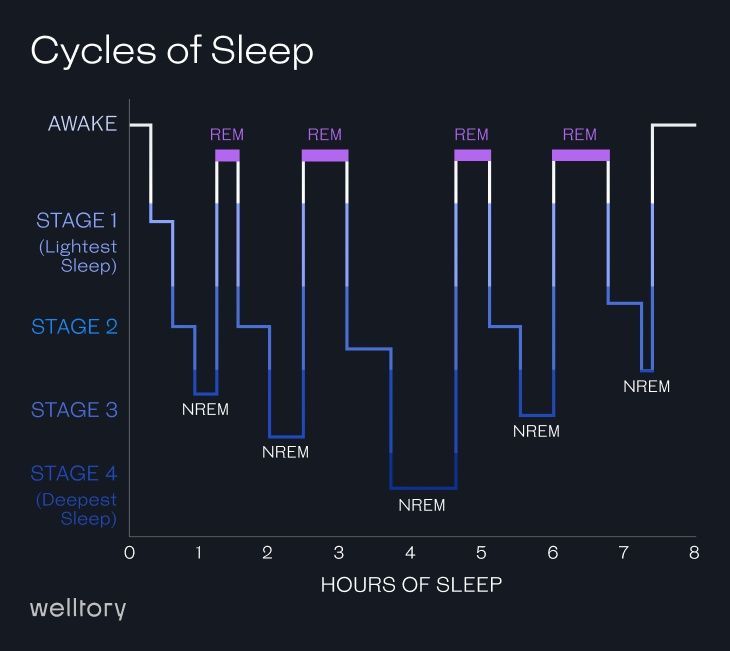
To make lasting changes, you need to learn how to read sleep graphs without getting overwhelmed by the numbers.
The Herz P1 App turns complex biometric data into a simple daily score designed for busy, active minds.
Instead of hyper-focusing on daily changes, look closely at your weekly averages to spot helpful trends.
For example, compare the days you performed a brain dump to the days you stayed on your phone past your wind-down alarm.
You will likely see a direct link between screen-free routines and improved deep sleep vs light sleep ratios.
Deep sleep is the crucial stage where your brain repairs muscles and cleans out cellular waste products.
Light sleep is equally important for memory integration and overall emotional regulation.
If your sleep data shows that you are waking up repeatedly, you can adjust your room’s temperature or sound levels.
The ultimate goal is to reduce overall stress around sleep, rather than creating a new source of performance anxiety.
The comfortable 3.5-gram design of the Herz P1 ensures you can collect accurate sleep data without feeling restricted.
This allows you to focus purely on feeling rested and alert throughout the day.
Smartwatches vs. Smart Rings: Finding the Best Tool for Sleep
Many people find that wearing a bulky, heavy smartwatch to bed actually disrupts their sleep.
The constant screen notifications, sudden vibrations, and heavy straps can easily wake a sensitive sleeper.
A smart ring offers a highly comfortable, lightweight alternative that is barely noticeable on your hand.
Furthermore, many premium smartwatches require daily charging, meaning they are often sitting on your nightstand when they should be tracking your sleep.
Another major frustration in the wearable market is the hidden cost of ongoing monthly subscriptions.
Some popular brands charge up to $70 a year just to access your own biometric data in their app.
The Herz P1 Smart Ring offers a refreshingly direct approach with zero monthly subscription fees.
You pay once for the hardware and get full lifetime access to all of your health metrics and app features.
This saves you money over time while ensuring your vital biometric data is never locked behind a paywall.
Crafted with military-grade steel and an IP68 waterproof rating, the Herz P1 is designed to withstand daily wear, heavy workouts, and handwashing with ease.
Frequently Asked Questions About Sleep and Smart Rings
Yes, the Herz P1 features a full IP68 waterproof rating, meaning it is certified for immersion up to 164 feet.
You can wear it safely while swimming, showering, washing dishes, or sweating heavily during workouts.
The seamless medical-grade steel construction ensures that water never damages the sensitive internal optical sensors.
The Herz P1 battery lasts up to 6 full days on a single charge under typical operating conditions.
It charges from empty to 100 percent in under one hour using the included magnetic charging dock.
This long battery life eliminates the daily charging anxiety associated with standard smartwatches.
The index, middle, and ring fingers of your non-dominant hand are the ideal choices for tracking accuracy.
The index finger generally provides the strongest pulse signal because it has larger blood vessels near the skin surface.
Ensure the ring fits snugly but comfortably without spinning too easily during daily hand movements.
Yes, the ring has built-in local memory that can store up to 7 days of detailed biometric data offline.
You do not need to keep your phone constantly connected via Bluetooth while you sleep or exercise.
The ring will automatically sync all stored data to your companion app the next time they are paired.
Conclusion: Reclaim Your Nights
Overcoming ADHD bedtime delay requires patience and the right passive tracking tools.
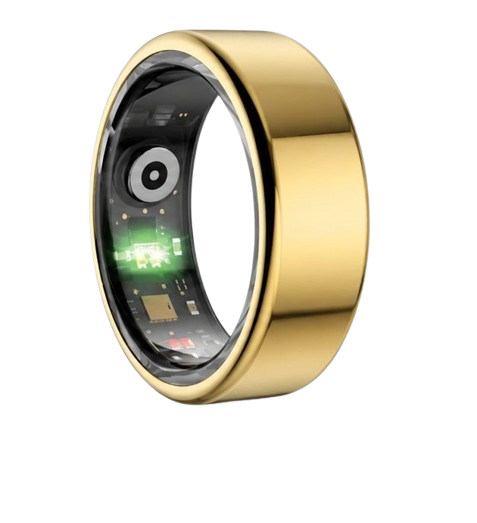
The Herz P1 Smart Ring offers a seamless, subscription-free way to master your nightly rest.
Ready to monitor your health every day?
Explore the Herz P1 Smart Ring and see if it fits your lifestyle.
Call: 1-866-479-1629 — our team can help advise on the correct size.
Note: Individual results may vary depending on individual health conditions, age, and lifestyle habits. This article is intended for general health reference purposes only.
