

Why Do We Wake Up Gasping for Air? Demystifying the Common Causes of Snoring
Why do we wake up feeling exhausted despite spending eight hours in bed? If you or your partner struggle with nightly disruptions, understanding the common causes of snoring is the first step. By tracking your physiological data with a screen-free Herz P1 Smart Ring, you can decode your sleep architecture and reclaim your energy.
Take Back Your Sleep.
Take Back Your Life.
- Fall asleep faster & sleep deeper
- Stop waking up in the middle of the night
- Wake up refreshed & full of energy
- Anatomical Realities: Understand how relaxed airway tissues create turbulent vibrations during deep sleep.
- The Aging Connection: Why loss of tissue elasticity over time changes how we breathe at night.
- Bio-Metric Clues: How tracking Heart Rate Variability (HRV) and Sleep Stages reveals hidden cardiovascular stress.
- Practical Actions: Screen-free tracking and behavioral tweaks to dramatically improve nightly recovery.
The Anatomy of Airway Resistance: What Triggers Nightly Vibrations?

Quick Answer: Yes, snoring is incredibly common, but it is not something you should ignore. The short answer is that snoring occurs when turbulent airflow causes relaxed tissues in your throat to vibrate. However, to choose the right lifestyle adjustments or tracking tools, you need to understand the physical dynamics of your unique sleep environments and airway habits.
To truly understand the common causes of snoring, we must look at what happens inside the upper airway when we transition from wakefulness to deep rest. When you drift off, the muscles in your tongue, throat, and soft palate relax. For many individuals, this relaxation narrows the respiratory passage, forcing inhaled air to squeeze through a smaller opening. This restriction accelerates the velocity of the air, creating a vacuum effect that causes the floppy tissues of the throat—such as the uvula and soft palate—to rattle violently. This sound is what we recognize as snoring.
But why do people snore when they sleep rather than when they are awake? During our waking hours, neuromuscular tone keeps the airway wide open and stable. As we enter deeper stages of sleep (such as REM and deep non-REM stages), this tone drops significantly. Gravity further compounds the problem if you sleep on your back; your tongue falls backward toward the throat wall, partially blocking the airway and creating a physiological bottleneck.
The consequences of this restriction go far beyond a loud noise. When the airway is partially obstructed, your body has to work twice as hard to draw in oxygen. This extra effort elevates your heart rate and puts stress on the autonomic nervous system. Instead of experiencing restorative sleep, you are hit with micro-arousals—brief, often unnoticed awakenings that pull you out of deep recovery. This is why many people wake up at 3 AM with a racing mind, dry throat, and a lingering sense of fatigue, entirely unaware that airway resistance was the primary disruptor.
When is Snoring Normal vs. a Medical Concern?
It is important to differentiate between light, occasional snoring and potential clinical conditions. If your snoring is mild, sporadic, and triggered by a temporary cold or a heavy evening meal, it is usually harmless. However, if your snoring is loud, persistent, and accompanied by gasping, choking, or extreme daytime fatigue, it may point to Obstructive Sleep Apnea (OSA). Self-identifying these patterns helps you determine whether you need simple habit adjustments or a professional medical consultation.
Pay attention to these distinct physiological signals during the day and night:
| Symptom | Benign Snoring | Potential Sleep Apnea (OSA) |
|---|---|---|
| Frequency | Occasional (with colds/alcohol) | Almost every night, regardless of position |
| Morning Symptoms | Slightly dry mouth | Severe brain fog, dry throat, headaches |
| HRV & Heart Rate | Normal overnight decline | Spikes in heart rate, depressed HRV trends |
Screen-Free Biometric Tracking as a Solution
One of the hardest obstacles to overcoming sleep disruptions is not knowing what is happening after you turn out the lights. Traditional smartwatches attempt to track these metrics, but their bulky screens, bright blue light alerts, and daily charging demands often introduce more sleep-disrupting stress than they resolve. Our team at Mind Body Dan highly recommends opting for a screen-free, distraction-free tracker that sits comfortably on your finger all night.
The Herz P1 Smart Ring is a subscription-free, ultra-lightweight titanium wearable designed precisely for this purpose. Equipped with medical-grade biometric sensors, it continuously monitors your Sleep Stages (REM, Deep, Light) and measures Heart Rate Variability (HRV) throughout the night. By translating these complex algorithms into an easy-to-read Recovery Score, the Herz P1 lets you see exactly how lifestyle adjustments—like changing your sleep position or avoiding late-night snacks—impact your autonomic nervous system. No screens, no glowing notifications, and no hidden monthly fees.
Short Section FAQ
Q: Why do people snore more when they sleep on their back?
A: When you lie on your back, gravity pulls the relaxed tongue and soft palate backward into the throat, narrowing the airway and increasing tissue vibration.
Q: How does snoring affect Heart Rate Variability (HRV)?
A: Chronic snoring and airway blockages force the body into a low-grade fight-or-flight state overnight. This elevated sympathetic nervous system activity lowers your overnight HRV, signaling that your cardiovascular system is under stress rather than recovering.
Q: Is there an easy way to monitor these hidden disruptions?
A: Yes. Monitoring your overnight sleep architecture and recovery trends with a comfortable, lightweight device like the common causes of snoring tracker offers clear, data-informed insights into how your breathing patterns impact your deep sleep phases.
The Physiology of Sleep Deprivation: Aging, Anatomy, and Bio-Metrics
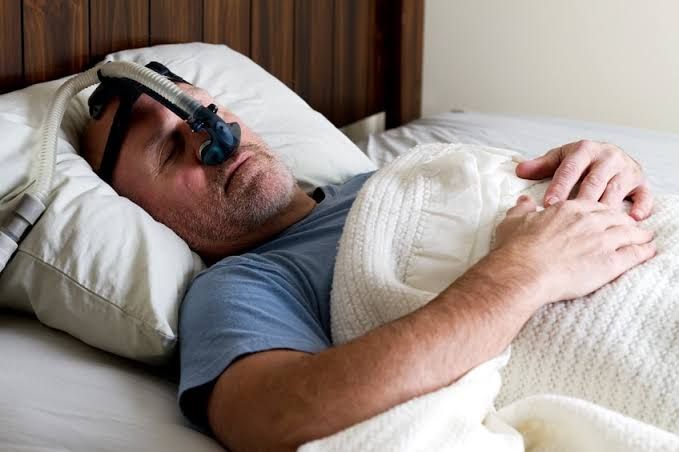
As we peel back the layers of sleep science, it becomes clear that snoring is rarely caused by a single isolated factor. Instead, it is typically the result of several overlapping physical and physiological changes. When exploring why do people snore, we must look closely at how our bodies change over time, the impact of anatomical structure, and how these factors compromise overall cardiovascular recovery.
Why Do We Snore as We Age?
One of the most frequent questions we hear at Mind Body Dan is: why do we snore as we age? The answer lies in the natural structural changes our tissues undergo over time. As we progress through our thirties, forties, and beyond, the muscles in our throat and upper airway gradually lose tone and elasticity. The soft tissues become looser and more prone to collapse during deep sleep phases.
Additionally, metabolic changes often lead to fat redistribution around the neck, which puts extra physical pressure on the airway when lying down. For women, hormonal transitions during menopause play a significant role. A drop in estrogen and progesterone—which help maintain airway muscle tone—often leads to a sudden onset of snoring. This structural shift explains why someone who slept silently in their twenties might begin snoring in their late forties.
— Team Mind Body Dan Research Team
Anatomical Variations and Nasal Congestion
Beyond the aging process, physical structure is another primary cause. A deviated septum, enlarged tonsils, nasal polyps, or a narrow jawline can all restrict normal airflow. When nasal breathing is blocked, you are forced to breathe through your mouth. This mouth-breathing changes the shape of your throat and soft palate, making tissue vibration and snoring far more likely.
This is also why seasonal allergies, sinus infections, or smoking can trigger sudden bouts of snoring. Inflamed nasal passages create resistance, forcing your lungs to work harder to pull in oxygen. This constant strain keeps your nervous system on high alert, preventing your body from entering deep, restorative sleep cycles.
Decoding Your Body’s Recovery Signals
When snoring disrupts your sleep, it alters your overnight cardiac rhythm. Normally, your body enters a relaxed state overnight, characterized by a lower heart rate and higher Heart Rate Variability (HRV). However, when airway resistance causes drop-offs in oxygen levels, your body releases stress hormones like cortisol and adrenaline, causing your heart rate to spike and your HRV to plummet.
If you wake up feeling drained and struggle with afternoon brain fog, your body is telling you that its recovery was cut short. Relying on heavy smartwatches to monitor this can backfire; they are often too bulky to wear comfortably all night, require daily charging, and their glowing screens can worsen sleep anxiety.
This is where the screen-free elegance of a titanium smart ring becomes invaluable. By measuring your sleep architecture and cardiac trends, you can easily see if your lifestyle adjustments—like using a saline rinse or sleeping on your side—are actually working to lower overnight stress and improve your recovery score.
To better understand these patterns, check out our comprehensive guide on the common causes of snoring and discover how simple shifts can protect your long-term cardiovascular health.
Remedies, Real-Time Insights, and Screen-Free Sleep Reconstruction

Understanding the common causes of snoring is only half the battle. The real goal is finding practical, daily solutions to improve your sleep hygiene and track your progress without adding extra screen-time or subscription fatigue to your life.
Practical Behavioral Modifications
Simple, consistent habit changes can make a massive difference in reducing airway tissue vibrations:
- Switch to Side-Sleeping: Prevent gravity from pulling your tongue and throat tissues backward. Positional pillows or a simple tennis ball trick (sewing a ball to the back of your shirt) can keep you on your side.
- Optimize Your Hydration and Ambient Air: Dry air irritates throat tissues, making them stickier and more prone to vibrating. Using a bedroom humidifier can soothe nasal passages.
- Avoid Late-Night Alcohol and Sedatives: These substances relax the throat muscles even further, making airways much more likely to collapse during sleep. Try to finish your last drink at least 3-4 hours before heading to bed.
- Maintain a Consistent Sleep Schedule: Going to bed and waking up at the same time helps stabilize your nervous system, allowing for deeper, more organized sleep phases with fewer abrupt awakenings.
Tracking Your Progress: Why Screen-Free is Key
To see which adjustments are working, you need a way to track your sleep trends. However, using traditional smartwatches with glowing screens, constant buzzes, and daily battery anxiety often adds to the sleep-disrupting cycle. It is counterintuitive to use a device that keeps your mind racing when you are trying to wind down.
This is why we highly recommend a screen-free, distraction-free option like the Herz P1 Smart Ring. Built from ultra-light titanium, it sits comfortably on your hand all night long. Because it has no screen, there are no flashing notifications to wake you up at 3 AM. It quietly measures your HRV, sleep stages, and daily activity, delivering all your data directly to an intuitive app with no subscription fees or hidden costs.
Ready to Decode Your Sleep and Reclaim Your Energy?
The Herz P1 Smart Ring offers medical-grade biometric tracking in a screen-free, ultra-lightweight titanium design. No subscription fees, no daily charging hassles—just simple, actionable insights to help you optimize your recovery.
Identifying the common causes of snoring is a major step toward reclaiming your night. Whether you need to adjust your sleeping position, invest in a bedroom humidifier, or track your overnight recovery with a screen-free smart ring, taking action is key to protecting your heart health, boosting your daily energy, and enjoying truly restorative rest.
Disclaimer: Results may vary depending on individual physical activity levels, unique health conditions, and daily tracking patterns. The Herz P1 Smart Ring and the information shared by Team Mind Body Dan are intended for educational and wellness tracking purposes only. This device is not designed to diagnose, treat, or cure any medical condition, including sleep apnea. Always consult with a licensed healthcare professional for medical concerns.
