

How to Clean a Mattress and Remove Tough Stains for Better Restorative Sleep
Do you wake up with a stuffy nose or brain fog, wondering why your sleep feels non-restorative? A dirty mattress harboring dust mites and microscopic allergens might be spiking your overnight stress levels. While we can track our sleep metrics with advanced wearables, cleaning your sleep environment is the physical first step to reclaiming deep, uninterrupted rest.
Take Back Your Sleep.
Take Back Your Life.
- Fall asleep faster & sleep deeper
- Stop waking up in the middle of the night
- Wake up refreshed & full of energy
What You’ll Learn In This Guide
- The biological link between mattress hygiene, overnight stress, and heart rate variability (HRV).
- The structural prerequisites and raw materials needed to clean a mattress safely.
- A step-by-step masterclass on how to clean mattress fibers without causing structural damage.
- The precise chemical breakdown of organic stains (urine, sweat, blood) on your bed.
- How to track environmental sleep optimizations objectively using premium, screen-free biometric rings.
The Hidden Science of Sleep Hygiene: Why You Must Clean Your Mattress
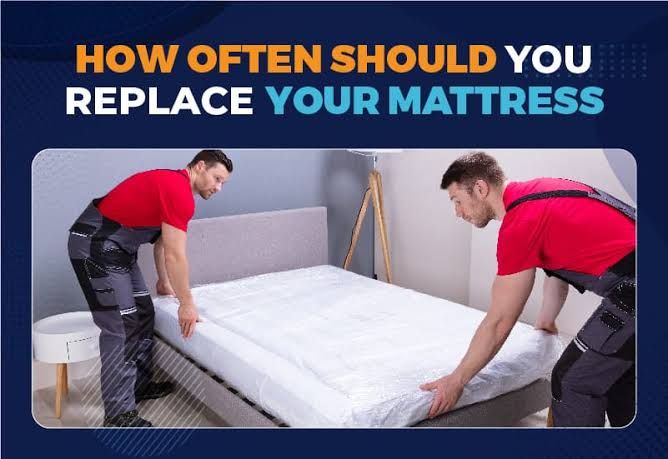
Most of us spend about a third of our lives resting on a mattress, yet we rarely think about the microscopic ecosystem thriving beneath our sheets. Over time, dead skin cells, body oils, and environmental dust collect on our bed. This creates an ideal feeding ground for dust mites. While dust mites do not bite, their microscopic waste contains proteins that can trigger subtle, sub-clinical respiratory inflammation.
When you sleep on a surface that has not been properly sanitized, your immune system remains slightly active throughout the night to combat these inhaled particles. Biometrically, this constant immune activity can elevate your resting heart rate (RHR) and lower your Heart Rate Variability (HRV). HRV is a primary indicator of nervous system recovery. When your body is fighting off allergens all night, your parasympathetic nervous system cannot fully take over, leaving you with that frustrating feeling of non-restorative sleep and morning brain fog.
If you have been struggling with a racing mind or waking up at 3 AM with a scratchy throat, it is time to take a closer look at your sleep surface. Learning how to clean mattress materials is not just about aesthetics; it is a vital part of your physical recovery and sleep optimization protocol. Let’s dive into what you need to successfully execute a deep clean mattress routine.
Prerequisites: What to Prepare Before You Clean a Mattress
Before you begin the process to clean mattress fibers, gather the right tools. Using the wrong liquids or saturated cleaning methods can permanently damage memory foam or internal steel coils. Always avoid excessive water, as lingering moisture within the mattress can lead to mold and mildew growth. Here is your essential preparation list:
- A vacuum cleaner equipped with a clean upholstery attachment (ideally with a HEPA filter).
- Baking soda (sodium bicarbonate) to neutralize odors and absorb surface oils.
- A mild liquid dish soap or natural enzyme cleaner.
- Hydrogen peroxide (3% concentration) for organic stain breakdown.
- Distilled white vinegar in a spray bottle.
- Clean, dry microfiber cloths for blotting.
Before you treat any spot, read our foundational deep mattress cleaning guide to understand how different mattress constructions react to topical cleaning agents. Standard innersprings are relatively resilient, but memory foam acts like a giant sponge, meaning you must proceed with extreme caution when applying liquids.
Step-by-Step Execution Guide to Clean a Mattress
“To ensure you do not set allergens back into the mattress layers, work from top to bottom in slow, deliberate sweeping motions with your vacuum. Speed during the vacuuming phase is the enemy of thorough extraction.”
— Team Mind Body Dan Cleaning Division
To successfully clean your sleep setup, follow this structured, bio-friendly cleaning method:
- Strip and Wash: Remove all sheets, pillowcases, and mattress protectors. Toss them into your washing machine on the hottest cycle permitted by the manufacturer (ideally 130°F or higher) to destroy dust mites and breakdown embedded sweat proteins.
- Perform the First Vacuum: Fit your vacuum with the upholstery tool. Press firmly against the surface of your mattress, drawing it in slow, overlapping paths. Pay close attention to deep seams, tufts, and crevices where dust mites and dead skin gather. To understand why this step is critical, refer to our guide on dust mite prevention strategies.
- Spot Treat Stains: Dip a clean microfiber cloth into a diluted mixture of mild dish soap and warm water. Blot the area gently. Never scrub, as rubbing pushes the stain deeper into the fabric core. For tough organic spots, use our specialized chemistry formulas detailed in the next section.
- Deodorize and Draw Out Moisture: Sift a generous, even layer of baking soda over the entire top surface of the mattress. Baking soda is highly alkaline, which helps break down acidic body oils and absorb lingering humidity. Let it sit for at least 4 to 6 hours. If possible, let it rest in direct sunlight, as UV rays act as a natural sanitizer.
- Perform the Final Vacuum: Thoroughly vacuum up all the baking soda. Ensure no white powder remains, as leftover particles can attract humidity over time.
Once you complete this sequence, you will have a cleaner sleep sanctuary. But physical cleanliness is only half of the recovery equation. How do you know if these environmental changes are actually improving your biological recovery?
This is where screen-free health metrics come into play. By monitoring your sleep with a lightweight, comfortable wearable like the Herz P1 Smart Ring, you can track changes in your Sleep Stages (REM, Deep, Light), Heart Rate Variability (HRV), and resting heart rate. Unlike bulky smartwatches that glow and buzz throughout the night, the Herz P1 is a screen-free titanium ring that monitors your body’s subtle changes in sleep quality. Best of all, it features a subscription-free model, so you own your health data forever without hidden monthly costs.
Common Pitfalls & Mistakes
When people set out to clean mattress surfaces, they often make several critical mistakes that can shorten the lifespan of their bed:
- Saturating Memory Foam: Memory foam is composed of open polyurethane cells that trap water. If you get foam wet, it can take days to dry out completely, virtually guaranteeing mold growth. Keep your liquid application to a bare minimum.
- Using Bleach or Heavy Chemicals: Harsh bleaches can break down the delicate fibers of mattress covers, destroying the comfort layers and irritating your skin and lungs.
- Skipping the Drying Phase: Putting sheets back onto a damp mattress creates a warm, dark, humid environment—an ideal breeding ground for bacteria and mold. Always ensure the bed is completely dry to the touch before re-dressing it.
Your Mattress Deep-Clean Checklist
Print or reference this quick checklist to ensure a successful cleaning session:
- [ ] Strip and wash bedding at 130°F+ to eliminate dust mites.
- [ ] Vacuum the entire mattress top, sides, and base using a HEPA-filter vacuum.
- [ ] Spot treat organic stains using specialized, low-moisture cleaning solutions.
- [ ] Apply baking soda across the entire surface and let sit for 4–6 hours.
- [ ] Keep bedroom windows open or run a fan to maximize air circulation.
- [ ] Thoroughly vacuum up the dry baking soda residue.
- [ ] Monitor your sleep metrics screen-free to see how a cleaner bed impacts your overnight recovery.
Keeping a clean sleep surface is one of the easiest ways to improve your recovery metrics. By combining deep mattress cleaning with screen-free, consistent tracking, you can optimize your sleep quality and improve your daily recovery score.
Removing Tough Stains: The Complete Protocol for a Spotless Clean Bed

Whether it is from mid-sleep sweating, accidental spills, or pets, stains on your bed are almost inevitable. But not all stains are created equal. To maintain a clean bed, you must understand the basic science of the spots you are treating. Stains like blood, sweat, and urine are organic protein stains. Applying hot water or standard household cleaners can bind these proteins directly to the mattress fibers, setting the stain permanently.
To keep your mattress in top shape, use these targeted chemistry protocols to lift and neutralize stains safely:
1. The Urine Stain Protocol
Urine stains present a dual challenge: they discolor the mattress cover and leave behind uric acid crystals that trap odors deep within the fibers. For details on handling older urine spots, refer to our comprehensive urine stain removal guide. For fresh or set-in spots, use this powerful neutralizing formula:
- Create a solution of 8 ounces of 3% hydrogen peroxide, 3 tablespoons of baking soda, and 2 drops of liquid dish soap.
- Gently swirl the mixture in a bowl. Do not shake it vigorously, as this creates too much foam.
- Lightly spray or dab this solution onto the stained area using a microfiber cloth. Let the mixture sit for 15 minutes.
- Blot with cold, clean water and let the area air dry completely. A white residue of baking soda will form; simply vacuum it away once the area is dry.
The Biometric Benefit of a Clean Sleep Surface
When dust mites, fungal spores, and pet dander accumulate, they trigger subtle, sub-clinical airway irritation. Your immune system works overtime while you sleep, which can elevate your resting heart rate (RHR) and lower your Heart Rate Variability (HRV). Deep cleaning your sleep environment directly reduces this physical burden, helping you achieve deep, restorative sleep stages.
2. The Sweat and Yellowing Stain Protocol
Over time, body oils and perspiration create yellowed patches on even the most well-kept beds. To learn how to lift these stubborn yellow spots, read our sweat stain remedy tips. To brighten and freshen these areas, use this gentle, acidic spray solution:
- Mix equal parts distilled white vinegar and lukewarm water in a spray bottle.
- Lightly mist the yellowed areas. The acetic acid in vinegar naturally breaks down the salt and mineral bonds left behind by sweat.
- Let the solution sit for 10 minutes, then blot the area with a dry, clean towel.
- Sift baking soda over the damp area to neutralize the vinegar smell and draw up any remaining moisture. Vacuum thoroughly once it is dry.
For those who prefer a natural approach, explore our guide on organic cleaning solutions. Natural options are a great choice if you are sensitive to synthetic fragrances or harsh cleaning residues.
3. The Blood Stain Protocol
Blood is highly rich in iron and proteins. When treating blood stains, never use warm or hot water, as heat will set the hemoglobin into the fabric, making it almost impossible to remove. Always use cold liquids and blot gently with a damp cloth.
- Apply a small amount of 3% hydrogen peroxide directly to the blood stain. You will see it immediately begin to bubble as it reacts with the proteins.
- Let the bubbling action lift the organic material to the surface for 2 to 3 minutes.
- Blot the bubbling liquid away with a clean, dry microfiber cloth. Repeat this process as needed until the stain fades.
- Once the stain is gone, blot the area with a cloth dampened with cold water to remove any leftover peroxide residue.
Long-Term Maintenance and Biometric Sleep Tracking
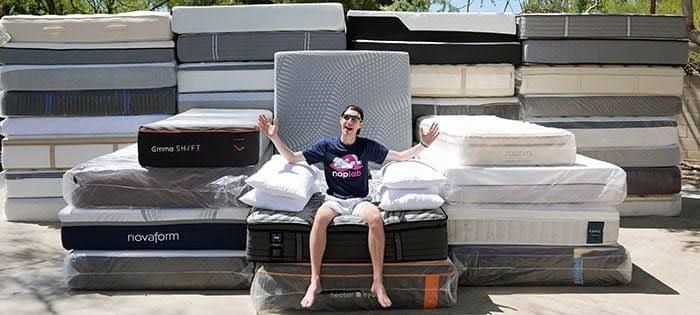
Once you deep-clean your sleep surface, you should set up a regular maintenance routine to keep it in top shape. If you let allergens and moisture build up for years, even a deep clean cannot fully restore your bed’s hygiene. Over time, mattresses lose structural support, which can cause skeletal strain, throwing off your spinal alignment and leading to restless, interrupted sleep.
Check the industry standard guidelines to see if your mattress needs a deep clean or if it is time for a replacement. Take a look at our average mattress lifespan standards to evaluate the structural integrity of your bed.
To protect your mattress and maintain a healthy, allergen-free sleep environment, follow these long-term maintenance habits:
- Use a High-Quality Mattress Protector: A waterproof, breathable mattress protector is your best defense against moisture, sweat, and spills. It keeps liquids from reaching the foam and comfort layers, making future cleanings a breeze.
- Rotate Your Mattress Regularly: Rotate your mattress 180 degrees every 3 to 6 months. This helps distribute body weight evenly, preventing sagging and support issues that can lead to physical discomfort and sleep disruptions.
- Aerate Your Bed Every Morning: Instead of making your bed immediately when you wake up, pull the blankets back for 30 minutes. This allows overnight body heat and moisture to evaporate, keeping dust mites from thriving.
By protecting your mattress, you will also reduce nighttime allergy symptoms, helping you breathe easier and sleep more soundly. For more tips on managing nighttime allergy triggers, see our guide on nocturnal allergy relief methods.
As you improve your sleep hygiene, you can easily track its positive impact on your sleep quality. To see how these changes affect your sleep patterns, check out our sleep environment optimization protocol. This guide explains how to pair a clean sleep surface with smart, screen-free tracking tools.
Track Your Sleep, Stress-Free
Don’t let bulky, glowing smartwatches disrupt the clean sleep sanctuary you’ve built. Monitor your sleep stages, HRV, and daily recovery with an elegant, screen-free titanium ring. No notifications, no glowing screens, and no monthly subscription fees.
Traditional fitness trackers are often bulky, uncomfortable to wear to bed, and require daily charging—which often means they end up dead when you need them most. Even worse, bright, glowing screens can trigger a racing mind and keep you awake at night.
The Herz P1 Smart Ring offers a simpler, more comfortable alternative. This screen-free, ultra-lightweight titanium ring fits comfortably on your finger, tracking your heart rate, HRV, and sleep stages (REM, Deep, Light) with medical-grade biometric sensors. With its subscription-free model and long-lasting battery life, the Herz P1 translates complex health data into a simple, actionable daily Recovery Score—letting you track your wellness journey without the distraction of a screen.
A clean bed and reliable, screen-free tracking are the perfect combination to help you sleep better and wake up feeling refreshed. Try this cleaning routine today, and let your body enjoy the deep, restorative rest it deserves.
Disclaimer: Results may vary depending on individual physical activity levels, unique health conditions, and daily tracking patterns. The health trends and insights provided in this article are intended for informational purposes only. This device and its related software are designed exclusively for monitoring wellness trends and habits and should not be used to treat, cure, or diagnose any medical condition. Always consult with a qualified physician before starting any physical regimen or changing your sleep hygiene habits.
