

Could a Sleep Divorce Save Your Relationship and Reclaim Your Vital Energy?
Is sharing a bed destroying your health? Research shows partner-induced sleep disruption can cut deep sleep by 30%. Implementing a sleep divorce might save your sanity. By tracking your biometric recovery using the screen-free Herz P1 Smart Ring, you can objectively measure how separate sleeping optimizes your nightly HRV and sleep stages.
Take Back Your Sleep.
Take Back Your Life.
- Fall asleep faster & sleep deeper
- Stop waking up in the middle of the night
- Wake up refreshed & full of energy
Key Highlights of this Guide:
- Scientific Validation: Understand why partner movements and snoring can severely disrupt your autonomic nervous system.
- The Concept Explained: Demystifying the modern trend of sleeping separately to prioritize physiological recovery.
- Actionable Biometrics: How to track Heart Rate Variability (HRV) and deep sleep cycles to measure your sleep quality objectively.
- The Screen-Free Solution: Why the Herz P1 Smart Ring is the ultimate tool for monitoring your health without bulky smartwatches.
- Maintaining Intimacy: Practical communication tips to ensure separate beds strengthen rather than strain your relationship.
Understanding the Sleep Divorce: Science, Signs, and Restorative Benefits

Quick Answer: Yes, a sleep divorce is highly effective for couples suffering from mismatched sleep schedules or chronic nocturnal disruptions. The short answer is that sleeping separately allows both partners to experience uninterrupted sleep cycles, lowering systemic stress. However, to choose the right strategy, you need to understand your physiological sleep architecture and how sleep disruptions actively degrade your autonomic nervous system.
Picture this: It is 3 AM. You wake up with your heart racing, your partner’s loud snoring echoing through the room. You toss and turn, a racing mind keeping you trapped in a state of high alert. The next day, you suffer from persistent brain fog, a complete lack of focus, and an underlying irritability that strains your interactions. If this cycle repeats night after night, it’s not just your mood that suffers—your physical health takes a direct hit. When we look at the literal sleep divorce meaning, it refers to a conscious decision by a couple to sleep in separate beds or different rooms. It is not a precursor to marital dissolution; rather, it is a deliberate sleep hygiene intervention. So, what is sleep divorce at its core? It is an agreement that separates physical intimacy from physiological rest.
When you share a bed, you share a sleep environment. Unfortunately, this means you also share sleep disruptions. From a biological perspective, our bodies are wired to perceive unexpected movements, temperature changes, and noises as potential environmental threats. When your partner thrashes, rolls over, or gasps, your nervous system registers this as a micro-arousal. Even if you do not fully wake up or remember these incidents, your brain is jolted out of restorative deep sleep or REM cycles into lighter stages. Over time, these micro-arousals accumulate, leading to chronic, non-restorative sleep. Opting for a sleep divorce can break this cycle, allowing both individuals to rest deeply, lower daytime cortisol levels, and show up as their best, most patient selves in the relationship.
Historically, the idea of couples sleeping apart was stigmatized, viewed as a sign of emotional distance or a failing marriage. Today, we understand that prioritizing sleep is a profound act of self-care and relationship preservation. When we are chronically sleep-deprived, our prefrontal cortex—the area of the brain responsible for emotional regulation, empathy, and rational decision-making—goes offline. We become reactive, defensive, and less capable of resolving conflicts. By restructuring your relationship sleep dynamics, you are not distancing yourselves; you are actively investing in the neurological health of both partners.
Is a Sleep Divorce Right for Your Relationship?
When to Implement:
- Severe, chronic snoring or sleep apnea that consistently wakes the other partner.
- Wildly opposing circadian rhythms (e.g., one partner is a night owl, the other an early riser).
- Restless leg syndrome or frequent tossing and turning that causes micro-arousals.
- Vastly different environmental preferences (mattress firmness, ambient temperature, white noise).
When NOT to Implement:
- As a passive-aggressive tool to avoid addressing deeper emotional or communication conflicts.
- Without a mutual, transparent agreement and a clear plan to maintain physical connection.
- If it is used as a permanent escape from confronting solvable lifestyle or health issues.
If you decide to explore separate sleeping, the key to success lies in tracking whether this change actually translates into physiological recovery. Traditional smartwatches can be incredibly distracting—with their glowing screens, vibrating notifications, and bulky frames that disturb your rest. This is where a premium, screen-free alternative like the Herz P1 Smart Ring becomes an invaluable companion. Designed for elegant comfort, this lightweight titanium ring features medical-grade biometric sensors that track sleep stages, Heart Rate Variability (HRV), and daily activity to output an intuitive Recovery Score—all without screen distractions, hidden subscription fees, or daily charging hassle.
Frequently Asked Questions About Sleep Separation
Q: Does a sleep divorce mean our relationship is headed for failure?
A: Absolutely not. In fact, many couples find that sleeping separately rescues their relationship. When both partners are well-rested, they experience less daytime irritability, leading to fewer arguments and a deeper emotional connection.
Q: How do we maintain physical intimacy if we sleep in different rooms?
A: Intimacy is built during waking hours. You can dedicate specific “bedtime hours” to cuddle, talk, or share intimacy in one room before parting ways to sleep. Many couples find that this intentionality actually increases the quality of their intimate moments.
Q: Is there an alternative if we don’t have an extra bedroom?
A: Yes. You can try the “Scandinavian sleep method,” which involves using two separate twin-sized duvets on a single king-sized bed to eliminate blanket-tugging. Alternatively, upgrading to a split-king mattress with advanced motion isolation can drastically reduce movement transfer.
The Biometrics of Separate Sleeping: Tracking HRV and Deep Sleep Recovery
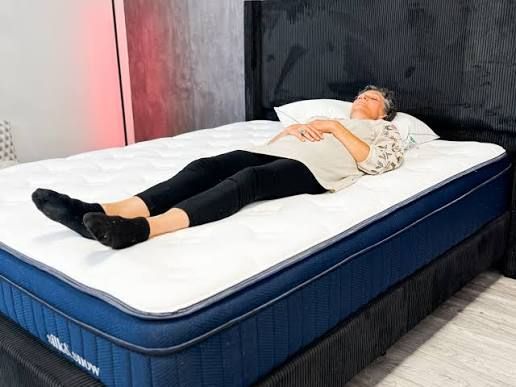
When assessing whether a sleep divorce is successfully healing your sleep, relying purely on subjective feelings can be misleading. Sometimes, you might feel slightly groggy upon waking simply due to sleep inertia, even if your underlying physiological metrics are highly positive. To get an accurate picture, we must dive into the underlying science of restorative sleep metrics, specifically targeting Heart Rate Variability (HRV) and sleep stage distribution.
Heart Rate Variability (HRV) is the variation in time between consecutive heartbeats, measured in milliseconds. It is a direct window into your autonomic nervous system (ANS). Your ANS is split into two main branches: the sympathetic nervous system (your “fight-or-flight” response) and the parasympathetic nervous system (your “rest-and-digest” response). When you are resting deeply and recovering, your parasympathetic system dominates, resulting in a higher, more variable HRV. Conversely, when your sleep is constantly interrupted by a partner’s tossing, turning, or snoring, your body remains in a state of low-level sympathetic arousal. This constant micro-stress keeps your heart rate elevated and suppresses your HRV, preventing true recovery.
By measuring your HRV before and after transitioning to a sleep divorce, you can clearly observe how separate sleeping environments allow your autonomic nervous system to fully relax. A sustained rise in nighttime HRV indicates that your body is successfully entering a deep, restorative parasympathetic state. This recovery phase is when your muscles repair, your brain flushes out metabolic waste, and your cardiovascular system rests.
Equally critical is the distribution of your sleep stages: Light, Deep, and REM sleep:
- Deep Sleep (Slow-Wave Sleep): This stage is responsible for physical recovery, tissue repair, and immune system strengthening. It primarily occurs during the first half of the night. If you are constantly disturbed during this window, your body cannot efficiently heal itself.
- REM Sleep: Essential for cognitive consolidation, emotional processing, and creative thinking. REM sleep dominates the latter half of the night, when light sleep is more fragile and highly susceptible to partner-induced wakeups.
- Light Sleep: Serves as the transition phase. While necessary, spending too much time in light sleep due to constant micro-arousals leads to feelings of non-restorative rest.
To optimize these sleep stages and successfully integrate healthy sleep hygiene methods, you need a tracking tool that fits seamlessly into your night. Unlike bulky smartwatches that require daily charging and irritate the skin when you sweat, the Herz P1 Smart Ring offers a completely screen-free, distraction-free experience. Its medical-grade biometric sensors track your exact heart rate, HRV trends, and sleep stages throughout the night, delivering a clear, easy-to-understand Recovery Score each morning. It is the perfect, elegant solution for couples who want to monitor their physiological changes objectively, without adding digital clutter to their bedrooms.
Navigating the Emotional Transition and Redefining Intimacy
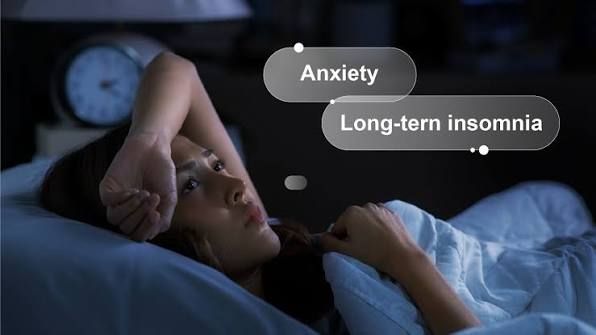
Deciding to transition to separate sleeping arrangements can trigger a wave of unexpected emotions. It is completely normal to feel a sense of loss, worry, or even shame when first discussing a sleep divorce. Society has conditioned us to believe that sharing a bed is the ultimate symbol of romantic success. Breaking that mold requires vulnerability, compassion, and open communication.
To ensure this change strengthens your bond rather than creating emotional distance, it is essential to establish clear, mutually agreed-upon healthy relationship boundaries. Discuss how you will handle mornings, evenings, and weekends. Many couples find that designating “cuddle windows” in the evening before retreating to their respective sleeping spaces preserves physical intimacy. Others make a habit of reunited mornings, sharing a cup of coffee in bed to start the day connected.
When you remove the biological stress of sleep deprivation, you lay the foundation for a much happier relationship. By using an advanced wearable like the Herz P1 Smart Ring, you and your partner can gamify your wellness journeys together. Because the Herz P1 features a subscription-free model, you can buy the ring once and access your biometric insights forever—no annoying monthly fees or hidden costs. You can share your daily Recovery Scores, talk about what lifestyle choices boosted your deep sleep, and build a supportive environment centered around health and mutual well-being.
Ultimately, a sleep divorce is not about sleeping apart—it is about waking up refreshed and ready to love each other better. By taking control of your biological recovery and tracking your progress with the screen-free, elegant comfort of a smart ring, you can stop fighting the nighttime battles and start enjoying your daytime lives together.
Disclaimer: Results may vary depending on individual physical activity levels, unique health conditions, and daily tracking patterns. The information provided in this article is for educational purposes only and should not be taken as medical advice. The Herz P1 Smart Ring is a wellness tracking device and is not intended to diagnose, treat, or cure any medical conditions.
