

Can Apple Watch Detect Sleep Apnea and Breathing Issues? A Comprehensive Biometric Guide
Waking up at 3 AM with a racing mind and heavy brain fog is exhausting. While tracking metrics like apple watch sleep apnea markers offers clues, bulky screens often disrupt your rest. The subscription-free Herz P1 Smart Ring delivers deep sleep stage insights and recovery metrics comfortably, screen-free, and effortlessly.
Take Back Your Sleep.
Take Back Your Life.
- Fall asleep faster & sleep deeper
- Stop waking up in the middle of the night
- Wake up refreshed & full of energy
- The Technical Reality: Learn how the apple watch sleep apnea tracking architecture utilizes specialized accelerometer algorithms to spot breathing irregularities over time.
- Clinical vs. Consumer Tracking: Discover why consumer metrics provide incredible trend indicators but cannot replace formal clinical evaluations.
- The Psychological Hurdle: How bulky, glowing screens can worsen your 3 AM awakenings by elevating overnight cortisol levels.
- A Minimalist Alternative: Introducing the lightweight, screen-free Herz P1 Smart Ring for holistic sleep hygiene.
Can the Apple Watch Detect Sleep Apnea? The Quick Answer vs. Clinical Reality
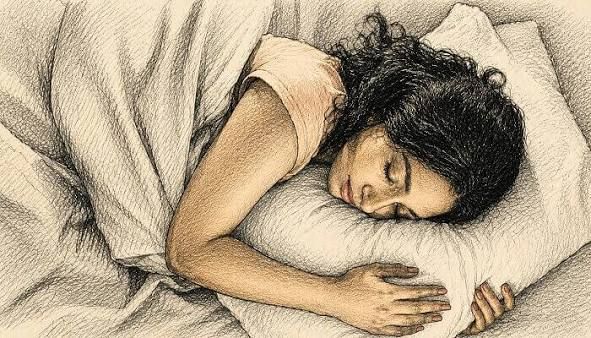
Understanding how modern wearables monitor overnight breathing patterns.
Quick Answer: Yes, newer models of the Apple Watch can help track and notify you of potential moderate-to-severe breathing disturbances that correlate with sleep apnea. However, it is a consumer wellness tool designed to detect long-term anomalies, not a medical instrument meant to self-diagnose sleep conditions. To get the most out of your health tracking, you must understand how these biometric algorithms translate raw physical movements into actionable daily wellness data.
For millions of people worldwide, sleep is not a sanctuary—it is a struggle. You climb into bed exhausted, hoping for a peaceful night of recovery, only to wake up at 3 AM with your mind racing, your heart pounding, and a thick sense of brain fog setting in before your feet even touch the floor. When you experience these frustrating awakenings, it is natural to look for immediate, quantifiable answers. You ask yourself: Am I waking up because of stress, or is there an underlying physical issue like a breathing disruption? This query has led many to explore the apple watch sleep apnea notification feature to understand what happens when their eyes are closed.
The technology underpinning the sleep apnea apple watch capability is a significant advancement in consumer health tech. By utilizing the wrist-based accelerometer, the watch tracks subtle, microscopic movements that occur during sleep. These tiny motions are translated into a metric known as “breathing disturbances.” When your airway becomes partially or fully obstructed—a hallmark of sleep apnea—your body undergoes micro-arousals to force you to breathe again. These micro-arousals involve brief muscle twitches, sudden gasps, or shifts in body position that the high-precision accelerometer can capture. Over a multi-day observation period, the watch analyzes the frequency of these disturbances to build a historical trend line of your sleep patterns.
It is vital to distinguish between tracking daily biometric trends and undergoing a clinical evaluation. A medical sleep study (polysomnography) records brain waves (EEG), eye movements, muscle activity, and heart rhythms alongside direct airflow measurements. The apple watch breathing disturbances metric acts as an early warning system rather than a definitive medical diagnostic tool. It offers an excellent first step for starting a conversation with a physician, but it does not replace professional clinical assessment.
When to Use Consumer Sleep Trackers
Consumer sleep trackers are exceptionally useful when you want to establish a baseline of your nightly recovery. They are perfect for identifying broad lifestyle impacts, such as how eating a heavy meal late at night, drinking alcohol, or experiencing high stress levels alters your resting heart rate and sleep structure. By observing these fluctuations over several weeks, you can make informed adjustments to your daily sleep hygiene.
When NOT to Solely Rely on Them
You should not rely solely on consumer wrist-worn trackers if you are suffering from chronic daytime fatigue, severe morning headaches, or loud snoring that disrupts your partner. If you suspect a serious respiratory issue, bypassing a doctor in favor of analyzing smartwatch graphs can delay the professional support you need. Furthermore, if the act of wearing a bulky, screen-lit smartwatch to bed actually causes you more anxiety—triggering the very 3 AM awakenings you are trying to avoid—it is time to look for a more minimalist, less invasive tracking alternative.
Looking for a Screen-Free Sleep Sanctuary?
If you find sleeping with a heavy, glowing smartwatch uncomfortable, you are not alone. Many health enthusiasts are switching to the Herz P1 Smart Ring. Made from ultra-lightweight titanium, it tracks your Sleep Stages, HRV, and Daily Recovery without a distracting screen or a forced monthly subscription.
Frequently Asked Questions About Apple Watch Sleep Tracking
-
Q: Which Apple Watch models support sleep apnea tracking?
A: Currently, the apple watch sleep apnea tracking and breathing disturbances features are supported on Apple Watch Series 9, Series 10, and Apple Watch Ultra 2 running the latest watchOS versions. -
Q: How long does it take to receive a breathing disturbances notification?
A: The watch requires a baseline of sleep data. It typically analyzes your breathing pattern over a 10-day period within a 30-day window before generating an notification for consistent anomalies. -
Q: Does the watch measure oxygen levels to detect breathing issues?
A: While some models feature an SpO2 blood oxygen sensor, the primary mechanism used for the specific apple watch breathing disturbances notification is the built-in accelerometer, which measures physical micro-movements of the wrist.
How Apple Watch Tracks Breathing Disturbances During the Night

Analyzing overnight sleep data and physiological signals using wrist-based wearables.
To understand how the apple watch breathing disturbances metric operates, we must take a closer look at the biometric architecture inside the device. Every time you inhale and exhale, your body experiences tiny, subtle physiological shifts. When your breathing is smooth and unobstructed, your wrist remains relatively still, save for the natural fluctuations of your pulse. However, if your airway closes or narrows, your respiratory effort increases. This physical struggle triggers micro-movements of your chest and limbs as your central nervous system temporarily wakes you up to restore regular breathing.
The sleep apnea apple watch algorithm processes these micro-movements via its advanced onboard accelerometer. The watch classifies these disturbances into “elevated” or “not elevated” categories. If you experience multiple elevated occurrences hour after hour, night after night, the algorithms flag this pattern. Over a two-week period, these patterns can indicate a persistent trend of fragmented sleep, suggesting that you may want to consult with a medical professional.
— Sarah M., Dedicated Wellness Enthusiast
In addition to movement, tracking sleep quality relies heavily on other cardiovascular metrics, particularly Heart Rate Variability (HRV). HRV measures the variations in milliseconds between consecutive heartbeats. This metric is a direct indicator of your autonomic nervous system’s state. When you enter deep, restorative sleep, your parasympathetic nervous system (the “rest and digest” branch) should take the lead, resulting in a high HRV. Conversely, if you are experiencing frequent breathing disturbances on apple watch timelines, your sympathetic nervous system (“fight or flight”) remains active, causing your HRV to plunge and your body to remain in a stressed state all night.
This physiological stress explains why you can spend eight full hours in bed but still wake up feeling as though you barely slept a wink. Your brain fog, morning irritability, and reliance on caffeine are not necessarily due to a lack of time in bed; rather, they are caused by the lack of deep, high-quality, continuous sleep stages.
However, using a large, heavy watch for tracking brings its own set of operational challenges. For many users, wearing a thick piece of metal and glass to bed is simply uncomfortable. It can stick to your skin during hot summer nights, catch on your sheets, or press uncomfortably against your face if you sleep on your side. Furthermore, there is the persistent “battery anxiety.” If you forget to charge your watch during the day, it may run out of power in the middle of the night, leaving you with gaps in your monitoring sleep apnea apple watch records.
The Screen-Free Alternative for True Rest: Reclaiming Recovery Without the Distractions
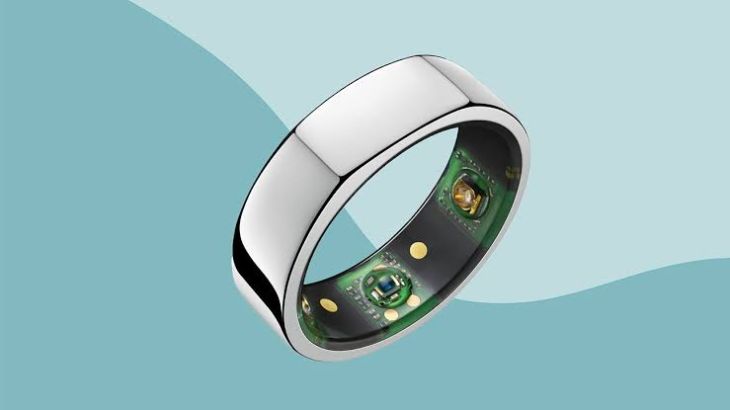
A sleek, distraction-free smart ring resting on a bedside table, representing a screen-free approach to sleep tracking.
If you are tired of the constant blue-light exposure, the daily charging routine, and the physical bulk of standard smartwatches, there is an elegant way to reclaim your sleep hygiene. The Herz P1 Smart Ring is designed specifically for those who want deep, comprehensive biometric monitoring without the daily screen distractions.
Crafted from aerospace-grade, ultra-light titanium, the Herz P1 Smart Ring sits comfortably on your finger, weighing mere grams. It is completely screen-free, which means there are no sudden notifications or flashing lights to trigger your racing mind in the middle of the night. Instead, it quietly and continuously tracks your vital signs from the rich capillary network of your finger, which provides a highly accurate site for capturing biometric signals.
Rather than overwhelming you with endless, complex, hard-to-read graphs, the Herz P1 translates your biometric data into simple, actionable insights. Every morning, you receive an intuitive **Daily Recovery Score** alongside a detailed breakdown of your sleep stages (including REM, Deep, and Light sleep) and your Heart Rate Variability (HRV). This recovery score helps you understand instantly how well your body recovered overnight, allowing you to plan your day’s activity levels accordingly.
- Subscription-Free Model: Unlike other smart rings on the market that require hefty ongoing monthly fees, the Herz P1 is subscription-free. You buy the ring once and own all of your health data forever.
- Ultra-Lightweight Comfort: Its minimalist titanium design is comfortable to wear 24/7, making it easy to sleep in without feeling restricted.
- Extended Battery Life: Forget the hassle of daily charging. The Herz P1 is designed to go days on a single charge, ensuring seamless sleep data collection.
- Simple, Actionable Metrics: It translates complex cardiovascular and movement algorithms into an easy-to-understand Daily Recovery Score.
When it comes to tracking sleep quality, consistency is key. Gaps in your data due to a dead smartwatch battery or because you took a bulky device off out of frustration can prevent you from seeing the bigger picture. By moving the sensors from your wrist to a lightweight, screen-free smart ring, you remove the physical and psychological barriers to consistent sleep tracking. You can finally stop worrying about the technology itself and start focusing on the quiet, deep, restorative rest your body deserves.
Disclaimer: Results may vary depending on individual physical activity levels, unique health conditions, and daily tracking patterns. The technology discussed in this article, including the Apple Watch and the Herz P1 Smart Ring, are consumer wellness devices intended solely to track and monitor general fitness and recovery metrics. They are not medical-grade instruments and should not be used to self-diagnose, treat, or prevent any medical condition, including sleep apnea. If you are experiencing chronic fatigue, breathing difficulties, or suspect you have a sleep disorder, please consult with a qualified healthcare professional.
