

Are You Lying Awake at Night Post-Virus? Understanding Coronasomnia and Reclaiming Your Sleep Architecture
Are you staring at the ceiling at 3 AM, exhausted yet unable to sleep? You might be experiencing coronasomnia. Fortunately, tracking your autonomic recovery metrics with the screen-free Herz P1 Smart Ring helps demystify post-viral fatigue and lets you reclaim deep, restorative sleep.
Take Back Your Sleep.
Take Back Your Life.
- Fall asleep faster & sleep deeper
- Stop waking up in the middle of the night
- Wake up refreshed & full of energy
- Defining the Sleep Crisis: Explore the biological and psychological links behind post-viral restlessness and immune system hyperarousal.
- Chemical and Viral Stressors: Learn how temporary stressors like paxlovid insomnia alter your natural sleep architecture.
- The Science of HRV: Understand why Heart Rate Variability serves as a vital biometric window into your nervous system recovery.
- The Screen-Free Tracking Path: Discover why monitoring your Sleep Stages without screen-induced anxiety is the ultimate recovery habit.
What Is Coronasomnia and Why Does Covid Disrupt Our Sleep?
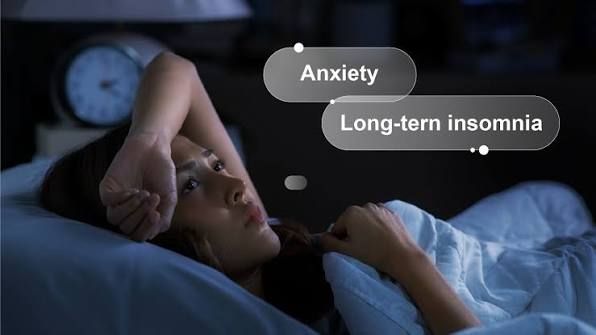
Quick Answer: Yes, viral illnesses like Covid-19 can profoundly disrupt your sleep architecture through a combination of physiological immune stress and systemic anxiety. The short answer is that coronasomnia refers to the collective sleep disturbances—including difficulty falling asleep, midnight awakenings, and unrefreshing rest—linked to the virus. However, to choose the right path to restorative wellness, you must understand how your body’s autonomic nervous system is responding to post-viral stress.
For those struggling with coronasomnia, you are not alone. Our team at Mind Body Dan has observed a massive rise in individuals who are physically exhausted but find themselves lying wide awake at 3 AM with a racing mind. This phenomenon is not merely psychological; it is deeply biological.
The Biological Mechanics of Post-Viral Sleep Disruption
When your body encounters SARS-CoV-2, your immune system launches an intense response. This response involves the release of pro-inflammatory proteins called cytokines. While cytokines are vital for fighting off pathogens, they can also cross the blood-brain barrier. Once in the brain, they can disrupt the delicate structures responsible for regulating sleep-wake cycles, such as the hypothalamus and the pineal gland. This immunological shift contributes significantly to the persistent covid sleep issues reported globally.
This biological disruption leaves the central nervous system in a state of hyperarousal. Even after the acute phase of the illness has passed, your body’s “fight-or-flight” response remains highly active, making deep, restorative sleep feel nearly impossible. You might experience a sensation of physical vibration, a rapid heart rate while trying to sleep, or sudden wakefulness accompanied by brain fog.
When to Track Your Recovery (and When to Seek Clinical Help)
It is important to self-identify your actual physiological needs to determine the best course of action:
- When to Monitor Trends: If you are experiencing mild-to-moderate fatigue, restless nights, or waking up feeling unrefreshed, tracking sleep metrics can help you notice positive lifestyle changes.
- When to Consult a Medical Professional: If you experience severe cardiovascular symptoms, structural breathing issues, chronic oxygen drops, or complete inability to sleep for consecutive days, you should consult a doctor. Biometric wearables are designed for monitoring wellness trends and are not a substitute for clinical diagnostics.
To begin reclaiming your sleep, we recommend establishing a consistent screen-free wind-down routine. One of the best ways to gain peace of mind without triggering sleep anxiety is to transition away from bulky, screen-heavy smartwatches. Instead, monitoring your daily recovery trends with an elegant, screen-free wearable like the Herz P1 Smart Ring allows you to track your recovery without blue-light distractions.
Frequently Asked Questions About Coronasomnia
Q: How long do post-viral sleep issues typically last?
A: For many, sleep changes resolve within four to six weeks. However, for those experiencing long-term recovery challenges, sleep disruption can persist for several months if the autonomic nervous system remains out of balance.
Q: Can a racing mind at night cause physical daytime exhaustion?
A: Absolutely. A brain stuck in hyperarousal prevents you from entering deep sleep, which is when physical tissue repair and cognitive restoration occur, leading to persistent daytime brain fog.
Q: Why do I wake up exactly at 3 AM after being sick?
A: This is often linked to a cortisol spike. When your body is under stress, cortisol (the stress hormone) can rise prematurely in the early morning hours, waking you up from light sleep cycles.
The Chemistry of Nightly Restlessness: Paxlovid Insomnia and Physiological Stress

Unraveling the mysteries of covid sleep issues can feel like trying to solve a puzzle while exhausted. While viral-induced immune activity explains much of this restlessness, medical interventions can also introduce sleep obstacles. A primary example is paxlovid insomnia, a side effect reported by many individuals using antiviral medication during their recovery.
Paxlovid is highly effective at reducing viral replication, but it can cause metabolic changes and a metallic taste in the mouth (known as dysgeusia). For many, dealing with acute paxlovid insomnia during an active infection can disrupt their sleep routine, making it difficult to fall asleep even when physically tired.
Standard smartwatches with glowing screens, continuous vibrate-on-notification systems, and bright displays often raise stress levels and worsen coronasomnia. Moving to an ultra-lightweight, screen-free smart ring lets you capture precise physiological data quietly, helping you rest without distractions.
Heart Rate Variability (HRV): The Autonomic Nervous System Window
To break the cycle of coronasomnia and fatigue, you need to observe how your body is actually recovering. This is where Heart Rate Variability (HRV) becomes a crucial wellness metric.
HRV measures the variation in time between consecutive heartbeats. This metric is controlled by your autonomic nervous system, which is split into two branches:
- The Sympathetic Nervous System (Fight or Flight): When this system is highly active due to illness, stress, or medications, heartbeats become very regular and rhythmic, resulting in a low HRV. This signals that your body is spending a lot of energy keeping up with internal demands.
- The Parasympathetic Nervous System (Rest and Digest): When you are relaxed and recovering well, heartbeats show more variation, leading to a high HRV. This indicates that your body is in an adaptable, resting state.
By monitoring these trends, you can uncover how covid sleep issues manifest in your body. When recovery is going well, you will see your HRV trend upwards over time. If your HRV remains low, it suggests your body is still using energy to manage systemic stress, signaling that you should prioritize rest over intense physical activity.
| Metric | High Range Indicates | Low Range Indicates |
|---|---|---|
| HRV (Heart Rate Variability) | Parasympathetic dominance; ready to adapt and recover. | Sympathetic dominance; physical stress or active recovery. |
| Resting Heart Rate (RHR) | Increased cardiovascular strain or mild fever response. | Efficient rest, recovery, and cardiac output. |
| Deep Sleep Duration | Physical tissue repair, growth hormone release, muscle recovery. | Inability to physically recover, waking up with joint/muscle fatigue. |
The psychological triggers of coronasomnia include anxiety about being sick, scanning for physical symptoms, and feeling frustrated by changes in your routine. This is why standard smartwatches can sometimes hinder recovery; getting alerts on your wrist about how poorly you slept can trigger more anxiety, leading to higher heart rates and lower HRV scores.
By contrast, an unobtrusive wearable like the Herz P1 Smart Ring tracks these metrics silently. It translates complex cardiac and motion data into a simple, actionable Daily Recovery Score, helping you understand your physical status without the distraction of constant screens and notifications.
Reclaiming Your Recovery: How Screen-Free Tracking Rebuilds Healthy Sleep Architecture

To resolve persistent post-viral sleep issues, we must address the structure of sleep itself. Normal, healthy sleep consists of cycling through several distinct stages: Light Sleep, Deep Sleep, and REM (Rapid Eye Movement) Sleep. Each stage plays a vital role in recovery.
During Deep Sleep, your brain releases growth hormone, which is essential for cellular repair and physical recovery. This stage helps clear metabolic waste from brain tissues. REM sleep, on the other hand, is crucial for cognitive processing, memory consolidation, and managing stress. Post-viral recovery often disrupts these deeper sleep stages, leaving you in a state of light, fragmented sleep. You might spend eight hours in bed but wake up feeling completely unrefreshed because you missed out on crucial deep and REM sleep cycles.
Overcoming the Wearable Dilemma
While tracking these sleep stages is invaluable for recovery, the device you use matters. Many health-conscious individuals find traditional smartwatches bulky and uncomfortable to sleep in. These devices require frequent charging, which often means they end up on a charger overnight—exactly when you need them to collect data. Additionally, smartwatches are often expensive and come with monthly subscription fees to access your health data, leading to subscription fatigue.
This is where the Herz P1 Smart Ring offers a helpful solution. Crafted from lightweight, biocompatible titanium, it is comfortable to wear all night long. Its long battery life means you can capture consecutive nights of sleep data without daily charging interruptions. Best of all, it operates on a subscription-free model: you buy the ring once and own your data forever.
Simple, Screen-Free Autonomic Recovery
The Herz P1 Smart Ring measures your sleep stages, HRV trends, and daily activity. By translating these complex metrics into an intuitive Recovery Score, it helps you understand your body’s energy levels without any subscription fees or screen distractions.
By monitoring your sleep stages without a glowing display on your wrist, you can manage the effects of paxlovid insomnia by adjusting your wind-down habits based on your recovery score. For example, if your recovery score is low, you might choose a calming book or a warm bath instead of late-night screen time.
— Sarah M., Certified Sleep Coach & Wellness Consultant
Your path forward for managing coronasomnia recovery lies in tracking your daily metrics consistently. Rather than letting the stress of sleeplessness overwhelm you, look for steady improvements in your Deep Sleep and HRV trends. This approach can help you establish sustainable, screen-free habits that support your body’s natural recovery process.
Tips for Overcoming Post-Viral Restlessness
- Support Your Autonomic Balance: Try simple breathwork exercises, such as the 4-7-8 breathing technique, before bed to help lower your heart rate and support parasympathetic activity.
- Keep Your Bedroom Cool: Your body temperature needs to drop slightly to signal sleep. A cool room (around 65°F to 68°F or 18°C to 20°C) supports deeper rest.
- Keep Your Evening Screen-Free: Try to put away phones and tablets at least 60 minutes before bed. This helps reduce blue light exposure, supporting natural melatonin production.
- Review Your Biometric Trends: Check your resting heart rate and sleep patterns each morning to adjust your daytime activities to your body’s energy levels.
By combining these mindful sleep hygiene practices with screen-free biometric tracking, you can gradually restore your body’s natural rhythms. The Herz P1 Smart Ring is designed to support you along this path, offering precise insights into your recovery without subscription fees or screen distractions.
Disclaimer: Results may vary depending on individual physical activity levels, unique health conditions, and daily tracking patterns. The information provided in this article is for educational purposes only and does not constitute medical advice. Wearable devices like the Herz P1 Smart Ring are designed to track wellness trends and should not be used to diagnose, treat, or cure medical conditions. Always consult a healthcare professional for clinical concerns.
