

Can You Sleep with Your Phone in Your Bed? The Science of Recovery and Sleep Quality
If you struggle with mid-night awakenings and morning brain fog, you might wonder: can you sleep with your phone on your nightstand without ruining your recovery? The science shows that close-proximity screens disrupt vital deep sleep stages. By switching to a screen-free biometric tool like the Herz P1 Smart Ring, you can track recovery without the bedroom distractions.
Take Back Your Sleep.
Take Back Your Life.
- Fall asleep faster & sleep deeper
- Stop waking up in the middle of the night
- Wake up refreshed & full of energy
- The Nightstand Effect: Keeping your phone in bed induces psychological hyperarousal, making sleep shallow and fragmented.
- Circadian Disruption: Blue light suppresses melatonin, pushing back your natural sleep window and reducing restorative Deep and REM cycles.
- Biometric Toll: Sleep-adjacent phones can lower overnight Heart Rate Variability (HRV), indicating poor nervous system recovery.
- The Solution: Reclaiming your sleep hygiene starts with physical distance from screens and utilizing screen-free, lightweight tracking options like the Herz P1 Smart Ring.
The Nightstand Dilemma: Can You Sleep with Your Phone Near Your Bed?

The Quick Answer
No, you should avoid sleeping with your phone in your bed or directly on your nightstand. While having it nearby is incredibly common, the short answer is that proximity to your device creates physiological and psychological barriers to entering deep restorative sleep. However, to choose the right wellness habits and recovery tracking methods, you need to understand how this physical proximity alters your nervous system and sleep architecture.
Why Physical Proximity Strains Rest
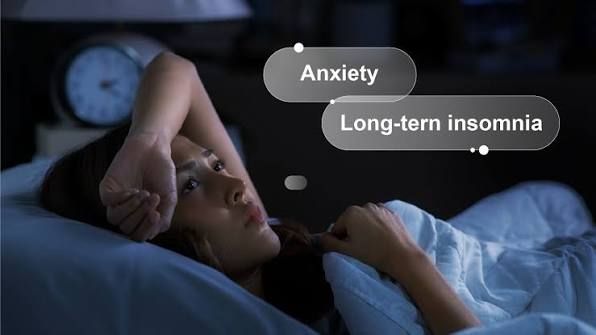
Have you ever found yourself staring at the ceiling at 3 AM, your mind racing with a mild hum of anxiety, and your hand instinctively reaching for your phone? This common scenario is a direct consequence of keeping your device within arm’s reach. When you ask, can you sleep with your phone on your mattress or pillow, the primary concern is not just the theoretical worry over radiation, but the actual state of cognitive hyperarousal it triggers.
Our brains are highly adaptive. When a smartphone is next to our head, the subconscious mind remains in a state of “expectant waiting.” We anticipate notifications, emails, or updates. This anticipation keeps the sympathetic nervous system—our “fight or flight” mechanism—mildly active, preventing the smooth transition into the parasympathetic “rest and digest” state necessary for deep recovery.
This continuous connection contributes heavily to the growing prevalence of smartphone sleep deprivation. Instead of allowing your body’s natural sleep-wake cycle to take over, your evening routine is punctuated by dopamine-driven loops. A quick check of the news or social media before turning off the light can delay sleep onset by over an hour, leading to systemic fatigue, morning brain fog, and a persistent feeling of being unrefreshed despite spending eight hours in bed.
When to Keep Your Phone Out of the Bedroom (and When It’s Acceptable)
Understanding your own lifestyle and health goals is critical to deciding where your phone belongs at night. Let’s look at the parameters for physical device placement:
- Keep it outside the bedroom if: You experience frequent 3 AM awakenings, suffer from morning brain fog, have a habit of doomscrolling before sleep, or find yourself feeling overly anxious or stressed during the day without an obvious physical cause.
- It may be acceptable in the room (at a distance) if: You use it strictly as an alarm clock placed at least 10 feet away from your bed, have all notifications completely silenced, and do not interact with the screen for at least 60 minutes before closing your eyes.
Suggested Solutions
If your goal is to reclaim restful sleep, the most effective strategy is to sleep the phone entirely in another room. For many, this transition causes a new type of anxiety: “How will I track my sleep patterns or check my morning recovery?”
This is where traditional smartwatches often fall short. They are bulky, uncomfortable to wear to bed, require daily charging, and their screens present yet another source of sleep-disrupting light. A comfortable, elegant alternative is a screen-free biometric tracker like the Herz P1 Smart Ring. Crafted from lightweight titanium, it sits discreetly on your finger, tracking detailed sleep stages and heart health metrics subscription-free. It translates complex sleep data into a single, actionable Recovery Score without bringing screens, blue light, or buzzing notifications into your bedroom.
Traditional trackers often exacerbate the very sleep anxiety they aim to measure. Constantly checking a screen on your wrist for sleep data can keep your mind active. A screen-free smart ring collects highly accurate physiological trends quietly in the background, allowing you to focus on letting go of daytime stress.
Short FAQ: Proximity and Sleep
Q: Does keeping my phone in my bed cause physical harm from radiation?
A: While regulatory bodies monitor radiofrequency (RF) emissions, there is no definitive scientific consensus proving low-level RF from phones causes direct tissue damage. However, the thermal warmth and potential for sleep disruption are well-documented reasons to keep devices away from your pillow.
Q: Can I sleep with my phone under my pillow if it is on Airplane Mode?
A: Placing a phone under your pillow is a fire hazard due to heat retention. While Airplane Mode stops cellular transmission, the physical presence of the device still presents a psychological temptation to check it if you wake up during the night.
Q: Will leaving my phone across the room improve my sleep quality?
A: Yes. Forcing yourself to stand up to turn off your morning alarm prevents hitting snooze repeatedly, and removing the screen from your immediate reach significantly reduces late-night scrolling temptation.
The Biometric Cost of Midnight Scrolling: Sleep Stages, HRV, and Your Recovery
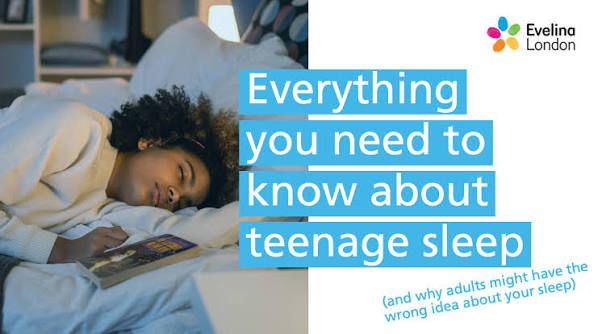
To understand the full scope of smartphones and sleep disruptions, we must look at how the human body processes rest at a biological level. Sleep is not a uniform state of unconsciousness; it is an active, highly structured neurological process divided into distinct cycles and stages.
The Melatonin Blockade and Sleep Architecture
When your eyes are exposed to the short-wavelength blue light emitted by smartphone screens, specialized photosensitive retinal ganglion cells send signals directly to your suprachiasmatic nucleus (the brain’s master clock). This signal suppresses the synthesis of melatonin, the hormone responsible for signaling to your body that it is time to sleep.
When melatonin is suppressed, the onset of sleep is delayed. More importantly, your sleep architecture is altered. Sleep architecture consists of light sleep, Deep Sleep (NREM stage 3), and REM (Rapid Eye Movement) sleep. Deep sleep is when your body physically repairs itself, releasing growth hormones, repairing cellular damage, and strengthening the immune system. REM sleep is crucial for cognitive processing, memory consolidation, and emotional regulation.
By engaging in late-night phone sleep habits, you cut short the early cycles of deep sleep, which occur predominantly in the first half of the night. This explains why you might sleep for a full eight hours but still wake up feeling physically drained and mentally foggy—your brain was unable to spend enough time in the deep, restorative phases of sleep.
Heart Rate Variability (HRV) and Autonomic Strain
Another key biometric indicator impacted by nighttime phone use is Heart Rate Variability (HRV). HRV is the variation in time intervals between consecutive heartbeats. It is regulated by your autonomic nervous system, which is split into the sympathetic (fight-or-flight) and parasympathetic (rest-and-recovery) branches.
A high HRV indicates that your body is highly adaptable, relaxed, and recovering well. A low HRV suggest that your body is under stress, stuck in a state of sympathetic dominance. When you lie in bed scrolling through work emails, social media, or stressful news stories, you stimulate your adrenal glands to release cortisol and adrenaline. This elevates your resting heart rate and depresses your HRV throughout the night.
How Phone Stress Lowers HRV: When you read a stressful email or post before sleep, your heart rate rises. Even if you fall asleep shortly after, your cardiovascular system remains elevated for hours, resulting in a lower average overnight HRV and a poor overall recovery score the next day.
Many people try to track these metrics to understand their health, yet they face an operational roadblock: wearing a large, screen-heavy smartwatch is uncomfortable, intrusive, and often causes additional sleep disruptions when the screen lights up from arm movements. Furthermore, the constant notifications and requirement for daily charging make them high-maintenance additions to an already busy life.
Reclaiming Your Bedroom: Practical Habits and Screen-Free Sleep Tracking
Transitioning away from a phone-centric bedtime routine is one of the most powerful steps you can take for your long-term health. If you are asking yourself, can you sleep with your phone on your nightstand and still wake up feeling vibrant, the realistic answer is that making a physical change to your environment yields far better results than relying on willpower alone.
Establishing an Out-of-Reach Boundary
To break the cycle of smartphone sleep interruption, establish a physical boundary. Purchase a dedicated charger and set it up outside your bedroom—perhaps in the kitchen or hallway. Make it a rule to plug your phone in at least 45 to 60 minutes before you intend to sleep.
Replace your phone with screen-free, calming alternatives:
- Read a physical book under warm, dim lighting.
- Practice light stretching or gentle breathing exercises to activate your parasympathetic nervous system.
- Keep a physical journal on your nightstand to write down any lingering thoughts or to-do lists, clearing your mind of anxiety before sleep.
Tracking Your Recovery Without the Distraction of Screens
For those who want to optimize their wellness through data, giving up a smartphone on the nightstand shouldn’t mean giving up insights into your health. The key is finding a tracking method that integrates seamlessly into your life without adding to your screen-time fatigue.
The Herz P1 Smart Ring is designed specifically for this purpose. It is a premium, subscription-free wearable crafted from durable, medical-grade titanium. Because it has no screen, it does not emit blue light or interrupt your evening with notifications. It sits comfortably on your finger, measuring sleep stages, heart rate, and Heart Rate Variability (HRV) using advanced biometric sensors.
The Herz P1 Smart Ring: Your Screen-Free Companion
Track your Deep Sleep, REM cycles, and daily Recovery Score without subscription fees or screen distractions. Elegant, titanium-built, and designed for ultimate night-time comfort.
Instead of waking up and immediately checking your phone to see a complex list of difficult-to-read graphs, the smart ring consolidates your overnight biometrics into an intuitive daily Recovery Score. This simple metric tells you exactly how prepared your body is for the day ahead, helping you make informed decisions about your workouts, work schedule, and rest habits.
By moving your phone out of reach and relying on a screen-free biometric tool, you eliminate the cognitive pull of notifications, reduce blue light exposure, and create a calm space dedicated solely to recovery. Reclaiming your sleep doesn’t require complex lifestyle changes—it simply requires making conscious adjustments to where you sleep the phone and choosing tools that support, rather than disrupt, your natural biological rhythms.
Disclaimer: Results may vary depending on individual physical activity levels, unique health conditions, and daily tracking patterns. The Herz P1 Smart Ring is a wellness tracking device designed to provide data-informed insights into sleep and recovery trends; it is not intended to diagnose, treat, or cure any medical conditions.
