Does Caffeine Block Adenosine and How to Avoid Coffee Crashes

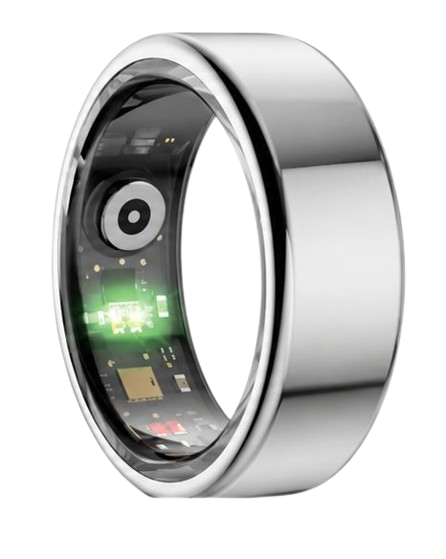
Many of us rely on a warm cup of coffee to jumpstart our morning, but we rarely stop to consider how “caffeine and adenosine” interact within our brain to dictate our energy levels. When you experience a sudden afternoon slump, it is not a random event; it is the physiological consequence of how caffeine alters your brain chemistry. If you want to take control of your daily vitality and understand your body’s true recovery patterns, the subscription-free Herz P1 smart ring offers the precise tracking tools you need to optimize your lifestyle.

Flash Sale Alert
⚡ No Monthly Subscription

Built to Last. Save Up to 69% Today.

The Herz P1 Smart Ring tracks HRV, Sleep, Heart Rate & SpO2 around the clock. No subscriptions. No renewals. Ever.

🎁 One offer. One day. — 69% off a lifetime of health.

Claim Your 69% Discount Now →

✓ Works with iOS & Android✓ 6-Day Battery🔒 100% Encrypted & Secure Checkout

Herz P1 Smart Ring Sale

Save 69% — Today Only
⚠ Popular item. Extended shipping may apply.

In This Article

  • The Molecular Mechanisms: How caffeine binds to adenosine receptors and temporarily halts sleep pressure.
  • Anatomy of a Coffee Crash: Why blocking adenosine leads to a massive, sudden surge of fatigue later in the day.
  • Preventative Strategies: Scientific timing guidelines, including the ideal morning delay and afternoon cutoffs.
  • Biometric Diagnostics: Utilizing smart ring data to map your personal cardiovascular and sleep responses to stimulants.

Does Caffeine Block Adenosine? Here is What the Science Reveals

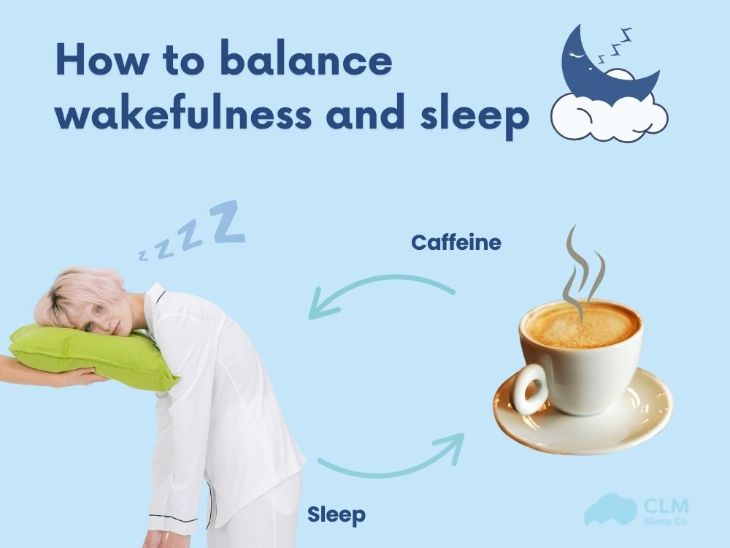
A person sleeping peacefully while managing their caffeine intake and adenosine levels

To understand daily fatigue, you must understand the relationship between caffeine and adenosine.
Adenosine is a natural chemical compound that builds up in your brain every single minute you are awake.
Medical researchers refer to this ongoing accumulation as sleep pressure.
The longer you stay awake, the more adenosine accumulates in your central nervous system.
This buildup binds to specific neural receptors, slowing down brain activity and preparing your body for deep recovery.
When you consume a cup of coffee, caffeine enters your bloodstream and quickly travels to your brain.
On a molecular level, the caffeine molecule looks remarkably similar to adenosine.
Because of this structural similarity, caffeine easily fits into your caffeine adenosine receptors.
However, caffeine does not activate these receptors to make you sleepy.
Instead, it acts as a competitive antagonist, effectively locking onto the receptors and blocking adenosine from doing its job.
This blocking action prevents your brain from realizing how tired you actually are.
This process affects anyone who consumes caffeinated beverages, including busy office workers, students, and athletes.
The block occurs within 20 to 45 minutes of ingestion and takes place directly within the synapses of your brain.
While this block is incredibly effective at masking tiredness, it does not actually eliminate adenosine.
While caffeine is busy holding the receptors hostage, your body continues to produce adenosine in the background.
The accumulation does not stop; it merely waits behind a closed chemical dam.
This quantitative reality means that even a moderate intake of 100 to 200 milligrams of caffeine can fully mask a heavy biological sleep debt.
If you want to track how this neurological block affects your resting vitals, the Herz P1 Smart Ring monitors your heart rate and movement patterns 24/7.
By observing these metrics, you can see exactly when the stimulant is active and when your body begins to call for genuine rest.
Explore the health-tracking capabilities of the Herz P1 — explore it here.
Herz P1 Smart Ring Guarantee

Zero Risk. Forever.

90-Day 100% Money-Back Guarantee

★★★★★

“The Herz Smart Ring helps me manage stress easily. It’s accurate, stylish, and lightweight—perfect for my busy life!”

— Jennifer P. | ✔ Verified Customer

  • ✓ 6-Day Battery Life
  • ✓ Detailed Sleep Analysis
  • ✓ Fast 1-Hour Charging
  • ✓ iOS & Android Ready

Order Yours Today →

Questions? Call: 1-866-479-1629

Understanding the Anatomy of a Coffee Crash

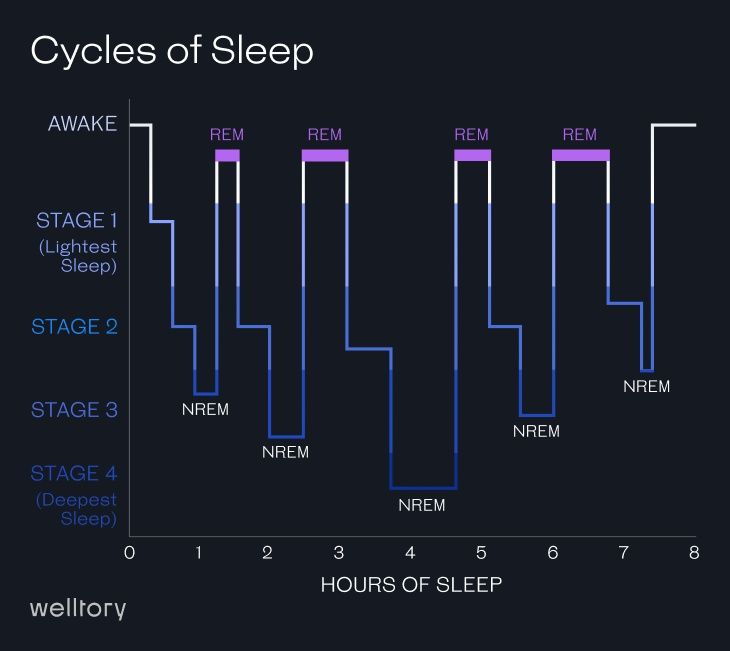
The physiological sleep stages and human brain activity during recovery cycles

The physiological phenomenon known as a coffee crash is the direct result of chemical backlog clearance.
As your liver processes the caffeine in your system, the block on your receptors begins to dissolve.
The liver utilizes specific enzymes to break down the stimulant over several hours.
Once the caffeine molecules clear out, the massive backlog of accumulated adenosine floods the newly vacant receptors.
This causes a sudden, intense wave of sleep pressure that hits your central nervous system all at once.
This is why you experience a severe drop in focus, motivation, and physical energy, often referred to as crashing from caffeine.
Your brain is suddenly forced to process hours of accumulated fatigue in a matter of minutes.
The severity of this crash is directly proportional to how much sleep debt you carried before drinking your beverage.
If you did not sleep well the night before, your baseline adenosine levels were already elevated when you woke up.
Using a stimulant on top of sleep deprivation only delays the inevitable physiological bill.
Furthermore, relying on another cup of coffee to fix the crash creates a vicious, self-reinforcing cycle.
This habit keeps your adenosine receptors occupied until late in the evening, which directly disrupts your sleep architecture.
According to the American Heart Association, continuous stimulant dependency can alter your resting heart rate and elevate daily stress markers.
By using the Herz P1 Smart Ring, you can observe these autonomic changes in real time.
The device continuously reads your heart rate variability (HRV) to show how your nervous system handles caffeine processing.
A sudden drop in your HRV score often precedes the subjective feeling of a crash, giving you an objective warning.

How to Optimize Your Caffeine Window and Protect Your Sleep Architecture

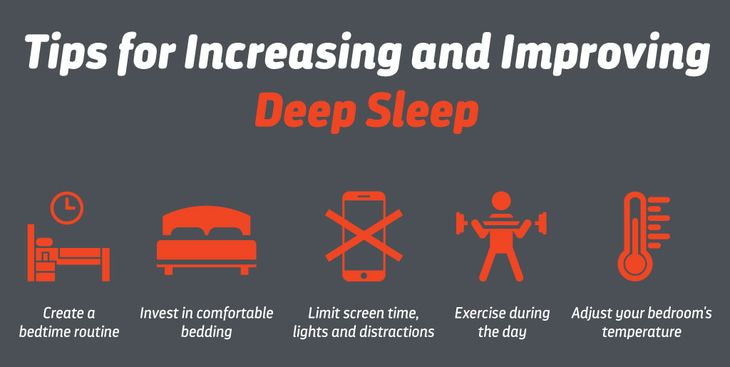
A detailed infographic showing sleep optimization methods and deep sleep tracking

Avoiding the afternoon slump requires a tactical approach to your daily caffeine window.
The first step is to delay your very first cup of coffee by 90 to 120 minutes after waking up.
When you first open your eyes, your body naturally produces cortisol to wake you up.
During this initial waking phase, your remaining adenosine from the previous night is still gently clearing out.
If you flood your system with caffeine immediately, you disrupt this natural cortisol spike.
By waiting 90 minutes, you allow your baseline adenosine levels to drop naturally.
This delay ensures that when you finally consume caffeine, there is very little backlog waiting to crash your system later.
The second step involves establishing a strict afternoon caffeine cutoff time.
Caffeine has an average half-life of roughly five to seven hours in healthy adults.
This means if you drink a double espresso at 2:00 PM, up to 50% of that stimulant is still active in your brain at 9:00 PM.
Even if you can fall asleep with caffeine in your system, the quality of your rest will suffer.
The National Sleep Foundation emphasizes that late-day stimulants drastically reduce deep sleep and REM cycles.
This disruption explains why do i wake up tired even after spending eight hours in bed.
Your body spent the night fighting the stimulant instead of entering restorative sleep stages.
To avoid this issue, experts recommend stopping all caffeine intake at least ten hours before your planned bedtime.
Consistently sticking to this rule allows your brain to execute natural caffeine and sleep transitions.
The Herz P1 Smart Ring acts as an objective mirror, showing you the exact percentage of deep and REM sleep you achieve each night.
If your deep sleep duration is below the recommended 15% to 20%, your afternoon coffee habit is the likely culprit.

How to Read Your Body’s Biometrics and Energy Patterns

Tracking your physical response to stimulants is easy when you utilize advanced biometric wearables.
The Herz P1 Smart Ring collects key metrics that show exactly how caffeine influences your cardiovascular system.
When you consume stimulants, your sympathetic nervous system is activated, causing your heart rate to rise.
Simultaneously, your heart rate variability (HRV) typically drops as your body enters a temporary state of alertness.
The Herz P1 companion app logs these changes continuously, displaying them in clear, easy-to-read daily trend charts.
By reviewing this data, you can pinpoint the exact moment your body processes caffeine and returns to homeostasis.
To help visualize these biometric shifts, let us examine how stimulant timing impacts key physiological metrics:
Biometric Metric Optimal Caffeine Habits Improper Caffeine Habits
Resting Heart Rate (RHR) Remains stable and drops to baseline during sleep Elevated by 5-10 BPM overnight, indicating poor recovery
Heart Rate Variability (HRV) Maintains healthy fluctuations with robust recovery windows Suppressed daytime and nighttime scores, indicating high strain
Deep Sleep Percentage 15% to 22% of total sleep time, allowing physical repair Drops below 10%, leading to chronic morning muscle fatigue
As shown in the data above, the timing of your stimulants plays a massive role in your overall recovery.
If your resting heart rate remains elevated during sleep, your brain is still actively blocking adenosine receptors.
The Herz P1 utilizes advanced optical sensors to capture these subtle shifts at the base of your finger.
Because the blood vessels in your fingers are closer to the skin surface than those in your wrist, the ring provides highly accurate PPG data.
This clinical-grade accuracy allows you to make precise adjustments to your morning and afternoon routine.
Over time, you can design a custom schedule that supports sustained focus without sacrificing overnight recovery.

Avoiding Common Pitfalls in Health Tracking and Sleep Monitoring

Many people attempt to track their energy and sleep using large, heavy smartwatches.
However, wearing a bulky device to bed can actually disrupt your sleep and skew your baseline data.
The physical discomfort of a watch strap often leads to tossing and turning, which the device may misinterpret as wakefulness.
Furthermore, many popular smartwatches require daily charging, meaning you have to take them off during the night or morning.
This creates frequent gaps in your health data, making it difficult to spot long-term patterns.
Another common issue in the wearable market is the hidden cost of ongoing software subscriptions.
Several premium brands force you to pay a monthly fee just to access your own biometric data.
We believe you should never have to pay a recurring fee to understand your own body.
The Herz P1 Smart Ring companion app is 100% free for life, with absolutely no subscription walls.
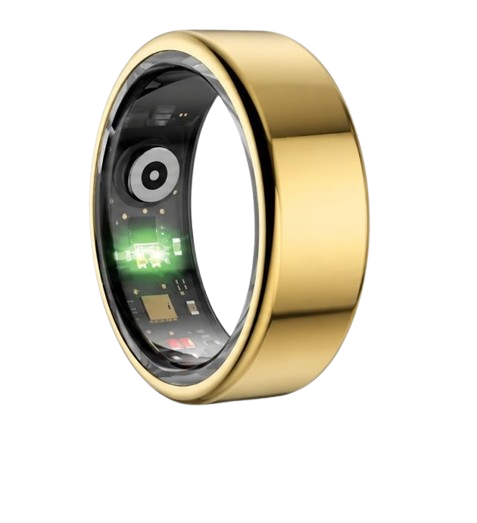
Engineered with military-grade steel and an IP68 waterproof rating, this lightweight ring is built for seamless 24/7 wear.
With a robust 6-day battery life, you can track your sleep stages, HRV, and daily stress indicators without constant charging interruptions.

Frequently Asked Questions About Sleep, Energy, and Herz P1

Is the Herz P1 smart ring waterproof enough for daily wear?
Yes, the Herz P1 features a certified IP68 waterproof rating.
This high level of protection means you can safely wear the ring while washing your hands, taking a shower, or swimming.
The internal electronics are completely sealed within military-grade steel, ensuring no water can penetrate the casing.
You can confidently go about your daily routine without worrying about moisture damage.

How long does the battery last on a single charge?
The Herz P1 is designed for extreme efficiency and offers a battery life of up to 6 full days.
When the battery does run low, you can charge the device back to 100% in under one hour.
This fast-charging capability means you spend less time waiting and more time gathering valuable health data.
The long-lasting battery makes it incredibly easy to maintain a continuous, gap-free biometric profile.

Which finger is the best choice for wearing the smart ring?
For the highest level of biometric accuracy, we recommend wearing the Herz P1 on your index finger.
The index finger typically has the strongest blood flow, which helps the optical sensors read your heart rate and SpO2 levels more clearly.
However, the ring is also fully compatible with your middle or ring finger if those feel more comfortable for daily wear.
Ensuring a snug, secure fit is the most important factor for consistent tracking results.

Does the Herz P1 store my data offline when my phone is not nearby?
Yes, the Herz P1 has built-in local memory that can store up to 7 days of biometric data offline.
If you go for a run without your smartphone or sleep with your phone in another room, your data remains perfectly safe.
Once your ring reconnects to your phone via Bluetooth, all of your saved metrics sync automatically to the app.
This feature ensures you never lose valuable insights due to a temporary lack of connectivity.

⭐ New & Improved Model
Herz P1 Smart Ring

Herz P1 Smart Ring

★★★★★

13,427+ Happy Customers

  • ✓ 2-Year Warranty — Full manufacturer coverage
  • ✓ Military-Grade Steel & IP68 Waterproof
  • ✓ Zero Monthly Fees — Free App Forever

Check Availability & Pricing →

Take Control of Your Daily Wellness Patterns

Understanding how caffeine blocks adenosine is the first step toward reclaiming your energy.
By timing your coffee intake, prioritizing sleep, and using advanced biometrics, you can eliminate the daily crash.
The Herz P1 Smart Ring makes it easy to monitor your body’s response to your daily habits.
With high-precision sensors, a durable steel design, and zero monthly fees, it is the perfect tool for proactive health.
Ready to monitor your health every day? Explore the Herz P1 Smart Ring and see if it fits your lifestyle. Call: 1-866-479-1629 — our team can help you advise on the correct ring size and set personalized health goals.
Disclaimer: Individual results may vary depending on individual health conditions, age, and lifestyle habits. This article is intended for general health reference purposes only.

Leave a Reply

Your email address will not be published. Required fields are marked *