

Many people struggle to balance their morning coffee with restorative rest, unaware of how caffeine and sleep directly conflict at a biological level. If you regularly experience midnight tossing and turning, your daily stimulant habits are likely disrupting your natural recovery cycles. Fortunately, the subscription-free Herz P1 Smart Ring continuously tracks your biometric data to help you pinpoint exactly when to stop drinking coffee.
Built to Last. Save Up to 69% Today.
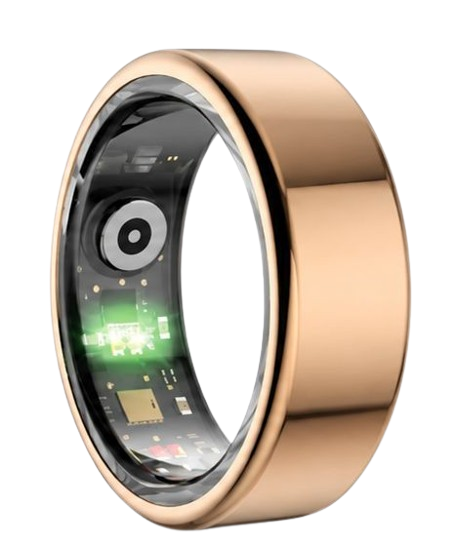
The Herz P1 Smart Ring tracks HRV, Sleep, Heart Rate & SpO2 around the clock. No subscriptions. No renewals. Ever.
In This Article
- Calculate and Optimize Your Personal Caffeine Window: A detailed, action-oriented step-by-step roadmap.
- The Molecular Battle: Exploring how caffeine blocks adenosine receptors inside your brain.
- Tracking the physiological Crash: How advanced smart rings measure nervous system strain.
- Calibrating Biometrics: Using real-time heart rate variability data to refine your lifestyle.
How to Calculate and Optimize Your Personal Caffeine Window: A Step-by-Step Guide
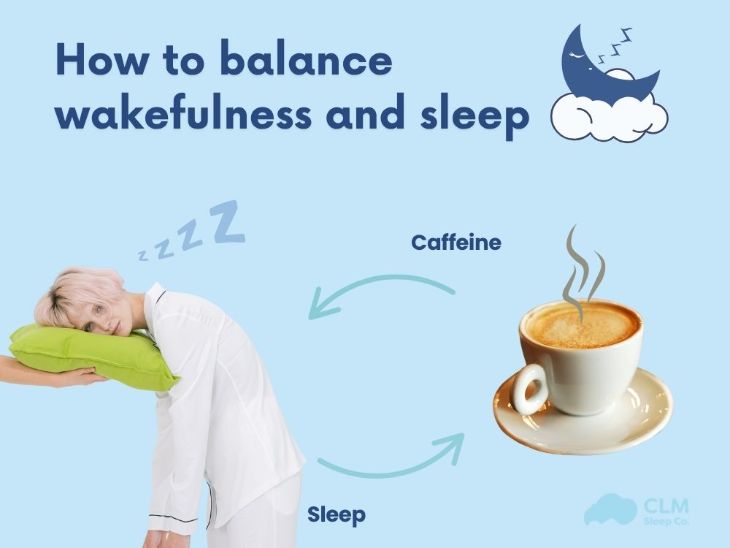
Figuring out exactly when your body clears stimulants is the first major step toward reclaiming deep, restorative sleep.
Many people run on autopilot and consume double-shot espressos late into the afternoon without considering the physiological consequences.
This guide will walk you through a highly systematic protocol to determine your unique metabolic tolerance.
You will learn how to design a schedule that respects your internal circadian rhythms and sleep quality.
Prerequisites / What You’ll Need: You will need a basic method to record your daily bedtime habits and wakefulness levels. You should also have a reliable biometric tracker to measure your real-time heart rate variability and deep sleep cycles.
Step 1: Define Your Ideal Bedtime Anchor
First, you must establish a highly consistent bedtime that you can commit to every single night of the week.
Choose a targeted sleep window that easily allows for seven to eight hours of complete physical and mental recovery.
This chosen bedtime will serve as the primary mathematical baseline for all of your subsequent stimulant calculations.
Consistency is incredibly key because your nervous system relies on predictable circadian signals to initiate sleepiness.
Avoid changing this anchor time during the weekends, as doing so can easily trigger a disruptive state known as social jetlag.
If you frequently shift your sleep hours, your body will struggle to stabilize its core internal temperature.
A stable baseline bedtime allows your heart rate to drop naturally in the early evening hours.
Establishing this solid foundation is crucial before you attempt to modify any other dietary habits.
Write down this specific bedtime goal in a visible place to reinforce your daily commitment to recovery.
Make sure your bedroom environment is cool, quiet, and completely dark to support this primary anchor.
Step 2: Establish Your Core Six-Hour Cutoff Boundary
Once your anchor bedtime is set, calculate your starting cutoff by subtracting six hours from that target.
For example, if you plan to sleep at ten in the evening, your hard caffeine boundary is four in the afternoon.
Clinical research indicates that the average half-life of stimulants in healthy adults ranges from five to seven hours.
This means a significant portion of the chemical remains active in your bloodstream long after your final cup.
Continuing to consume coffee past this calculated boundary can severely impact your slow-wave recovery phases.
Even if you fall asleep easily, the residual chemical presence will keep your brain in lighter sleep stages.
This artificial light sleep pattern prevents your muscle tissues and cardiovascular system from fully repairing.
Think of this initial six-hour rule as a non-negotiable boundary for protecting your vital recovery.
Mark this daily cutoff time on your smartphone calendar to remind yourself to transition to decaffeinated options.
This simple habit change is often enough to resolve minor overnight restlessness for average metabolizers.
Step 3: Assess Your Morning Wakefulness Patterns
Observe exactly how your body feels during the first thirty minutes after waking up each morning.
If you consistently experience a heavy, brain-fogged groggy feeling, your body is sending a clear distress signal.
This persistent physical lethargy often suggests that your liver clearance rate is slower than the population average.
Slow metabolizers often require up to ten full hours to process and eliminate stimulants from their bloodstream.
Pay close attention to whether you depend on an immediate dose of coffee just to function.
Needing a stimulant first thing in the morning indicates that your sleep architecture was severely compromised.
Document these morning physical feelings in a simple journal to track patterns over several weeks.
Recognizing these subjective bodily responses is essential for personalizing your metabolic schedule.
Do not ignore these early signals, as they are direct reflections of your underlying nervous system recovery.
Your subjective experience provides invaluable context that raw data alone cannot fully capture.
Step 4: Systematically Pull Back Your Consumption Window
Begin shifting your final daily espresso hour earlier by thirty minutes every three days.
This systematic, gradual tapering strategy allows your delicate central nervous system to adapt without shock.
Sudden withdrawal can cause unpleasant side effects such as moderate tension headaches and irritability.
Continue pulling your window back until you establish your highly personalized caffeine window.
Many individuals discover that a cutoff of nine to ten hours before bed completely transforms their nights.
Be patient during this transition period, as your cellular receptors require time to recalibrate.
You may experience temporary afternoon fatigue as your body adjusts to the absence of late-day stimulants.
Combat this temporary energy dip by drinking ice-cold water or taking a brisk ten-minute walk.
This steady process ensures you achieve lasting sleep improvements without sacrificing your daily productivity.
By taking small, measured steps, you make the lifestyle change highly sustainable over the long term.
Step 5: Verify Your Results with Objective Sleep Stage Data
Use high-quality biometric feedback to confirm if your new stimulant schedule is successfully working.
Monitor your deep sleep and rapid eye movement percentages over a continuous two-week period.
A successful timing strategy will manifest as a noticeable increase in your overall sleep score.
You should also see a faster decrease in your resting heart rate once you lie down to sleep.
Compare your nightly metrics against the baseline data you gathered before starting the experiment.
If your deep sleep percentage rises toward twenty percent, your physical recovery is optimal.
Make small, five-minute adjustments to your schedule based on these concrete physical trends.
Objective metrics remove all the emotional guesswork from managing your daily dietary choices.
Let your actual bodily data guide your decisions rather than relying on generalized online advice.
This data-driven approach is the most effective way to guarantee permanent, high-quality sleep.
The Herz P1 Smart Ring is the ultimate companion for this biological tracking experiment.
This military-grade steel ring monitors your autonomic nervous system with medical-grade precision.
It requires no monthly subscription fees, ensuring you have lifetime access to your detailed recovery trends.
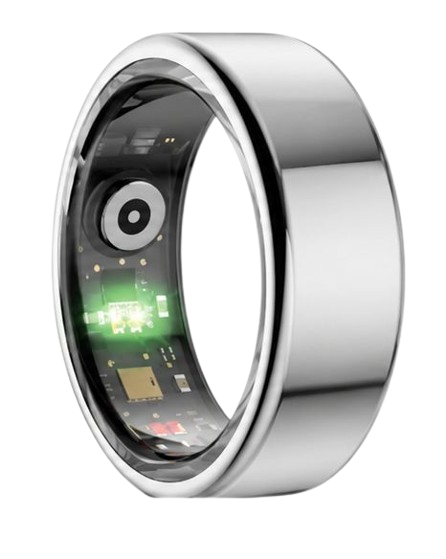
90-Day 100% Money-Back Guarantee
“The Herz Smart Ring helps me manage stress easily. It’s accurate, stylish, and lightweight—perfect for my busy life!”
— Jennifer P. | ✔ Verified Customer
- ✓ 6-Day Battery Life
- ✓ Detailed Sleep Analysis
- ✓ Fast 1-Hour Charging
- ✓ iOS & Android Ready
Questions? Call: 1-866-479-1629
The Molecular Battle: How Caffeine Adenosine Receptors Direct Your Energy
To understand why coffee keeps you alert, you must first understand the molecular mechanics of sleepiness.
Throughout the day, your brain naturally accumulates a cellular byproduct known as adenosine.
This compound binds to specific receptors in your nervous system to create sleep pressure.
As adenosine levels rise, you feel increasingly relaxed and ready for deep, restorative rest.
However, caffeine molecule structures closely mimic this sleep-inducing chemical.
When you drink coffee, the stimulant molecules lock directly into your caffeine adenosine receptors.
This binding blocks the real adenosine from doing its job, effectively masking your true fatigue.
The National Sleep Foundation warns that this artificial alertness can easily trick your nervous system.
Even if you feel energized, your body still desperately needs physical and mental recovery.
As the liver metabolizes the stimulant, the blocked adenosine suddenly floods your system.
This sudden chemical rush is what creates the dreaded afternoon crash.
If this molecular blockade occurs too close to bedtime, your brain cannot enter deep sleep stages.
This chemical interference explains why do i wake up tired even after eight hours in bed.
Protecting these receptor pathways is vital for avoiding chronic cognitive burnout.
By mapping your unique biometrics, you can easily defend your brain’s natural chemistry.
This molecular awareness is the secret to waking up refreshed every single day.
Tracking the Crash: How Smart Rings Measure Stimulant-Induced Sleep Disruptions
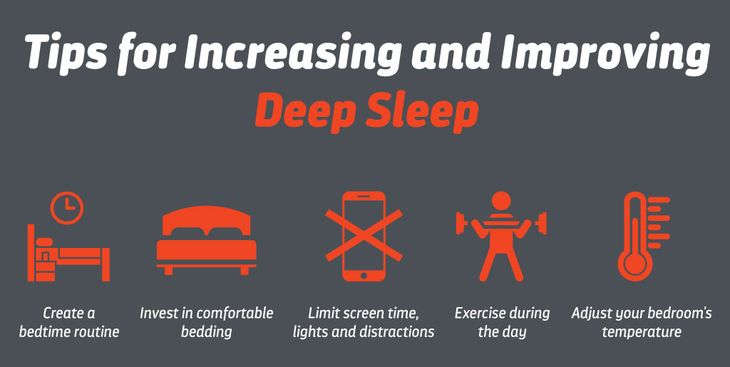
Many people wonder exactly how long does caffeine affect sleep after their last afternoon cup.
The physiological answer lies hidden deep within your nightly cardiac and neurological patterns.
Consuming coffee late in the day can drastically degrade your overall coffee and sleep quality metrics.
A smart ring reads these invisible disruptions through high-precision optical sensors at the base of your finger.
These sensors detect subtle changes in heart rate variability, or HRV, which reflects nervous system stress.
When stimulants remain active in your system, your resting heart rate stays elevated for hours.
This elevated state prevents your parasympathetic nervous system from activating deep physical recovery.
The American Heart Association highlights resting heart rate as a key indicator of cardiovascular strain.
Additionally, caffeine can cause subtle airway muscle relaxations, affecting your SpO2, or blood oxygen levels.
The Herz P1 Smart Ring measures these delicate blood oxygen drops with an industry-grade optical array.
You can view these deep-sleep metrics easily on your companion dashboard every morning.
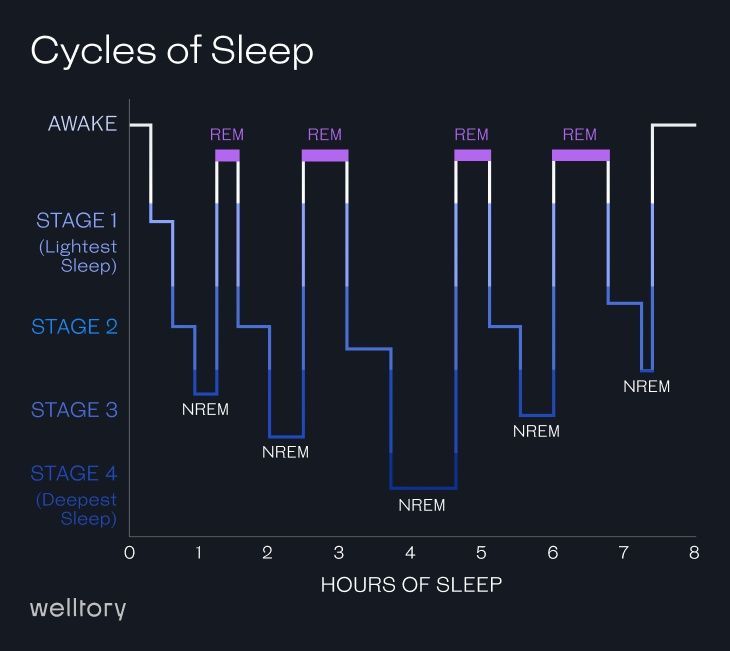
If your deep sleep percentage falls below fifteen percent, your body is not recovering physically.
Similarly, a lack of REM sleep will leave your brain feeling scattered and cognitively unfocused.
Tracking these biological signs allows you to adjust your daily dietary habits with absolute confidence.
A high-quality wearable turns subjective experiences into concrete, actionable recovery goals.
You no longer have to guess whether your lifestyle choices are supporting or harming your longevity.
Practical Integration: Calibrating Your Caffeine Intake with Herz P1 Biometrics
Calibrating your daily coffee habits does not require tedious guesswork or expensive medical equipment.
The Herz P1 companion app presents your physiological data in highly intuitive, color-coded graphs.
Start by checking your morning Recovery Score immediately after waking up.
If your score is low, examine your overnight HRV trends to see when your heart rate finally dropped.
A late-night heart rate drop indicates that caffeine was still active during your first sleep cycles.
Use this concrete evidence to pull your afternoon coffee cutoff time thirty minutes earlier.
The military-grade steel construction ensures you can wear the ring 24/7 without worrying about wear and tear.
This continuous wear is critical for building a highly accurate baseline of your health habits.
Unlike bulky smartwatches, the sleek and lightweight ring fits comfortably during both intense workouts and deep sleep.
You can wear it while washing your hands or showering, thanks to its IP68 waterproof rating.
The integrated optical sensors sit snug against your skin to minimize any light leakage artifacts.
This snug fit guarantees highly consistent readings even when you roll over in bed.
By aligning your daily habits with objective biometric feedback, you can permanently eliminate daytime fatigue.
Take control of your daily wellness journey by leveraging the power of real-time health tracking.
A tiny adjustment to your routine can yield massive benefits for your cognitive performance.
Overcoming Smart Wearable Pitfalls: Choosing Comfort Over Clunky Hardware
A highly common mistake is wearing a heavy, bulky smartwatch to bed to track sleep patterns.
These large devices often cause micro-awakenings when they press against your face or wrist during the night.
These invisible awakenings ruin your sleep architecture and skew your biometric data accuracy.
A lightweight smart ring offers a far more comfortable, distraction-free sleep tracking solution.
Another major pitfall in the wearable market is the hidden cost of ongoing monthly subscriptions.
Many leading brands force you to pay high recurring fees just to access your own personal health data.
We believe your biometric information belongs to you and should never be locked behind a paywall.
The Herz P1 app is entirely free for life, with absolutely zero monthly subscriptions or renewal costs.
This ensures you can track your physiological trends over several years without any unexpected financial strain.
Investing in durable, subscription-free hardware is the smartest path to long-term health monitoring.
Additionally, avoid fragile plastic rings that scratch easily during normal daily activities.
Our ring is built with military-grade steel to withstand the toughest real-world environments.
You deserve a device that matches your active lifestyle while providing clinical-grade monitoring accuracy.
Say goodbye to daily charging anxiety and restrictive, expensive software paywalls.
Choose a seamless health companion that respects both your comfort and your personal budget.
Frequently Asked Questions About Caffeine and Sleep Quality
Our experts have compiled a thorough list of common structural and operational inquiries about smart ring technology.
Is the Herz P1 Smart Ring waterproof?
Yes, the Herz P1 features an advanced IP68 waterproof rating for complete everyday protection.
This standard certifies that the ring is fully protected against dust and continuous water submersion.
You can wear it safely while swimming in a pool, showering, or washing your hands.
It is designed to withstand water depths up to 164 feet without any risk to the sensors.
This robust build makes it perfect for athletes who train in highly humid or wet conditions.
The seamless outer shell prevents moisture from entering the delicate internal micro-circuitry.
You never have to take the device off when transitioning from a workout to a shower.
This continuous wear is critical for gathering uninterrupted, highly accurate 24/7 health trends.
Unlike fragile competitors, our military-grade construction handles water exposure with absolute ease.
Enjoy your active daily life without ever worrying about liquid damaging your health companion.
It is truly a worry-free wearable designed for the modern, busy lifestyle.
How long does the Herz P1 battery last?
The Herz P1 delivers up to 6 days of continuous biometric monitoring on a single charge.
This extended life is made possible by our state-of-the-art low-energy microchip design.
You do not have to deal with the frustration of daily charging cycles like smartwatches require.
The ring recharges from zero to one hundred percent in under 1 hour using a magnetic dock.
This fast-charging capability ensures you never miss a critical night of sleep stage data.
Consistency is highly vital when you are attempting to calculate your personal biological trends.
A long-lasting battery allows the ring to run continuous PPG sensor readings without interruptions.
Our engineers optimized the background syncing process to preserve battery health over many years.
You can travel for a short business trip without even packing your charging cable.
Experience reliable, uninterrupted health tracking that fits seamlessly into your busy schedule.
This impressive power efficiency sets a brand-new standard in the miniature wearable industry.
Which finger is best to wear the smart ring on?
For the highest physiological sensor accuracy, we highly recommend wearing the ring on your index finger.
The index finger contains a rich network of superficial blood vessels near the skin surface.
This dense vascular structure allows our optical PPG sensors to capture highly clear biological signals.
The middle finger and ring finger are also excellent secondary choices if you prefer a different fit.
We advise choosing your non-dominant hand to minimize daily physical impacts and scratches.
Ensure the ring fits snugly without being too tight or restricting your natural circulation.
The internal sensor bumps must rest flat against the palm side of your finger for stable readings.
A loose fit can cause the ring to rotate, which leads to gaps in your overnight sleep metrics.
Use our complimentary sizing kit to find the absolute perfect fit before making your choice.
Taking the time to ensure a proper fit guarantees the best possible data collection results.
A well-fitted ring should feel so incredibly light that you completely forget you are wearing it.
Does the Herz P1 store health data offline?
Yes, the Herz P1 features built-in flash memory that securely stores up to 7 days of local health data.
You do not need to keep your smartphone nearby or connected to Bluetooth twenty-four hours a day.
The ring automatically records your heart rate, sleep stages, and oxygen levels in real-time.
Once you open the companion app, your stored metrics will quickly and seamlessly sync over.
This offline tracking is perfect for individuals who prefer to turn off their phones at night.
It allows you to sleep in a completely distraction-free environment without missing vital biometrics.
The local storage also acts as a reliable backup during long outdoor hikes or flights.
Your personal data is encrypted locally on the ring’s chip to protect your absolute privacy.
We prioritize both data integrity and security so you can track your health with total peace of mind.
Never worry about losing your valuable recovery trends due to a temporary loss of phone connection.
This robust offline capability ensures that your wellness journey remains uninterrupted no matter where you go.
Conclusion: Empower Your Sleep Architecture
Optimizing your caffeine timing is the key to unlocking deep, restorative sleep.
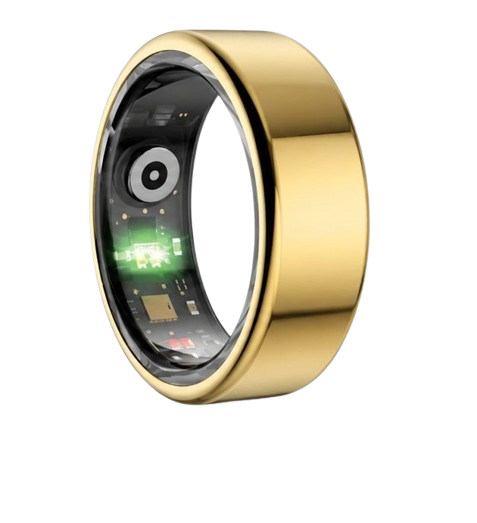
The durable Herz P1 Smart Ring offers a reliable, subscription-free way to monitor your natural recovery.
Explore the Herz P1 Smart Ring to see if it fits your active lifestyle.
Call: 1-866-479-1629 — our team can help advise on your ring size.
